
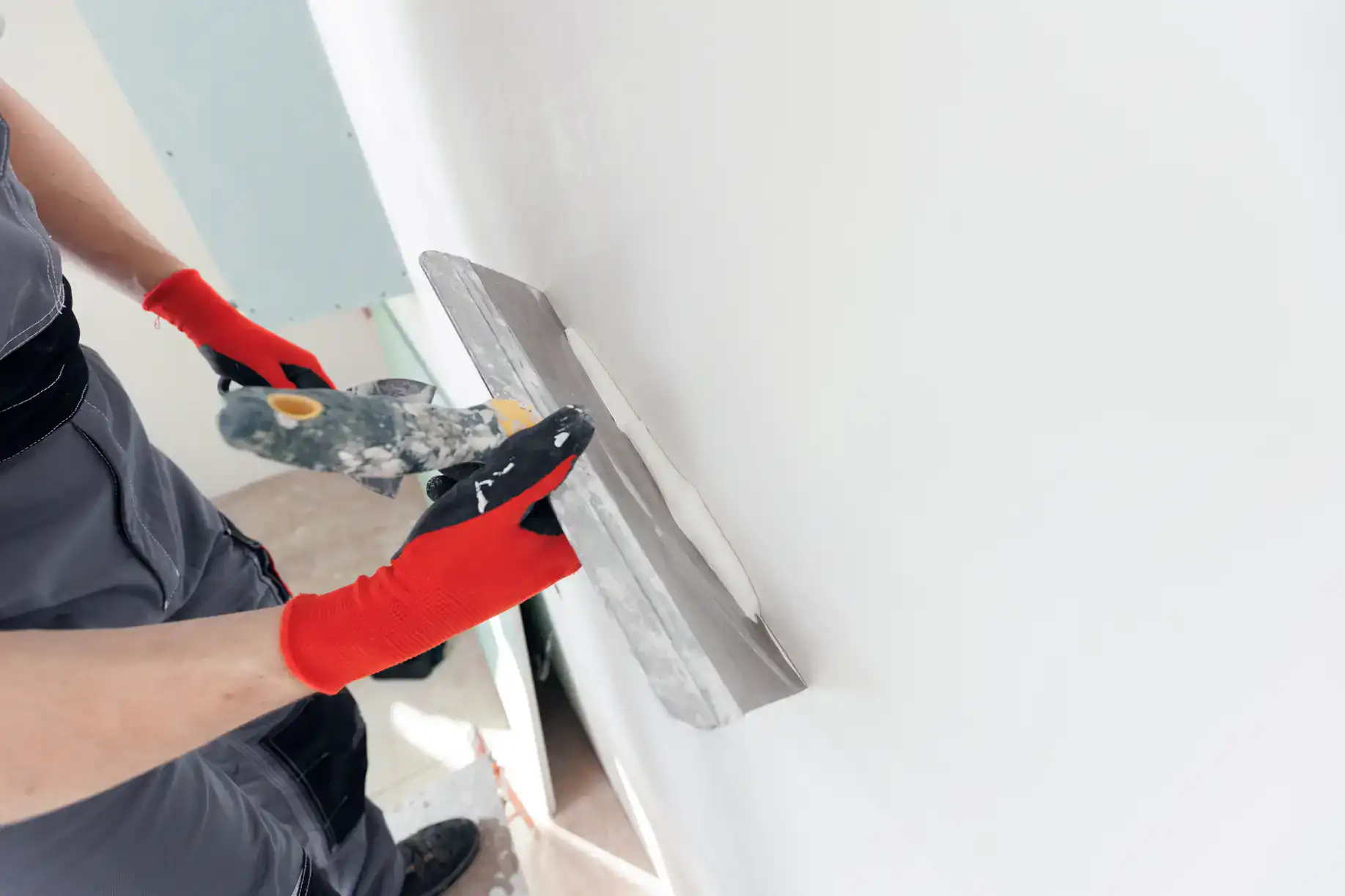
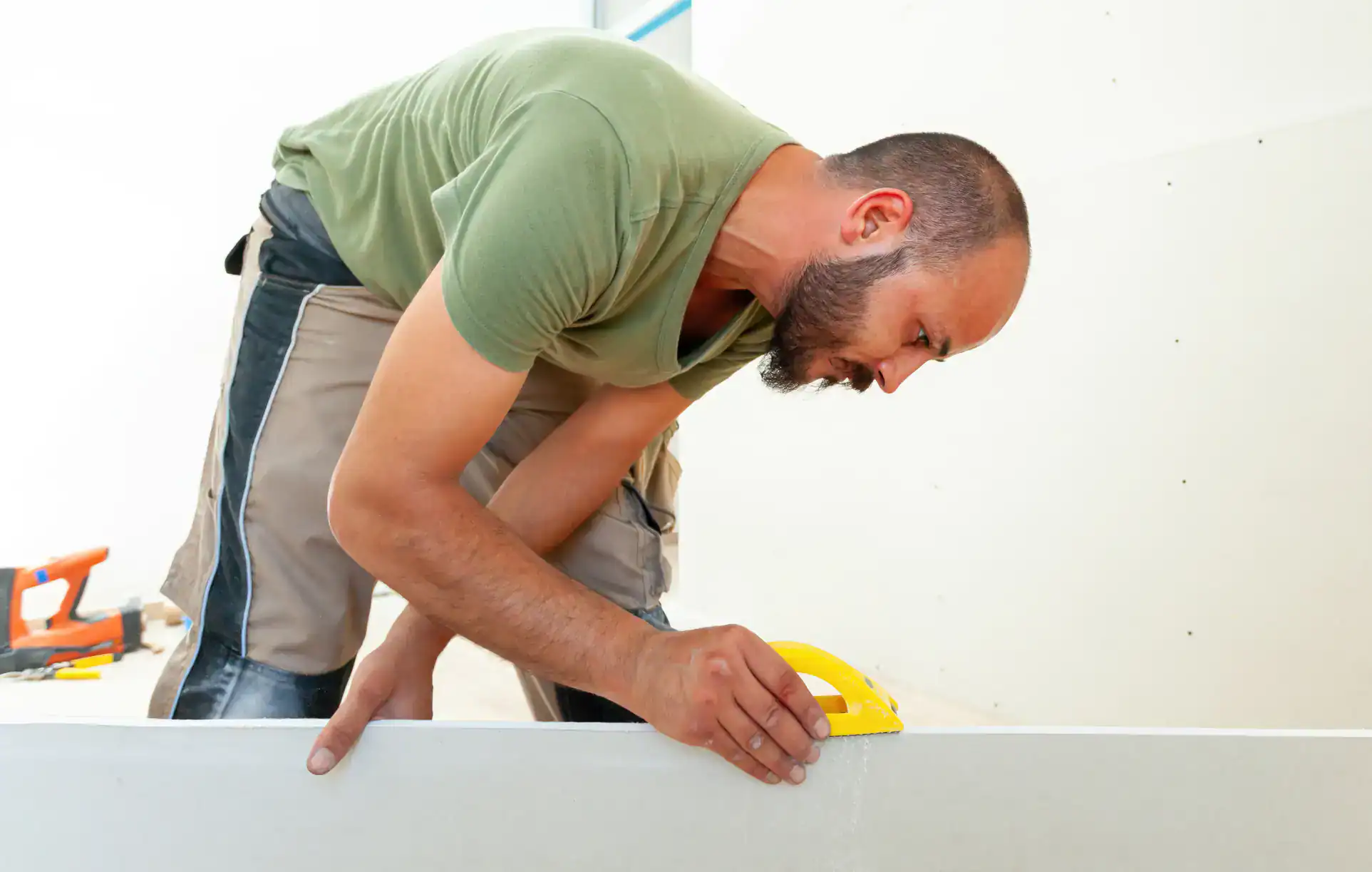
The average cost of drywall repair in Queen Village ranges between $280 and $500 for most jobs, but you shouldn’t have to guess what you’ll pay. Your quote stays locked in from start to finish—no hidden fees, no mid-project upcharges, no vague estimates that balloon once work begins.
Most repairs get done in a single visit. You’re not waiting days for someone to come back and finish what should’ve been handled the first time. The work gets completed, the space gets cleaned, and you move on with your day.
When drywall repair is done correctly in Queen Village, PA, you don’t see seams through the paint. You don’t find gaps wide enough to slide coins through. You get smooth, even surfaces that match the rest of your walls and hold up over time without cracking or sagging.
We work throughout Montgomery and Bucks counties, and we’ve spent over a decade handling the specific challenges that come with Queen Village’s housing stock. More than half the homes here were built before the 1940s, and that means dealing with plaster walls, uneven framing, moisture issues, and materials that predate modern sheetrock by nearly a century.
Most drywall installers don’t know how to tie new materials into old plaster without leaving visible lines or creating weak spots that crack within months. We do. Every job gets the same attention we’d give our own homes—proper materials, clean installation, respect for your space and your schedule.
We’re locally owned, fully licensed and insured, and we don’t disappear after the check clears. You’re hiring people who live in the communities we serve and care about the reputation that comes with that.
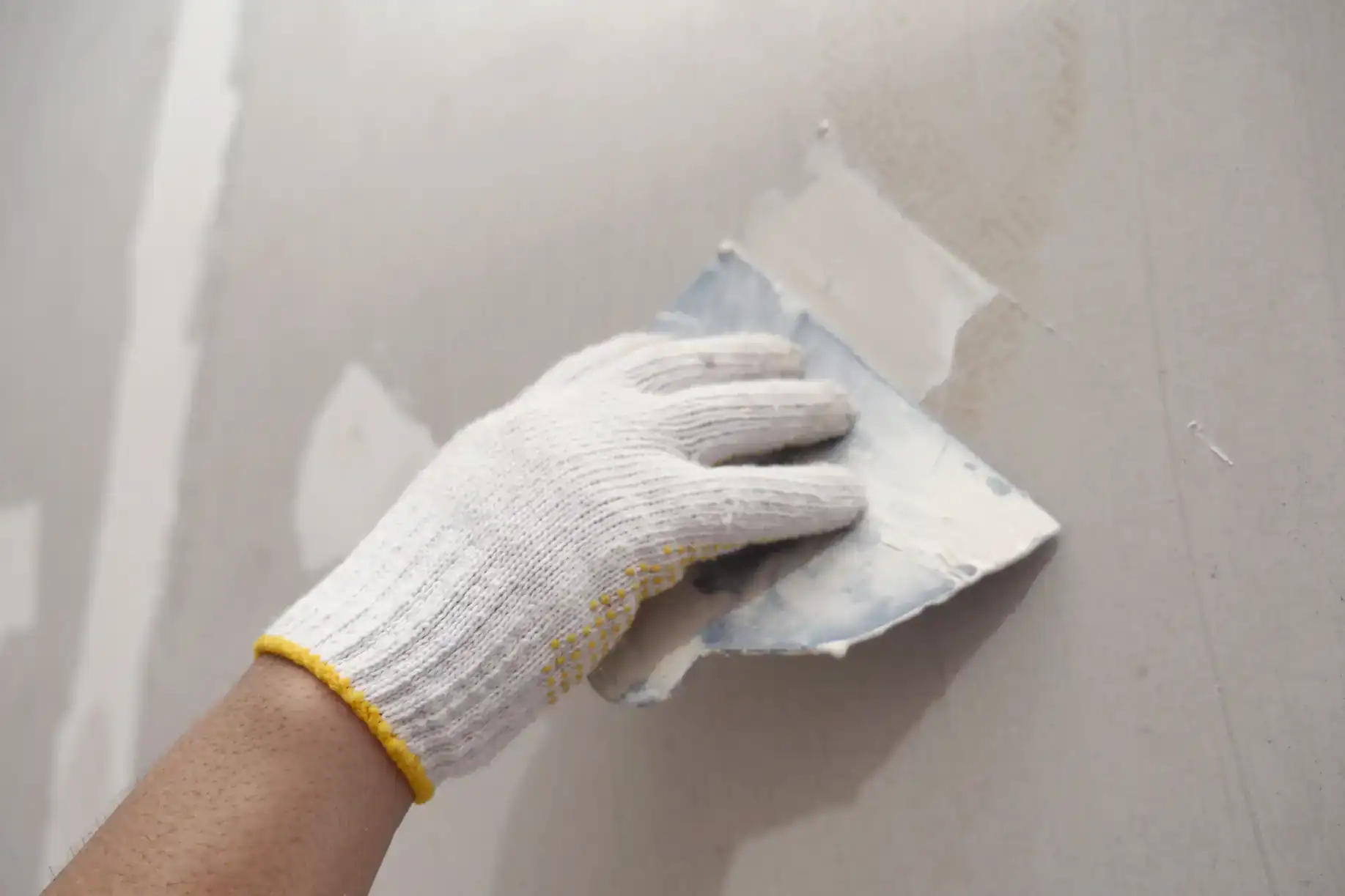
First, we assess the damage. That means identifying whether you’re dealing with surface-level cracks, water damage, structural issues, or deteriorated plaster that needs more than a quick patch. In Queen Village, where the median home was built in 1938, it’s not uncommon to find layered problems—calcimine paint, oil-based finishes, or plaster that’s lost its bond to the lath.
Once we know what we’re working with, we give you a fixed price. That number doesn’t change unless the scope changes, and if it does, we talk to you first. No surprises halfway through the job.
Then we do the work. We remove damaged material, prep the surface, install new drywall or patch existing sections, tape and mud the seams, sand everything smooth, and clean up completely. Most jobs finish in one day. You’re not living around dust and debris for a week while we drag things out.
When we’re done, the repair blends in. You shouldn’t be able to tell where the old wall ends and the new section begins. That’s the standard.
Ready to get started?
Every drywall repair in Queen Village, PA includes damage assessment, material removal if needed, surface prep, installation or patching, taping, mudding, sanding, and complete cleanup. You’re not paying extra for someone to haul away debris or vacuum up dust—that’s part of the job.
For historic homes in Queen Village, we also account for the complexity of working with older materials. If your walls are plaster, we don’t just slap drywall over the top and call it done. We address the underlying structure, ensure proper adhesion, and match textures so the repair doesn’t stand out like a sore thumb.
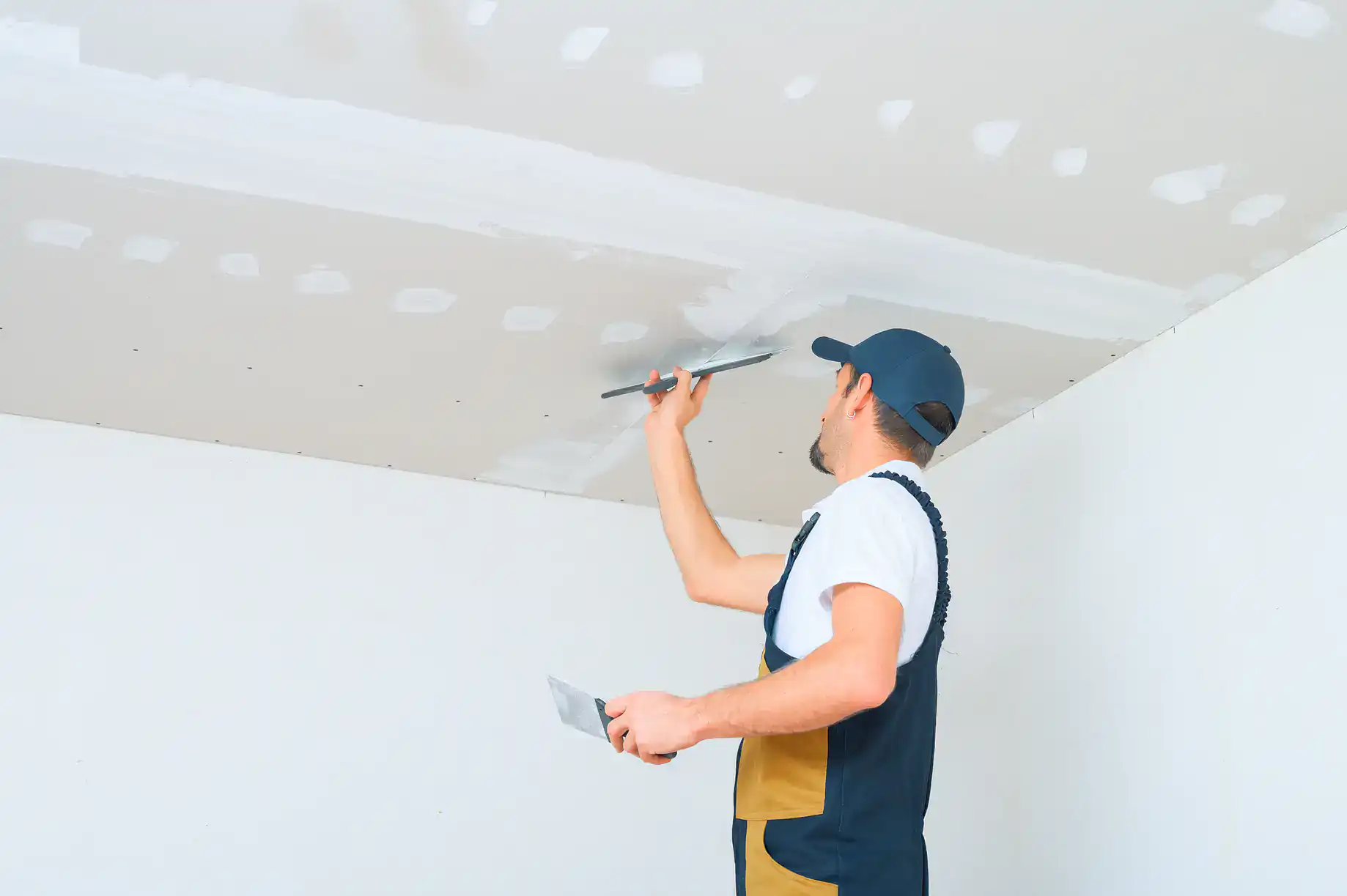
The drywall ceiling repair cost in Queen Village typically runs higher than wall repairs because of access challenges and the need for scaffolding or lifts, but the process is the same: assess, quote, complete, clean. If water damage is involved, we identify the source before we patch anything. Covering up a leak without fixing it just means you’ll be calling someone back in six months to do the job again.
Handyman drywall repair cost in Queen Village might seem cheaper upfront, but if the work isn’t done right, you’ll spend more fixing it later. We use quality materials, proper techniques, and we don’t cut corners to shave an hour off the clock.
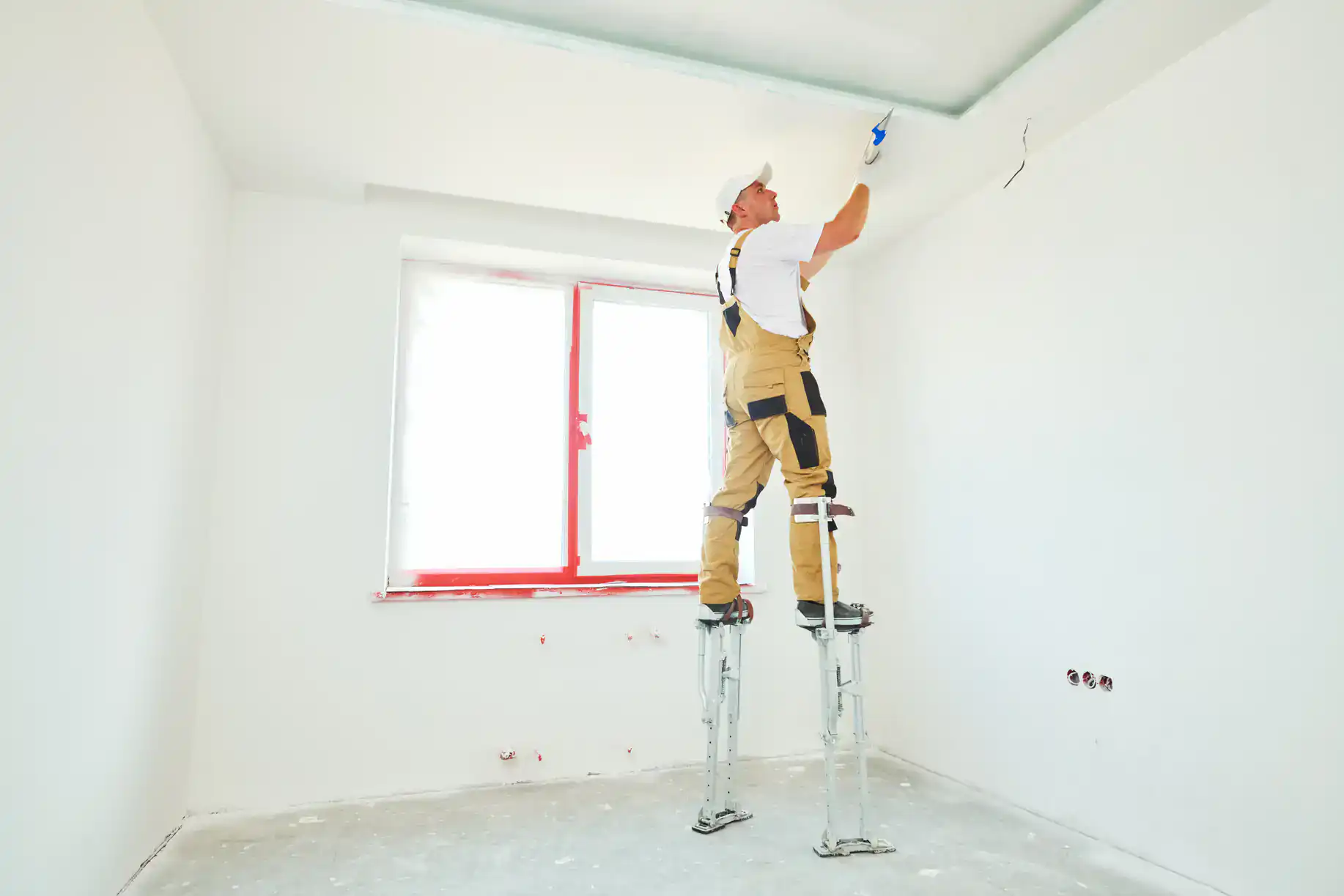
Most homeowners in Queen Village spend between $280 and $500 on drywall repair, depending on the size of the damaged area, the type of repair needed, and whether you’re dealing with walls or ceilings. Small patches—think doorknob holes or minor cracks—usually fall on the lower end. Larger repairs, water damage, or ceiling work cost more because they require more material, more labor, and sometimes specialized equipment.
The average cost for drywall repair in Queen Village also depends on whether you’re working with drywall or plaster. Plaster repairs take longer and require different techniques, especially in homes built before the 1940s where you’re dealing with multiple layers of old paint and unpredictable substrate conditions. A straightforward drywall patch might take a few hours. A plaster repair in a century-old rowhouse could take most of a day.
You’ll get a fixed price before work starts, and that price won’t change unless the scope does. If we find additional damage once we open up a wall, we’ll walk you through what’s needed and what it’ll cost before moving forward.
Yes, and it’s something we do regularly. Queen Village has some of Philadelphia’s oldest homes, with more than half the housing stock built before 1940. That means you’re often dealing with plaster walls, not drywall, and the two materials don’t behave the same way.
Plaster is harder, more brittle, and doesn’t flex like modern drywall. It’s also usually applied over wood lath, which can shift, crack, or deteriorate over time. When you’re patching or repairing these walls, you can’t just cut out a section and drop in a piece of drywall without addressing how the new material will bond to the old. If it’s done wrong, you’ll see seams, cracks, or sagging within months.
We handle the transition properly. That means prepping the surface, using the right adhesives and fasteners, feathering edges so they blend, and matching textures so the repair doesn’t announce itself every time you walk past it. It’s not complicated, but it does require experience with old homes and an understanding of how different materials interact. Most drywall installers don’t have that background. We do.
Most drywall repairs in Queen Village get done in one day. Small patches—holes from doorknobs, anchors, or minor cracks—usually take a few hours. Larger repairs, ceiling work, or jobs that involve water damage or structural issues can take a full day, sometimes longer if drying time is needed between coats of joint compound.
The timeline also depends on what we find once we start. If you’ve got a small hole in the wall and the framing behind it is solid, it’s a quick fix. If there’s water damage, mold, or deteriorated plaster that’s lost its bond to the lath, we’re looking at more prep work before we can even start the repair.
We don’t drag jobs out. You’re not waiting days for us to come back and finish something that should’ve been handled in one visit. We schedule the work, show up on time, complete it, and clean up. If a job needs multiple visits because of drying time or additional damage, we’ll tell you that upfront so you know what to expect.
Yes, but we don’t patch over water damage without addressing the source first. If your drywall or plaster is damaged from a leak, the first step is figuring out where the water came from and making sure it’s fixed. Patching a water-stained ceiling without fixing the roof leak or the plumbing issue just means you’ll be calling someone back in a few months to do it again.
Once the source is handled, we remove the damaged material. Water-damaged drywall loses its structural integrity—it gets soft, crumbles, and can harbor mold. You can’t just paint over it and hope it holds. We cut out the compromised sections, check the framing and insulation behind it, and replace everything that’s been affected.
In Queen Village’s older homes, water damage often reveals other issues—old plaster that’s already failing, framing that’s shifted, or outdated materials that weren’t installed correctly to begin with. We address those problems as part of the repair so you’re not dealing with the same issue six months down the line. The goal is to fix it once and fix it right.
A handyman might charge less per hour, but the handyman drywall repair cost in Queen Village can end up higher if the work isn’t done correctly and you have to hire someone else to fix it. Handymen are generalists—they handle a little bit of everything, which means they’re not specialists in any one trade. That’s fine for small tasks, but drywall repair requires specific skills, especially in historic homes.
Licensed drywall contractors have the training, tools, and insurance to handle complex repairs. We know how to work with old plaster, how to tie new materials into existing walls without creating weak spots, and how to finish surfaces so they’re smooth and ready for paint. We’re also insured, which means if something goes wrong, you’re protected. Most handymen don’t carry the same level of coverage.
The other difference is accountability. We’re a local business with a reputation to maintain. We don’t disappear after the check clears, and we don’t cut corners to save time. Every job gets done right because that’s how we stay in business. If you’re dealing with a small cosmetic issue, a handyman might be fine. If you’re repairing structural damage, water damage, or working with a century-old home, you want someone who knows what they’re doing.
Yes, if it’s done correctly. The whole point of a drywall repair in Queen Village, PA is that you shouldn’t be able to tell where the damage was once the job is finished. That means matching texture, blending edges, and making sure the surface is smooth and level with the surrounding wall.
Texture matching is where a lot of contractors fall short. If your walls have a knockdown texture, orange peel, or any kind of finish beyond flat paint, the repair needs to replicate that. Otherwise, you’ll have a smooth patch in the middle of a textured wall, and it’ll stand out every time the light hits it. We match textures as part of the job—it’s not an add-on or an extra charge.
Edge blending is just as important. If the joint compound isn’t feathered out properly, you’ll see ridges or lines once the wall is painted. We sand everything smooth, prime the repair, and make sure it’s ready for paint. You might need to repaint the entire wall to get a perfect color match, but the surface itself will be seamless. That’s the standard we work to, and it’s what you should expect from any contractor you hire.
Other Services we provide in Queen Village