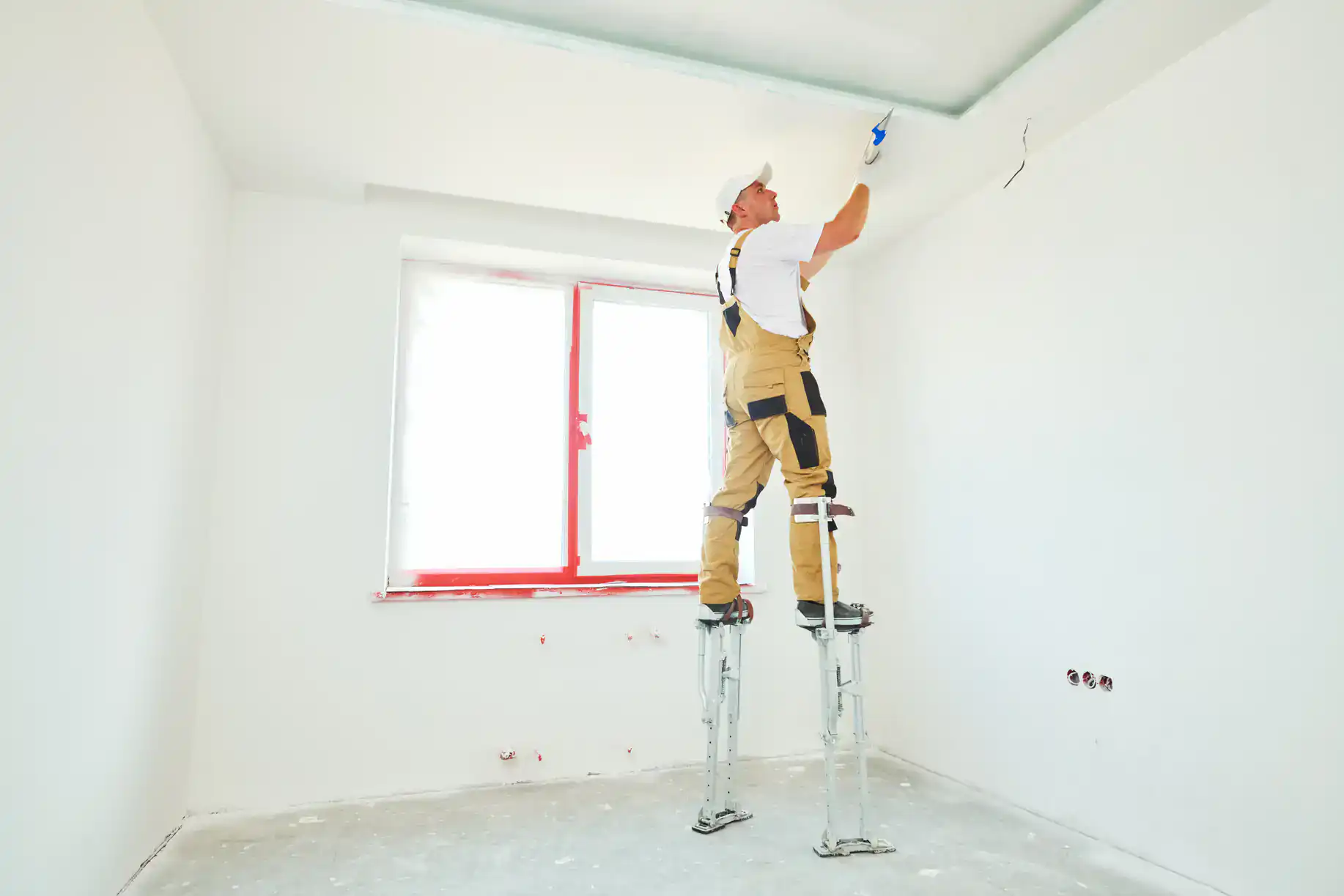
Essential insights for Philadelphia homeowners seeking flawless drywall finishing, from vetting contractors to understanding union advantages and professional techniques.
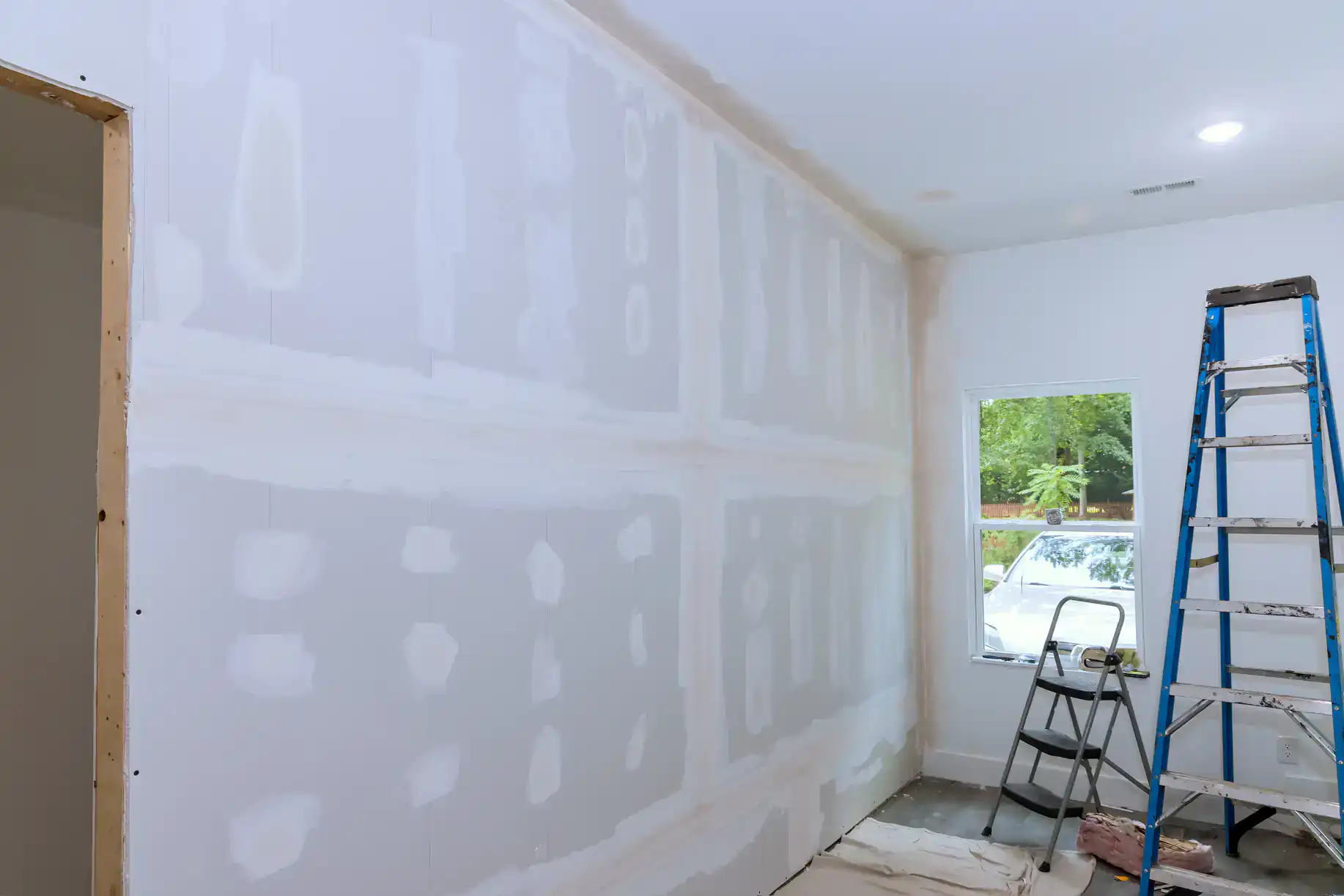
The first decision you’ll face is whether to hire union or non-union drywall finishers. This choice affects everything from safety standards to final quality.
Union contractors in Philadelphia bring measurable advantages. We’re five times less likely to experience fatal accidents and receive 25% fewer stop-work orders compared to non-union workers. Our finishers complete hundreds of hours of annual training under experienced instructors, ensuring consistent technique and superior results.
Non-union contractors offer more flexibility in scheduling and often lower upfront costs. However, the trade-off frequently appears in inconsistent quality and longer project timelines when problems arise.
Philadelphia’s older row houses present unique challenges that separate experienced finishers from weekend warriors. Union contractors bring 25 years of collective experience dealing with irregular walls, moisture issues, and the intricate plasterwork common in South Philadelphia homes.
We understand how Philadelphia’s humidity affects drying times and material behavior. We know which compounds work best in basements prone to dampness and how to achieve seamless transitions between old plaster and new drywall—a skill that’s particularly valuable in renovation projects.
The structured training programs ensure consistency. When you hire union drywall finishers, you’re not gambling on individual skill levels. Every team member has completed the same rigorous apprenticeship program, learning proper mudding techniques, texture matching, and finishing standards that meet commercial-grade specifications.
Union contractors also carry comprehensive insurance and bonding that protects your property. If something goes wrong, you’re covered. Non-union contractors might offer lower rates, but gaps in coverage can leave you financially exposed if accidents occur or work needs to be redone.
The investment in union labor typically pays for itself through faster completion times and reduced callbacks. Professional finishers get it right the first time, eliminating the delays and additional costs that plague projects handled by less experienced contractors.
Non-union drywall contractors serve an important role in Philadelphia’s market, particularly for smaller residential projects where flexibility matters more than extensive credentials. These contractors often provide more personalized service and can adapt quickly to changing project requirements.
Cost considerations make non-union contractors attractive for budget-conscious homeowners. Their overhead is typically lower, and they can offer competitive pricing that works well for straightforward repairs or basic installations. Many non-union finishers have developed strong reputations through years of quality work in specific neighborhoods.
The key advantage is scheduling flexibility. Non-union contractors can often start projects sooner and work around your timeline more easily than union shops with structured schedules and multiple ongoing projects. This flexibility becomes valuable when you need quick turnaround on repairs or want to coordinate with other home improvement projects.
However, vetting becomes more critical with non-union contractors. Without standardized training programs, skill levels vary significantly. You’ll need to carefully check references, review previous work, and ensure proper licensing and insurance coverage.
Some non-union contractors specialize in specific techniques or materials that might be perfect for your project. They might have developed expertise in historic home restoration or particular texture matching that makes them the ideal choice despite lacking union credentials.
The decision ultimately depends on your project’s complexity, timeline, and risk tolerance. Simple repairs might work perfectly with skilled non-union contractors, while complex renovations often benefit from union contractors’ systematic approach and comprehensive training.
Want live answers?
Connect with a Sharpe Drywall expert for fast, friendly support.
The right questions reveal everything you need to know about a contractor’s capabilities and reliability. Start with experience: how long have they been in business, and do they have specific experience with projects similar to yours?
Ask about their team structure. Will subcontractors handle portions of your work? If so, are they covered under the company’s insurance? How are team members vetted and trained? You want a single point of contact throughout the project who can handle scheduling, supply purchases, and address any concerns that arise.
Insurance verification is non-negotiable. Request proof of current liability coverage and workers’ compensation. A legitimate contractor will provide this documentation immediately without hesitation.
Professional contractors provide specific timelines that account for drying time between coats, weather conditions, and potential complications. Ask how long their portion of the project will take and what factors might extend that timeline. Vague answers indicate poor planning or inexperience.
Materials matter more than most homeowners realize. Ask what type of joint compound they plan to use, what grade of drywall they recommend for your specific application, and how they handle texture matching. Professional finishers can explain the differences between setting-type and drying-type compounds and recommend the best option for your project’s requirements.
Quality contractors use professional-grade tools that directly impact results. Ask about their finishing tools—do they use stainless steel broad knives in multiple sizes? Do they have proper mixing equipment? The right tools indicate serious commitment to quality results.
Payment structure reveals a lot about contractor reliability. Avoid anyone demanding large upfront payments or full payment before completion. Professional contractors typically request modest deposits and structure payments around project milestones.
References should be recent and relevant to your project type. Ask for contacts from jobs completed within the past year, preferably with similar scope and complexity. Quality contractors are proud to share their work and maintain relationships with satisfied customers.
Communication protocols matter for project success. How will they keep you updated on progress? What happens if problems arise? How do they handle changes or unexpected issues? Clear communication processes indicate professional operation and reduce stress throughout the project.
Certain warning signs indicate contractors you should avoid entirely. Door-to-door solicitation is the biggest red flag—legitimate drywall contractors don’t need to chase business this way. Quality finishers stay busy through referrals and repeat customers.
Unusually low bids often indicate corner-cutting or hidden costs that emerge later. If a quote is significantly below others you’ve received, ask detailed questions about what’s included and what might cost extra. Professional contractors price jobs to cover quality materials, proper labor, and reasonable profit margins.
Pressure tactics suggest desperation or dishonesty. Legitimate contractors give you time to make decisions and don’t push for immediate commitments. “Limited time” offers and high-pressure sales presentations indicate operations more focused on closing deals than delivering quality work.
Cash-only payment requests raise immediate concerns about legitimacy and tax compliance. Professional contractors accept checks and credit cards, provide proper invoicing, and maintain transparent financial practices that protect both parties.
Lack of local references or unwillingness to provide them suggests problematic work history. Every established contractor should have multiple local customers willing to discuss their experience. Reluctance to share references indicates either poor work quality or non-existent local presence.
Missing or expired licenses and insurance represent unacceptable risks. Never hire contractors who can’t immediately provide current documentation. Legitimate businesses maintain proper credentials and understand their importance to customer protection.
Vague project descriptions or reluctance to provide written estimates indicate unprofessional operation. Quality contractors provide detailed written proposals that specify materials, labor, timeline, and total costs. Verbal agreements create opportunities for misunderstandings and disputes.
Flawless drywall finishing requires the right contractor match for your specific project needs. Union contractors bring proven training, safety records, and systematic approaches that work well for complex renovations and larger projects. Non-union contractors offer flexibility and competitive pricing that might be perfect for straightforward repairs and smaller jobs.
The questions you ask reveal contractor professionalism and capabilities. Focus on experience, materials, timeline, and communication processes. Trust contractors who provide detailed written estimates, current insurance documentation, and recent local references without hesitation.
Your walls deserve better than patch jobs and visible repairs. When you’re ready for drywall finishing that disappears completely, we bring 25 years of union experience to every Philadelphia project, guaranteeing same-day service, zero mess, and perfect texture matching that makes repairs invisible.
Summary:
Get in Touch with Sharpe Drywall
Share: