When you knock down walls for open-concept living in Philadelphia, ceiling junction taping becomes the most visible—and critical—part of the job.
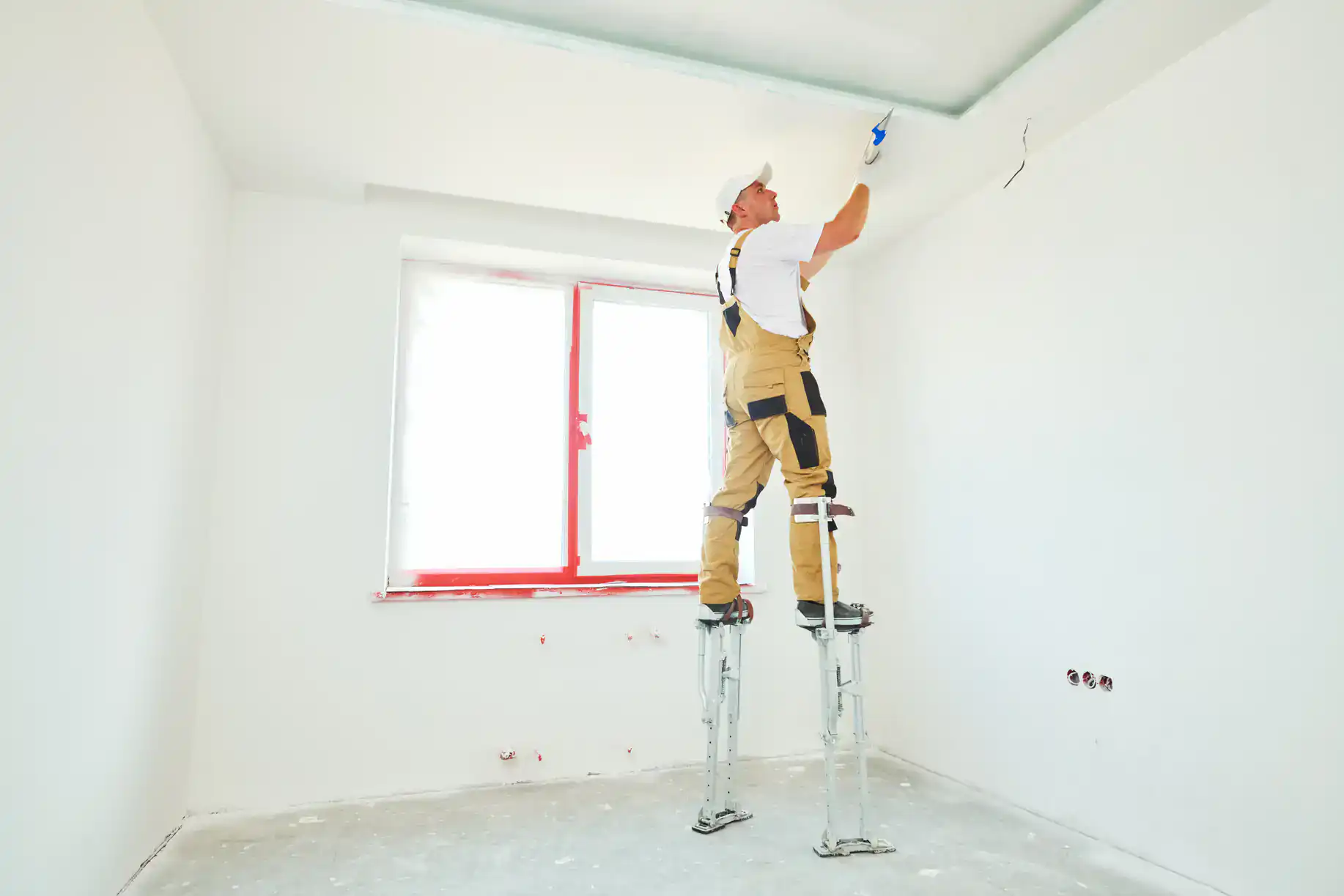
The ceiling is the largest uninterrupted surface in any room. When you remove a wall to create open-concept living, you’re left with a seam running across that surface where drywall meets drywall. That junction sits right in your sightline every single day.
Poor taping shows up as visible lines, shadows under angled light, or texture that doesn’t quite match. Worse, improper technique leads to cracks within weeks or months. You see it happen when contractors rush the job, use the wrong materials, or don’t understand how Philadelphia homes settle and move.
The technical reality is straightforward. Ceiling junctions in open-concept remodels experience more stress than standard wall seams. They span longer distances, handle structural movement from the floor above, and sit in areas with temperature fluctuations. That’s why union-trained tapers approach these junctions differently than basic wall repairs.
Walk into enough remodeled Philadelphia homes and you’ll spot the pattern. Hairline cracks running the length of where walls used to be. Visible seam lines that catch the light from windows. Texture that looks slightly different on either side of the junction.
These failures happen for specific reasons. The most common is using fiberglass mesh tape with lightweight all-purpose joint compound. Mesh tape works fine for small repairs, but on long ceiling seams, it doesn’t flex with structural movement. The lightweight compound shrinks as it dries, and when you apply the next coat before the first one fully cures, you’re setting up for cracks.
Philadelphia’s older homes add another layer of complexity. Many houses in Montgomery and Bucks County were built before modern materials existed. You’re often tying new drywall into old plaster, working with framing that’s settled over decades, dealing with foundation movement that newer construction doesn’t see. Contractors who don’t understand these local conditions end up with failed seams no matter how carefully they apply the mud.
Temperature and humidity play major roles too. Apply joint compound when it’s too hot and it dries too fast, cracking before you even finish the job. Work in cold, damp conditions and the compound doesn’t cure properly, leading to shrinkage cracks later. Philadelphia’s climate swings from humid summers to cold winters, and proper sheetrock taping and mudding technique accounts for both.
The other issue is improper tape embedding. Some contractors lay tape directly on bare drywall, thinking it’ll stick. It doesn’t. The first layer of joint compound is what holds the tape, not the wall itself. Skip that step or apply it too thin, and you get bubbles, loose spots, and eventual failure.
You can spot bad taping before it becomes a major problem. Run your hand along the seam—if you feel ridges or bumps, the compound wasn’t feathered properly. Look at the ceiling under raking light. Hold a flashlight at a sharp angle. Shadows and lines that weren’t visible in normal light suddenly appear. That’s crowned seams, where too much compound was applied in the center and not enough feathering happened at the edges.
Union training through IUPAT District Council 21 teaches specific techniques for high-stress seams like ceiling junctions in open-concept remodels. It’s not just about knowing how to apply mud and tape. It’s understanding material science, structural movement, and how different compounds behave under various conditions.
The process starts with material selection. For ceiling junctions that will experience movement, we use fiberglass reinforced mesh tape combined with chemically hardening plasters for the first two coats. This combination provides flexibility and strength that standard paper tape and all-purpose mud can’t match. The fiberglass reinforcement prevents cracks from floor deflection and snow load on the roof above.
Proper embedding technique makes the difference between seams that last and seams that fail. The first coat of joint compound goes directly on the drywall, filling the gap between sheets. The tape gets pressed into that wet compound, not laid on top of dry surface. A taping knife forces the compound through the tape and squeezes out excess. This creates a mechanical bond that holds under stress.
Each subsequent coat requires complete drying before the next application. That means 24 hours minimum in climate-controlled conditions, longer in cold or humid weather. Rushing this process is where most failures originate. The compound needs to cure chemically, not just dry on the surface. Apply the next coat too soon and you get shrinkage cracks as the underlying layers continue curing.
Feathering is where skill separates professionals from amateurs. Each coat extends wider than the previous one, creating a gradual transition from the built-up seam to the flat drywall surface. A 6-inch knife for the first coat, 10-inch for the second, 12-inch for the final. The edges get feathered so thin you can’t feel the transition with your hand.
Union training also covers inspection techniques. Before final sanding, experienced tapers check every seam under critical lighting conditions. We’re looking for shadows, ridges, and imperfections that normal room lighting would hide but that will show up once you move in and light hits the ceiling at different angles throughout the day.
Philadelphia’s older home construction requires additional considerations. When you’re taping new drywall to old plaster, you need to account for different expansion rates. Plaster doesn’t move the same way drywall does. The junction between these materials needs special attention, often requiring additional reinforcement and different compound application to prevent cracks at the transition point.
Moisture management matters more in Philadelphia than in newer construction markets. Older homes often have moisture issues from outdated plumbing, insufficient insulation, and seasonal humidity changes. Using moisture-resistant drywall and proper ventilation during the curing process prevents problems down the line. Chemically hardening compounds cure through chemical reaction rather than just water evaporation, making them more reliable in variable moisture conditions.
Want live answers?
Connect with a Sharpe Drywall expert for fast, friendly support.
Not every drywall contractor has experience with the specific challenges of ceiling junction taping in open-concept remodels. You need someone who understands both the technical requirements and Philadelphia’s unique housing stock.
Start by asking about their approach to ceiling seams specifically. If they say “we tape everything the same way,” that’s a red flag. Ceiling junctions in remodels require different materials and techniques than standard wall seams. Ask what type of tape they use for long ceiling spans. Ask about their compound selection. Ask how long they wait between coats.
Union affiliation tells you something about training and standards. IUPAT District Council 21 members go through apprenticeship programs that cover proper taping techniques, material science, and quality standards. That doesn’t mean non-union contractors can’t do good work, but it does indicate a baseline of technical knowledge and ongoing training.
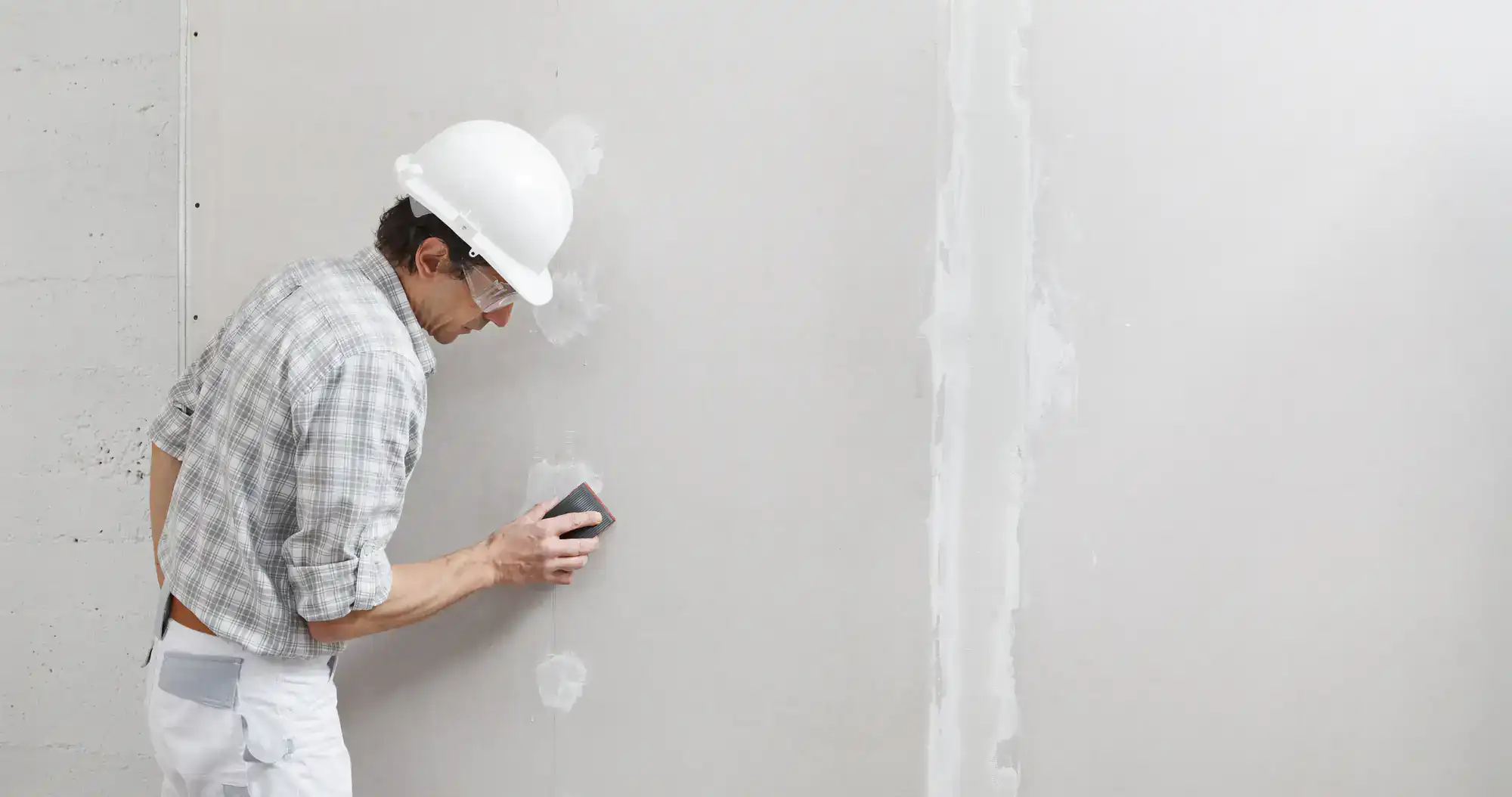
The conversation you have before signing a contract reveals whether a contractor understands what you’re actually hiring them to do. Here’s what to cover.
Ask about their experience with open-concept remodels specifically in Montgomery County, Bucks County, or Philadelphia. Older Pennsylvania homes have quirks that newer construction doesn’t. Foundation settling, plaster-to-drywall transitions, non-standard framing dimensions. Contractors who’ve worked in the area know how to handle these issues.
Get specific about materials. What type of tape will they use for ceiling junctions? What compound for the base coats? How many coats do they plan to apply? What’s the drying time between coats? These aren’t trick questions—experienced tapers will walk you through their process and explain why they’ve chosen specific materials.
Ask about their inspection process. How do they check for quality before calling the job complete? Do they use raking light to identify imperfections? Do they run their hands along seams to feel for ridges? These details separate contractors who care about the finished product from those just trying to get to the next job.
Licensing and insurance matter more than most homeowners realize. Pennsylvania requires contractors to be licensed, and comprehensive liability insurance protects you if something goes wrong. Ask to see both. A legitimate contractor will have no problem providing proof.
Timeline questions help you understand their process. How long will the taping take? When can you paint? Contractors who promise unrealistically fast completion are probably cutting corners on drying time. Proper taping can’t be rushed. Each coat needs time to cure.
References from similar projects give you real-world insight. Ask to see photos of ceiling junction work they’ve completed in other open-concept remodels. Better yet, ask if you can talk to previous clients about their experience. Contractors confident in their work will gladly provide references.
Pricing should be transparent and detailed. You want a breakdown that shows labor, materials, and timeline. Be wary of quotes that seem significantly lower than others. Quality materials cost money. Skilled labor costs money. Rock-bottom pricing usually means corners will be cut somewhere.
Professional drywall finishing typically runs $1.50 to $3.50 per square foot in the Philadelphia area, and ceiling junction work in open-concept remodels tends toward the higher end of that range. The price reflects material quality, technical skill, and the time required to do it properly.
That investment pays for itself when you consider the alternative. Cheap taping fails within months, requiring complete redo. You pay twice—once for the bad work, again to fix it. Worse, you live with visible seams and cracks while you figure out what to do about it.
The cost breakdown includes materials, labor, and time. Premium materials like fiberglass reinforced mesh tape and chemically hardening compounds cost more than basic paper tape and all-purpose mud. Skilled union-trained labor commands higher rates than inexperienced workers. Proper drying time between coats means the job takes longer, which affects labor costs.
Philadelphia’s older homes can add complexity that increases cost. If you’re tying new drywall into old plaster, that requires extra prep work and specialized technique. If the ceiling has settled unevenly over decades, additional work might be needed to create a level surface. Foundation movement might require reinforcement beyond standard taping.
Get multiple quotes, but don’t make your decision based solely on price. The lowest bid often comes from contractors who will use cheaper materials, rush the drying process, or lack the experience to handle complex ceiling junctions properly. The mid-range quotes from established contractors with verifiable experience usually represent fair market value for quality work.
Ask what’s included in the quote. Does it cover all materials? How many coats? What level of finish? Does it include cleanup? Are there any potential additional costs if they encounter unexpected issues? Clear scope of work prevents surprise charges later.
Consider the long-term value. Quality ceiling junction taping lasts for years without cracking, bubbling, or visible seams. It protects your renovation investment and maintains your home’s value. Cheap work that fails in six months costs you more in the long run, both in money and frustration. When you need a seam repair service down the road because the original work failed, you’re looking at additional expense and disruption.
Open-concept remodels transform how you live in your Philadelphia home, but those ceiling junctions where walls once stood need expert attention. The difference between invisible seams and visible lines comes down to proper materials, correct technique, and understanding how older Pennsylvania homes behave.
We bring union-trained tapers with technical precision to this critical work. We know which materials work for high-stress ceiling seams. We understand proper drying times and feathering techniques. We’ve dealt with Philadelphia’s unique older home construction enough times to anticipate and prevent common problems.
Your ceiling is the largest uninterrupted surface in your newly opened space. Don’t let poor taping turn it into a daily reminder of what could have been done better. When you’re ready to move forward with your open-concept remodel, we bring the experience and skill your project deserves.
Summary:
Get in Touch with Sharpe Drywall
Share: