When your home inspection flags drywall cracks or holes, you need fast, invisible repairs that won't derail your sale or give buyers negotiating power.

Home inspectors document everything. That’s their job. A hairline crack you’ve lived with for three years becomes a line item in a report that buyers scrutinize like it’s a structural defect.
Inspectors flag drywall damage because it raises questions. Is that crack from normal settling, or is there a foundation issue? Is that water stain old and dry, or is there an active leak? Are those nail pops cosmetic, or do they indicate improper installation?
Buyers don’t know the answers. Their agent tells them to ask for repairs or a credit. Suddenly, your straightforward sale has conditions attached. The difference between a smooth closing and a renegotiated deal often comes down to how quickly you can address these concerns and prove they’re handled.
Philadelphia homes have their own quirks. Older rowhomes settle differently than suburban construction. Plaster-to-drywall transitions from past renovations create weak points. Four-season weather cycles cause expansion and contraction that shows up as cracks.
The most common drywall issues that appear on inspection reports aren’t catastrophic. They’re cosmetic problems that look worse on paper than they are in person. Stress cracks in corners where walls meet ceilings. Nail pops from settling. Small holes from removed picture hooks or cable installations. Water stains on ceilings from old roof leaks that have been fixed.
Then there are the issues that need slightly more attention. Larger holes from doorknob impacts or furniture moves. Damaged sections where plumbing or electrical work was done. Visible texture mismatches from previous DIY repairs. Bubbling or soft spots that indicate past water damage.
Buyers see these items listed in the inspection report and worry. Even if the underlying cause is resolved, the visible damage signals neglect. That perception gives them leverage to ask for price reductions or repair credits. The faster you can eliminate that leverage, the better your negotiating position.
What matters most to buyers and their lenders isn’t the age of your home or minor cosmetic wear. It’s whether obvious damage has been addressed professionally. A properly repaired wall that blends seamlessly tells buyers the home has been maintained. Visible patches or ignored damage tells them the opposite.
In Philadelphia’s current market, where homes are receiving multiple offers and selling close to asking price, presentation matters. Cosmetic issues that buyers can point to become ammunition for negotiation. Clean, well-maintained walls remove that option and keep your sale price where you want it.
Here’s what typically happens after an inspection flags drywall issues. The buyer’s agent sends over a repair addendum listing everything they want fixed. Your agent reviews it and advises which items are reasonable and which aren’t. You’re stuck in the middle, trying to figure out if it’s worth fighting over a $400 repair when you’re selling a $400,000 house.
Most sellers choose to address the repairs. It’s easier than risking the deal or arguing over small amounts. But you’re working against a clock now. The inspection contingency period is usually 10-14 days. You need to get quotes, schedule contractors, complete the work, and provide documentation to the buyer before that window closes.
If repairs drag past the contingency deadline, buyers can walk away without penalty. Even if they don’t walk, delays push back the closing date. That costs you money if you’re carrying two mortgages or have your own purchase contingent on this sale closing. The pressure to get it done quickly is real.
This is where a lot of sellers make expensive mistakes. They hire the first contractor who can come out quickly, without verifying quality or getting multiple quotes. The work gets done fast but looks sloppy. Buyers notice during their final walkthrough and raise new concerns. Or they hire someone cheap who does poor work that’s obviously patched. That creates more negotiation points instead of eliminating them.
The smarter approach is finding a contractor who understands real estate timelines and can deliver invisible results fast. Someone who’s done this specific type of work hundreds of times and knows exactly what buyers and inspectors look for. That’s not your typical handyman or general contractor. It’s a specialist who focuses on drywall repair and understands the stakes.
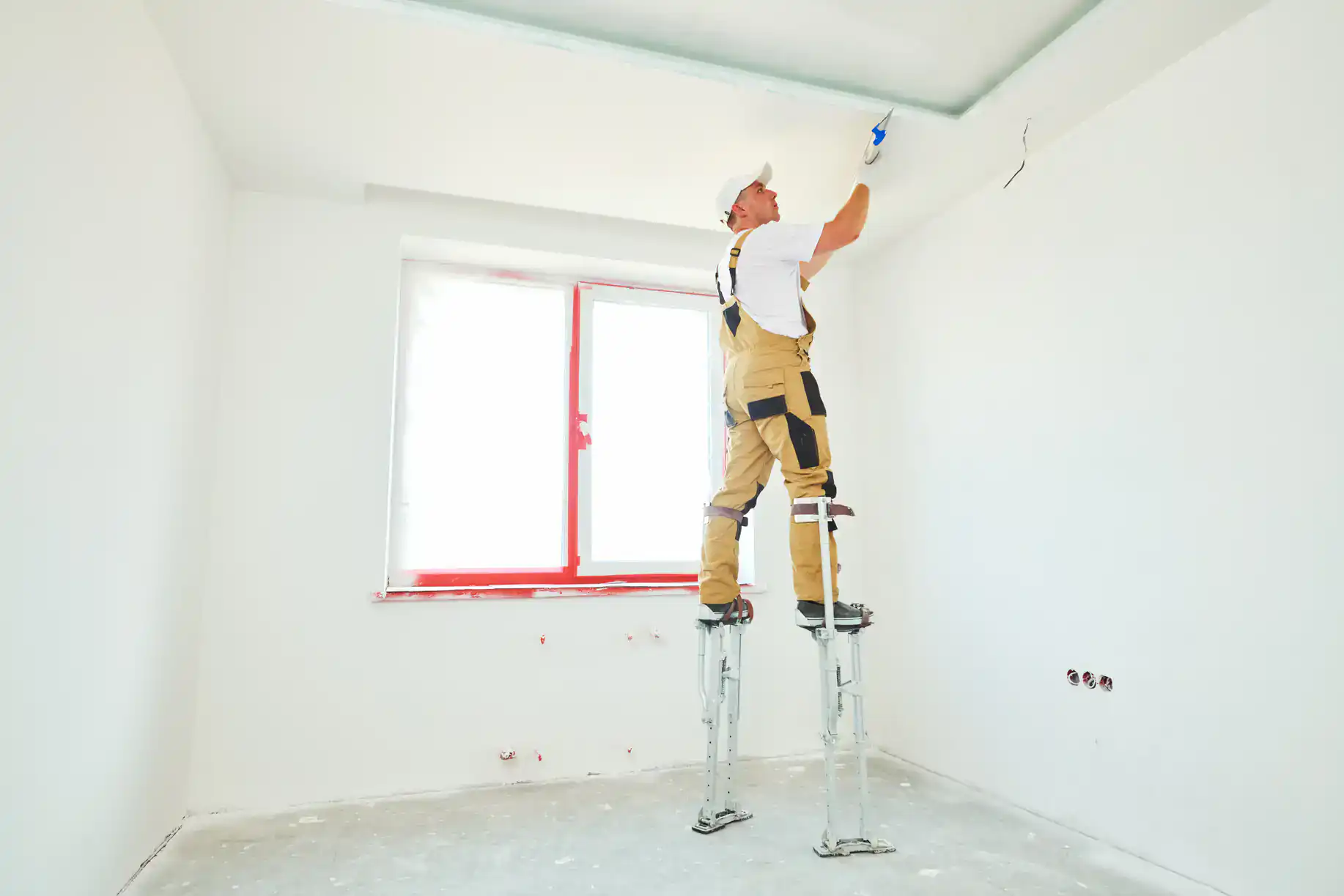
Professional drywall repair for home inspection issues isn’t about making walls perfect. It’s about making damage disappear so buyers have nothing to point to. Proper texture matching, clean edges, seamless blending with existing surfaces. When done right, buyers can’t tell where the repair was made. That eliminates their ability to use cosmetic issues as negotiating leverage and keeps your deal moving forward.
Want live answers?
Connect with a Sharpe Drywall expert for fast, friendly support.
Speed matters when you’re selling a house. Every day that passes between the inspection report and completed repairs is a day your buyer could be getting cold feet or finding other properties. You need someone who can provide a quote quickly, schedule the work immediately, and finish before your contingency period runs out.
Same-day quotes eliminate the waiting game. You send photos or schedule a quick walkthrough, and you have a clear price within hours. No waiting three days for someone to call back or show up for an estimate. You know what it’s going to cost and can make decisions immediately.
Most inspection-related drywall repairs in Philadelphia homes take one to two days to complete. That includes patching, texture matching, and paint. Larger jobs involving multiple rooms or extensive damage might take three days. But you’re not looking at week-long projects that disrupt your life or delay your closing. You’re looking at focused work that gets done and gets done right.
Professional repair work for real estate transactions goes beyond slapping some spackle in a hole. It’s about creating a finish that buyers and their inspectors can’t question. That requires proper materials, correct techniques, and attention to detail that makes repairs invisible.
The process starts with proper preparation. Damaged areas get cleaned and prepped so new materials bond correctly. Holes get backing installed so patches are stable and won’t crack. Cracks get properly opened and filled so they don’t reappear in six months. This prep work is what separates professional repairs from DIY attempts that fail.
Texture matching is where experience shows. Philadelphia homes have everything from smooth plaster to orange peel to knockdown textures. Matching existing texture so repairs blend seamlessly requires the right tools and practiced technique. Poor texture matching is the number one giveaway of amateur work. Buyers notice immediately when a patch doesn’t match the surrounding wall.
Paint matching matters just as much as texture. Taking a sample from the existing wall to get an exact color match ensures the repaired area doesn’t stand out. Multiple coats applied with proper drying time between applications create a finish that looks original, not patched. The goal is making buyers unable to identify where damage existed.
We also understand the importance of cleanliness during real estate transactions. Your home is still on the market. Showings are still happening. The last thing you need is dust all over your furniture or drywall mud tracked through your house. Proper containment, floor protection, and thorough cleanup keep your home showing-ready throughout the repair process.
Documentation matters too. Some buyers or lenders want proof that flagged items were addressed by licensed, insured professionals. Having invoices, photos of completed work, and contractor licensing information available for the closing demonstrates that repairs were done properly. That eliminates any last-minute questions or concerns that could delay your closing.
Philadelphia’s housing stock presents unique challenges that out-of-area contractors don’t understand. Rowhomes built in the 1940s through 1960s have different construction than newer suburban homes. Many properties have plaster walls with drywall additions from past renovations. Those transitions require specific knowledge to repair properly.
Older Philadelphia homes settle and shift with seasonal temperature changes. Brick party walls shared with neighboring rowhomes move differently than standalone construction. These movements create stress cracks that reappear if not addressed correctly. Understanding why cracks form and how to reinforce repairs so they don’t come back is something you learn from working on hundreds of local properties.
Historic neighborhoods have plaster work and textures that are difficult to replicate. Matching 80-year-old plaster texture with modern drywall compound is an art that requires experience and the right materials. Generic contractors who mostly work on newer construction don’t have the skills or tools to handle these situations. The result is obvious patches that buyers question.
Water damage in Philadelphia homes often involves both old plaster and newer drywall. Knowing how to properly tie new materials into old substrates prevents future delamination and cracking. Using the wrong primers or compounds on old plaster causes patches to fail. That creates bigger problems down the road and potentially kills your sale if buyers discover poor-quality work.
We also understand Philadelphia’s real estate market timing. We know that inspection contingency periods are tight and closing dates matter. We prioritize real estate repair work because we understand the stakes. That means faster scheduling, focused work, and completion timelines that match your transaction needs.
Working with someone who’s repaired drywall in thousands of Philadelphia-area homes means you’re getting proven expertise. We’ve seen every type of damage, worked with every era of construction, and know exactly what buyers and inspectors look for. That experience translates into repairs that hold up to scrutiny and keep your sale moving forward.
Drywall issues on a home inspection report don’t have to derail your sale or cost you thousands in price reductions. Fast, professional repairs eliminate buyer concerns and keep your closing date on schedule. The key is moving quickly with a contractor who understands real estate timelines and delivers invisible results.
Same-day quotes get you pricing immediately so you can make decisions without delay. Experienced work on Philadelphia’s unique housing stock ensures repairs are done right the first time. Clean, professional execution keeps your home showing-ready and gives buyers confidence in your property’s condition.
When inspection issues arise, we provide the fast, reliable drywall repair that keeps Philadelphia home sales on track.
Summary:
Get in Touch with Sharpe Drywall
Share: