Choosing the right moisture-resistant drywall for your Churchville basement finishing project protects against mold, saves money long-term, and ensures lasting results.
Churchville sits in an area where basement moisture isn’t a question of if, but when. Our clay soils hold water, seasonal temperature swings create condensation, and older home foundations weren’t built with today’s moisture barriers.
Standard drywall acts like a sponge in these conditions. It absorbs humidity until it warps, develops soft spots, and eventually becomes a breeding ground for mold. Once that happens, you’re not just replacing drywall—you’re dealing with health risks and potentially thousands in remediation costs.
Moisture-resistant drywall changes the game entirely. These materials are specifically engineered to handle humidity without breaking down, giving your finished basement the protection it needs to stay beautiful and functional.
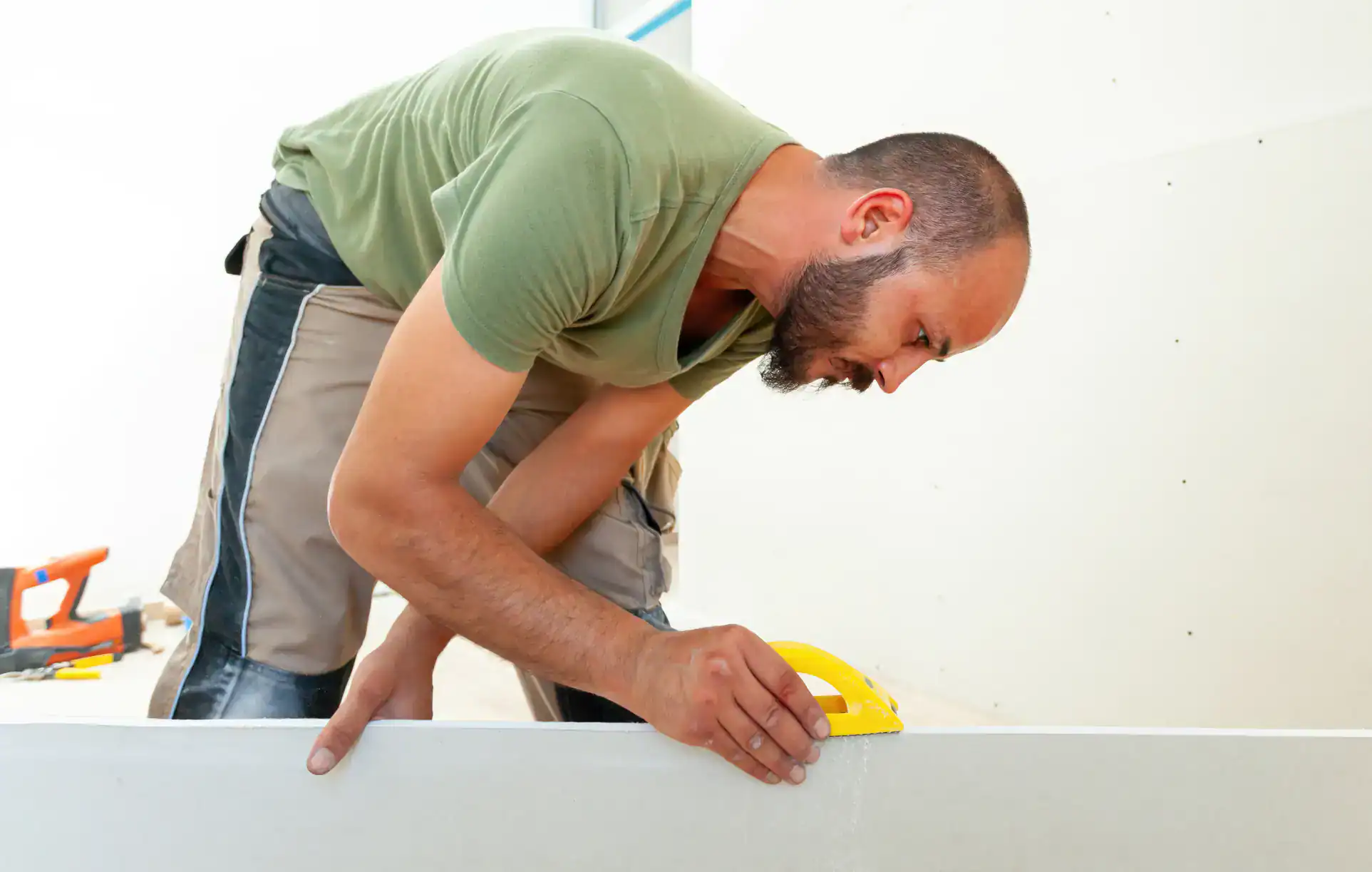
Green board has been the go-to moisture-resistant option for decades, and there’s good reason for that track record. The green paper facing is treated with wax and moisture-repelling chemicals that help it resist humidity and occasional water contact.
For most Churchville basement applications, green board offers solid protection at a reasonable price point. You’ll pay about $12 to $20 per sheet—roughly 20% more than standard drywall—but that modest investment prevents much larger problems down the road.
The key word here is “moderate” moisture. Green board handles humidity well and can deal with occasional splashes or brief exposure to dampness. It’s perfect for general basement walls, areas near laundry equipment, or spaces that might see some condensation during humid summer months.
However, green board isn’t waterproof. If your basement has ongoing moisture issues or areas that get directly wet, you’ll need to address those problems first or consider more robust materials. Think of green board as your reliable daily driver—it handles normal basement conditions without complaint, but it’s not designed for extreme situations.
The installation process is straightforward since green board cuts and hangs just like regular drywall. We can work with it using standard techniques and tools, which helps keep labor costs reasonable while still giving you that crucial moisture protection.
When green board isn’t enough, paperless drywall steps up to handle serious moisture challenges. Instead of paper facing, these panels use fiberglass mesh that won’t absorb water or support mold growth—even when things get wet.
Paperless options like DensArmor or purple board cost more upfront, typically running $15 to $60 per panel depending on the specific product and features. That price difference reflects the superior protection you’re getting. These materials can handle direct water contact and still maintain their structural integrity.
This extra protection makes paperless drywall ideal for basement bathrooms, utility rooms with water heaters, or any area where you’ve had moisture problems in the past. If your basement has a history of dampness or you’re finishing a space that’s particularly prone to humidity, the additional cost pays for itself in peace of mind.
The fiberglass facing also provides better mold resistance than traditional paper-faced products. Mold needs organic material to feed on, and fiberglass doesn’t give it that food source. Even if moisture does get behind the drywall, you’re less likely to develop the kind of hidden mold growth that can turn into expensive problems.
Installation requires a bit more care since paperless drywall can be heavier and the fiberglass facing has different handling characteristics than paper. However, we know how to work with these materials properly. The key is using the right fasteners and techniques to ensure the panels stay securely in place.
One consideration is that the fiberglass surface can be slightly rougher than paper-faced drywall, which may require an extra skim coat of compound before painting. This adds a small amount to finishing costs but ensures you get the smooth surface you want for your completed basement.
Want live answers?
Connect with a Sharpe Drywall expert for fast, friendly support.
Understanding the real costs helps you make smart decisions about your basement finishing budget. Material costs are just part of the equation—you also need to factor in installation complexity, long-term durability, and potential future repairs.
Green board typically adds about $0.50 to $1.50 per square foot to your material costs compared to standard drywall. Paperless options run higher, adding $1.00 to $3.00 per square foot depending on the specific product. For a typical basement finishing project, that translates to a few hundred to a couple thousand dollars in additional material costs.
However, this upfront investment prevents much larger expenses down the road. Mold remediation can easily cost $3,000 to $8,000 for moderate basement contamination, with extensive problems running into five figures. Moisture-resistant materials essentially act as insurance against these costly scenarios.
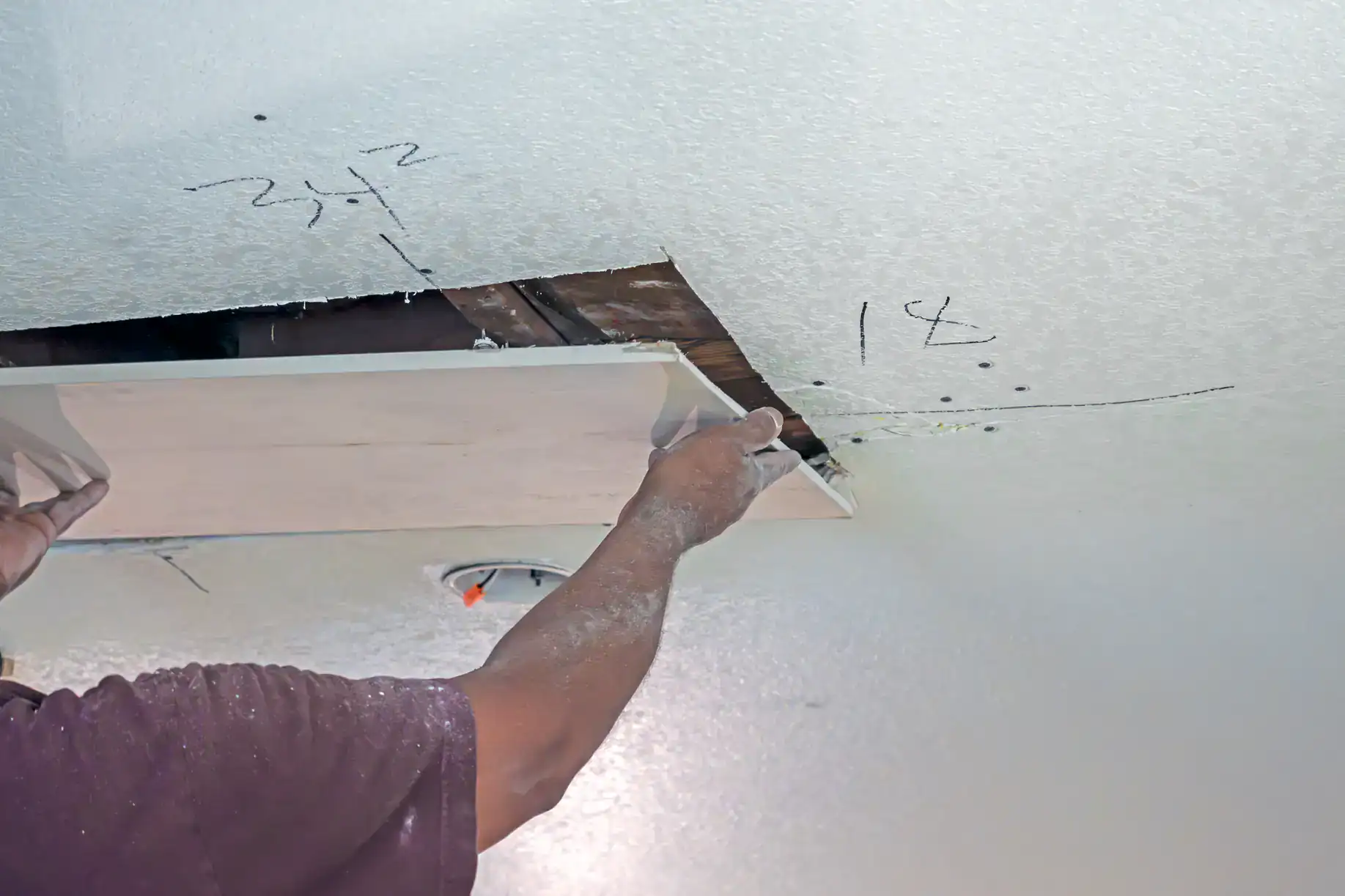
Pennsylvania building codes have specific requirements for moisture-prone areas, and basement finishing projects need to comply with these standards. Many local jurisdictions require moisture-resistant drywall in utility areas, bathrooms, and spaces below grade.
Ignoring these requirements can cause problems during inspections, potentially delaying your project and requiring expensive corrections. Working with us means you get contractors who understand Churchville’s specific code requirements and ensure your project passes inspection the first time.
The codes exist for good reason—they’re based on decades of experience with what works in our climate and soil conditions. Following these guidelines isn’t just about passing inspection; it’s about protecting your investment and ensuring your finished basement performs well over time.
Fire-rated drywall may also be required in certain areas, particularly around furnaces, water heaters, or other mechanical equipment. Some moisture-resistant products also carry fire ratings, allowing you to meet multiple code requirements with a single material choice.
We’re familiar with local permit requirements and inspection procedures. We can guide you through the process and ensure all materials and installation methods meet current standards. This professional knowledge is valuable—it prevents delays and ensures your project is built to last.
Don’t try to cut corners on code compliance. The requirements are there to protect you, and the modest additional cost of proper materials is nothing compared to the expense and hassle of having to redo work that doesn’t meet standards.
Moisture-resistant drywall installation requires specific techniques to ensure optimal performance. While the materials themselves provide protection, improper installation can compromise their effectiveness and create problems that don’t show up until later.
We understand how to handle these specialized materials. We know the right fastener spacing, proper joint treatment, and finishing techniques that maximize moisture resistance. We also understand how to integrate vapor barriers, insulation, and other moisture management systems that work together to keep your basement dry.
The installation process involves more than just hanging panels. Proper moisture management requires attention to air sealing, vapor barrier placement, and integration with mechanical systems. We know how these systems work together and can identify potential problem areas before they become issues.
DIY installation might seem like a cost-saving opportunity, but mistakes can be expensive. Improper joint treatment, inadequate air sealing, or incorrect moisture barrier installation can undermine the performance of even the best materials. Given the importance of moisture control in basements, professional installation is often worth the investment.
We also provide warranties on our work, giving you recourse if problems develop. We carry insurance and understand liability issues related to moisture and mold problems. This protection is valuable when dealing with below-grade spaces where moisture issues can have serious consequences.
The time factor also matters. Our professional crews can complete installation quickly and efficiently, getting your project finished and allowing you to enjoy your new space sooner. We have the tools, experience, and workforce to handle the job properly without the learning curve and potential mistakes that come with DIY approaches.
Your basement finishing project is an investment in your home’s value and your family’s comfort. Choosing the right moisture-resistant drywall ensures that investment pays off for years to come, rather than turning into an expensive problem that needs constant attention.
Green board offers reliable protection for most basement applications at a reasonable cost. Paperless drywall provides maximum protection for challenging conditions or areas with moisture history. Both options far outperform standard drywall in basement environments and comply with local building codes.
The key is matching the material to your specific situation and working with contractors who understand local conditions. We have the experience and expertise to guide you through these decisions and ensure your basement finishing project delivers the results you want.
Summary:
Get in Touch with Sharpe Drywall
Share: