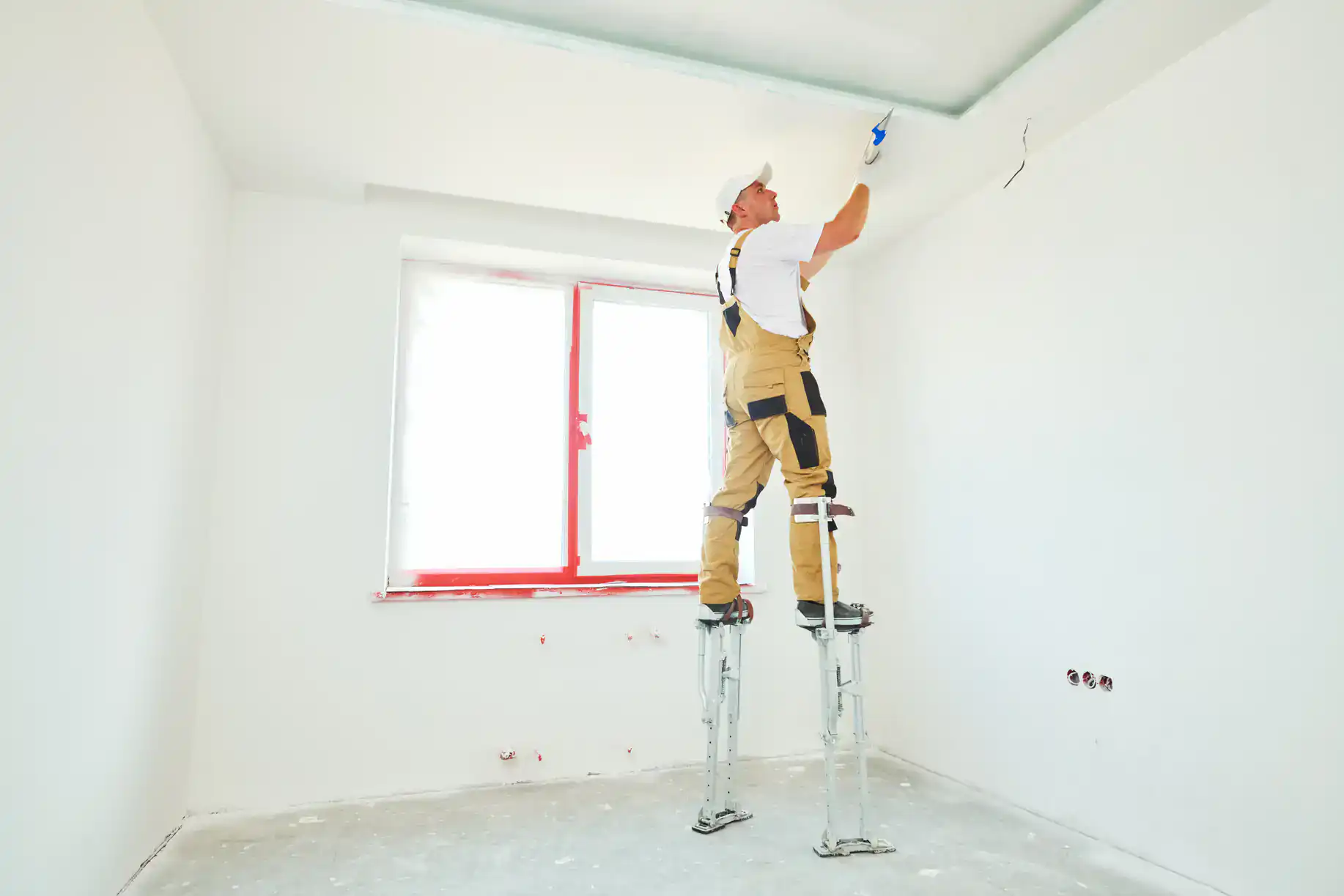
When a main line fails, your walls absorb more water than air-drying can handle. Here's what actually needs to happen next.
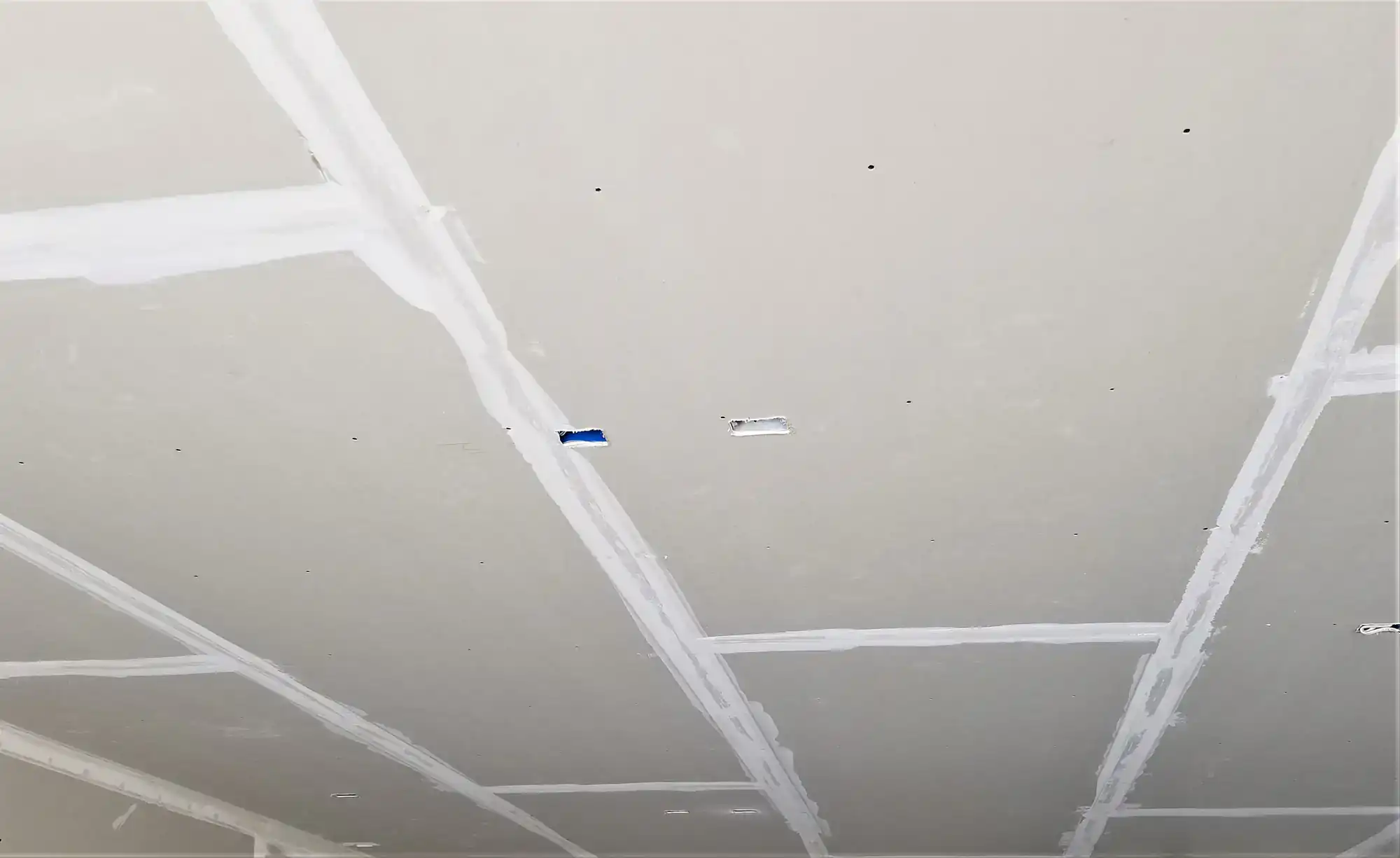
Drywall isn’t built to handle water. It’s made of gypsum sandwiched between paper, and both materials absorb moisture fast. When a main line fails—whether it’s a burst pipe, a slow leak behind the wall, or a ceiling drip from an upper floor—that water doesn’t just sit on the surface. It soaks in.
The paper facing swells. The gypsum core softens. And if there’s insulation behind it, that holds moisture even longer. Within hours, you’re not just dealing with a wet wall. You’re dealing with a breeding ground.
The real issue isn’t the water you see. It’s what’s happening inside the wall cavity. Trapped moisture. No airflow. Warm, dark conditions. That’s where mold starts.
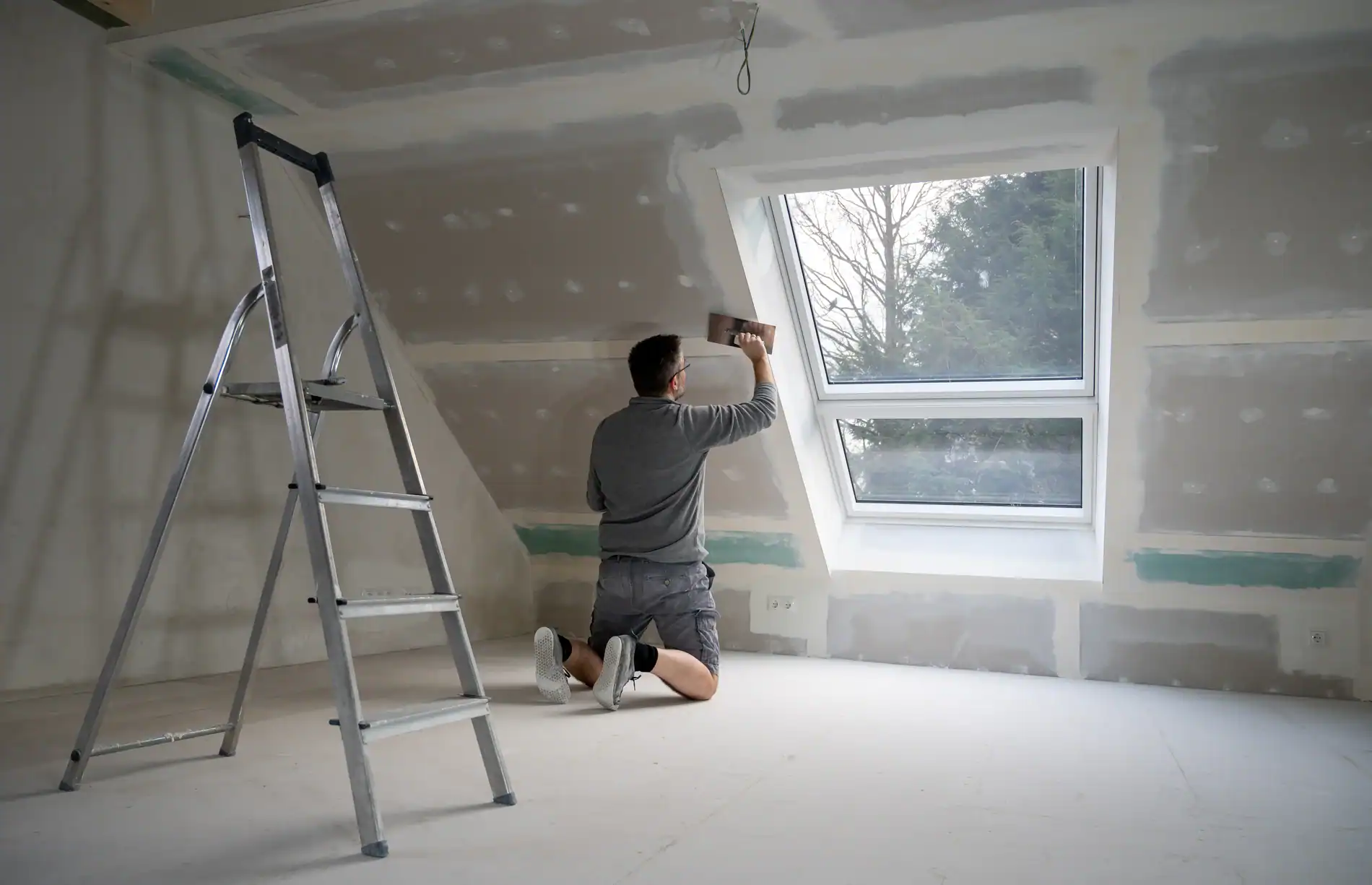
A lot of homeowners assume that once the leak is fixed, the drywall will dry on its own. And sometimes it does—if the water exposure was minimal and you catch it fast. But after a main line leak, you’re usually dealing with more than surface moisture.
Here’s what most people don’t realize: drywall can look dry on the outside while still holding water inside. The paper may feel fine. The paint might not be bubbling. But behind that surface, the gypsum is still damp, and the insulation is soaked through.
Even if you run fans and dehumidifiers for days, you can’t always get deep moisture out fast enough. Mold spores can start growing in as little as 24 to 48 hours. By the time you notice a musty smell or see discoloration, the problem is already established.
That’s not to say every wet wall needs to be torn out immediately. But it does mean you need to know what you’re working with. A moisture meter can tell you if the drywall is actually dry or just feels that way. And if the reading is still high after a few days of drying, that’s your answer. The material isn’t recovering. It needs to be replaced.
There’s also the issue of what the water brought with it. Clean water from a supply line is one thing. But if the leak involved wastewater, or if the water sat long enough to pick up contaminants, the drywall isn’t just wet—it’s compromised. In those cases, removal isn’t optional. It’s necessary for safety.
The bottom line is this: waiting and hoping rarely works out. If the drywall was soaked for more than a few hours, or if you’re past that 48-hour window, you’re better off replacing it than gambling on air circulation.
Not every water stain means you need new drywall. But there are clear signs that tell you the damage has gone too far. If you see any of these, repair isn’t going to cut it.
Sagging or bulging sections mean the gypsum core has absorbed so much water that it’s lost its structure. Even if it dries out, it won’t go back to being flat and solid. That’s a replacement.
Soft spots when you press on the wall are another giveaway. Drywall should be firm. If it feels spongy or gives under light pressure, the material has broken down. You can’t patch that.
Discoloration that doesn’t fade after drying—especially if it’s brown, yellow, or has dark spots—usually means mold has started. Surface cleaning won’t fix it if the growth is inside the wall. You need to cut it out.
Peeling or bubbling paint is a sign that moisture is still trapped beneath the surface. Paint acts as a barrier, but once water gets under it, the bond is broken. And if the paper facing on the drywall is peeling away from the gypsum, that’s structural damage. It’s not coming back.
A musty odor is one of the clearest indicators. If the smell lingers even after everything looks dry, there’s moisture—and likely mold—somewhere you can’t see. That usually means inside the wall cavity or behind the drywall itself.
Finally, if the leak affected insulation, that’s a separate issue. Wet insulation doesn’t dry well, and it can hold moisture against the drywall for weeks. Even if the wall surface seems okay, the hidden dampness will eventually cause problems. In most cases, both the insulation and the drywall need to go.
The key is not to wait until the damage is obvious. If you’re questioning whether the drywall is salvageable, it probably isn’t. And the longer you leave compromised material in place, the more expensive the fix becomes.
Want live answers?
Connect with a Sharpe Drywall expert for fast, friendly support.
Once you’ve removed the damaged drywall, the next question is what to put back. And if you just experienced a main line leak, standard drywall might not be the smartest choice. Moisture-resistant boards are designed for exactly this situation—areas where water exposure is a real risk.
These boards aren’t waterproof, but they’re built to handle humidity and occasional wetness better than regular drywall. The core is treated to resist moisture absorption, and the facing is either coated or made from fiberglass instead of paper. That makes them far less appealing to mold.
If your leak happened in a bathroom, basement, laundry room, or anywhere near plumbing, moisture-resistant drywall is worth the upgrade. It costs more upfront, but it gives you a buffer against future problems. And in older Philadelphia homes—where plumbing issues aren’t exactly rare—that extra protection makes sense.
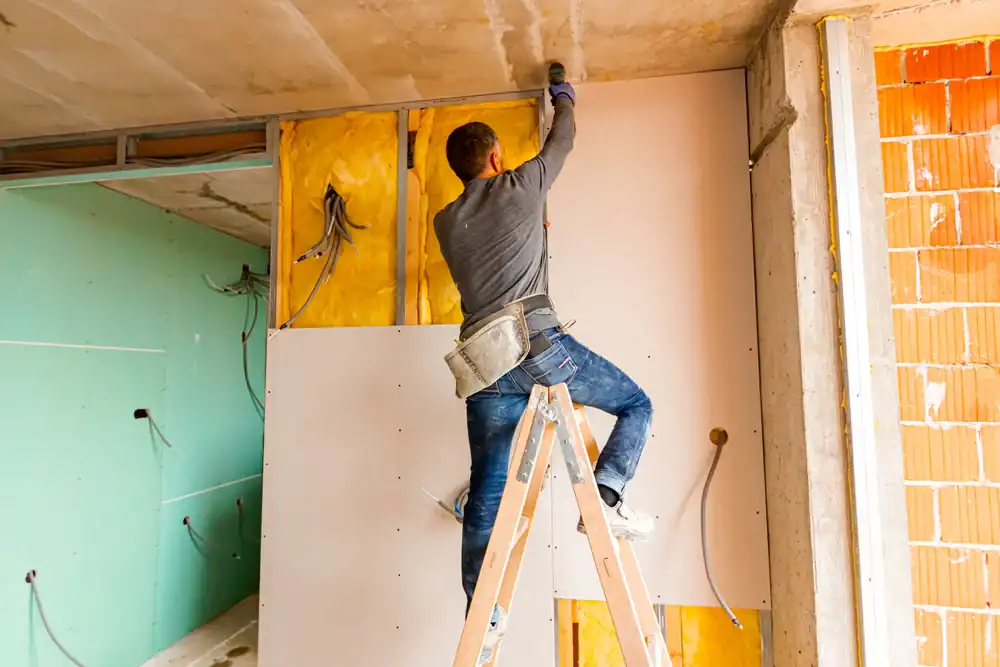
There are a few types of moisture-resistant drywall, and they’re not all the same. The two most common are green board and purple board. Both are better than standard drywall in damp conditions, but they’re designed for different levels of exposure.
Green board has a water-resistant coating over the paper facing. It’s good for areas with high humidity—like behind a bathroom vanity or in a basement—but it’s not meant for direct water contact. If you’re tiling a shower surround, green board isn’t the right choice. It’ll hold up better than regular drywall, but it’s not designed to handle constant moisture.
Purple board goes a step further. It’s both moisture-resistant and mold-resistant, and it’s tougher overall. The core is treated to resist water absorption, and the facing is engineered to resist mold growth. It’s a better option for areas that see a lot of steam or occasional splashing—like bathroom ceilings or walls near a tub. Some versions are also more resistant to dents and scuffs, which makes them useful in high-traffic areas.
The cost difference between green and purple board isn’t huge—usually 20 to 30 percent more than standard drywall. But if you’re already replacing drywall after a leak, it’s worth spending a little extra to avoid doing it again in a few years.
One thing to keep in mind: moisture-resistant drywall still needs to be installed correctly. Seams need to be sealed properly, and any areas that will see direct water—like inside a shower—need a waterproof membrane or cement board, not just moisture-resistant drywall. These boards are a smart upgrade, but they’re not a substitute for proper waterproofing.
If you’re in an older home with aging plumbing, moisture-resistant drywall is one of those small investments that pays off over time. It won’t prevent every problem, but it gives you a better chance of catching issues before they turn into full-scale water damage.
Even if you’re planning to replace the drywall, you still need to dry out the space first. Mold doesn’t wait for you to finish demo. If there’s moisture in the air or trapped in surrounding materials, it’ll start growing while you’re figuring out your next move.
The first step is getting air moving. Fans help, but they’re not enough on their own. You need to pull moisture out of the air, not just push it around. That’s where a dehumidifier comes in. Run it continuously in the affected area until humidity levels drop below 50 percent. You can check this with a basic hygrometer—they’re cheap and worth having on hand.
If the leak soaked insulation, flooring, or anything else porous, those materials need to dry too. And if they can’t dry within 48 hours, they probably need to be removed. Wet insulation doesn’t bounce back, and damp carpet or padding will hold moisture against the subfloor for weeks.
Keep the area ventilated. Open windows if the weather allows, but be mindful of outdoor humidity. If it’s muggy outside, you’re just bringing more moisture in. In that case, keep the space closed and rely on the dehumidifier.
Avoid covering or sealing wet areas with plastic or tarps. That traps moisture and creates the perfect environment for mold. If you’re worried about dust or debris, use breathable coverings or just leave the area open until it’s fully dry.
Check moisture levels with a meter before you start any repairs. Just because something looks dry doesn’t mean it is. Drywall, wood framing, and insulation can all hold hidden moisture. If the readings are still high, give it more time. Rushing into repairs before everything is dry will just lock the problem in.
Finally, if you’re dealing with a large affected area or if the water came from a contaminated source, it’s worth bringing in a professional. Water damage restoration companies have industrial-grade equipment and the experience to know what can be saved and what needs to go. It’s not always necessary, but it’s the safest option when you’re not sure.
A main line water leak is stressful enough without second-guessing every decision that comes after. But the choices you make in those first 48 hours—whether to wait, what to replace, and what materials to use—determine whether you’re dealing with a one-time fix or a recurring problem.
Drywall that’s been soaked doesn’t always show its damage right away. Mold grows in places you can’t see. Moisture lingers longer than you think. And cutting corners on materials or installation just sets you up for the same issue down the road.
If you’re in Philadelphia, PA, and you’re staring at water-damaged walls after a plumbing failure, you don’t have to figure this out on your own. We handle these situations every day—assessing what can stay, removing what can’t, and replacing it with materials that are built to last. No guesswork. No surprises. Just walls that look like the leak never happened.
Summary:
Get in Touch with Sharpe Drywall
Share: