Professional drywall texture matching that makes repairs completely invisible - completed same day with zero mess left behind.
Most texture matching attempts fail because people treat it like regular patching. You can’t just slap some compound on the wall and hope it blends. The texture was created with specific tools, techniques, and timing that have to be replicated exactly.
Your existing texture has age, multiple paint layers, and environmental factors that affect how new material will look against it. Without understanding these variables, even experienced handymen end up with patches that announce themselves from across the room.
The biggest mistake is thinking texture matching is about the final coat. It actually starts with how you prepare the repair area and build up the base layers.
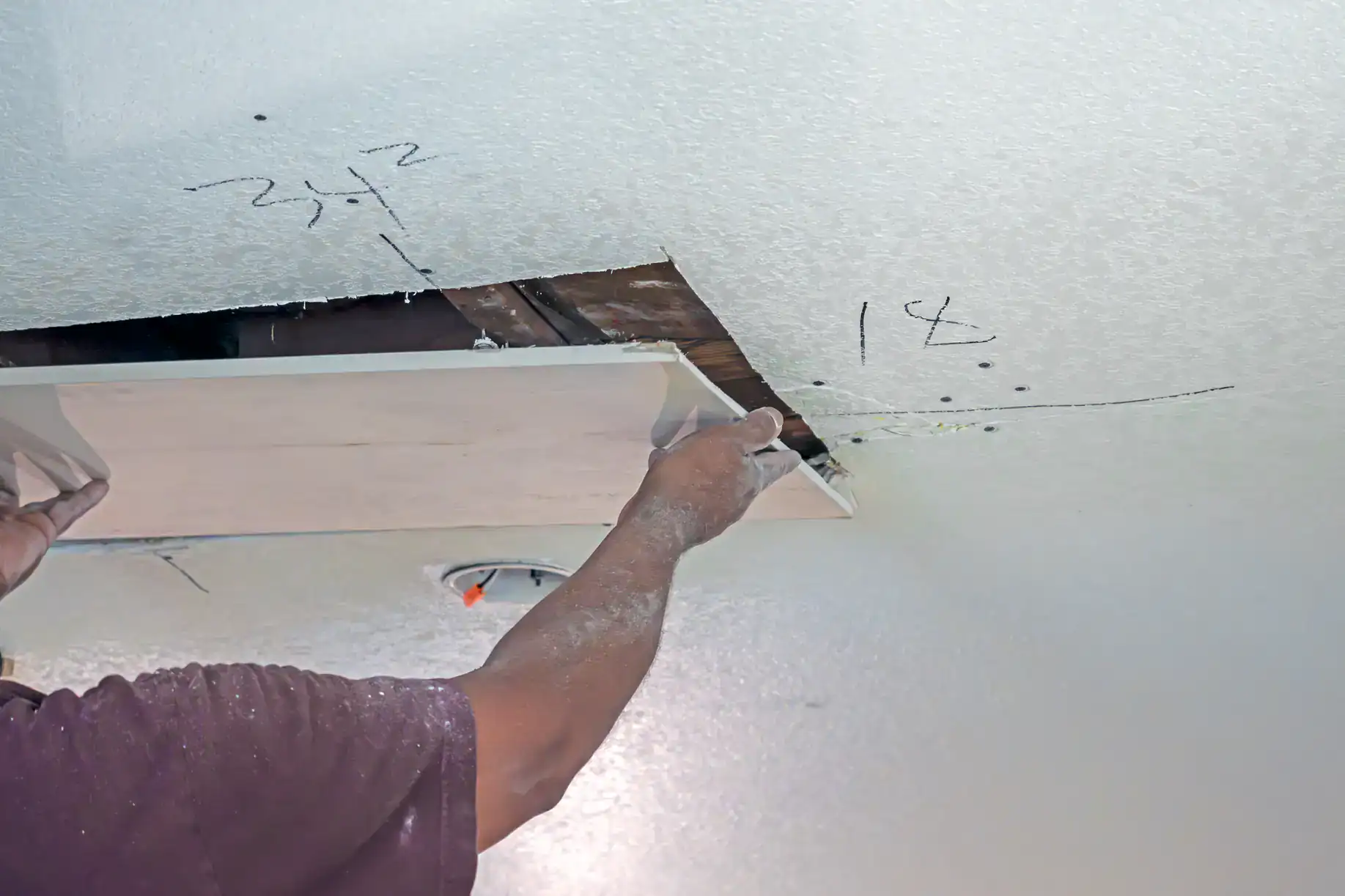
Popcorn texture isn’t just sprayed randomly onto ceilings. The original application used specific spray guns, air pressure settings, and material consistency that created that distinctive bumpy pattern. When you’re matching it, you need to understand the density, droplet size, and coverage pattern of the original work.
The tricky part with popcorn texture is that it’s been painted multiple times over the years. Those paint layers change how new texture adheres and how it looks once it dries. You can’t just buy a can of texture spray and expect it to match 30-year-old popcorn that’s been painted six times.
Professional matching starts with analyzing the existing texture under different lighting conditions. We look at the size and distribution of the bumps, how they catch light, and what the underlying surface preparation looks like. Then we adjust our spray pattern, air pressure, and material consistency to recreate those exact characteristics.
The timing matters too. Popcorn texture has to be applied at the right humidity and temperature, and you only get one shot at it. Once it starts setting up, you can’t go back and adjust it without starting over completely.
Many Churchville, PA homes built in the 1960s and 1970s have original popcorn ceilings that require specialized knowledge to match properly. The texture compounds and application methods from that era were different from modern materials, making professional expertise essential for invisible repairs.
Knockdown and orange peel textures look similar to untrained eyes, but they require completely different application techniques. Orange peel is created by adjusting spray gun settings to produce fine, consistent droplets that create that dimpled surface. Knockdown starts as a heavier spray texture that gets partially flattened with a drywall knife.
The challenge with knockdown texture is in the timing and pressure of the knockdown process. Wait too long and the texture gets too hard to flatten properly. Go too early and you’ll smear it into a mess. The original texture on your walls was created by someone who knew exactly when and how hard to drag that knife across the surface.
Orange peel matching is all about spray consistency and coverage. The droplet size, spray distance, and overlap pattern all affect the final appearance. Most DIY attempts fail because they can’t maintain consistent spray pressure and distance, creating areas that are too heavy or too light.
Both textures are affected by the underlying surface preparation. If your base coat isn’t smooth and properly primed, the texture won’t lay down the same way as the original. This is why professional repairs start with proper surface prep, not just the texture application.
Temperature and humidity affect how these textures set up and cure. What works in your garage on a Saturday afternoon might not work the same way on your living room wall on a different day. We understand these variables and adjust our techniques accordingly.
In Bucks County’s climate, seasonal humidity changes can significantly impact texture application and curing times, making local experience crucial for consistent results.
Want live answers?
Connect with a Sharpe Drywall expert for fast, friendly support.
Professional texture matching starts long before any material hits your wall. We analyze your existing texture under different lighting conditions, take measurements, and sometimes even create test samples on scrap material to get the technique dialed in perfectly.
The prep work matters more than most people realize. The repair area has to be built up to exactly the right level, with the right surface texture, before any finish texture gets applied. This foundation work determines whether your repair will be invisible or obvious.
We have specialized tools and materials that aren’t available at the home improvement store. Different spray tips, specific compound formulations, and techniques developed over years of practice make the difference between amateur patches and invisible repairs.
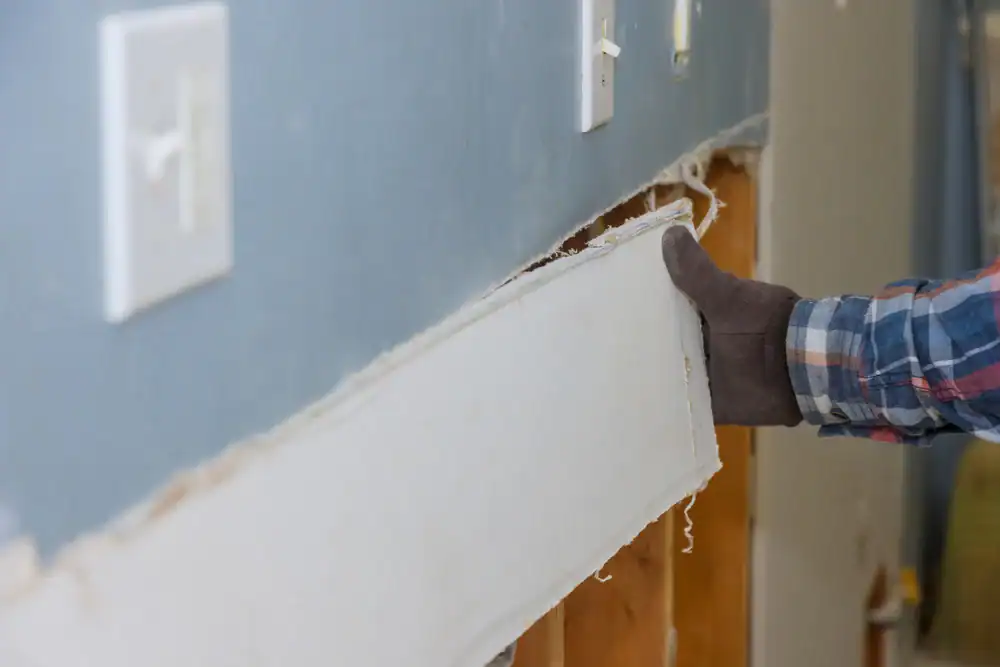
Professional texture matching requires tools most homeowners don’t own and materials they can’t buy at retail stores. Spray guns need specific tips and pressure regulators to recreate original texture patterns. The compounds we use are mixed to exact consistencies based on the specific texture type and environmental conditions.
For popcorn ceilings, we use commercial-grade spray equipment that can maintain consistent pressure and droplet size across large areas. The texture material itself is often custom-mixed to match the density and composition of older installations. Retail spray cans don’t give you the control needed for seamless matching.
Knockdown texture requires specialized drywall knives with specific flexibility and edge profiles. The pressure and angle of the knockdown pass has to be consistent across the entire repair area. We’ve developed our own techniques for holding and moving these tools to get repeatable results.
Orange peel matching depends on spray gun settings that can be adjusted and repeated precisely. Air pressure, material flow rate, and spray pattern width all need to be dialed in for each specific job. Professional equipment lets us make these adjustments and document the settings for consistent results.
The base materials matter just as much as the application tools. Professional-grade primers and base coats are formulated to accept texture applications properly. They provide the right surface adhesion and porosity for texture materials to bond and cure correctly.
Working in established neighborhoods like Churchville, PA means dealing with textures from different eras and installation methods. Our tool selection and material inventory reflects this diversity, ensuring we can match any texture type found in the area.
Texture matching isn’t just about technique – environmental conditions control how materials behave and cure. Temperature, humidity, and air circulation all affect how texture materials set up and what the final appearance will be. We understand these variables and plan our work accordingly.
High humidity slows curing times and can cause texture materials to sag or run before they set up properly. Low humidity makes materials skin over too quickly, preventing proper adhesion and creating weak spots that will fail over time. We monitor these conditions and adjust our techniques and timing to work with the environment, not against it.
Air circulation affects how evenly texture materials cure across a repair area. Dead air pockets can cause uneven drying that shows up as color or texture variations once the wall is painted. Our work includes managing airflow and ventilation during the application and curing process.
Temperature swings during the curing process can cause texture materials to crack or pull away from the base surface. This is especially problematic with thicker textures like knockdown or heavy orange peel. We schedule our work to avoid temperature extremes and use techniques that accommodate normal thermal expansion and contraction.
The interaction between your existing painted surface and new texture materials changes with environmental conditions. What works perfectly in moderate conditions might fail completely in extreme heat, cold, or humidity. We have experience working in all conditions and know how to adjust our approach for consistent results.
Pennsylvania’s seasonal weather patterns create unique challenges for texture matching work, requiring contractors who understand how local climate conditions affect material performance and curing times.
Perfect texture matching isn’t about having the right tools or materials – it’s about understanding how all the variables work together to create invisible repairs. The surface preparation, environmental conditions, application technique, and curing process all have to be coordinated precisely.
Most homeowners and even experienced handymen underestimate what goes into seamless texture matching. The techniques look simple, but the execution requires experience with dozens of different texture types and hundreds of repair situations.
When you need texture matching that actually works in Churchville, PA, you need contractors who specialize in this specific skill. We have the experience, tools, and techniques to make your repairs disappear completely, protecting your home’s appearance and value in this competitive housing market.
Summary:
Get in Touch with Sharpe Drywall
Share: