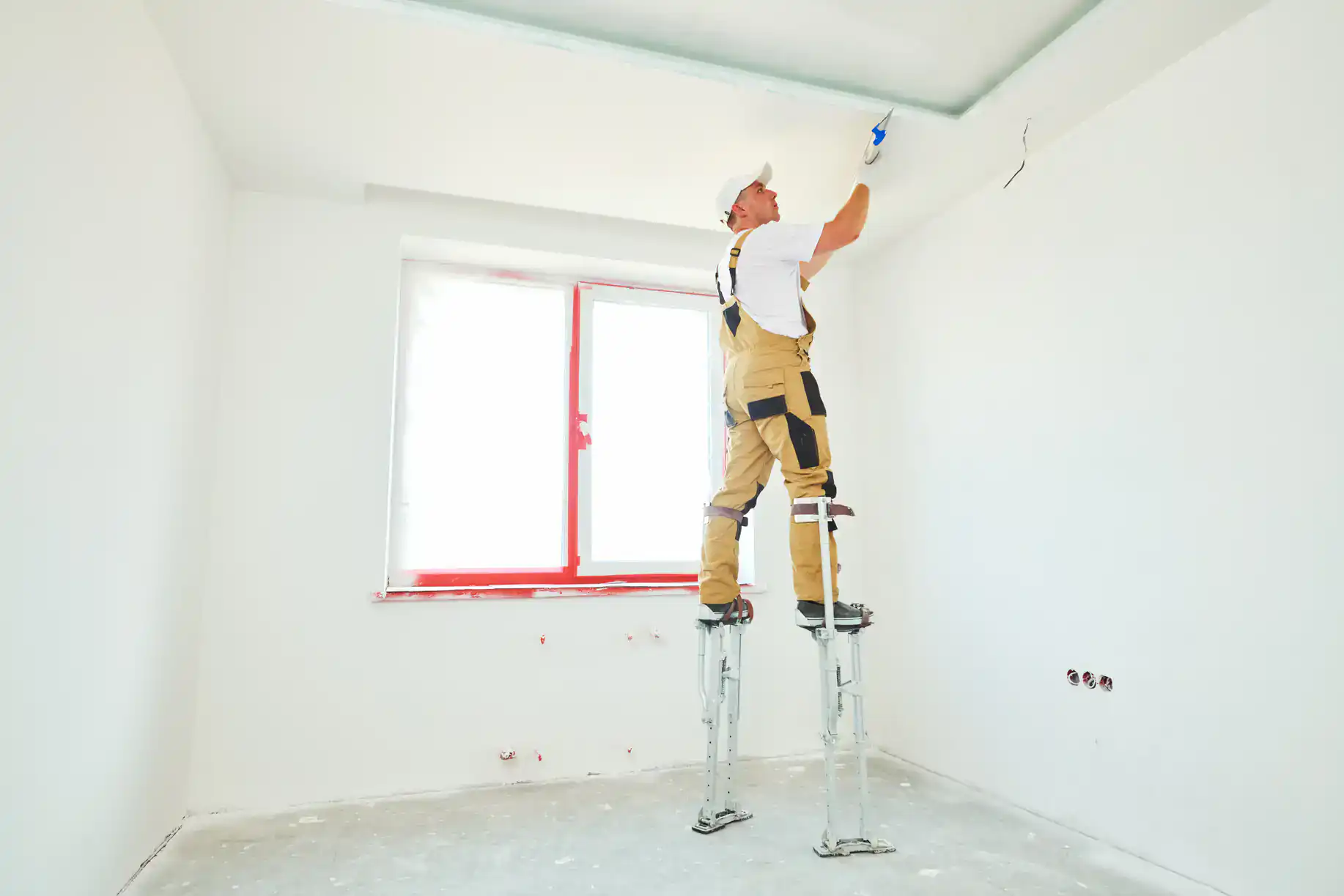
Permanent drywall repair solutions for Churchville homeowners tired of recurring nail pops and stress cracks that keep coming back.
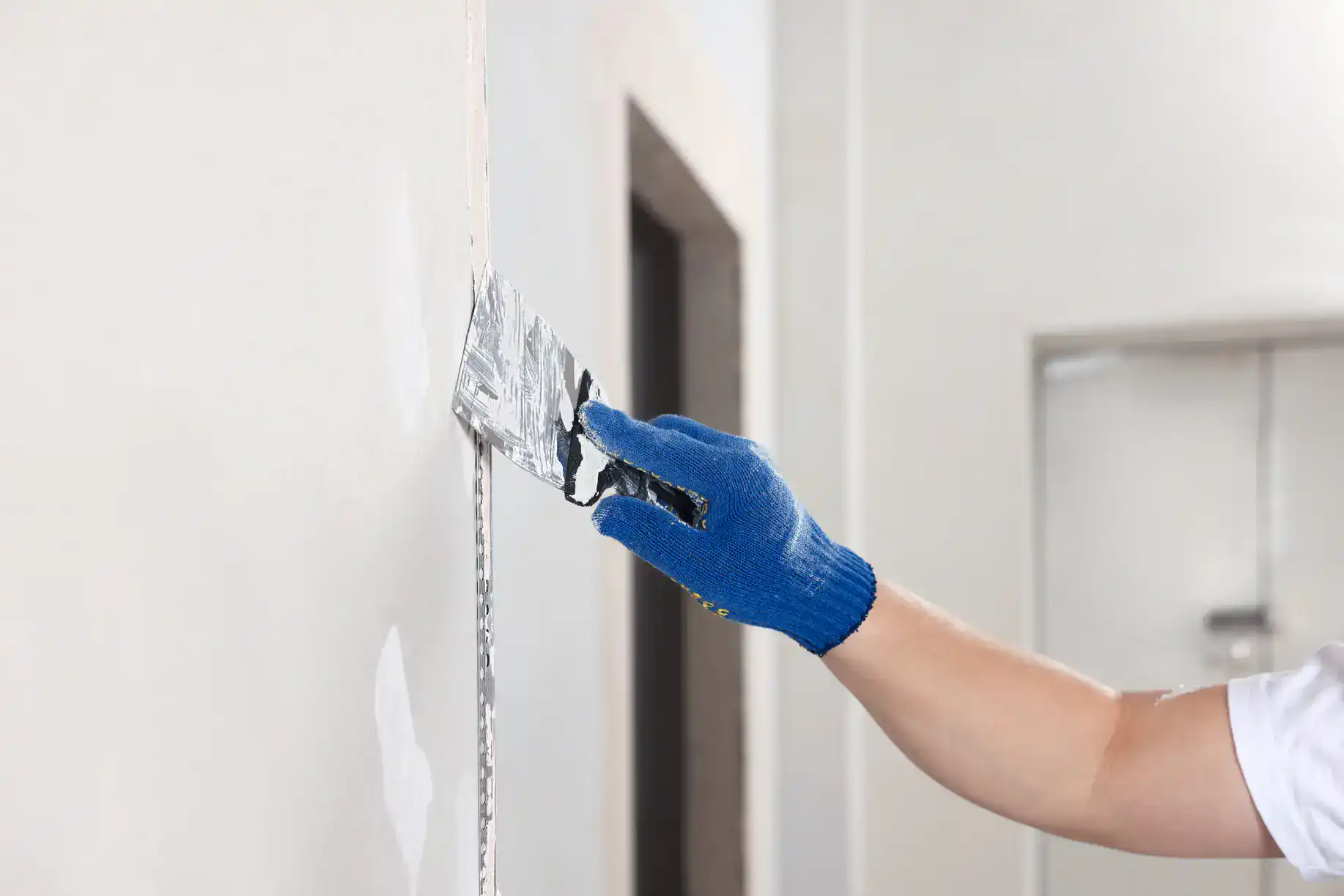
Hammering a nail pop back in and painting over it will not last. The same goes for simply spackling over stress cracks and calling it done. These quick fixes ignore the underlying movement that caused the problem in the first place.
Most recurring drywall damage in Churchville stems from natural house settling combined with Pennsylvania’s seasonal climate changes. Your home’s wood framing expands and contracts with humidity and temperature fluctuations, putting stress on drywall fasteners and seams.
A drywall crack will keep coming back until you address the root cause of the underlying foundation damage, whether it’s normal settling or more significant structural movement.
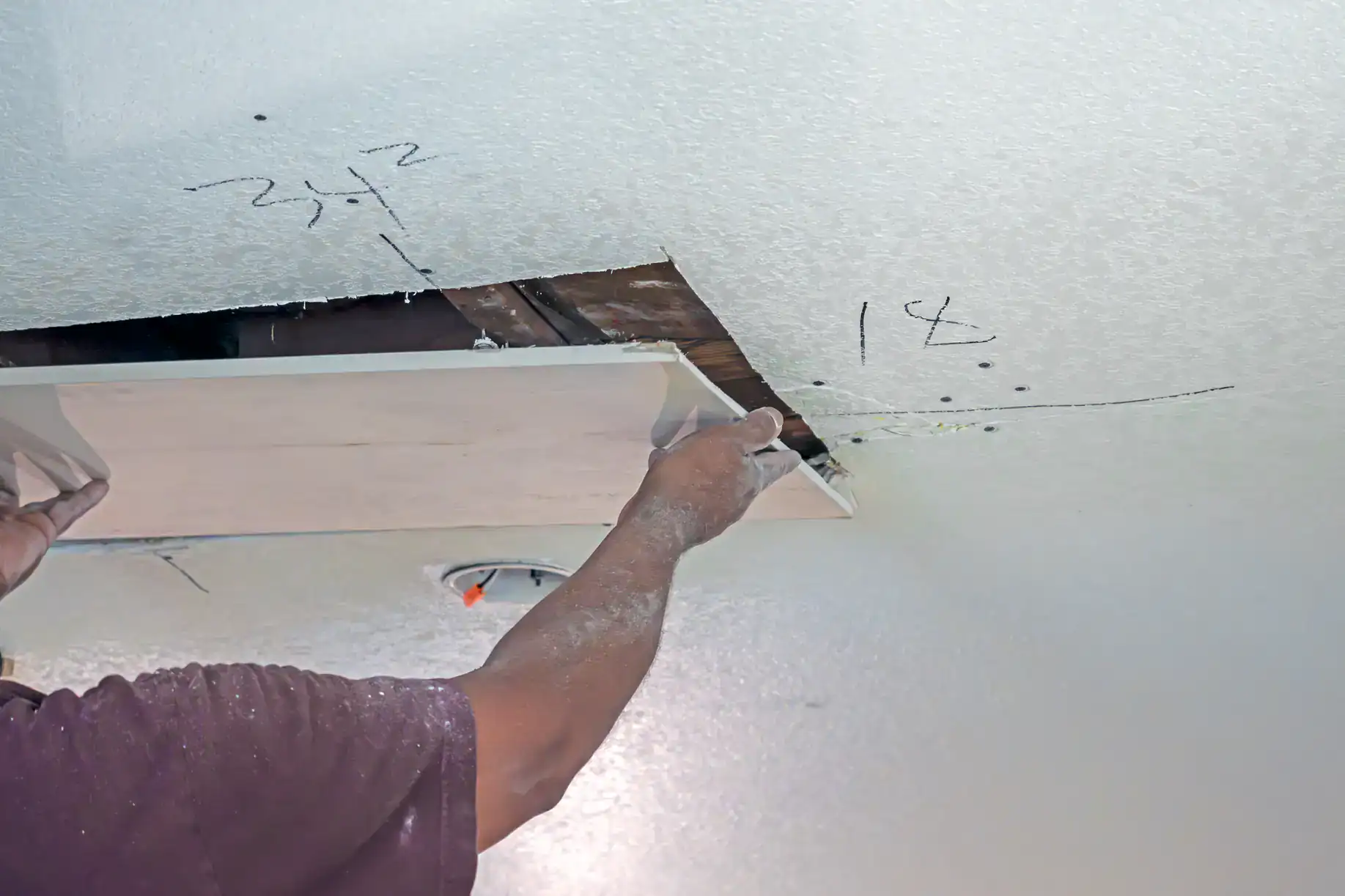
Most nail pops are caused by seasonal expansion and contraction of the wood framing behind the drywall. In humid summer months, the framing swells, while in drier winter months the wood contracts. This repeated movement gradually loosens nails or screws, causing them to push outward.
Pennsylvania’s climate creates the perfect conditions for this cycle. Summer humidity causes wood to absorb moisture and expand, while winter heating systems dry out the air and cause wood to contract. This constant movement stresses the connection between your drywall and the framing.
The most frequent cause of nail pops is the natural movement of the wood framing members behind the drywall. Lumber used in construction, especially in newer homes, often contains a higher moisture content than the environment it settles into. As the wood studs and joists dry out over time, they shrink and contract, which is a process known as seasoning.
The problem compounds over time. Each heating and cooling season puts your drywall fasteners through another stress cycle. Eventually, even properly installed nails and screws can work loose. That’s why the same spots keep popping—the underlying movement never stops.
Understanding this cycle is crucial because it explains why surface repairs fail. You’re not fixing the loose connection between drywall and framing; you’re just covering up the symptom. The wood will keep moving, and the fastener will keep working loose until you secure the drywall properly.
Pennsylvania homes commonly experience hairline cracks caused by normal house settling or minor fluctuations in temperature and humidity, though they do not require immediate attention. However, understanding the difference between normal settling cracks and signs of more serious issues is important for Churchville homeowners.
Cracks in drywall throughout the house are reliable indicators of foundation settlement, with cracks often larger and more obvious in the home’s upper levels, typically located at the corners of doors and windows and along drywall seams. These patterns tell a story about how your home is moving.
Normal settling creates predictable crack patterns. You’ll see hairline cracks above doors and windows where the structure naturally flexes. Hairline cracks are the most common cracks found in drywall, and they are often found above doors and windows. During the construction of a home, builders place wall studs to support the drywall. In order to insert doors and windows, some of these studs have to be cut. This means that the areas above doors and windows are often weaker than other parts of the wall. When the home shifts, these weak sections will crack first, typically in very thin hairline fashion.
Pennsylvania’s soil conditions contribute to settling patterns. Clay-rich soils common in the region expand when wet and contract when dry, creating movement beneath your foundation. This movement transfers through your home’s structure and shows up as cracks in your drywall.
The key is recognizing when cracks indicate normal settling versus more serious foundation issues. Large, wide cracks can indicate a serious problem, including structural defects, foundation shifting, and significant settling of the home or the soil underneath. Professional assessment helps determine whether you’re dealing with cosmetic issues or structural concerns that need addressing before drywall repair.
Want live answers?
Connect with a Sharpe Drywall expert for fast, friendly support.
True permanent repairs address both the symptom and the cause. Instead of just covering the damage, professional repair techniques secure the drywall properly and prevent future movement from causing the same problems.
For a permanent fix, we drive two drywall screws into the stud, one above and one below the pop. We cover with joint compound, sand smooth, prime, and repaint for a seamless finish. This technique redistributes stress and prevents the same fastener from popping again.
The difference between temporary patches and permanent solutions comes down to understanding structural movement and using proper materials and techniques to accommodate it.
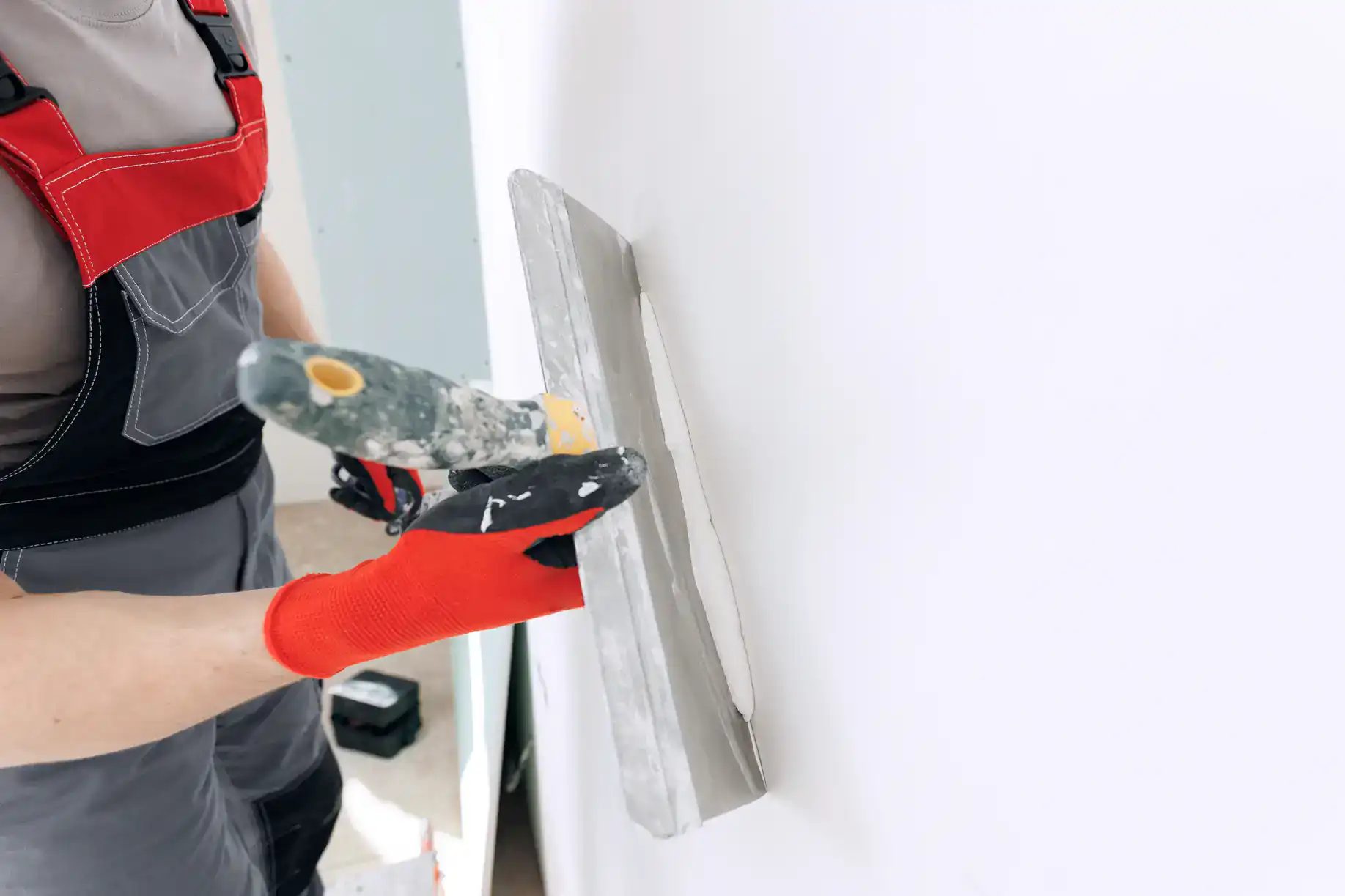
The first step in a permanent repair is securing the loose section of drywall to the framing by installing new fasteners. We use a power drill to drive a new 1-1/4-inch drywall screw approximately 1.5 inches above or below the existing popped fastener. The new screw must penetrate the wood stud behind the drywall, and the head should be driven slightly below the surface, creating a shallow dimple without tearing the paper. We repeat this process by driving a second new screw on the opposite side of the original pop, ensuring both new screws are firmly set into the stud. This action effectively clamps the drywall panel securely to the stud, taking the stress off the old, compromised fastener.
The old fastener gets dealt with properly—either removed completely or driven deeper so it won’t cause future problems. Once the drywall is re-secured, we address the old fastener by either pulling out the nail with a utility knife or pry bar, or driving the old screw slightly deeper so its head is recessed.
Professional finishing makes the repair invisible. With the structural issue resolved, the cosmetic repair begins by applying the first coat of joint compound over the two new screw dimples and the remaining indentation from the original pop. We use a small drywall knife to press the compound firmly into the indentations, then scrape the excess compound flat with the wall surface. We allow this first coat to dry completely, which can take several hours depending on the compound type and humidity.
Multiple coats ensure durability. Each layer gets sanded smooth before the next application. The final step involves matching your wall’s existing texture and paint color so the repair blends seamlessly with the surrounding area.
This approach works because it addresses the mechanical failure that caused the nail pop while providing a cosmetically perfect finish. The new fasteners carry the load, preventing stress from building up at the repair site.
For best results, we use a flexible crack repair tape designed to prevent the crack from reappearing. However, successful stress crack repair goes beyond just using the right materials—it requires understanding why the crack formed and preventing future movement from reopening it.
Proper crack repair starts with assessment. Whether you have hairline cracks or large cracks in your drywall, any damage should be treated as a problem. The last thing you want is to see your home suffer because of a few overlooked cracks. Professional evaluation determines whether cracks indicate normal settling or more serious structural issues.
The repair process varies based on crack size and cause. Small hairline cracks get widened slightly with a utility knife to create a clean repair surface. For wall cracks, we widen the crack slightly with a utility knife, apply mesh tape, and cover with joint compound in layers. We sand between coats for a seamless finish. We prime and paint after drying to restore appearance and prevent recurrence.
Larger cracks may require more extensive repair. For cracks wider than 1/4 inch or those that keep recurring, you will probably need to take more extensive measures. Wide cracks or diagonal cracks could indicate structural issues. If you notice these types of cracks forming, contact us for an evaluation.
Environmental control helps prevent future cracking. We ensure the fastener is in a stud, use screws instead of nails, recommend keeping indoor humidity between 35–50%, and always prime the repair before painting to prevent recurrence. Maintaining consistent indoor humidity reduces the expansion and contraction cycles that stress your drywall.
The goal is creating repairs that move with your house rather than fighting against natural settling. Our professional techniques accommodate expected movement while providing the structural integrity needed to prevent recurring damage.
Recurring nail pops and stress cracks don’t have to be a fact of life in your Churchville home. Understanding the root causes—from seasonal wood movement to foundation settling—is the first step toward getting repairs that actually last.
Professional permanent solutions address both the structural issues and cosmetic damage. Proper fastening techniques, quality materials, and expert finishing create repairs that blend invisibly with your existing walls while preventing future problems.
When you’re ready to stop dealing with the same drywall issues year after year, we provide the permanent solutions Churchville homeowners need. Our experienced team understands Pennsylvania homes and the unique challenges they face, delivering repairs that truly solve the problem instead of just covering it up.
Summary:
Get in Touch with Sharpe Drywall
Share: