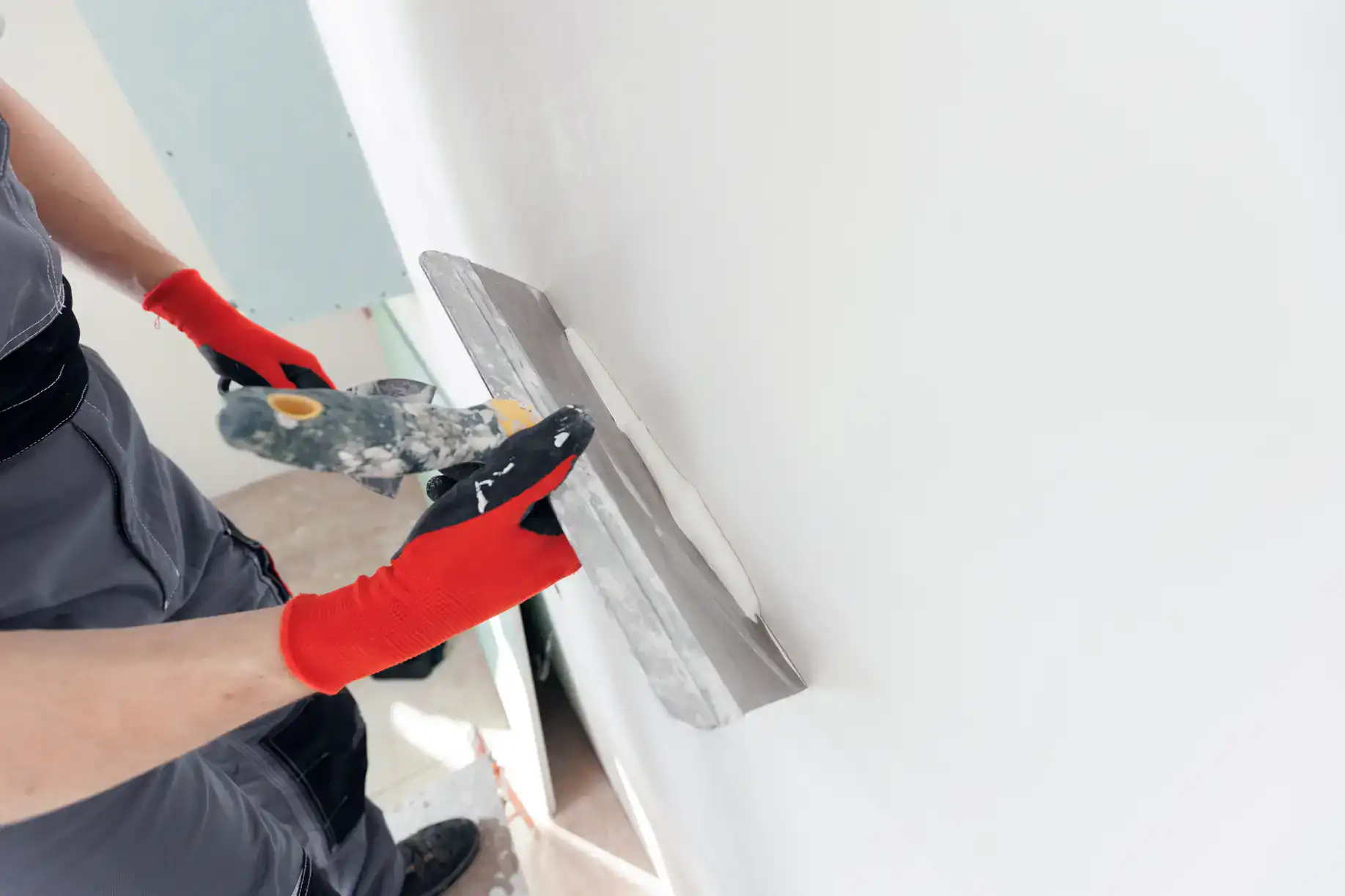
You’re not looking for a three-week project. You need that hole patched, that crack fixed, or that water-damaged ceiling repaired so you can move on with your life.
Most jobs get wrapped up in a single visit. That means we show up, assess the damage, make the repair, finish it smooth, and clean up completely before we leave. No dragging it out over multiple days. No leaving your furniture covered in dust for a week.
The work gets done right because we’re not rushing through it to get to the next job. We use the right materials for your specific situation—especially important in Overbrook Farms where homes built in the 1940s or earlier need flexible compounds that move with the house as it settles. Your quoted price stays exactly what we said it would be. And when we’re finished, you shouldn’t be able to tell where the repair was made once it’s painted.
Sharpe Drywall exists because too many homeowners in Montgomery and Bucks County were getting burned by contractors who left gaps you could stick coins through, missed deadlines, and treated cleanup like someone else’s problem.
We’ve spent over a decade working on ceiling repairs and restoration in older Philadelphia homes. That matters in Overbrook Farms, where 41.9% of homes were built before the 1940s. These aren’t cookie-cutter builds—they have plaster walls, calcimine, oil-based paint, and brick party walls that shift with Delaware Valley’s seasonal humidity. Most drywall installers don’t understand how to tie new materials into old construction without creating problems down the road.
You’re getting licensed and insured contractors who live in the communities we serve. Every job gets the same attention we’d give our own homes, because we know you’re not just fixing a wall—you’re maintaining a piece of Overbrook Farms’ historic character.
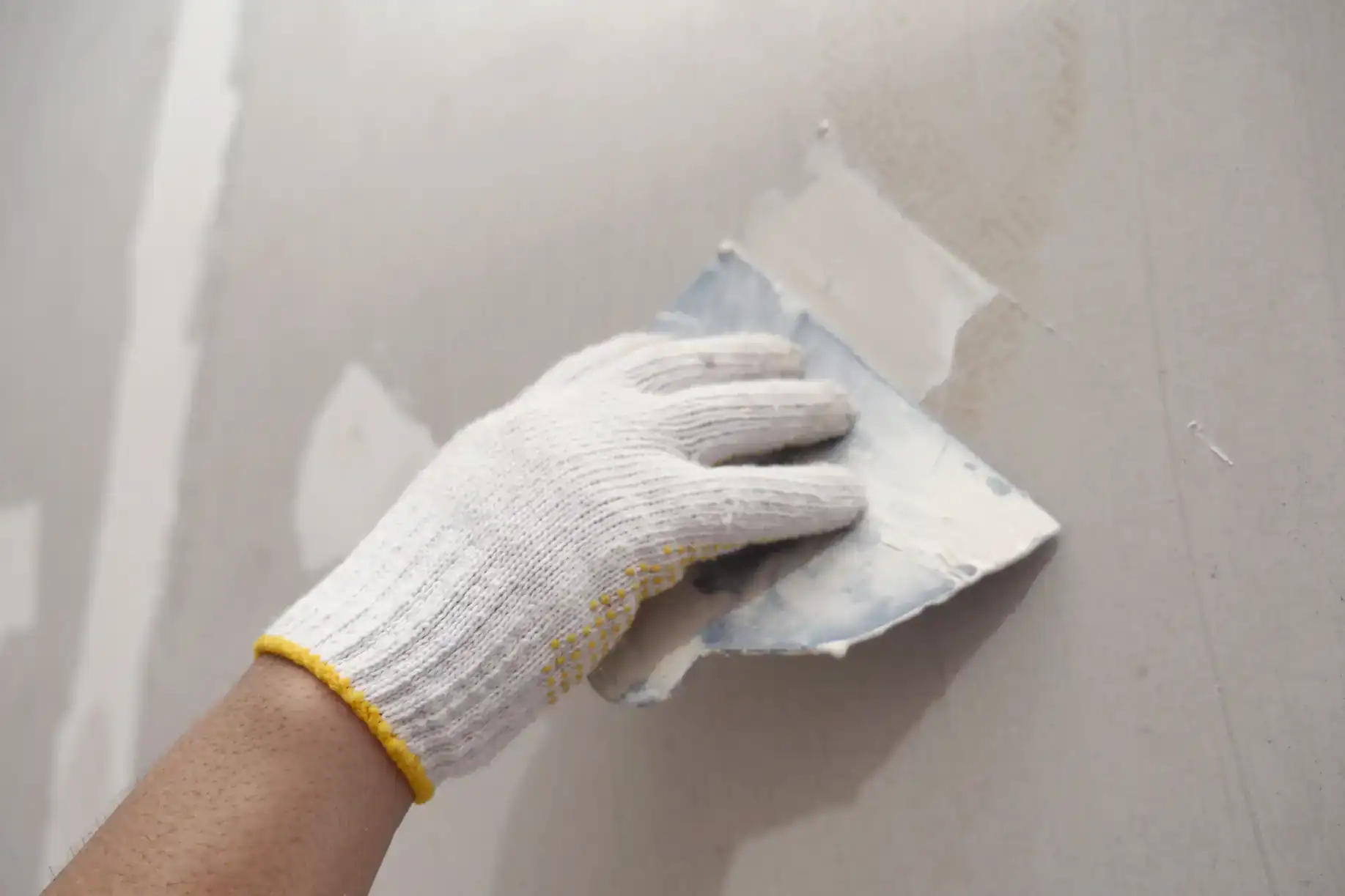
First, we assess the damage. Not just the visible hole or crack, but what caused it. Water damage means we’re checking for moisture and making sure the area is dry before we patch anything. Stress cracks mean we’re looking at how your house is settling and whether we need a more flexible repair compound.
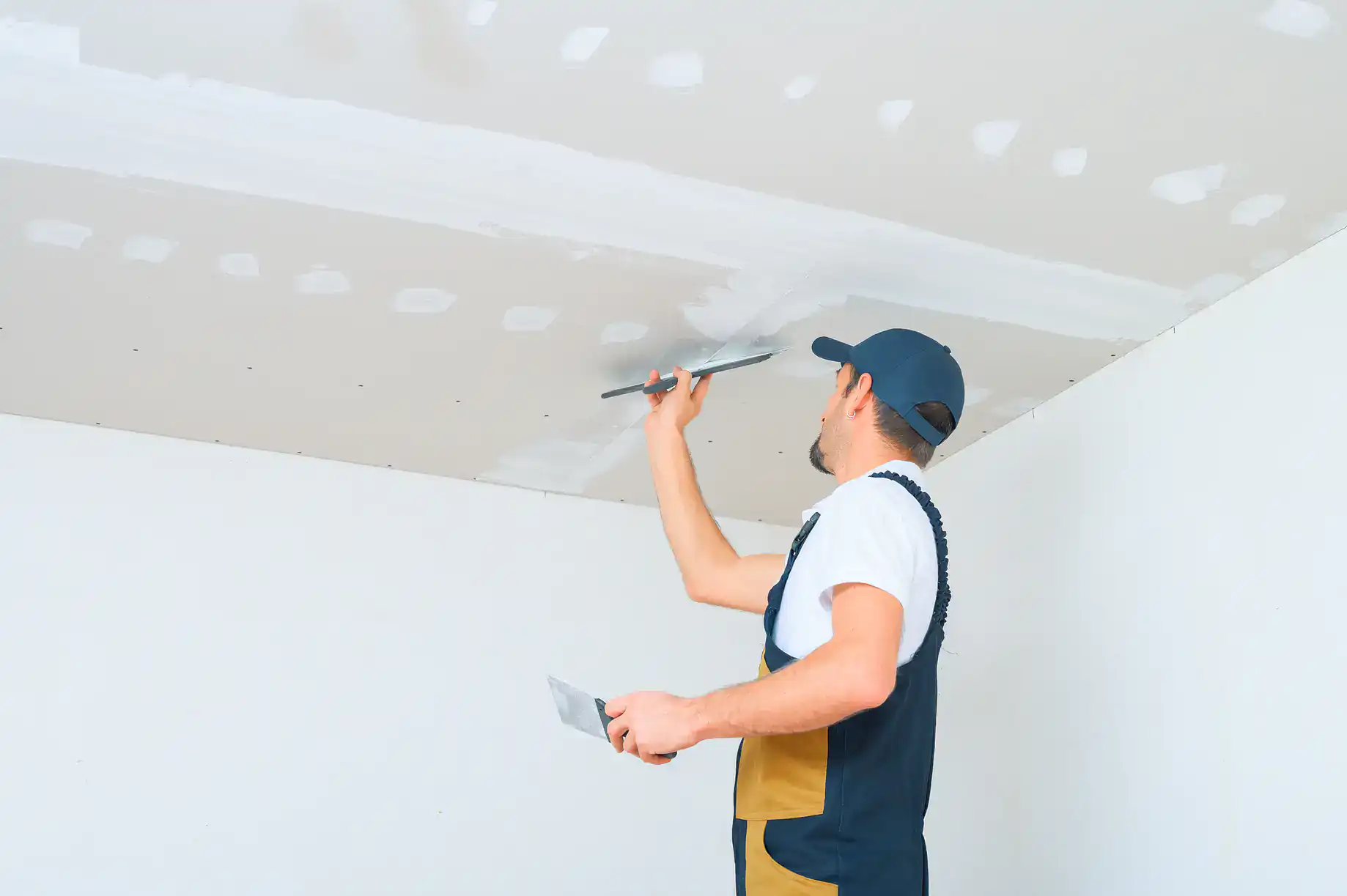
Then we prep the area. We cut away any damaged material, make sure edges are solid, and protect your floors and furniture. For holes larger than a few inches, we install backing support. For smaller repairs, we use a patch system that creates a solid base without cutting a bigger hole than necessary.
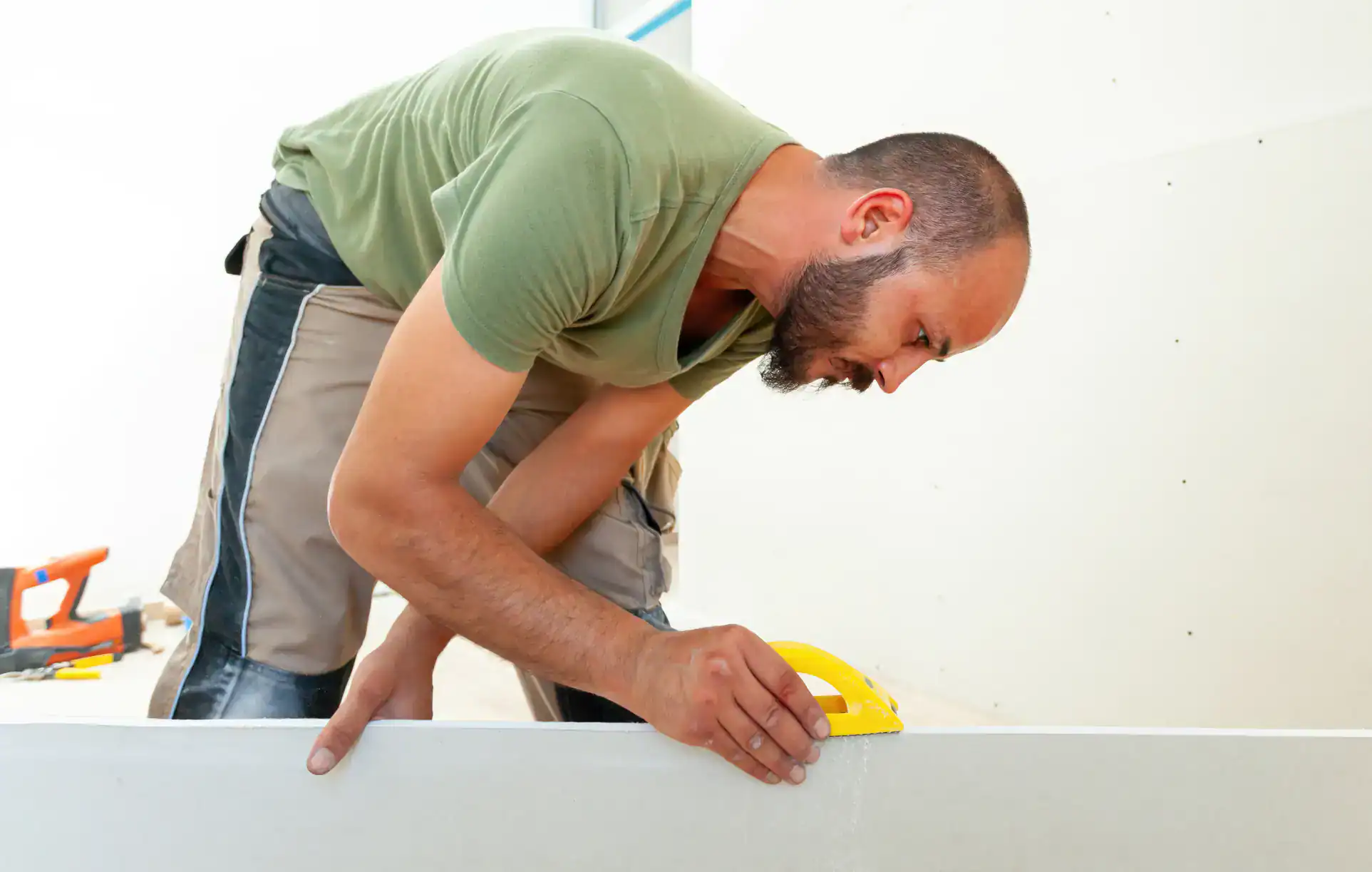
The actual repair involves multiple thin coats of joint compound, not one thick glob that’ll crack later. Each layer gets sanded smooth before the next goes on. For historic homes in Overbrook Farms, we often use setting-type compounds that breathe with the building rather than modern fast-dry products that can crack as the structure shifts.
Final step is finishing it so smooth you can’t see seams or texture differences. Then we clean everything—vacuum the dust, wipe down surfaces, and haul away debris. You’re left with a repair that’s ready for primer as soon as it’s dry.
Ready to get started?
The average cost to repair drywall ranges between $150 and $500 for most residential jobs, depending on size and complexity. That’s not a vague estimate—it covers assessment, materials, labor, finishing, and complete cleanup.
For Overbrook Farms homeowners, you’re also getting expertise with older construction methods. We know how to work around horsehair plaster, how to match existing textures on walls that have been painted dozens of times, and how to handle the settling issues that come with homes built on Philadelphia’s clay soil. That specialized knowledge prevents callbacks and ensures repairs hold up long-term.
Water damage drywall repair costs can run higher because timing matters. The clock starts running as soon as drywall gets wet, and waiting even a few days can turn a $300 repair into a $2,000 problem once mold sets in. We prioritize emergency water damage calls for exactly that reason.
You’re also getting gap-free installation. No seams that show through paint. No lines that become visible six months later. And no surprise fees when we discover your 1940s home has plaster underneath the drywall—we already know it’s there, and we’ve already factored it into our process and pricing.
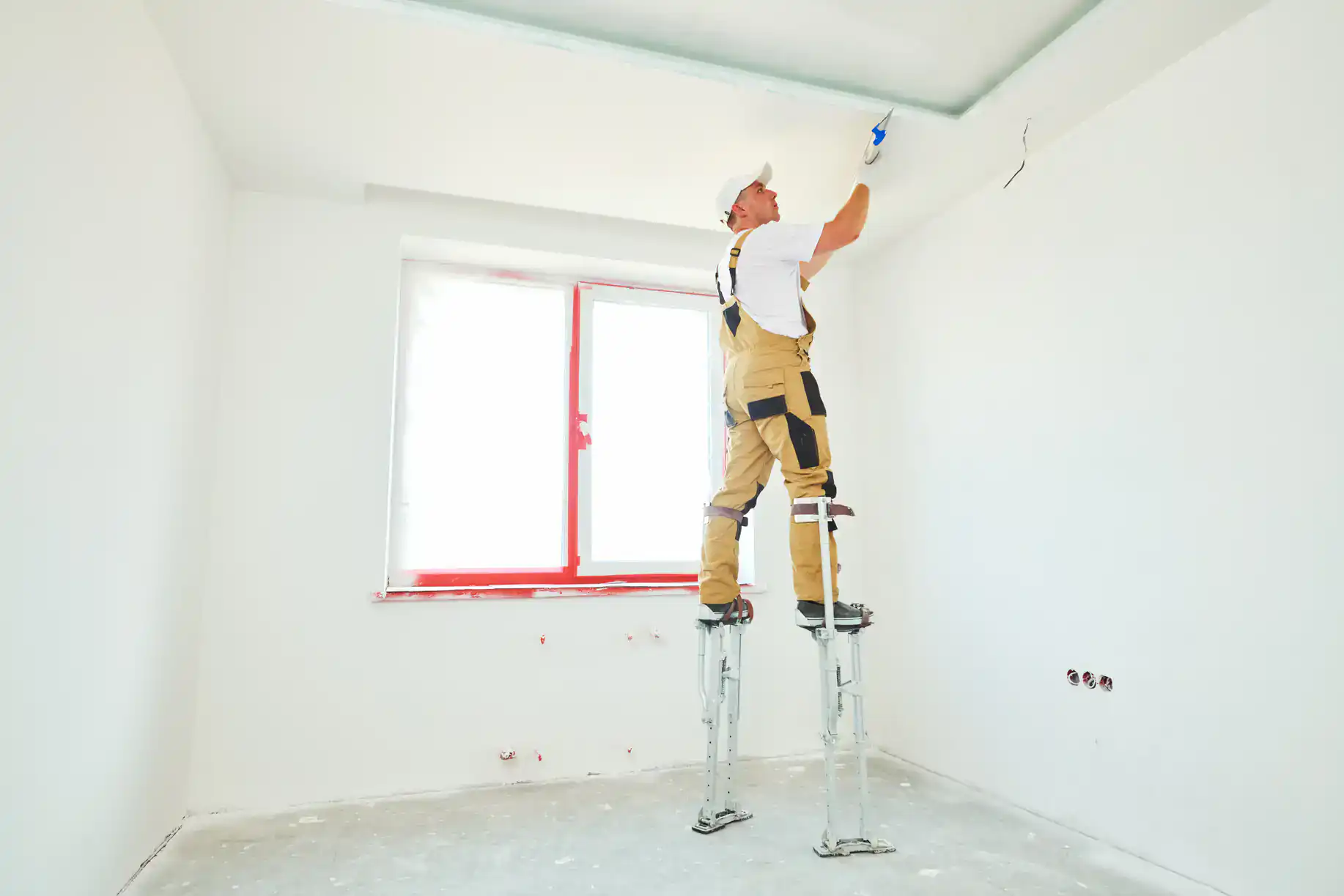
Most homeowners in Overbrook Farms pay between $300 and $500 for standard drywall repair work. That typically covers holes up to about 12 inches, stress cracks, or minor water damage in a single room.
Smaller repairs—nail pops, small dings, or hairline cracks—usually run $150 to $250. Larger projects involving multiple rooms, extensive water damage, or ceiling repairs can reach $1,000 to $2,000 depending on square footage and structural issues.
What affects your cost most is complexity, not just size. A six-inch hole in a newer home might take two hours. That same hole in a 1940s Overbrook Farms Victorian with plaster walls underneath might take four, because we’re integrating modern materials with old construction methods. We give you a fixed price upfront that accounts for your home’s specific situation, so you’re never surprised by the final number.
It depends on how long the drywall stayed wet and how much water it absorbed. If you caught it within 24 hours and the material is only damp, it might dry out without replacement. Beyond that, you’re usually looking at removal and replacement.
Here’s why: drywall is basically compressed gypsum and paper. Once it’s saturated, the gypsum crumbles and the paper becomes a breeding ground for mold. Even if it dries out and looks okay, the structural integrity is compromised. You’ll see sagging, crumbling, or mold growth within weeks.
In Overbrook Farms’ older homes, water damage often reveals additional issues—old plaster that’s already failing, outdated insulation that needs replacement, or framing that’s been compromised by decades of minor leaks. We assess all of that during the initial inspection so you know exactly what you’re dealing with. Most water damage repairs in historic homes take one to two days once the area is fully dried out, which can take three to five days depending on humidity levels.
Nothing. Sheetrock is a brand name that became synonymous with drywall, like Kleenex for tissues. When people search for “sheetrock repair” or “drywall repair,” they’re looking for the same service.
The actual material—whether it’s USG Sheetrock brand, National Gypsum, or another manufacturer—is gypsum board. We use whatever product best fits your specific repair. For most standard repairs, the brand matters less than the thickness, type, and how it’s installed.
Where it does matter is in older Overbrook Farms homes. We often use moisture-resistant or mold-resistant drywall in areas prone to humidity, and we select compounds that remain flexible as your house settles. A rigid, fast-setting compound might work fine in a five-year-old home, but it’ll crack in a 1940s Victorian that shifts with the seasons. That’s the kind of detail that separates a repair that lasts from one that fails in six months.
Most repairs in Overbrook Farms get finished in one visit, usually three to five hours depending on the scope. That includes prep, repair, finishing, and cleanup. You’re looking at a morning or afternoon, not multiple days.
The timeline stretches if you’re dealing with water damage, because we can’t patch anything until the area is completely dry. That drying period takes three to five days typically, sometimes longer in basements or during humid summer months. Once it’s dry, the actual repair is still a single-day job.
Larger projects—multiple rooms, full wall replacement, or extensive ceiling work—might take two days. Day one is demo, framing repair if needed, and hanging new drywall. Day two is taping, mudding, sanding, and final finishing. Then you wait 24 hours before priming and painting. We’ll give you an exact timeline during the estimate so you can plan accordingly, and we stick to it.
Yes, and this is especially important in Overbrook Farms where many homes have original plaster textures or older drywall finishes that aren’t standard anymore. Matching texture is part of making the repair invisible.
Common textures we replicate include orange peel, knockdown, skip trowel, and smooth finishes. For plaster walls, we often need to blend the repair so it matches the slight irregularities of hand-troweled plaster from the 1940s. That’s more art than science, and it’s why experience with historic homes matters.
The process involves applying joint compound in layers, then using specific tools or techniques to recreate the texture before it dries. Sometimes we need to feather the texture out several inches beyond the repair so the transition is gradual. Once it’s painted, you shouldn’t be able to spot where the repair was made. If your texture is unusual or you’re not sure what it’s called, we can assess it during the estimate and confirm we can match it before starting work.
Recurring cracks usually mean your house is settling, and the drywall repair isn’t addressing the underlying movement. This is extremely common in Overbrook Farms where homes were built in the 1940s or earlier on Philadelphia’s clay soil, which expands and contracts with moisture levels.
The fix isn’t just filling the crack again—it’s using materials and techniques that accommodate movement. We use flexible setting compounds instead of standard joint compound in areas prone to stress cracks. We also install mesh tape or paper tape depending on the crack’s location and direction, because different tapes handle different types of stress.
Sometimes recurring cracks indicate a structural issue that needs attention before any drywall repair will hold. Foundation settling, roof leaks causing framing movement, or inadequate support above doorways can all cause repetitive cracking. We’ll identify those issues during assessment and let you know if you need to address the underlying cause first. Most settling-related cracks can be permanently repaired with the right approach, but you need someone who understands how older Philadelphia homes move and breathe.
Other Services we provide in Overbrook Farms