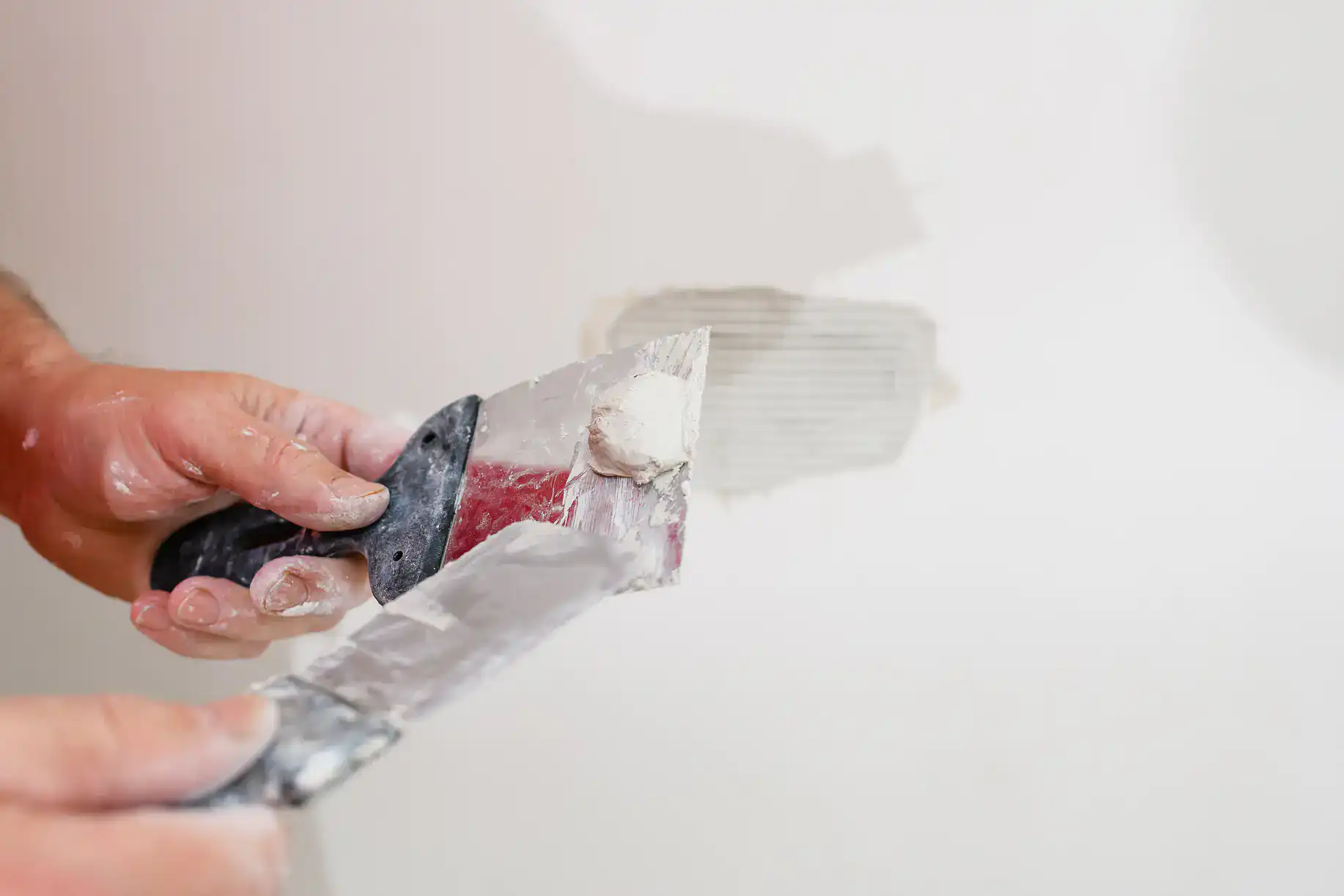
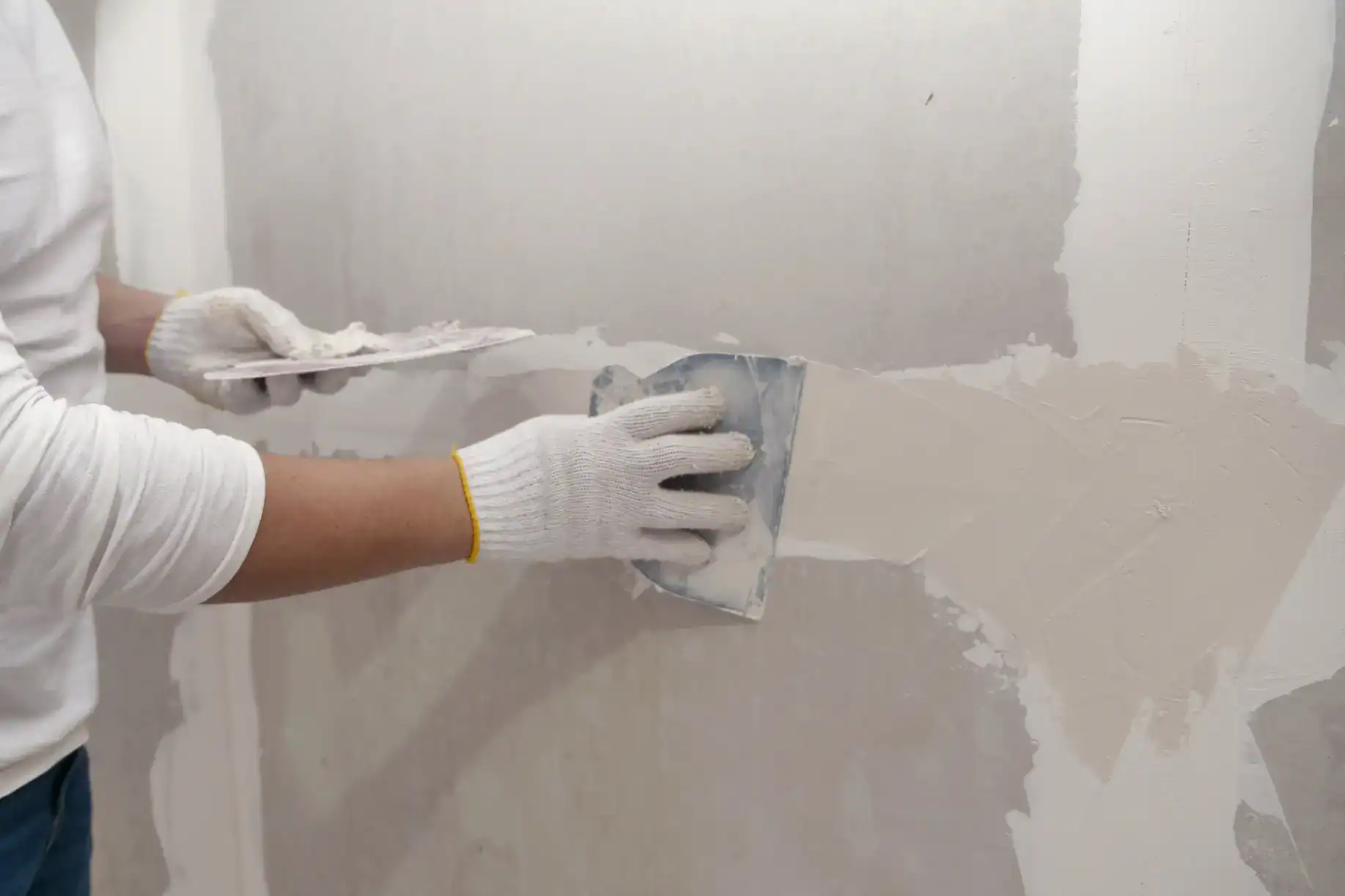
You’re looking at smooth walls ready for paint. Seams you can’t see. Corners that are actually straight. The kind of finish that makes you forget drywall installation was ever happening in your house.
Most rooms get finished in a day. That means you’re not living in a construction zone for weeks. Floors stay protected, dust stays contained, and when we leave, your space is clean.
This matters more in Overbrook Farms than people realize. Homes built before the 1940s—and that’s most of them around here—don’t have standard framing. Walls aren’t always plumb. Ceilings have character, which is a nice way of saying they’re not level. Installing drywall in these homes takes someone who’s done it before and knows how to make new work blend with old construction.
You’re not getting a patch job that shows through the first coat of paint. You’re getting walls that look like they’ve always been there.
We’ve been working in Montgomery and Philadelphia counties for over ten years. That’s long enough to know which contractors left homeowners hanging and which jobs got finished right.
We started because too many people were getting burned by crews who didn’t show up, didn’t clean up, or didn’t know how to work with older Pennsylvania homes. Overbrook Farms has plenty of both—homes that need someone who understands what’s behind the walls and homeowners who’ve been disappointed before.
Every installer on our crew is licensed and insured. We’re local, which means we’re not disappearing after the job. You’ll see our work around the neighborhood, and that matters when you’re trusting someone with your home.
First, we come out and look at what you’re working with. That means measuring the space, checking the framing, and talking through what you need. If there’s water damage or structural issues, we’ll tell you before we start hanging drywall. You get a detailed estimate with no surprise charges later.
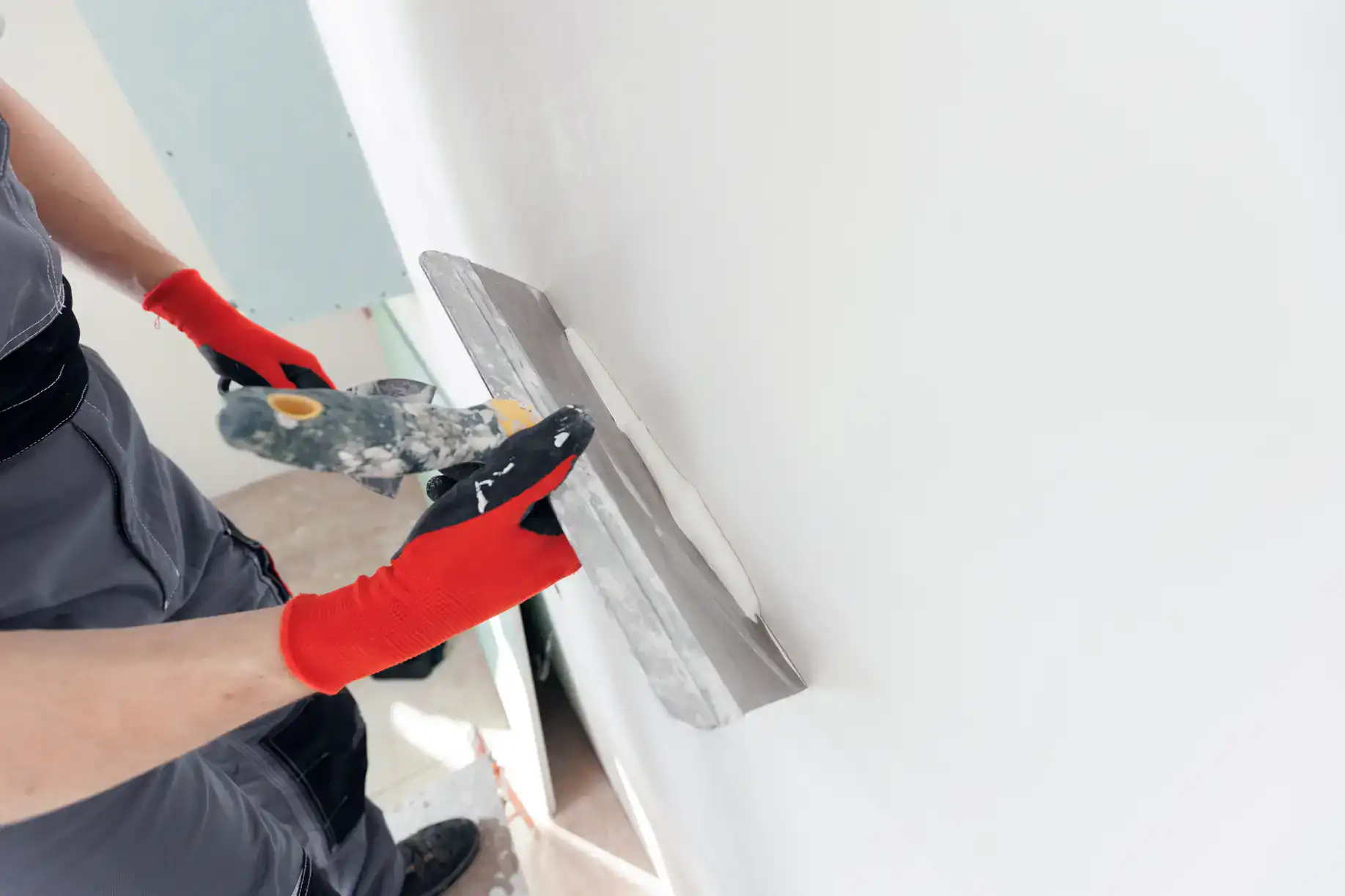
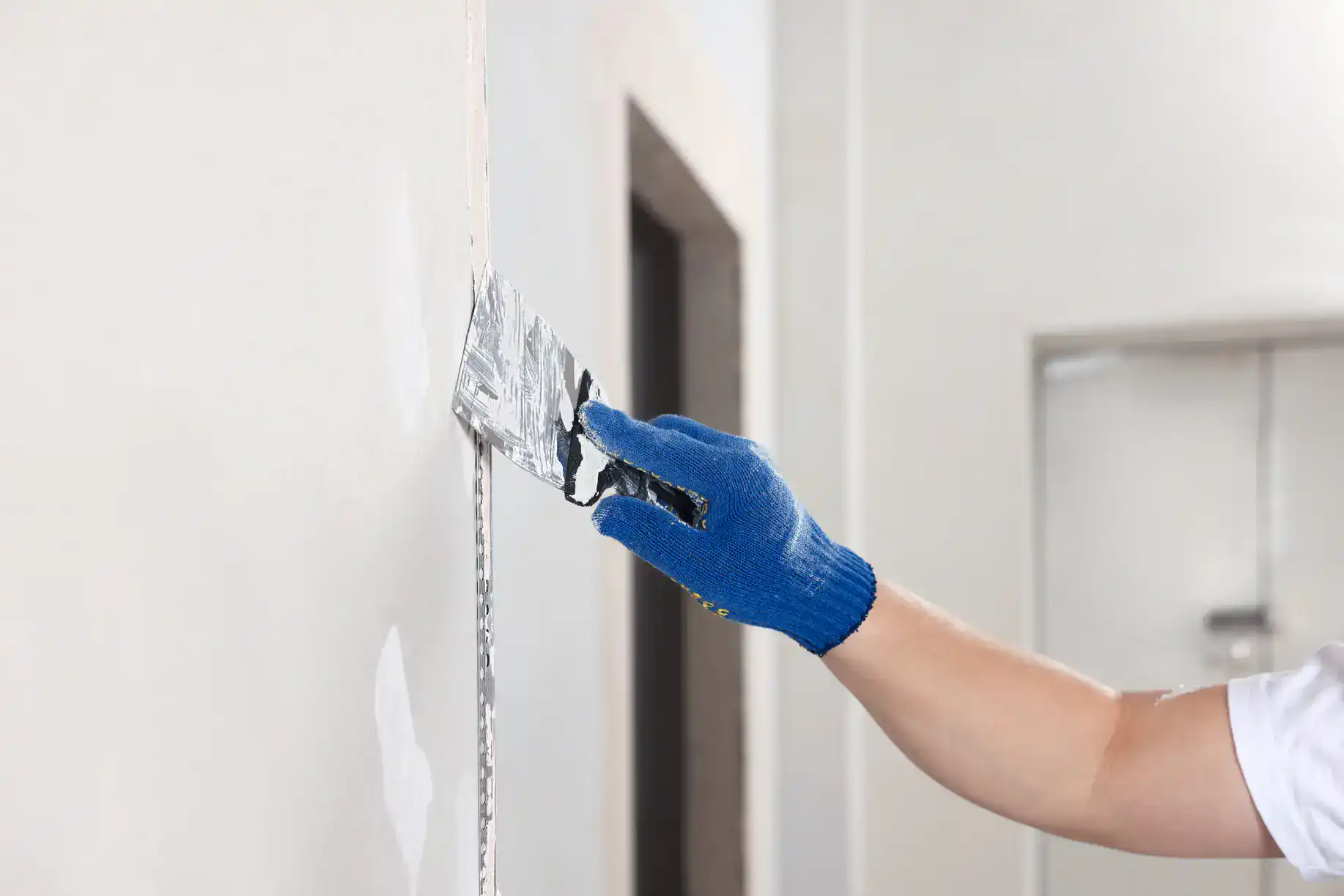
Once we start, we hang the drywall, tape the seams, and apply multiple coats of joint compound. Each coat gets sanded smooth before the next one goes on. This is where most shortcuts happen, and it’s why some drywall jobs look wavy under paint. We don’t skip steps.
The final pass involves inspecting every square foot under bright lighting. That’s how you catch imperfections that regular room lighting hides. When we’re done, your walls are primed and ready for paint. Most single-room projects finish in one day. Larger jobs like basement finishing take two to three days, and we clean up completely before we leave.
Ready to get started?
You’re getting materials, labor, and finishing all handled by the same crew. That means drywall sheets, joint compound, tape, corner bead, fasteners, and all the tools needed to get the job done. We’re not handing you a materials list and telling you to go shopping.
In Overbrook Farms, we’re also accounting for the quirks that come with historic homes. Uneven framing, plaster walls that need special prep, non-standard dimensions—these aren’t problems, they’re just part of working with older construction. We use moisture-resistant drywall in basements and bathrooms because Philadelphia’s humidity isn’t kind to standard materials.
The average cost to install drywall in Philadelphia County runs between $1,968 and $2,143 for most projects, depending on square footage and room complexity. You’re paying for materials and skilled labor, but you’re also paying for someone who knows how to handle the unexpected. Older homes always have surprises, and how your installer deals with them makes the difference between a job that lasts and one that needs fixing in six months.
Pricing is upfront. No hidden fees, no surprise charges after we start. You know what you’re paying before anyone picks up a trowel.
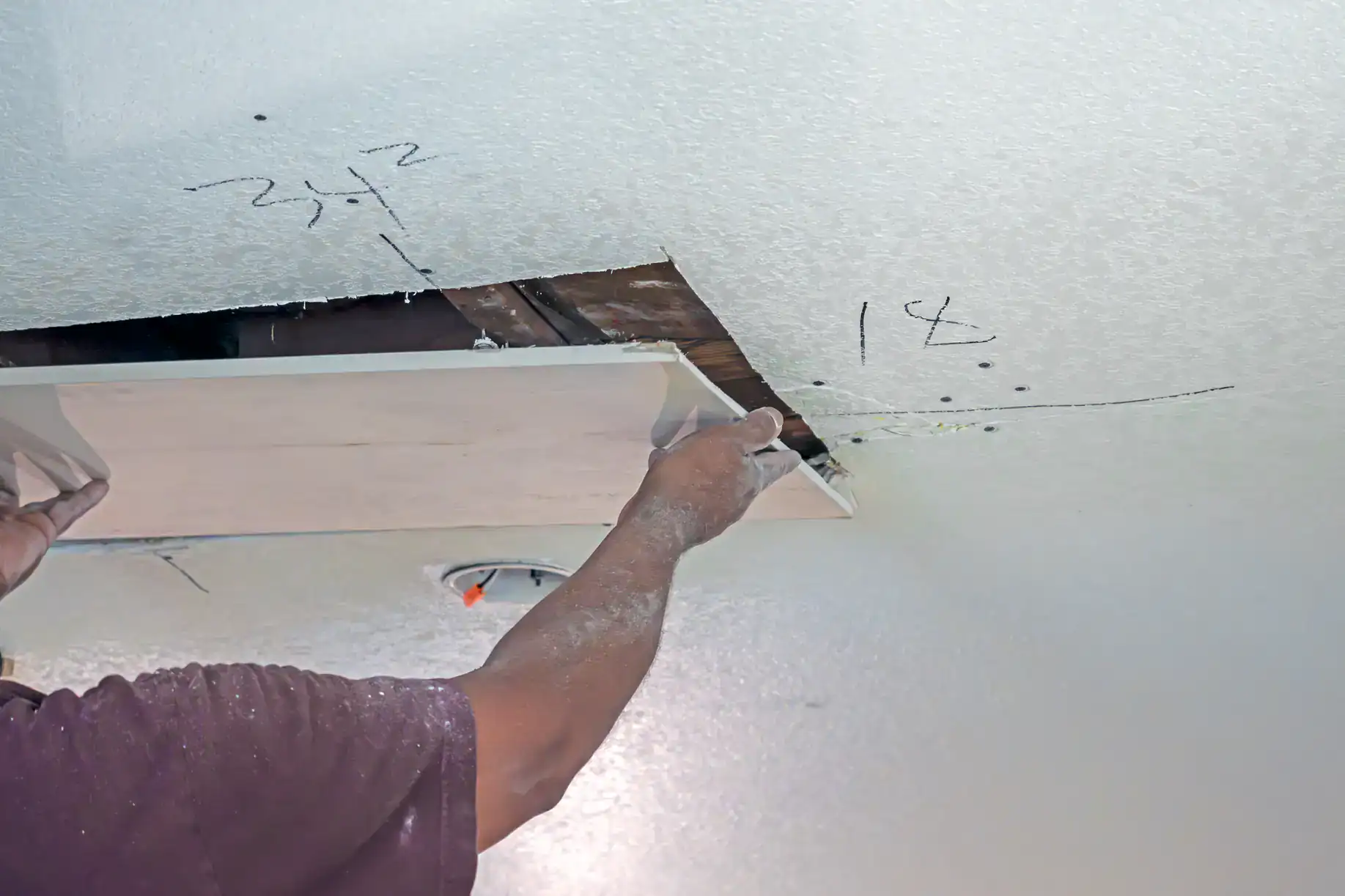
Most homeowners in Overbrook Farms pay between $1,968 and $2,143 for professional drywall installation, depending on the size and complexity of the project. That price includes materials, labor, taping, mudding, sanding, and finishing.
Cost per square foot typically runs $1.50 to $3.50 for materials and installation combined. Smaller jobs like single room repairs cost less overall but may have a higher per-square-foot rate because setup and cleanup take the same amount of time regardless of project size.
Older homes in Overbrook Farms sometimes cost more if there’s structural work needed first. Uneven framing, water damage, or outdated plumbing behind the walls can add to the scope. We’ll tell you about those issues during the estimate so there’s no sticker shock later. You’ll also want to factor in Pennsylvania’s 6% sales tax and Philadelphia’s 2% local sales tax on materials.
Most single-room drywall installations finish in one day. That includes hanging the sheets, taping the seams, applying joint compound, sanding, and final finishing. Larger spaces like basements or whole-floor renovations take two to three days depending on square footage.
The timeline depends on a few things. Room size matters, but so does what’s behind the walls. If we’re working with older framing that’s not square, or if there’s prep work needed before we can hang drywall, that adds time. We’d rather take an extra few hours to do it right than rush and leave you with seams that show through paint.
Drying time between coats of joint compound also affects the schedule. We apply multiple coats, and each one needs to dry before we sand and apply the next. Humid weather slows that down, which is why summer projects in Philadelphia sometimes take a bit longer than winter ones. We’ll give you a realistic timeline during the estimate so you know what to expect.
Yes, and we’ve been doing it for over ten years. About 41.9% of homes in Overbrook Farms were built before 1940, and another 18.1% went up by 1949. That means most of the neighborhood has construction quirks that newer homes don’t.
Older homes have plaster walls, uneven framing, and non-standard dimensions. The studs aren’t always 16 inches on center. Ceilings aren’t level. Corners aren’t perfectly square. Installing drywall in these homes takes someone who knows how to make new materials work with old construction without making it obvious where the two meet.
We also understand the moisture issues that come with historic properties in Philadelphia. Basements built on porous brick, outdated plumbing, and seasonal freeze-thaw cycles all create conditions where standard drywall fails. We use moisture-resistant materials in areas where humidity is a problem, and we’ll tell you if there’s a bigger issue that needs addressing before we hang drywall. You don’t want to cover up water damage and hope it goes away.
Nothing. Sheetrock is a brand name for drywall, like Kleenex is for tissues. The terms get used interchangeably, and they mean the same thing—gypsum panels that get hung on walls and ceilings, then finished with joint compound.
Some contractors prefer one term over the other, but the installation process is identical. You’re hanging panels, taping seams, applying multiple coats of mud, sanding smooth, and finishing to a paintable surface. The materials, tools, and techniques don’t change based on what you call it.
What does matter is the quality of materials and the skill of the installer. Cheap drywall and bad workmanship show up fast—usually right after the first coat of paint. We use premium materials designed for durability and moisture resistance, especially in areas like basements and bathrooms where humidity is high. The compound we use is professional-grade, which means it sands smoother and holds up better than the stuff you’d buy at a big box store for a DIY project.
Yes, and it’s included in every job. Drywall installation creates dust—there’s no way around it. Sanding joint compound produces fine particles that get everywhere if you’re not careful. We contain the mess during the job and clean up completely before we leave.
That means covering your floors and furniture before we start. We use plastic sheeting and drop cloths to protect everything in the work area. Dust containment happens throughout the process, not just at the end.
When the job is finished, we vacuum, wipe down surfaces, and haul away all the scrap materials. You’re not stuck with drywall scraps in your yard or dust on your baseboards. The space should be ready for paint as soon as we’re done, and you shouldn’t be cleaning up after us for the next week. If a crew tells you cleanup isn’t included, find a different crew.
Yes. Every installer on our crew is fully licensed and insured, which is required by law in Philadelphia. The city requires all contractors to carry a minimum $1 million general liability policy and keep current insurance on file with the Department of Licenses and Inspections.
That protects you if something goes wrong during the job. Accidents happen, and if someone gets hurt or your property gets damaged, you want to know there’s coverage. Unlicensed contractors don’t carry that protection, which means you’re liable if something goes sideways.
Licensing also means the installer has met the city’s requirements for safety training and code compliance. That matters more than people realize. Drywall installation involves structural work, and if it’s not done to code, you can run into problems when you sell the house or file an insurance claim. We pull permits when required and make sure everything meets Philadelphia’s building standards. You’re not just getting walls that look good—you’re getting work that’s legal and up to code.
Other Services we provide in Overbrook Farms