
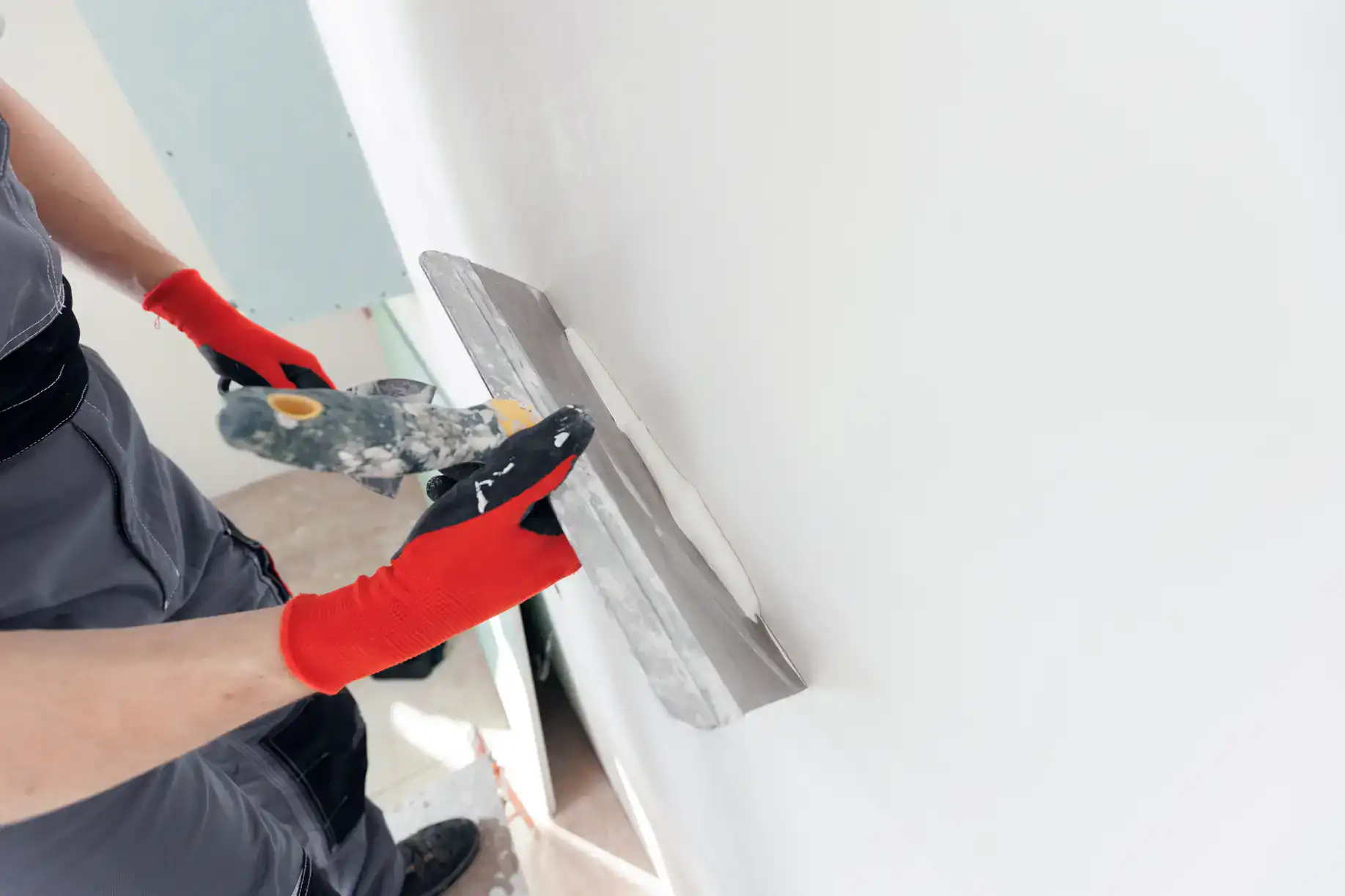
You’re not looking at a patch job that shows through your paint six months later. You need walls that look like the damage never happened—smooth, seamless, and ready for whatever finish you choose.
That’s what happens when someone who knows historic homes handles the work. Chestnut Hill properties built in the 1940s don’t have the same wall composition as newer construction. The plaster, the lath, the way moisture moves through older materials—it all matters when you’re trying to match texture and ensure the repair holds.
Most drywall repair cost in Chestnut Hill runs between $300 and $800 depending on the size and complexity of the damage. Small holes from doorknobs or picture hangers sit on the lower end. Larger water damage or ceiling repairs push higher, especially when you’re dealing with multiple layers or structural concerns. But compare that to replacing entire sections of wall, and you’re saving thousands while keeping your home’s original character intact.
We’ve spent years working throughout Montgomery, Bucks, and Philadelphia counties. That means we’ve seen what happens to walls in Chestnut Hill homes—the settling cracks, the water intrusion patterns, the way historic plaster behaves when humidity shifts.
We’re fully licensed and insured, which matters more than it sounds like it should. When you’re working on a home worth three-quarters of a million dollars, you want someone who’s accountable. Someone who shows up when they say they will, quotes the job accurately, and doesn’t leave you guessing about what’s covered.
You’ll work with people who understand that your time matters and your home isn’t a job site—it’s where you live.
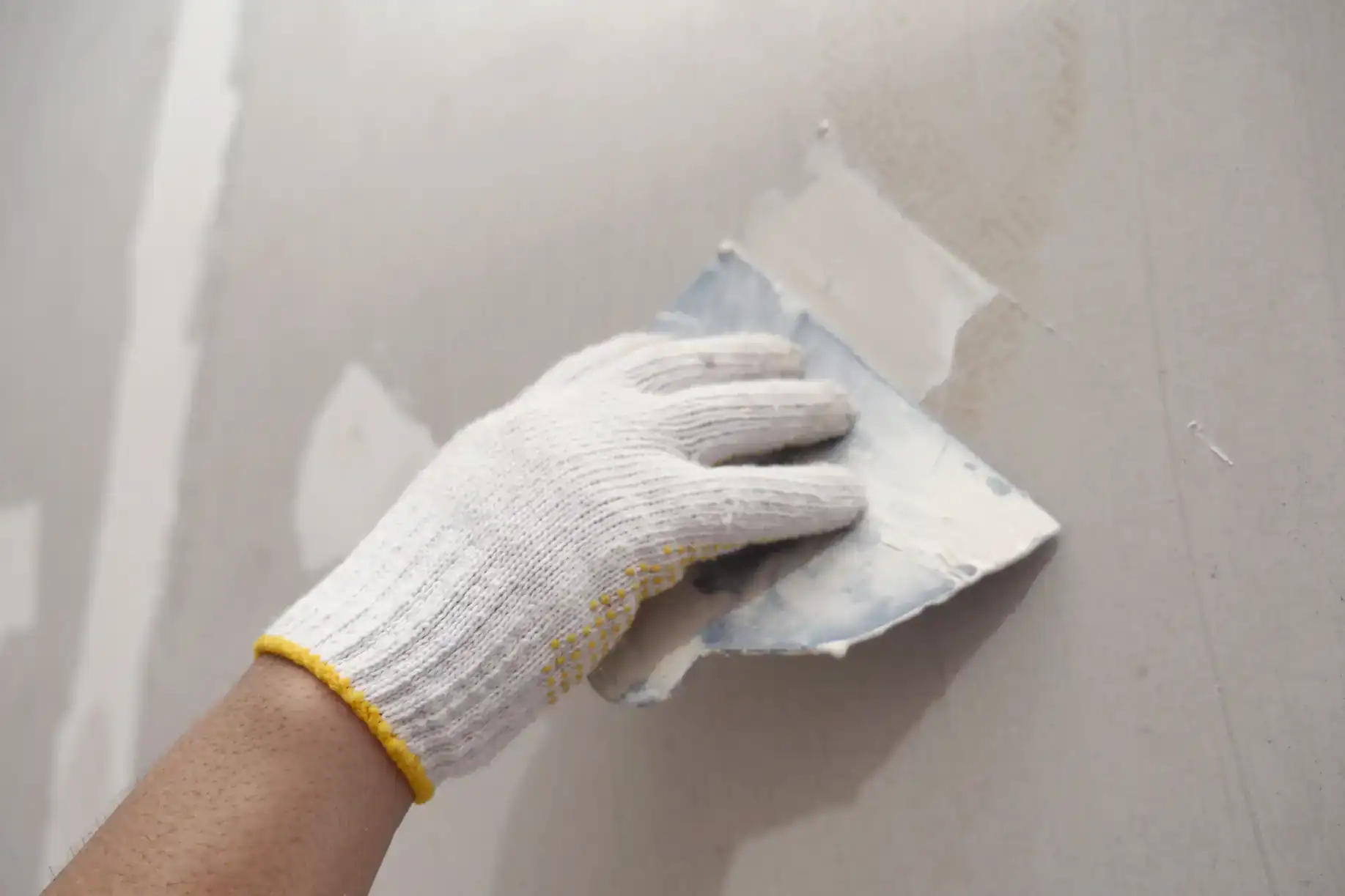
First, we assess the damage. Not just the hole or crack you can see, but what’s happening behind it. Water damage especially requires checking studs, insulation, and whether mold has started. You’ll know what needs fixing before any work starts.
Then comes the actual repair. Small holes get patched with backing material and joint compound. Larger damage might mean cutting out the damaged section and fitting new drywall to match the thickness of your existing walls. For homes built in 1945, that’s not always standard half-inch drywall—it might be plaster over lath, or multiple layers that need careful matching.
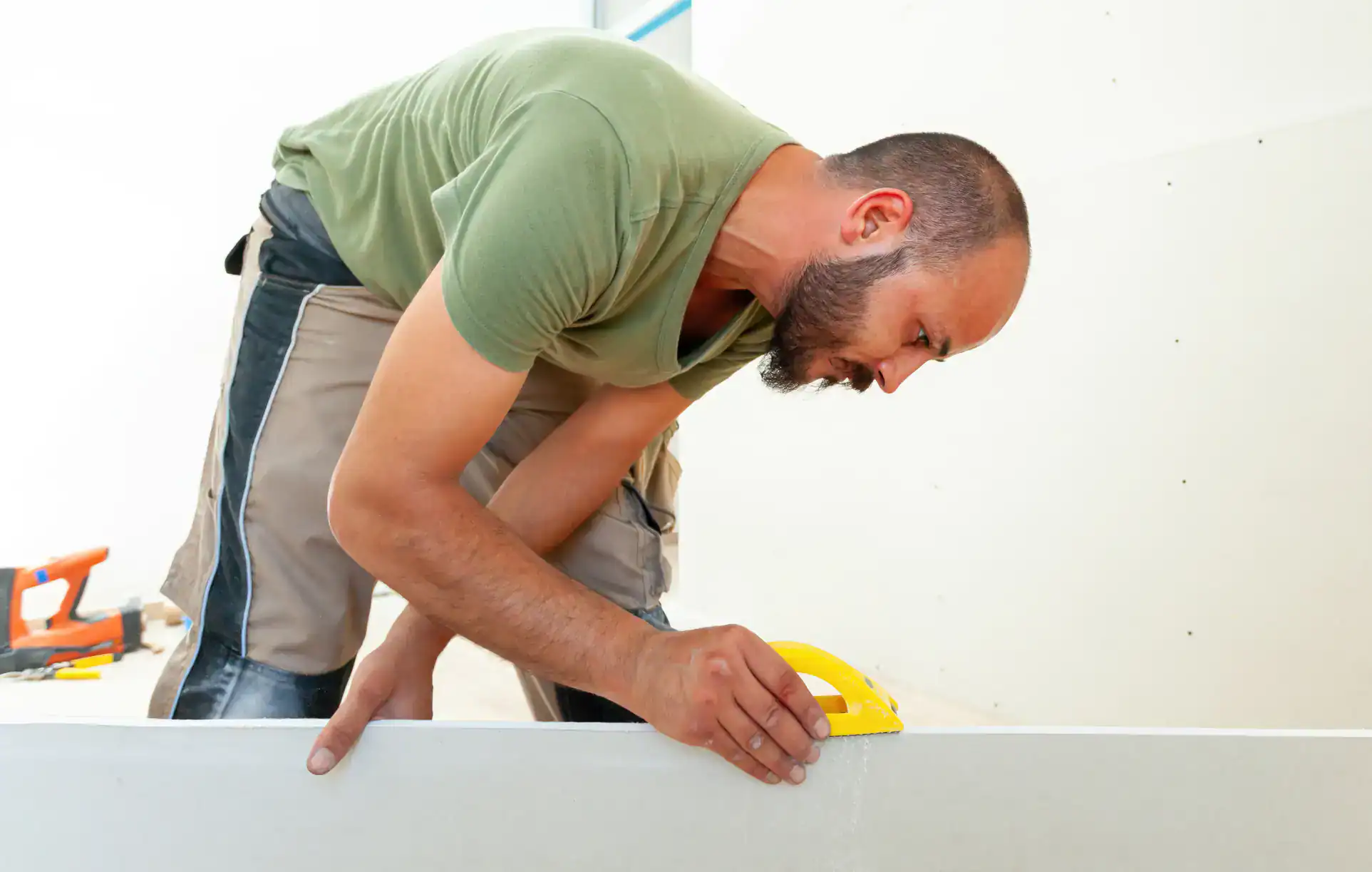
After the patch dries—and this matters more than people realize—we sand it smooth and match your wall texture. That’s where experience separates a visible repair from one that disappears. The average cost to repair drywall in Chestnut Hill reflects this level of detail, because rushing the drying process or skipping proper texture matching just means you’ll see the patch every time light hits the wall.
Most small repairs finish in a few hours. Larger jobs, especially water damage that needs drying time between steps, take one to two days. You’ll have a clear timeline before we start.
Ready to get started?
You’re getting more than someone filling a hole. The work includes damage assessment to find hidden issues, complete removal of damaged material, proper backing and support installation, premium joint compound application in multiple coats, professional sanding and texture matching, and primer application so your paint goes on evenly.
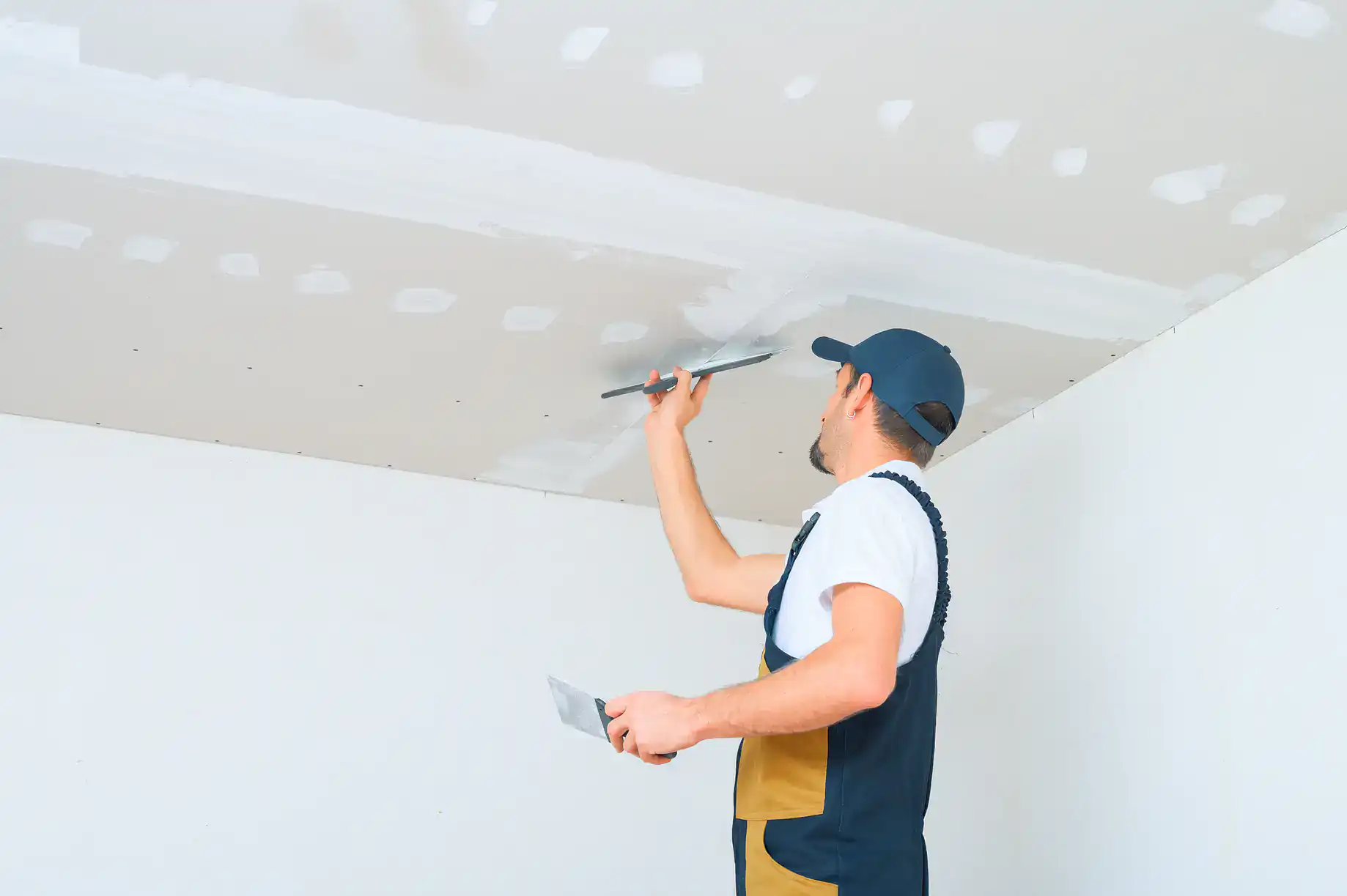
For water damage—which hits Chestnut Hill homes hard during heavy rains or when older pipes finally give out—you’re also getting moisture testing and mold inspection. The drywall ceiling repair cost in Chestnut Hill runs higher than wall repairs because ceiling work requires more setup, more careful material handling, and often reveals additional issues with insulation or roof leaks that need addressing.
Historic homes in this area often have ornamental plaster details, crown molding, or textured finishes that require specialized matching techniques. That’s not something you learn from a YouTube video. It takes years of working with these specific materials and styles to replicate them convincingly. The average cost for drywall repair in Chestnut Hill accounts for this expertise—you’re paying for someone who won’t practice on your walls.
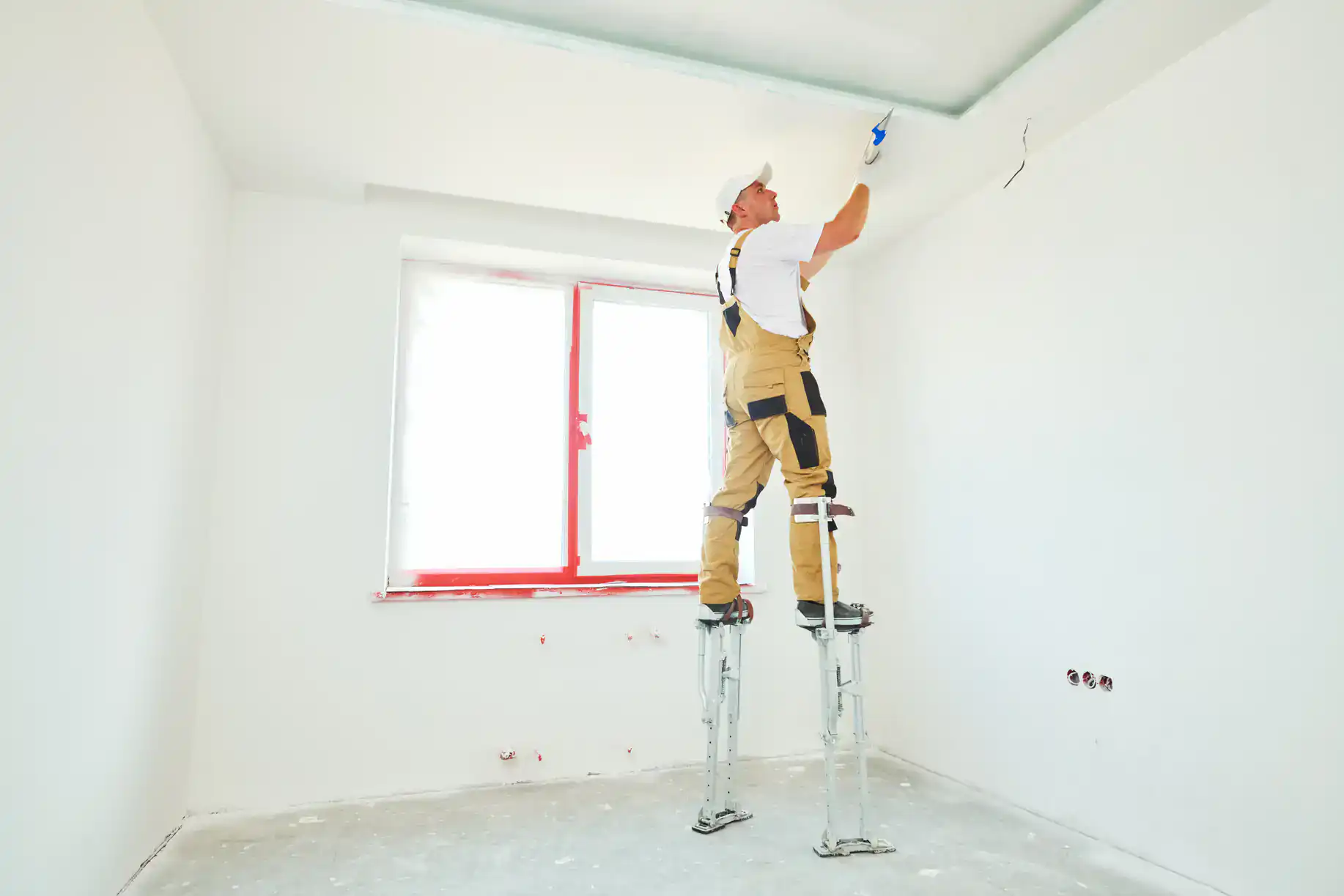
Most homeowners pay between $300 and $800 for professional drywall repair in Chestnut Hill, PA. Small holes from doorknobs, picture hangers, or minor impacts typically cost $300 to $500. Larger damage from water leaks, significant cracks, or multiple problem areas runs $500 to $800 or more.
Ceiling repairs cost more—usually $350 to $1,500—because the work is harder to access and often reveals additional issues with roof leaks or insulation. If you’re dealing with water damage, expect the higher end of these ranges since we need to address moisture issues, check for mold, and sometimes replace insulation before repairing the drywall itself.
The handyman drywall repair cost in Chestnut Hill might look cheaper upfront, but you risk visible patches, recurring cracks, or missed water damage that costs far more to fix later. Historic homes especially need someone who understands how older materials behave and how to match original textures and finishes.
Small repairs—fixing a doorknob hole or a minor crack—usually take two to four hours including prep, patching, and initial sanding. You’ll need to wait for the compound to dry completely before painting, which adds another day or two depending on humidity and temperature.
Larger repairs take one to two days of actual work time. That includes cutting out damaged sections, installing new drywall, applying multiple coats of joint compound with drying time between each coat, sanding, and texture matching. Each coat of compound needs four to six hours to dry properly, and rushing this process shows in the final result.
Water damage repairs take longer because we need to ensure everything is completely dry before closing up the wall. Depending on the extent of moisture intrusion, you might need fans or dehumidifiers running for several days. Trying to patch over damp drywall just traps moisture and creates mold problems that are far more expensive to remediate later.
Yes, and this is one of the most important parts of quality drywall repair in Chestnut Hill, PA. Your home likely has a specific texture—knockdown, orange peel, skip trowel, or smooth finish—and matching it requires both the right tools and experience with the technique.
Chestnut Hill homes built in the 1940s often have hand-troweled plaster finishes or unique textures that aren’t common in modern construction. We’ve worked with these finishes enough to replicate them convincingly. That means bringing texture samples, testing the technique on scrap material first, and applying it carefully so the repair blends with the surrounding wall.
Poor texture matching is the most common complaint about drywall repairs. Even if the patch is structurally sound, a visible difference in texture makes it obvious. The light hits it differently, paint doesn’t absorb the same way, and you end up staring at it every time you walk past. Professional texture matching costs more than a basic patch, but it’s the difference between a repair that disappears and one that announces itself.
Call us immediately. Water damage spreads fast—what looks like a small stain today can be a collapsed ceiling next week. The longer water sits in drywall, the more likely you are to develop mold, which turns a $500 repair into a $5,000 remediation project.
First, stop the water source if you can. Shut off the water main if it’s a pipe leak, or put a bucket under a roof leak until you can get it properly fixed. Then contact us to assess the damage. We’ll use moisture meters to check how far the water has spread, inspect for mold growth, and determine whether you need just drywall replacement or more extensive structural repairs.
Don’t just paint over water stains. That doesn’t fix anything—it hides the problem until it gets worse. The average cost of drywall repair in Chestnut Hill for water damage runs higher than other repairs because of the additional steps involved, but addressing it quickly keeps costs manageable. Wait too long, and you’re looking at replacing floor joists, treating mold, or dealing with electrical issues from water intrusion.
Yes, and we actually prefer working on them. Historic homes have character and quality that newer construction often lacks, but they also have quirks that require specific knowledge. Chestnut Hill’s older properties—many built in the 1940s or earlier—use plaster over wood lath instead of modern drywall, and repairing that properly requires different techniques and materials.
You can’t just slap joint compound over damaged plaster and expect it to hold. The repair needs proper keying into the lath, the right type of plaster or setting compound, and careful attention to matching the original finish. Many contractors who work primarily on newer homes don’t have experience with these materials and end up creating repairs that crack or separate within months.
We also understand the building codes and common issues specific to older Philadelphia-area homes. Settling patterns, moisture management in homes without vapor barriers, electrical systems that need careful navigation during wall repairs—these aren’t problems you encounter in new construction. The cost to repair drywall in Chestnut Hill historic homes reflects this specialized knowledge, but it also means the repair actually lasts.
Yes, we’re fully licensed and insured to work in Montgomery, Bucks, and Philadelphia counties. That protects you if something goes wrong during the repair—damage to your property, injuries on site, or issues that arise after we’ve finished the work.
Insurance matters more than most homeowners realize until they need it. If an unlicensed contractor damages your electrical system while cutting into a wall, you’re paying for that repair yourself. If they get injured on your property without proper insurance, you could be liable. And if the work fails and causes additional damage, you have no recourse.
Licensed contractors also pull permits when required, which protects your home’s value and ensures the work meets local building codes. That’s especially important in Chestnut Hill where property values are high and buyers conduct thorough inspections. Unpermitted work can complicate sales or require expensive corrections down the line. The average cost for drywall repair in Chestnut Hill includes proper licensing and insurance because that’s what professional work requires.
Other Services we provide in Chestnut Hill