
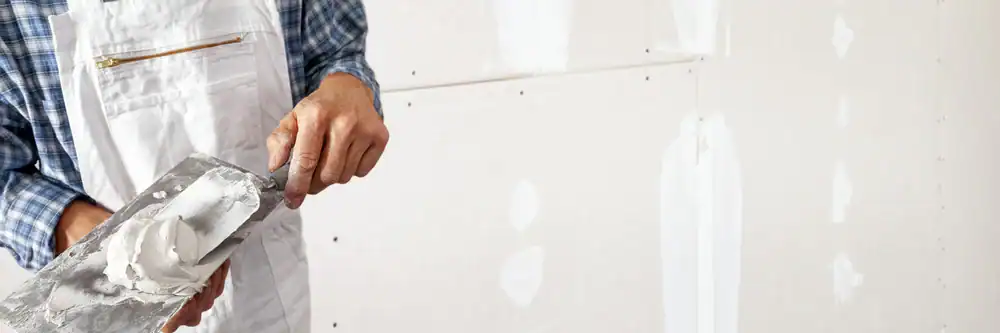
You’re not looking for a patch job that shows through your paint six months later. You want walls that look like nothing ever happened.
That’s what proper drywall patching in Chestnut Hill, PA delivers. The hole disappears. The texture matches. The paint goes on smooth and stays that way.
Most homes in Chestnut Hill were built before 1950, which means plaster, settling, and quirks that need someone who knows what they’re doing. A rushed first coat or skipped dry time shows up immediately. Feather the edges wrong, and you’ll see ridges every time the light hits.
When the work’s done right, you’re protecting a home worth over $750,000. That means using quality joint compound, respecting dry time between coats, and finishing the surface so it’s ready for prime and paint without extra sanding or touch-ups.
You get your walls back. No visible seams. No callbacks. Just clean, solid repairs that match the rest of your home.
We’ve spent over a decade working in homes across Chestnut Hill, PA. We know the neighborhood—the historic construction, the high standards, the homeowners who want it done once and done right.
We’re not the cheapest option, and that’s intentional. You’re paying for proper technique, quality drywall mud, and the experience to handle older homes without cutting corners.
Most of our clients work from home. That means we show up on time, keep the workspace clean, and finish efficiently so you’re not dealing with dust and disruption for days. Chestnut Hill homeowners expect professionalism—we deliver it.
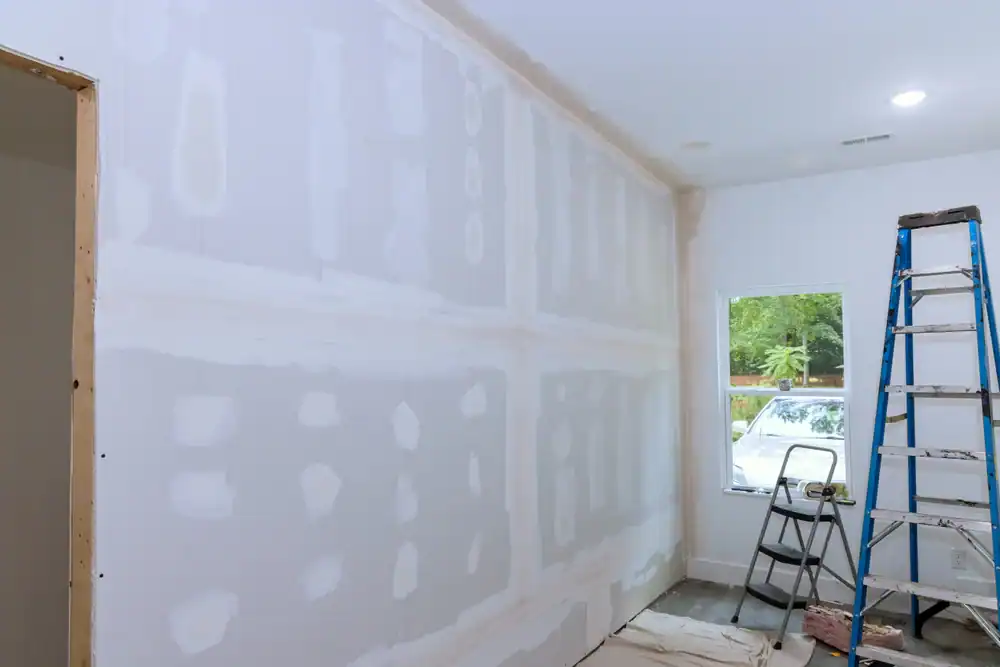
First, we assess the damage. Not every hole is the same. Water damage needs different treatment than a doorknob dent. We check for underlying issues—mold, structural concerns, anything that’ll cause problems later.
Next comes prep. We clean the area, cut back any loose material, and make sure the surface is ready for joint compound. Skipping this step is why DIY repairs fail.
Then we apply the first coat of drywall mud. This fills the void but doesn’t finish it. Dry time matters here—rushing it causes cracking. Once it’s fully dry, we apply additional coats, feathering the edges so the repair blends into the surrounding wall. Each layer gets thinner as we move outward.
After the final coat dries, we sand it smooth. Not flat—smooth. There’s a difference, and it shows up when you prime and paint. We clean up the dust, prime the patched area, and make sure it’s ready for your painter or for us to finish if you want the full job done.
The result is a wall that looks untouched. No bumps. No shadows. Just a clean, solid surface.
Ready to get started?
You’re getting a full repair, not a quick patch. That means proper joint compound application, multiple coats with full dry time between each, and finishing work that prepares the surface for paint.
We handle everything from small nail pops to larger holes from plumbing access or accidental damage. In Chestnut Hill, PA, where 24% of homes are detached single-family and many have plaster underneath drywall, we adjust our approach based on what we find.
Water damage gets special attention. We don’t just cover it up. We identify the source, remove compromised material, and replace it properly. Wet drywall creates mold problems fast, especially in older homes with less ventilation.
Every job includes cleanup. We’re working in your home, often while you’re there. Drop cloths go down, dust gets contained, and we haul away debris. You shouldn’t have to vacuum drywall dust out of your furniture for a week after we leave.
The goal is simple: you get walls that look right, hold up over time, and don’t need a redo in six months because someone rushed the process.
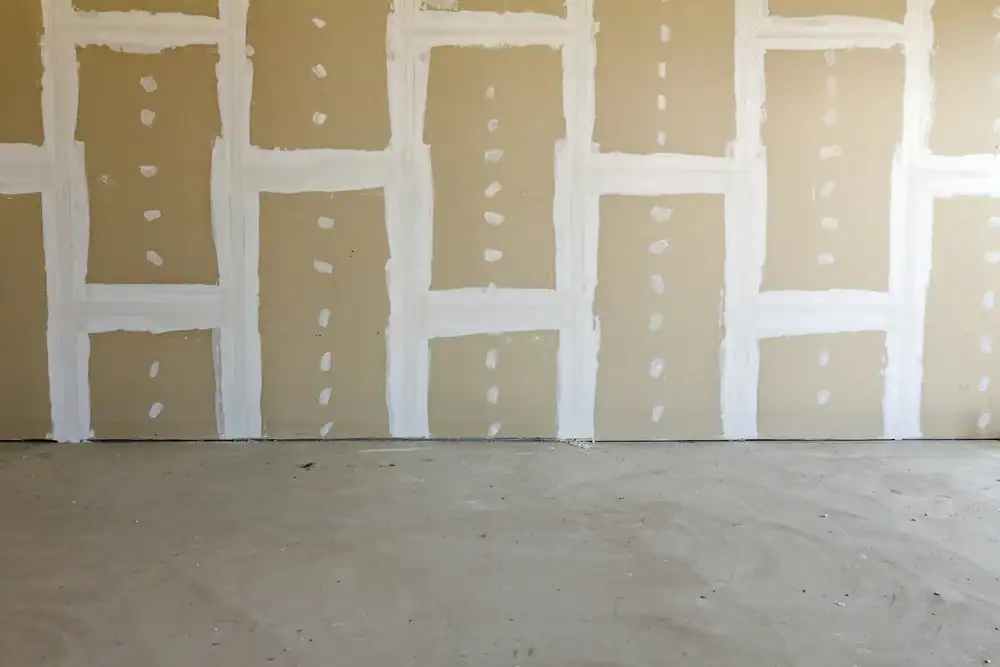
Dry time depends on humidity, temperature, and how thick the coat is. In Chestnut Hill, PA, you’re usually looking at 24 hours between coats for standard joint compound.
Rushing this is the most common mistake. If you sand too early, the mud gums up. If you add another coat before the first one’s dry, you’ll get cracking or shrinkage. That’s why a proper drywall patching job takes a few days—not because the work is slow, but because the material needs time to cure.
Some fast-setting compounds dry in 90 minutes, but they’re harder to work with and don’t feather the edges as smoothly. For most residential repairs, especially in homes with high-end finishes, standard drying compound gives better results. We plan the work around proper dry time so the repair actually lasts.
Feathering the edges means gradually thinning out the joint compound as you move away from the repair. You’re blending the patch into the existing wall so there’s no visible ridge or bump.
If you just fill the hole and stop, you’ll see a raised circle when the paint goes on. Light hits it differently, and it’s obvious something was patched. Feathering spreads the compound outward in thinner and thinner layers, sometimes 8 to 12 inches beyond the actual damage.
This takes multiple coats. The first coat fills. The second coat starts the blend. The third coat finishes it. Each layer gets wider and thinner. When you’re done, you can run your hand over the area and not feel where the repair starts or stops. That’s what separates a professional drywall patching job in Chestnut Hill, PA from a DIY attempt that shows through the paint.
Yes. Always. Skipping primer is why patches show through paint, even when the surface looks smooth.
Drywall mud is porous. Paint soaks into it differently than it does into sealed drywall or old paint. If you don’t prime the patched area first, it’ll look flat or dull compared to the rest of the wall—even if you use the exact same paint.
Primer seals the joint compound and creates a consistent surface for your topcoat. It also prevents the patch from flashing, which is when the repaired area reflects light differently and stands out. In Chestnut Hill, PA, where home values average over $755,000, you don’t want visible repairs ruining your walls.
We prime every patch before finishing. If you’re doing your own painting, make sure the primer is fully dry before you add color. One coat of good primer is usually enough, but larger repairs might need two.
Small repairs—nail pops, minor cracks, holes under 6 inches—typically start around $150 to $300. Larger holes or multiple repairs in one visit run higher, usually $300 to $600 depending on the scope.
Water damage costs more because it involves cutting out compromised material, checking for mold, and sometimes replacing insulation or fixing the source of the leak. Those jobs can range from $500 to $1,500 or more.
Labor makes up most of the cost. Drywall mud and joint compound are inexpensive. What you’re paying for is proper technique—multiple coats, correct dry time, feathering the edges so the repair disappears, and finishing work that’s ready for prime and paint.
In Chestnut Hill, PA, where many homes are older and have unique construction challenges, experience matters. A cheap patch job that cracks or shows through paint ends up costing more when you have to redo it. We price based on doing it right the first time.
Yes, but it takes the right tools and some practice. Matching knockdown, orange peel, or skip trowel textures is part of the finishing process.
After the final coat of joint compound is dry and sanded smooth, we recreate the texture using either a spray gun, trowel, or roller depending on what’s on your walls. The key is blending it so you can’t tell where the old texture stops and the new one starts.
This is harder than it sounds. Too much texture and the patch stands out. Too little and it looks flat. In Chestnut Hill, PA, where many homes have custom plaster finishes or older textures, we sometimes need to test a few approaches before we get it right.
If your walls are smooth, this isn’t an issue. But if you’ve got texture, make sure whoever’s doing your drywall patching knows how to replicate it. Otherwise, you’ll have a perfectly smooth patch in the middle of a textured wall, and it’ll be just as obvious as a bad repair.
Hairline cracks at corners or along seams are usually settling. Homes in Chestnut Hill, PA are older—many built before 1950—and they shift over time. That’s normal and not a structural concern.
Wider cracks, especially horizontal ones or cracks that keep coming back after repair, can signal foundation issues or framing problems. Same with cracks that run diagonally from corners of doors or windows. Water stains, soft spots, or bulging drywall mean you’ve got a leak or moisture problem that needs fixing before any patching happens.
When we assess damage, we’re looking for patterns. One crack? Probably settling. Multiple cracks in the same area, or damage that’s getting worse? That’s worth investigating further. We’ll tell you if you need a structural engineer or a plumber before we start drywall patching.
Fixing the symptom without addressing the cause just means you’ll be calling us back in six months. We’d rather identify the real issue up front so the repair actually sticks.
Other Services we provide in Chestnut Hill