
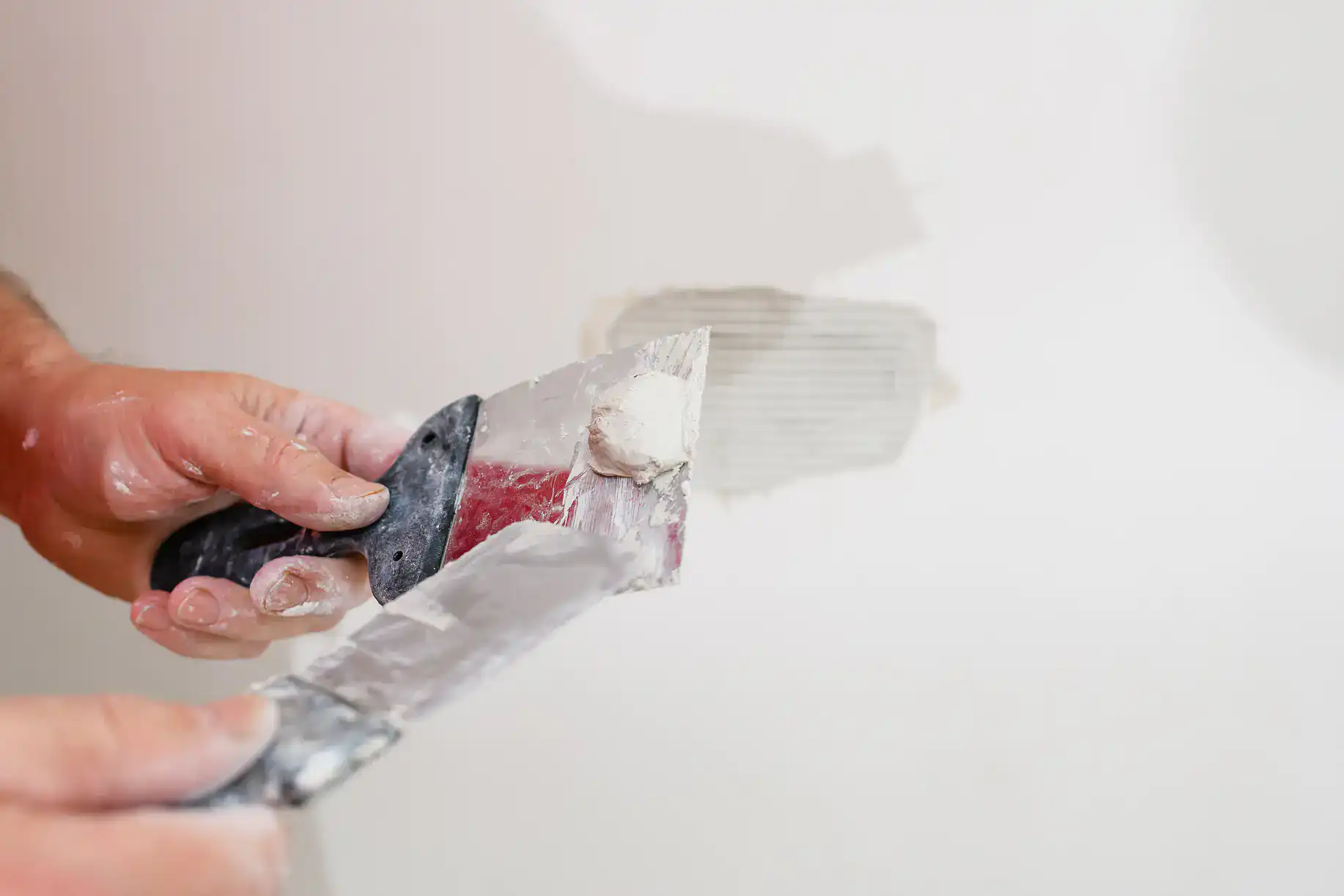
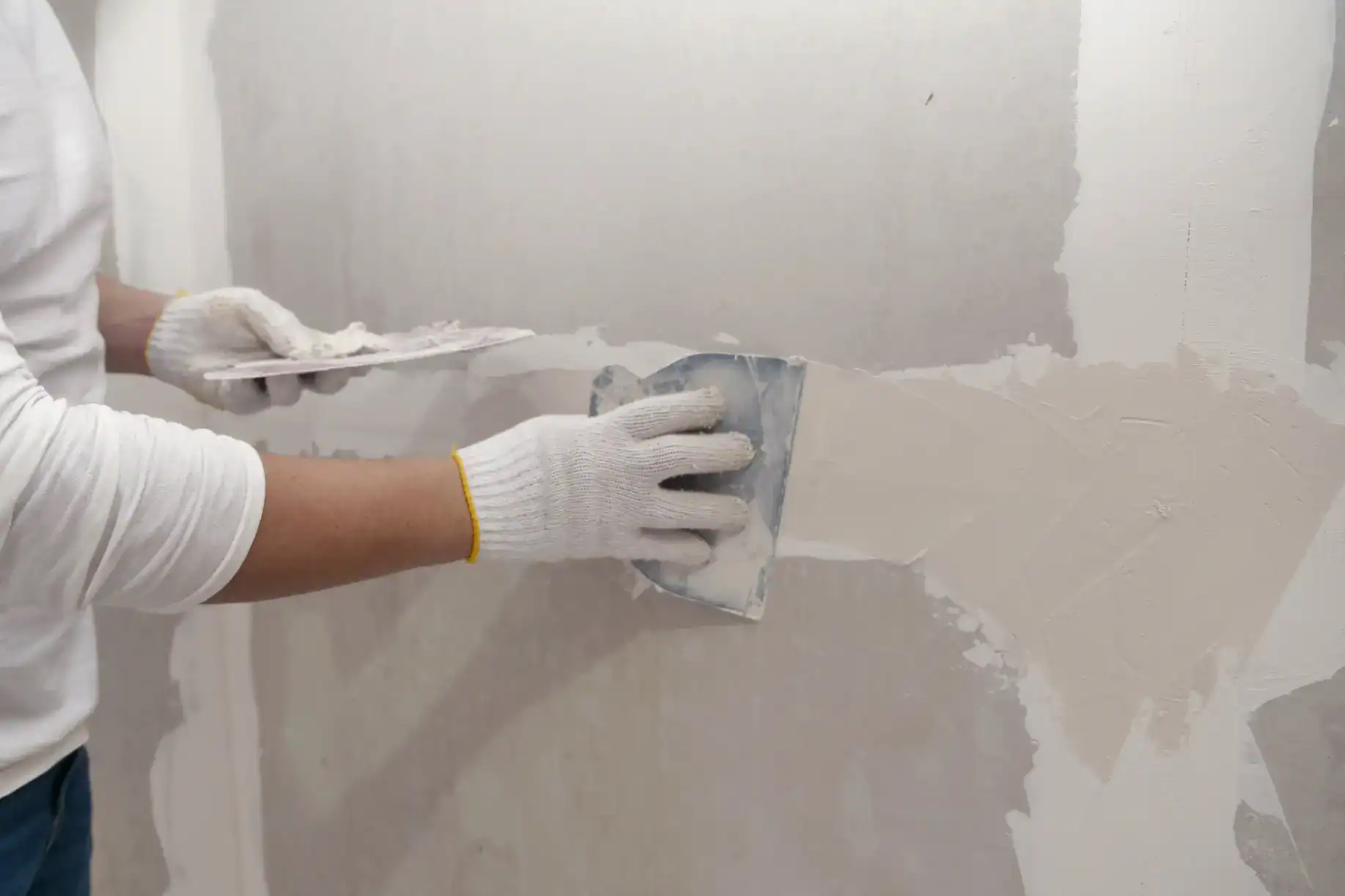
You’re looking at walls that won’t crack in six months. Seams you can’t see. Texture that actually matches what’s already there.
Most Philadelphia homeowners spend between $1,000 and $3,000 on drywall installation, depending on room size and project complexity. That investment should give you something that lasts—not something you’re patching again next year.
When the job’s finished, your floors are clean. Your furniture’s protected. The dust is gone. And you’ve got walls that look like they’ve always been there, especially important in older rowhomes where nothing is standard and every corner tells a different story.
Sharpe Drywall has spent years working in Montgomery, Bucks, and Philadelphia counties. We’re fully licensed and insured, which matters more than it sounds like it does when something goes wrong.
Philadelphia homes—especially the older ones in South Philly, Fairmount, Fishtown, and Mount Airy—come with their own challenges. Uneven framing, plaster walls, 12-inch joist spacing instead of the modern 16-inch standard. We’ve seen it all, and we know how to work around it without tearing apart your entire wall.
You’re not hiring someone who learned drywall installation from YouTube. You’re hiring contractors who understand what it takes to match existing textures, work within Philadelphia’s building codes, and finish the job without leaving your home looking like a construction zone.
First, we measure everything. Not just the obvious dimensions—ceiling height, wall length—but also what’s behind the walls, what’s uneven, and what’s going to cause problems if we don’t address it now.
Then we protect your floors and furniture. Drywall creates dust, but it doesn’t have to coat everything you own. We use protective sheeting and dust-free methods to keep the mess contained.
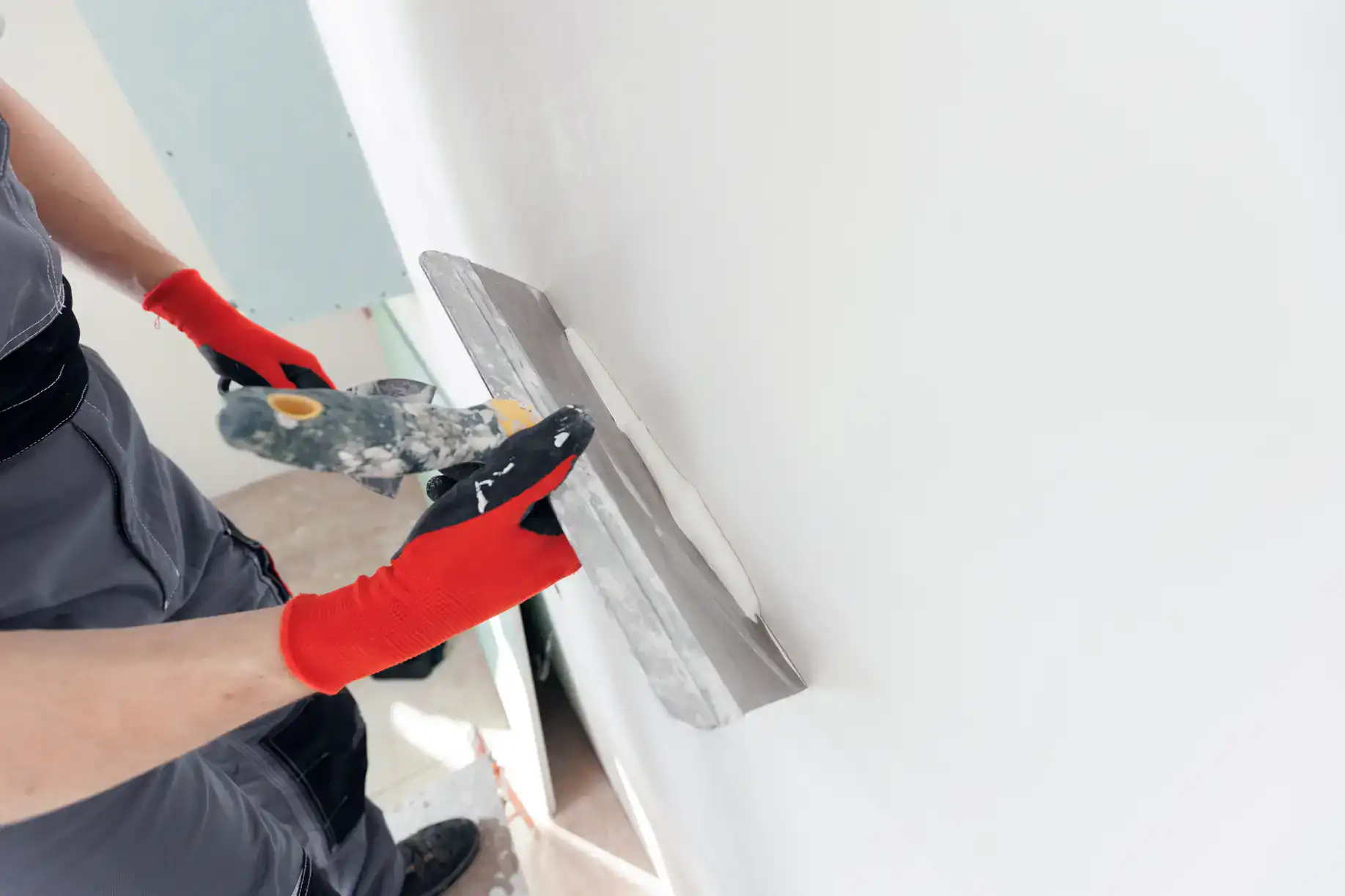
The actual installation starts with cutting and hanging each panel. Every piece is measured, cut precisely, and secured properly—not just slapped up and hoped for the best. Then comes taping and mudding, which is where most DIY projects fall apart. We apply multiple coats, let each one dry completely, and sand between coats to create seamless joints.
The final step is cleanup. We vacuum the work area, remove all materials and debris, and leave your home the way we found it—except with new walls that actually look professional.
Ready to get started?
The average cost to install drywall in Philadelphia is around $2,095, with most projects ranging from $1,077 to $3,118. Your actual cost depends on room size, ceiling height, drywall thickness, and whether you need texture matching or special finishes.
Here’s what that price includes: materials, labor, taping, mudding, sanding, and complete cleanup. No hidden fees. No surprise charges after the work is done. Just upfront pricing so you know exactly what you’re paying for.
Philadelphia’s housing market has homeowners choosing to renovate rather than move, especially with mortgage rates around 7%. That means more people are investing in their current homes—updating kitchens, bathrooms, and living areas. If you’re one of them, you want the work done right so it adds value, not problems.
Most residential drywall installation projects in Philadelphia take one to three days. A single room typically takes one day. Larger projects take longer, but we work efficiently without rushing through the steps that ensure quality results.
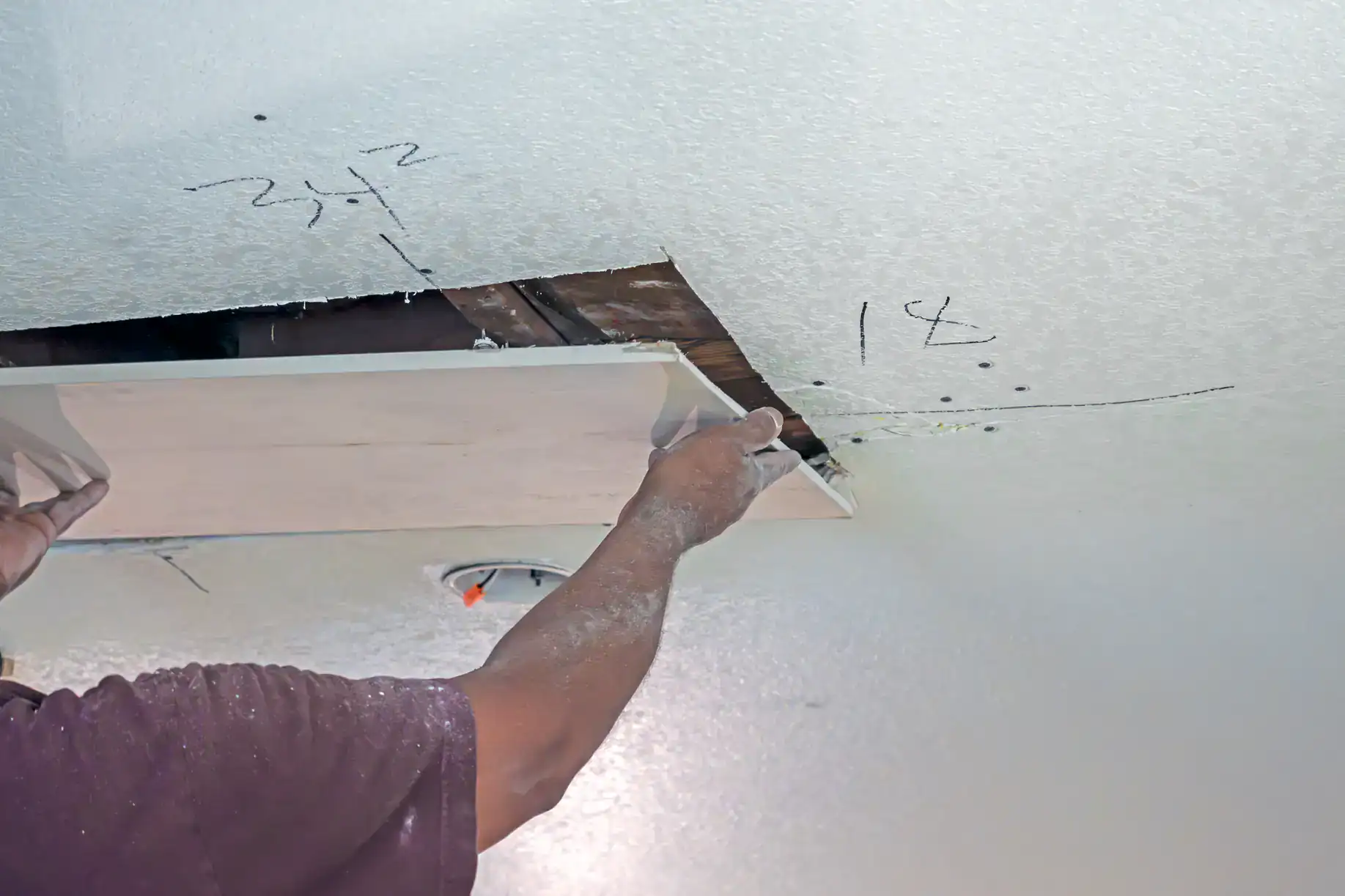
Most Philadelphia homeowners pay between $1,077 and $3,118 for professional drywall installation, with the average project costing around $2,095. Your final cost depends on several factors: room size, ceiling height, drywall type and thickness, and the finish you want.
A standard bedroom with 8-foot ceilings costs less than a living room with 10-foot ceilings. Moisture-resistant drywall for bathrooms costs more than standard drywall for bedrooms. Smooth finishes take more time and skill than basic textures.
When you get an estimate, it should include materials, labor, taping, mudding, sanding, and cleanup. If it doesn’t, ask what’s missing. Upfront pricing means no surprises when the job is finished—just a clear breakdown of what you’re paying for and why.
Yes, but it takes the right tools, materials, and technique. Philadelphia homes—especially older ones—have all kinds of textures: smooth finishes, orange peel, knockdown, and custom patterns that haven’t been popular in decades.
Matching texture isn’t just about the pattern. It’s also about thickness, application method, and how the light hits the wall. A texture that looks perfect in the morning might look completely different in the afternoon if it’s not applied correctly.
We’ve worked in enough Philadelphia rowhomes, twins, and historic properties to know what we’re looking at and how to replicate it. If your walls have a specific texture, we’ll match it so the repair blends in instead of standing out like a bad patch job.
Most residential projects take one to three days. A single room usually takes one day. Larger projects—multiple rooms, whole-home renovations—take longer, but we work efficiently without cutting corners.
The timeline depends on project size, how many coats of mud are needed, and drying time between coats. You can’t rush the drying process. If you do, the seams crack and the finish looks terrible.
We’ll give you a realistic timeline upfront so you know what to expect. No vague “we’ll get to it when we can” answers. Just a clear schedule that respects your time and gets the job done right.
Yes, and we’ve seen just about every challenge they throw at us. Older Philadelphia homes—especially rowhomes in South Philly, Fairmount, and Fishtown—come with uneven framing, plaster walls, non-standard dimensions, and joist spacing that doesn’t match modern building codes.
These aren’t problems you solve with generic solutions. You need to know how to work around them without tearing apart the entire wall or compromising structural integrity. That means understanding how these homes were built, what’s behind the walls, and how to integrate new drywall with old plaster.
We specialize in working with older Pennsylvania homes in Montgomery, Bucks, and Philadelphia counties. If your home was built before 1950, we’ve probably worked on one just like it.
Water damage needs to be addressed before we install new drywall. If moisture is still present, new drywall will just absorb it and you’ll be dealing with mold, warping, and more repairs down the line.
First, we identify the source of the water damage—leaking pipes, roof leaks, poor ventilation. Then we make sure it’s fixed and the area is completely dry. If the framing or insulation is damaged, that gets repaired too.
Once everything is dry and structurally sound, we install new drywall. Skipping these steps might save time upfront, but it creates bigger problems later. Water damage doesn’t go away on its own, and covering it up with new drywall just hides the issue until it gets worse.
Yes. Every contractor on our team is fully licensed and insured, which protects both you and us if something goes wrong.
Licensed contractors have met Pennsylvania’s requirements for training, experience, and knowledge of building codes. Insurance covers accidents, damage, and liability—things you don’t think about until they happen.
Hiring unlicensed contractors might save money upfront, but it puts you at risk. If someone gets hurt on your property or the work doesn’t meet code, you’re the one dealing with the consequences. Licensed and insured contractors give you peace of mind that the job is done right and you’re protected if anything goes wrong.
Other Services we provide in Philadelphia