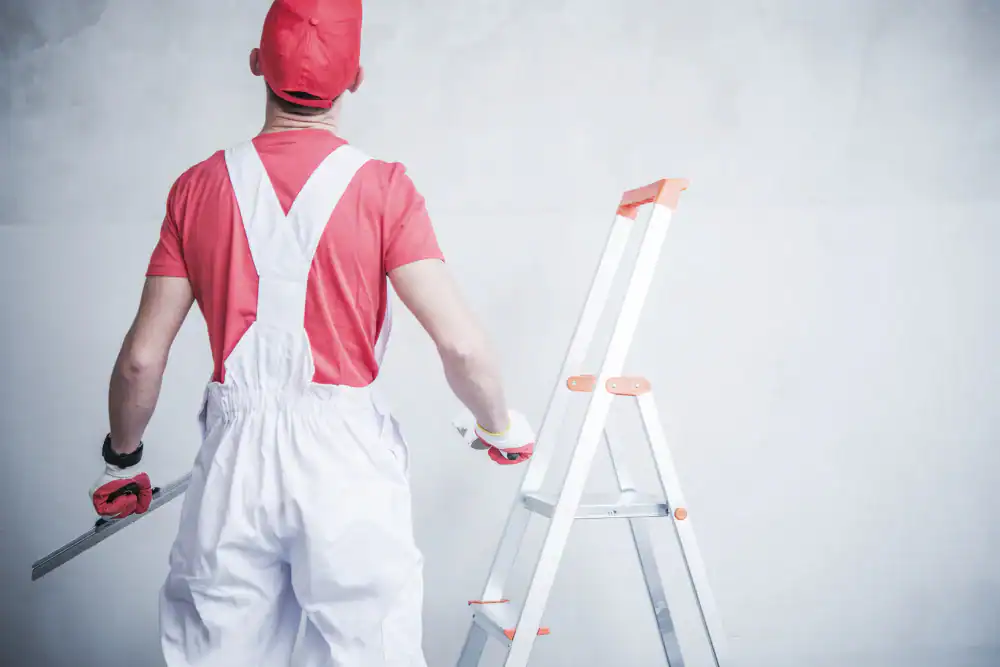
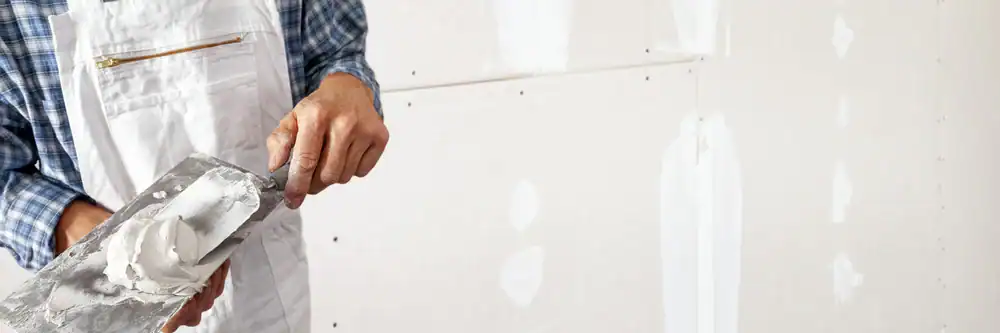
You’re not looking at that hole anymore. You’re not explaining to guests what happened or planning to hang a picture over it someday. The repair blends in completely because we match your texture, feather the edges properly, and prime and paint so the fix disappears.
Most drywall patching in Philadelphia gets done in a few hours. You call, we assess the damage, and we handle everything from the first coat of joint compound to the final cleanup. No dust left behind. No half-finished walls waiting for you to deal with.
Water stains from a roof leak or ceiling drip get sealed, patched, and painted over. Cracks from settling get filled correctly so they don’t reappear in six months. Door handle holes, furniture dings, or badly taped seams all get the same treatment: fixed right, finished clean.
We’ve been repairing walls across Philadelphia long enough to know what you’re dealing with. Row home plaster that’s a century old. Narrow staircases that make material delivery tricky. Settling foundations that cause recurring cracks if you don’t address them correctly.
We’re local, and that matters when you’re matching textures in older homes or working around the tight spaces typical of Philadelphia properties. You get crews who show up on time, assess the real scope of damage, and give you a straight answer about what it’ll take to fix it.
We’re not the cheapest option, and that’s intentional. You’re paying for texture matching that actually works, repairs that last, and a team that cleans up like they were in your home.
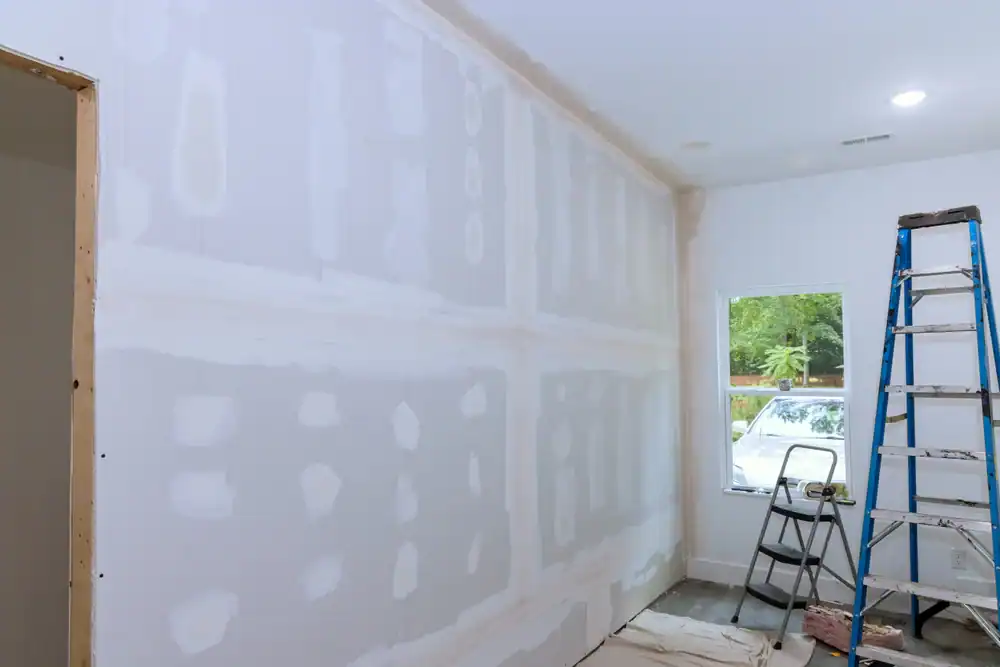
We start by cutting out damaged drywall and prepping the area so the patch sits flush. If there’s water damage, we check for mold and treat it before moving forward. You don’t want a clean-looking patch hiding a bigger problem.
Next comes the patch itself. We secure new drywall, apply joint compound in layers, and feather the edges so there’s no visible seam. Each coat needs proper dry time before sanding, which is why rushing this part always shows. We don’t rush it.
After sanding smooth, we match your texture. That’s where most drywall patching in Philadelphia falls apart—trying to blend knockdown or orange peel with a standard finish just highlights the repair. We replicate what’s already on your wall.
Finally, we prime and paint. You get a color match that blends with the surrounding area, not a patched square that stands out. We clean up all dust and debris before we leave, so you’re not dealing with drywall mud tracked through your house.
Ready to get started?
Every drywall patching job in Philadelphia includes damage assessment, material prep, patching, finishing, texture matching, and paint. We don’t patch your wall and leave you to figure out the rest.
Philadelphia’s building codes require fire-rated drywall in certain applications, especially in rowhomes where shared walls matter. We know when that applies and handle it correctly. You’re not getting a patch that fails inspection or creates a safety issue down the line.
Water damage gets extra attention. We don’t just cover stains—we find the source, treat for mold if needed, and make sure the area is completely dry before patching. Philadelphia’s weather and older infrastructure mean leaks happen, but they don’t have to turn into major problems if you address them fast.
Historic homes get specialized treatment. Matching 100-year-old plaster texture with modern joint compound takes experience, and we’ve done it enough to make it look original. You keep the character of your home without living with damaged walls.
Most small to medium repairs run between $150 and $400 depending on the size of the damage and whether you need texture matching and paint. Hourly rates in Philadelphia start around $50, but the total cost depends more on complexity than time.
A simple hole from a doorknob might take an hour or two and cost on the lower end. Water damage that requires mold treatment, multiple coats of joint compound, texture replication, and custom paint matching will cost more. We give you a clear estimate upfront so you know what you’re paying for.
Trying to save money with a cheap patch usually means you’re repainting the whole wall later to hide it, or you’re calling someone else to redo it. You’re better off paying for a repair that blends in the first time.
Most drywall patching in Philadelphia gets done in a few hours to one day. Small patches can be completed the same day if dry time cooperates. Larger repairs or water damage might take two days to allow for proper drying between coats.
Joint compound needs time to dry before you can sand and apply the next layer. Rushing that process leads to cracking and visible seams. We don’t skip dry time just to finish faster—it shows in the final result.
If you need emergency service for water damage, we can start the same day. Getting a patch in place quickly prevents further damage, even if the finishing work takes another day or two.
Yes, and that’s one of the most important parts of drywall patching in Philadelphia. Textured walls are common here, especially in older homes, and a smooth patch on a knockdown or orange peel wall stands out immediately.
We replicate your existing texture using the right tools and techniques. That might mean a specific trowel pattern, spray texture, or hand application depending on what’s already on your wall. The goal is making the repair invisible, and texture matching is what gets you there.
If your walls have been painted over multiple times or the texture has worn down in spots, we’ll match the surrounding area as closely as possible. Sometimes that means blending a slightly larger area so the transition isn’t obvious.
Recurring cracks usually mean the house is still settling or there’s movement in the framing. Philadelphia has a lot of older homes with foundations that shift over time, and that movement transfers to your walls.
If we’re patching a crack that’s opened up before, we look at why it’s happening. Sometimes it’s a structural issue that needs attention before any drywall repair will hold. Other times it’s just normal settling that’s slowed down, and a proper repair with the right joint compound and technique will last.
Badly taped seams also crack as houses settle. If the original drywall installation was rushed or done poorly, those seams fail first. We re-tape and finish them correctly so they hold up long-term.
Absolutely. Patching over water-damaged drywall without treating the problem first just hides it temporarily. We check for mold, assess whether the drywall needs full replacement or can be dried and patched, and make sure the leak source is identified.
Philadelphia’s older roofs and plumbing mean water damage happens. The key is acting fast. Drywall that’s been wet for more than a day or two often needs replacement, not patching. If it’s caught early and dried properly, a patch can work.
We treat any mold we find and make sure the area is completely dry before applying joint compound. Moisture trapped behind a patch leads to bigger problems—peeling paint, recurring stains, and structural damage you can’t see until it’s expensive.
Not if the patch is done right. We prime and paint the repaired area to match your existing wall color. Most of the time, you won’t need to repaint the whole wall unless the paint has faded unevenly or you want a completely uniform look.
Color matching works best when your paint is relatively new and hasn’t been exposed to years of sunlight or smoke. If your walls are older, we can blend the patch as closely as possible, but you might notice a slight difference in certain lighting.
We always recommend keeping some extra paint from your original job if you have it. That makes matching easier. If not, we can usually get close enough that the repair blends in without repainting the entire room.
Other Services we provide in Philadelphia