You’re looking at walls that don’t telegraph every repair six months later. No bubbles pushing through your paint. No shadows along the seams when the light hits at certain angles. No obvious patches that scream “something was fixed here.”
Proper drywall finishing means your walls are ready for any paint finish you choose. Flat, eggshell, satin—it doesn’t matter. The surface is smooth enough that the paint does what it’s supposed to do: look good and stay that way.
This matters more in Philadelphia homes than you might think. Older construction means settling, seasonal movement, and repairs that need to blend with existing textures. Getting it right the first time saves you from repainting rooms because the finish work wasn’t done properly.
We handle residential drywall finishing across Philadelphia, Montgomery County, and Bucks County. We work in rowhomes in Fishtown, twins in Northeast Philly, and single-family homes in the surrounding counties.
Over a decade of work in this area means we’ve dealt with every wall condition you can imagine. Plaster-over-lath that’s finally giving out. Settling cracks from foundation shifts. Water damage from old pipes. Texture matching on walls that haven’t been touched since the ’70s.
We’re licensed, insured, and local. That means we’re accountable to the neighborhoods we work in, and we treat your home the way we’d want ours treated.
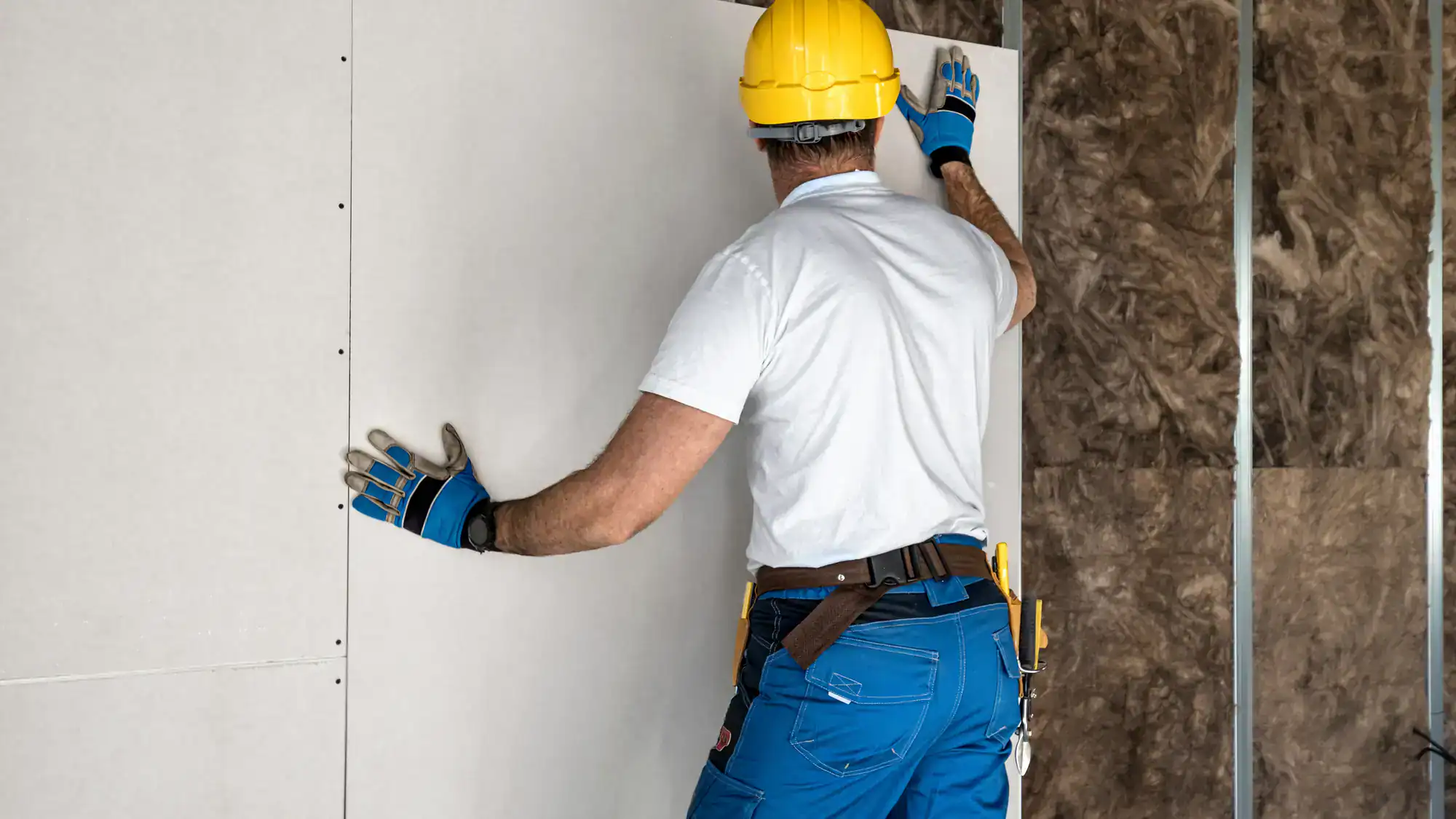
We start by protecting your floors and furniture. Then we assess what finish level you need based on your paint choice and lighting conditions.
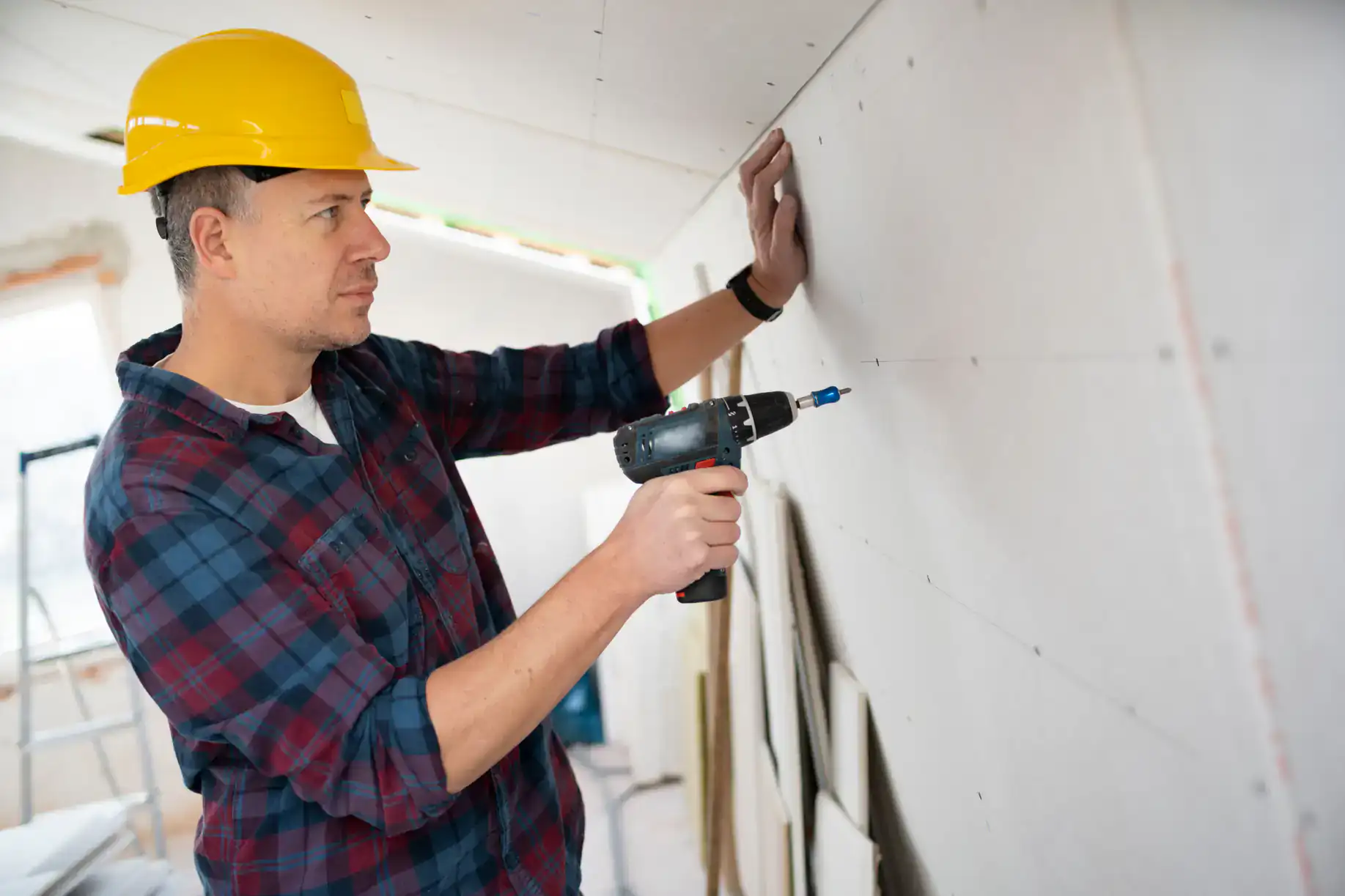
Taping comes first. We embed paper or mesh tape into the joints with a thin layer of mud, making sure it’s smooth and bubble-free. This is where most problems start if it’s done wrong.
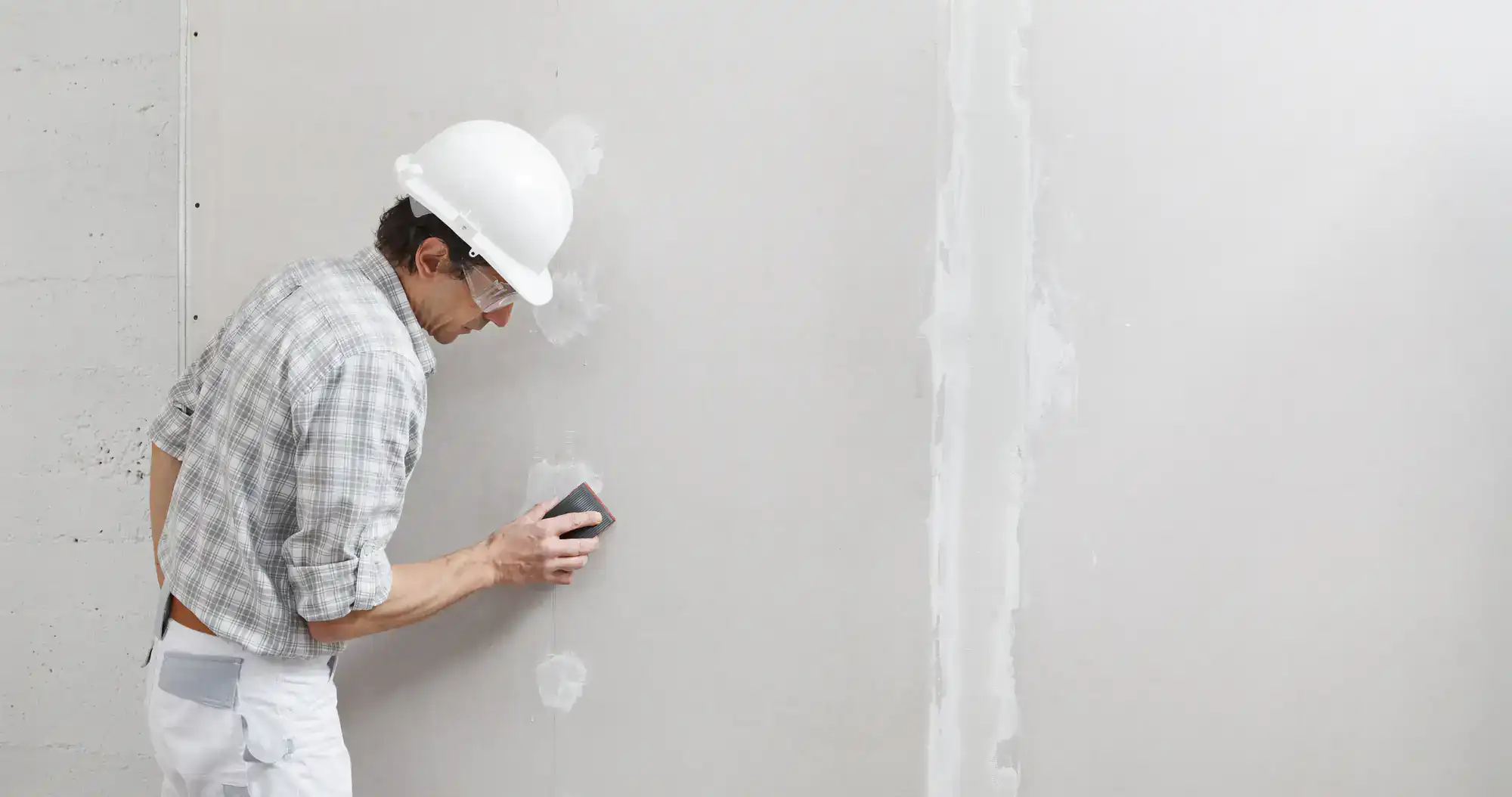
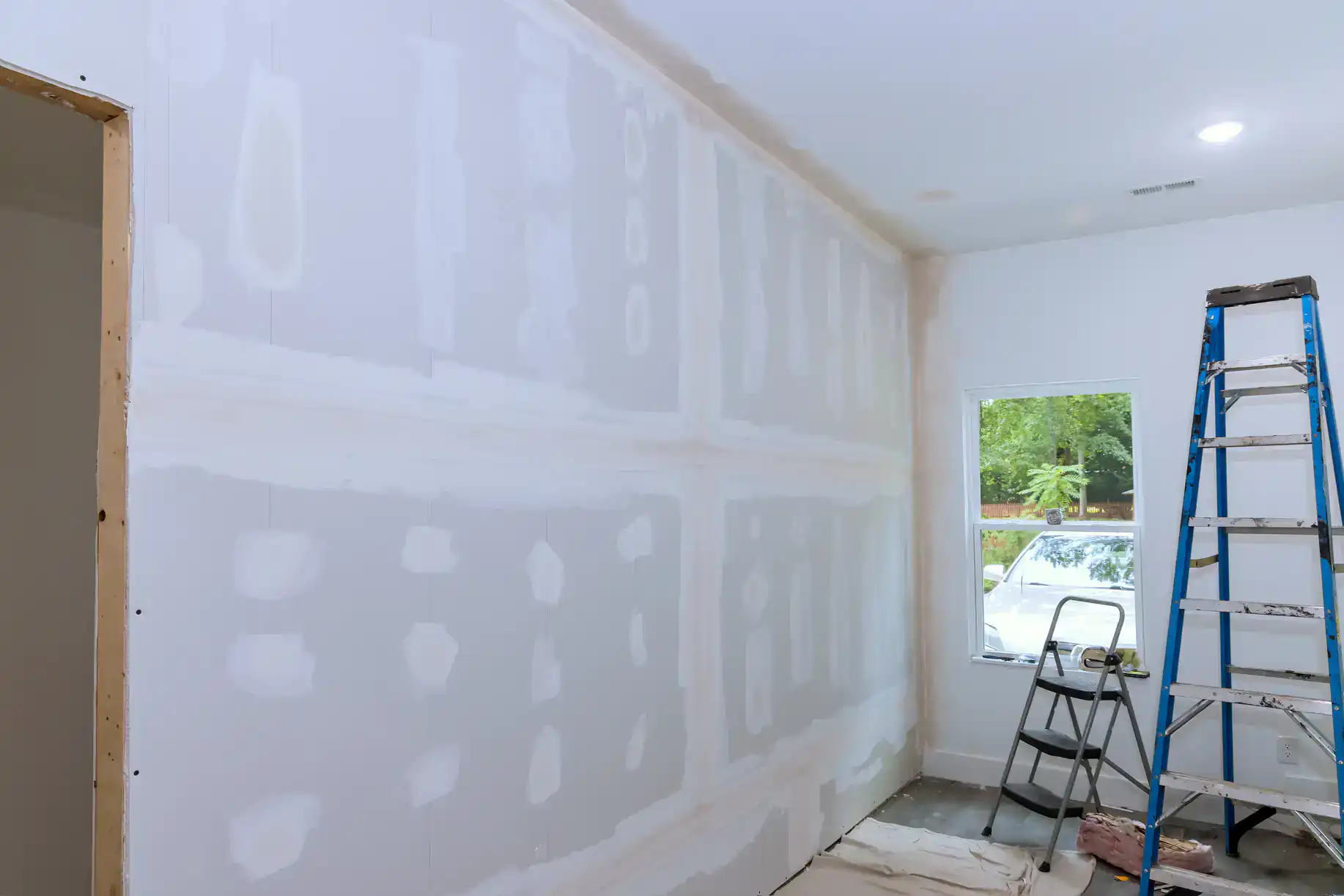
Then comes mudding—multiple coats applied in layers. Each coat gets wider and thinner than the last. We’re feathering the edges so there’s no visible ridge where the mud stops. Between coats, everything gets sanded smooth.
For texture matching, we replicate whatever’s already on your walls. Orange peel, knockdown, skip trowel—we match the pattern and density so you can’t tell where the repair ends and the original wall begins. Final inspection happens before we clean up completely and leave your space ready for paint.
Ready to get started?
You get complete drywall finishing from taping through final sanding. That includes all materials—mud, tape, corner bead, and any specialty products needed for your specific job.
We handle finish levels from Level 3 (standard for textured walls) up to Level 5 (the smoothest finish for critical lighting and high-end paint). Most Philadelphia homes need Level 4, which gives you a smooth surface that works with flat or low-sheen paints.
Texture matching is standard when you’re doing repairs. We don’t just patch and hope it blends. We test the pattern, adjust the mix and application method, and make sure it actually matches before we’re done.
Cleanup is part of the job, not an extra. We contain dust during sanding, vacuum thoroughly, and remove all debris. Philadelphia rowhomes don’t have space for construction mess sitting around, so we handle it the same day.
Most finishing jobs in Philadelphia homes take one to two days depending on the scope. A single room with a few repairs and texture matching usually wraps up in a day. Larger projects—like finishing multiple rooms after a renovation or addressing extensive water damage—might stretch to two or three days.
The timeline depends on how many coats of mud you need and drying time between coats. We can’t rush the drying process without compromising quality. Each coat needs to cure properly before sanding and applying the next layer.
If you’re working with an older Philadelphia home, add time for prep work. Uneven framing, plaster removal, or dealing with non-standard dimensions takes longer upfront but ensures the finished product actually looks right.
Finish levels range from 1 to 5, and they describe how smooth and refined the surface is. Level 1 is just tape embedded in mud—no finishing coats. Level 5 is a full skim coat over the entire surface for a glass-smooth finish.
Most Philadelphia homeowners need Level 4. That’s smooth enough for flat or eggshell paint and suitable for normal lighting conditions. You get taped joints, multiple coats of mud feathered out, and everything sanded smooth. It’s the standard for quality residential work.
Level 5 makes sense if you’re using flat paint in a room with harsh lighting or large windows. The skim coat eliminates any subtle imperfections that would show up under critical lighting. It costs more and takes longer, but it’s worth it in the right situations. We’ll tell you honestly whether you need it or if Level 4 will do the job.
Yes. Texture matching is a standard part of repair work, and it’s especially important in Philadelphia homes where walls might have original textures from decades ago.
We start by identifying what type of texture you have—orange peel, knockdown, skip trowel, or something custom. Then we test our application method on a sample board or inconspicuous area to dial in the pattern and density.
The key is matching both the texture style and the scale. A knockdown texture from the ’80s looks different from one applied today if you don’t adjust your technique. We replicate what’s there so the repair blends completely. Once it’s painted, you won’t be able to tell where the new work stops and the old wall begins.
Finishing costs depend on the size of the area, the finish level you need, and whether we’re matching existing textures. Small repair jobs in Philadelphia typically start around a few hundred dollars. Finishing an entire room runs higher depending on square footage and complexity.
Level 5 finishes cost more than Level 4 because of the additional skim coat and labor involved. Texture matching adds time, especially if it’s a custom or older pattern that requires testing and adjustment.
We give you upfront pricing before starting work. No surprises, no hidden fees for materials or cleanup. You’ll know exactly what you’re paying for and why. The investment makes sense when you consider the alternative—repainting in six months because the finish work wasn’t done right the first time.
Yes, and it’s common in Philadelphia homes. Old plumbing, roof leaks, and basement moisture all lead to drywall damage that needs professional finishing after the source is fixed.
Water-damaged drywall usually needs replacement, not just patching. Once we remove the damaged sections and install new drywall, the finishing process is the same—taping, mudding, sanding, and texture matching to blend with the surrounding walls.
Timing matters with water damage. The longer wet drywall sits, the more likely you’ll deal with mold or structural issues. We can prioritize water damage jobs and often complete them within a day or two of your call. The key is addressing both the damaged drywall and the finishing work properly so you don’t have problems down the road.
Clear the room as much as possible. Move furniture away from walls or into the center of the room so we have access to work areas. We’ll handle floor protection and covering anything that stays in the room.
If you have wall decorations, outlet covers, or switch plates in the work area, removing those ahead of time helps. We can do it, but it saves time if it’s already done.
Let us know about any concerns with dust sensitivity or specific areas you want extra protection on. We use dust containment methods during sanding, but older Philadelphia homes with HVAC systems sometimes need additional precautions. The more you tell us upfront, the better we can plan for a clean, efficient job.
Other Services we provide in Philadelphia