You’re not looking at that crack anymore. You’re not explaining the patched spot to guests. The repair blended in weeks ago, and you’ve moved on.
That’s what happens when someone who specializes in drywall handles the job instead of a general handyman trying to squeeze it between other tasks. Texture gets matched under multiple lighting conditions. Seams disappear completely. The finish holds up through humidity swings and settling that older homes go through.
Homes in Crestmont Farms were mostly built around 1958, which means your walls have been through decades of temperature shifts and foundation movement. That creates specific challenges with cracking and separation that require more than spackle and hope. You need someone who understands how plaster and drywall behave in older construction, what causes recurring cracks versus cosmetic ones, and how to prep surfaces that have been painted over multiple times.
The difference shows up in how long the repair lasts and whether you can actually see where the work was done. Most people can’t tell after we leave. That’s the standard.
Sharpe Drywall exists because the drywall contractor market in Montgomery and Bucks County had a reliability problem. Jobs left half-done, messes not cleaned up, repairs that looked worse than the original damage.
We’re locally owned and operate exclusively in this area. That means we’re not franchising out work or rotating through subcontractors who don’t know the neighborhoods. When you call, you’re talking to people who live here and have worked on homes like yours for over ten years.
Crestmont Farms has a specific housing profile—mostly spacious townhouses from the 1960s and 1970s with three to four bedrooms. We’ve worked in enough of them to know what the common issues are: settling cracks near doorframes, nail pops in ceilings, water damage from older plumbing. We’re fully licensed and insured, so your property stays protected throughout the process.
You reach out, we schedule a time to look at the damage. Most repairs get quoted on the spot because we’ve seen the issue before and know exactly what it takes to fix it right.
Once you approve the estimate, we schedule the work. Small to medium repairs typically finish in one visit. Larger jobs or water damage might need a second day for final coats and texture matching. We bring all materials, tools, and drop cloths—you don’t need to prep anything.
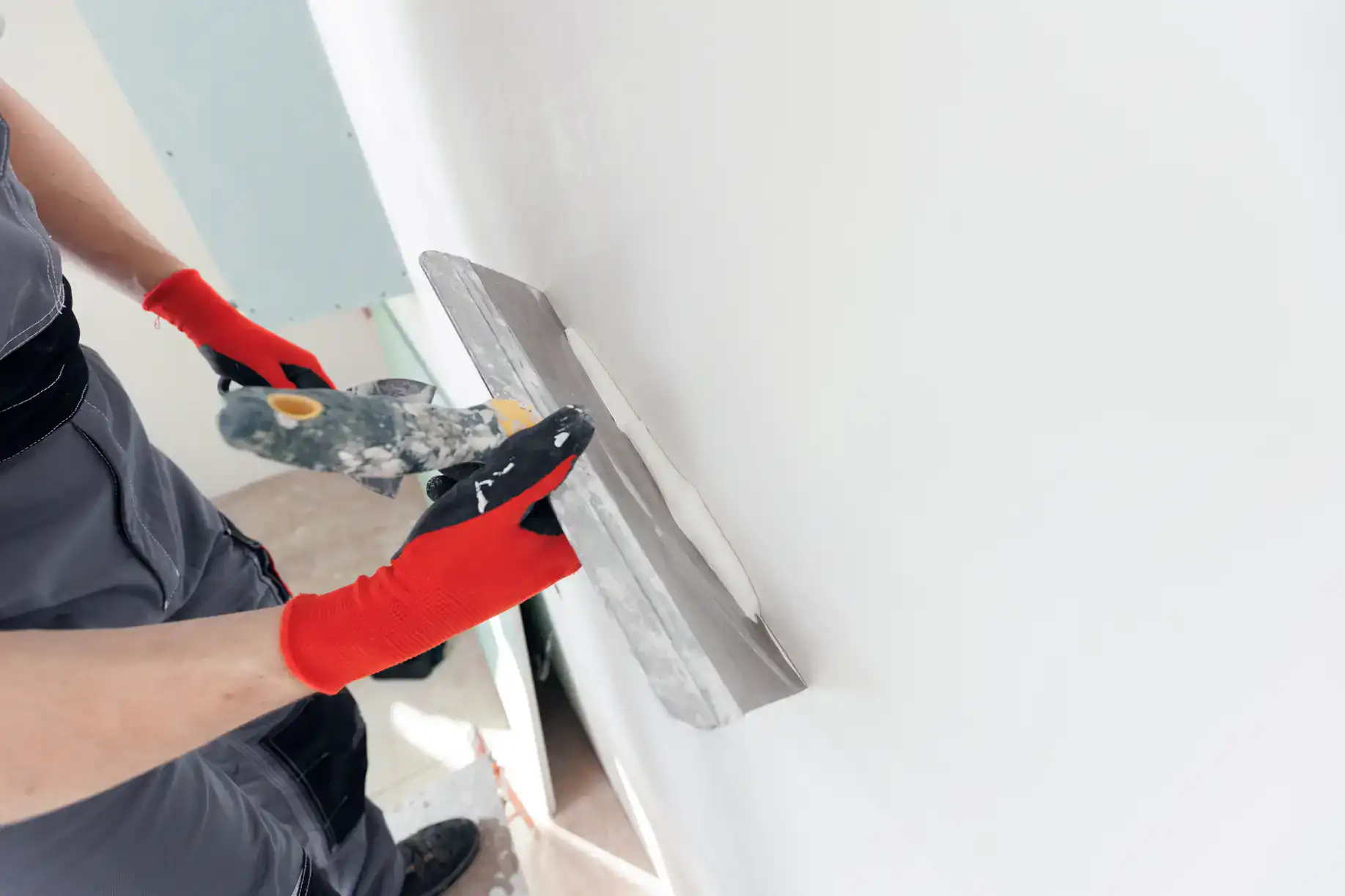
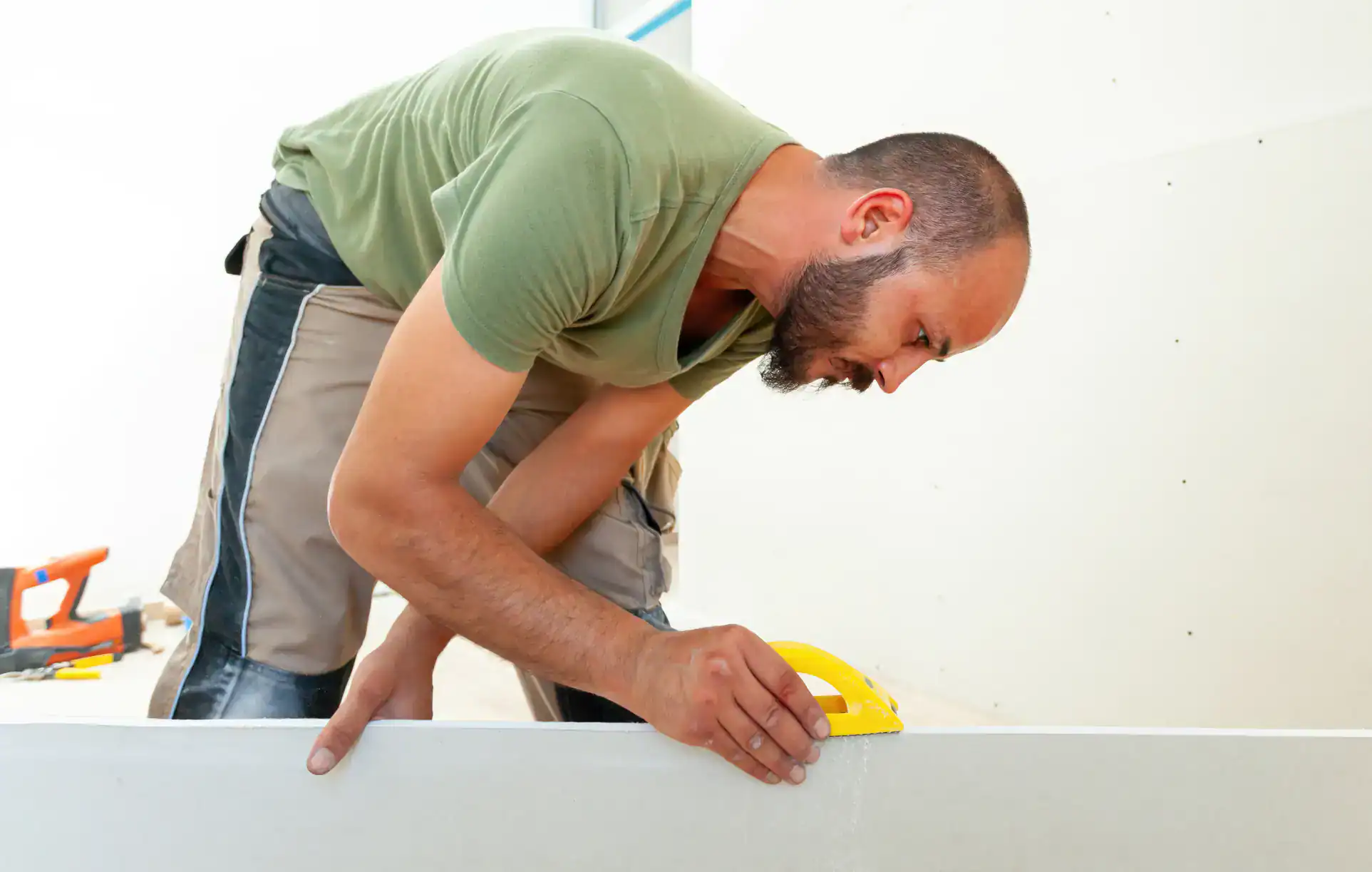
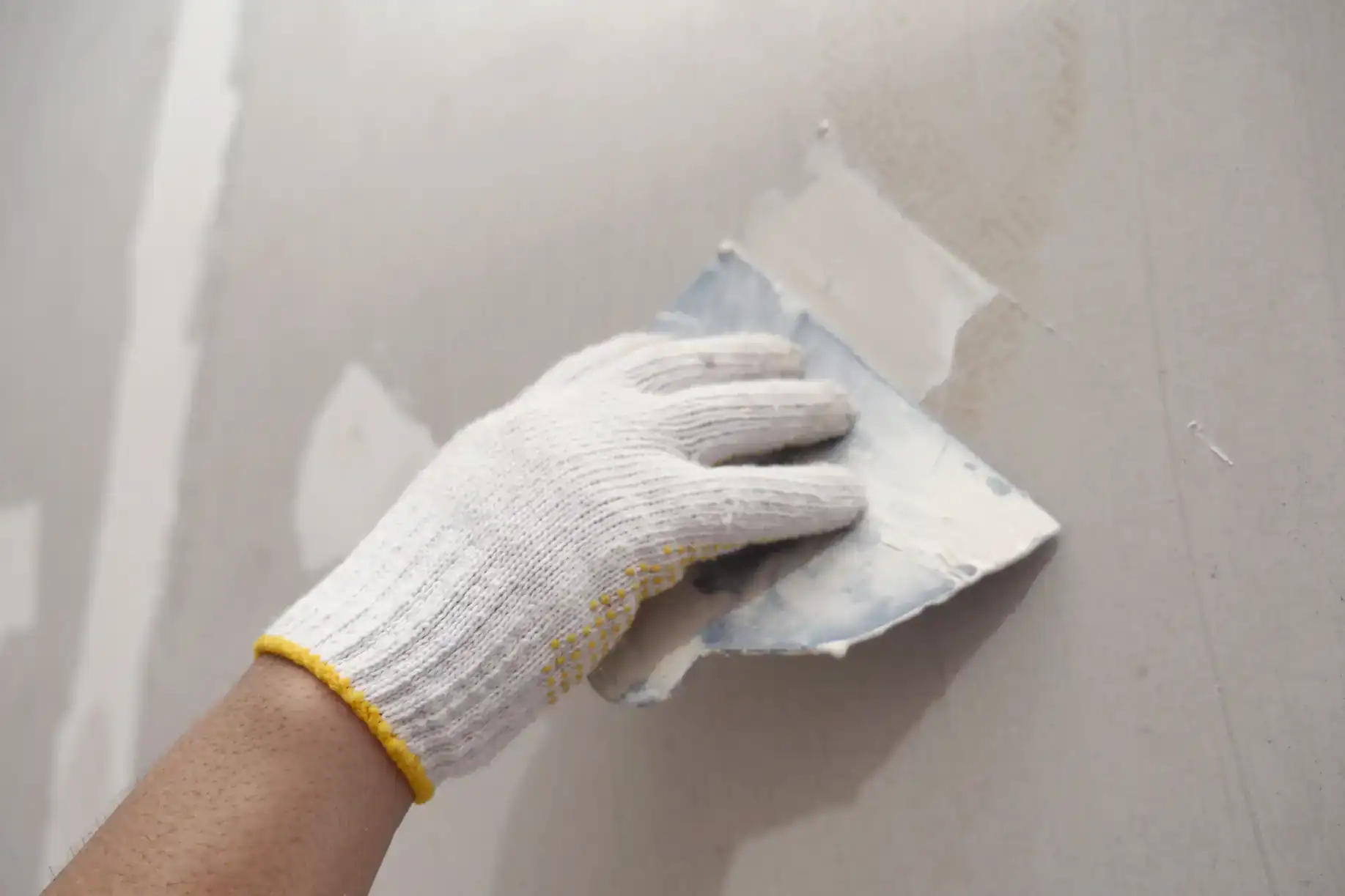
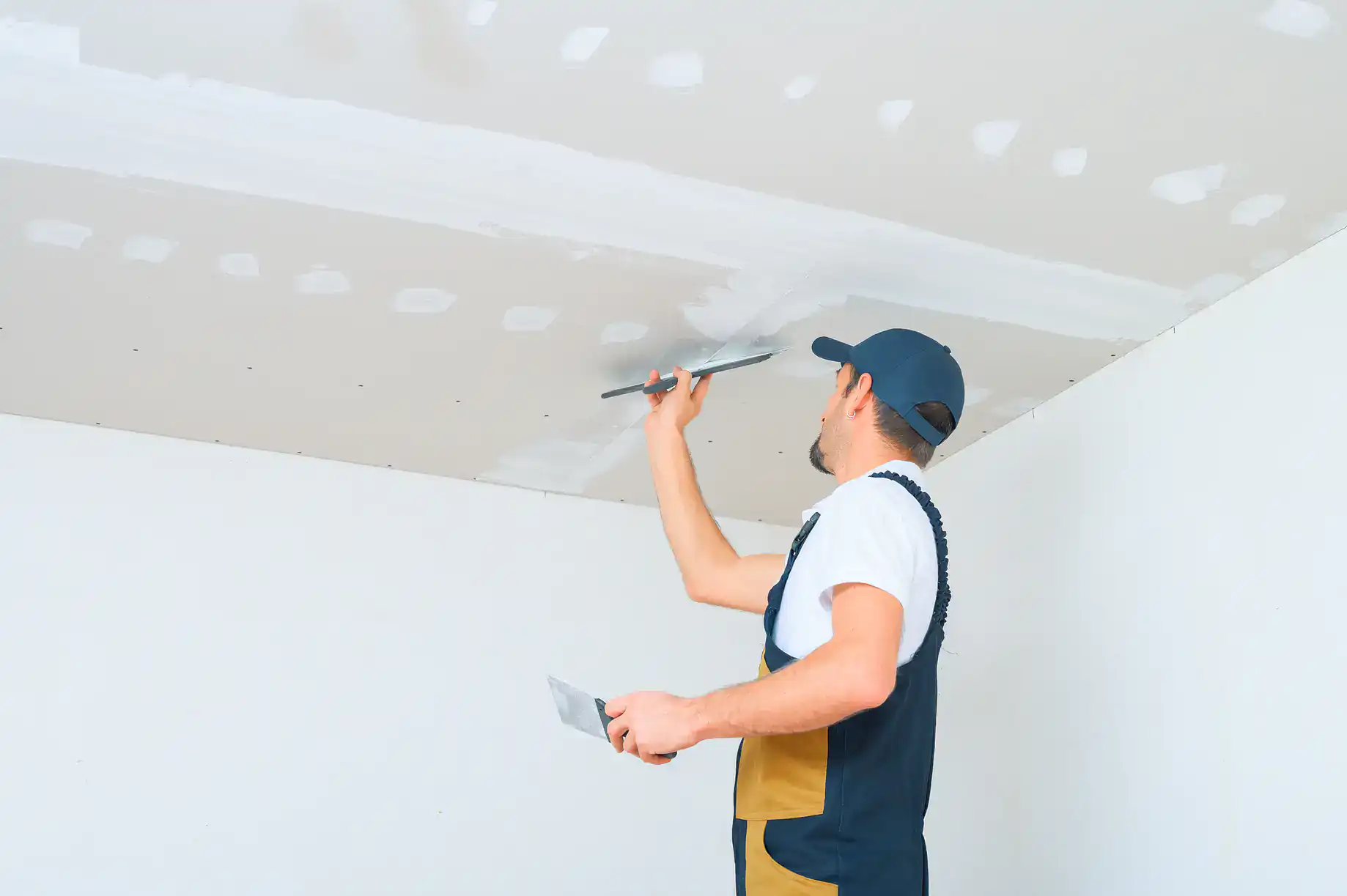
The actual repair process depends on what we’re fixing. Holes get cut clean, backing installed if needed, new drywall fitted and secured. Then comes mudding, taping if there are seams, sanding between coats, and texture matching. That last part is where most DIY attempts and rushed contractors fall short. We match your existing texture under different light sources to make sure it blends completely.
Cleanup happens as we go, and a final sweep before we leave means no dust, no mud on floors, no debris in your space. You’re left with a finished surface ready for paint, or we can handle that too if you want the whole thing done.
Ready to get started?
Drywall repair costs in Crestmont Farms typically run between $300 and $800 depending on the size and complexity of the damage. Small holes or nail pops sit on the lower end. Larger sections, water damage, or ceiling repairs cost more because they require more material, time, and precision work.
You’re paying for invisible results. That means multiple coats of joint compound applied thin and sanded smooth between each layer. It means matching the orange peel or knockdown texture that’s already on your walls so the repair disappears. It means understanding how older homes settle and where cracks are likely to reappear if not addressed at the source.
Homes built in the late 1950s and 1960s, like most in Crestmont Farms, deal with specific issues. Foundation settling causes stress cracks. Plaster walls underneath drywall patches behave differently than pure drywall construction. Seasonal soil moisture changes create movement that shows up as separation along seams. We account for all of that in how we prep and finish repairs.
You also get transparent pricing with no surprise fees, complete cleanup included, and fully insured contractors who respect your home. The work gets inspected under critical lighting before we call it done, so imperfections get caught and corrected before you ever see them.
Small repairs like nail pops, doorknob holes, or hairline cracks usually cost between $300 and $500. That covers patching, mudding, sanding, and texture matching to blend the repair into your existing wall.
Larger damage—anything bigger than a fist, water-damaged sections, or ceiling repairs—typically runs $500 to $800 or more. The price increases because these jobs need more material, additional coats of compound, and more time to match textures properly across a bigger surface area.
The cost of drywall repair per square foot is generally higher than new installation because you’re paying for precision work. Matching existing finishes and blending repairs invisibly takes more skill and time than hanging fresh drywall in new construction. If you’re comparing quotes, the cheapest option usually means fewer coats, less attention to texture matching, and a repair you’ll be able to see after it’s painted.
Yes. Texture matching is one of the most important parts of drywall repair and where most DIY attempts fail. We match orange peel, knockdown, skip trowel, and other common textures used in homes throughout Crestmont Farms.
The process involves looking at your existing texture under different lighting conditions—natural light, overhead lights, angled light—to see exactly how it’s applied. Then we replicate that pattern using the right tools and techniques, whether that’s a spray hopper, trowel, or roller. After it dries, we check it again before calling it finished.
Homes built in the 1950s and 1960s often have textures that were applied by hand, which means there’s natural variation across the wall. We account for that so the repair blends into the surrounding area instead of standing out as a flat, smooth patch. If the texture match isn’t invisible, we redo it. That’s the standard.
Most small to medium repairs finish in one visit, usually within a few hours. That includes patching the damage, applying joint compound, sanding, and matching texture. You can paint over it the same day once everything dries.
Larger repairs or jobs involving water damage might need a second visit. The first day covers cutting out damaged material, installing new drywall, and applying initial coats of mud. The second day handles final coats, sanding, and texture matching after everything has dried properly. Rushing those steps leads to visible seams and cracks that reappear later.
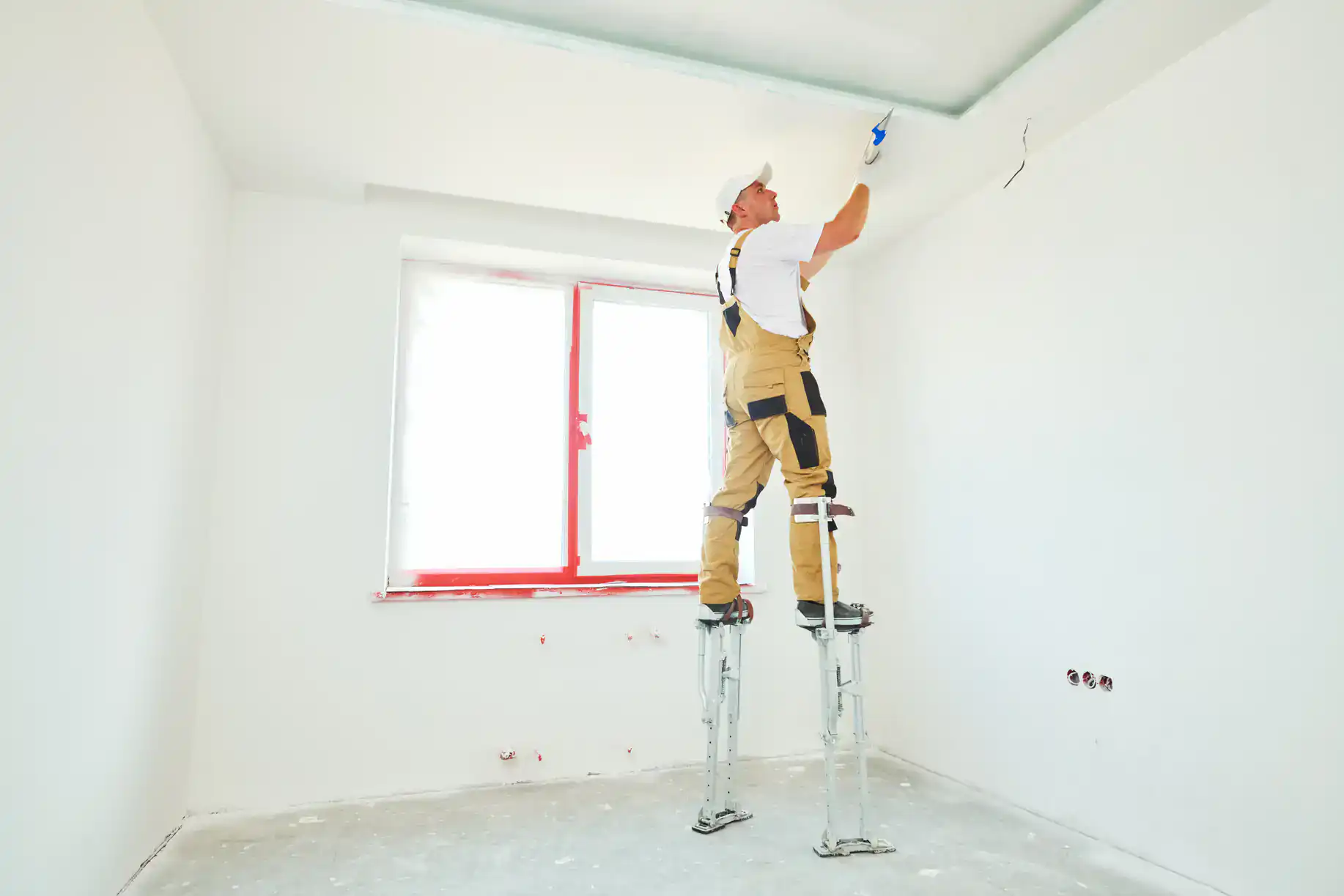
Ceiling repairs sometimes take longer because overhead work requires more precision and drying time between coats. We don’t leave a job until it’s actually finished—not “good enough,” but finished to the point where you can’t tell where the repair was done. That might mean an extra coat or additional sanding that other contractors skip.
Yes, we handle water-damaged drywall and use mold-resistant materials when replacing sections that got wet. Water damage requires cutting out the affected area completely because drywall doesn’t dry properly once it’s been soaked—it loses structural integrity and becomes a breeding ground for mold.
We identify the source of the water intrusion first. If it’s an active leak, that needs to be fixed before we repair the drywall, or the problem will just come back. Once the area is dry and the leak is resolved, we remove damaged sections, treat the framing if needed, and install new mold-resistant drywall.
Older homes in Crestmont Farms sometimes deal with plumbing issues or roof leaks that go unnoticed until the damage shows up on walls or ceilings. We’ve worked on enough of these homes to recognize patterns—water stains near windows, ceiling damage below bathrooms, discoloration along baseboards. The repair process is straightforward, but it has to be done right or you’ll see recurring problems within months.
Cracks reappear because the underlying cause wasn’t addressed, just the symptom. Most recurring cracks in Crestmont Farms homes are caused by foundation settling, temperature fluctuations, or structural movement—all common in houses built in the late 1950s and 1960s.
When you spackle over a crack without reinforcing it or addressing why it formed, the same stress that caused the original crack just breaks through the patch. Proper repair involves using mesh tape or paper tape over the crack, applying multiple thin coats of joint compound, and sometimes adding blocking behind the drywall if the framing has shifted.
Homes in this area sit on soil that expands and contracts with moisture changes throughout the year. That creates slight foundation movement, which shows up as cracks in drywall, especially near door frames, corners, and along ceiling seams. We prep these areas differently than cosmetic damage because we know they’re under ongoing stress. That means reinforcing the repair so it flexes slightly instead of cracking again in six months.
No, we can handle the painting if you want the entire job done in one go. Most customers prefer that because it eliminates coordinating between multiple contractors and ensures the finish matches without any gaps in the timeline.
If you’d rather use your own painter or handle it yourself, that’s fine too. We leave the repaired surface primed and ready for paint. The texture will be matched and the surface sanded smooth, so all that’s left is applying your topcoat.
Combining drywall repair and painting makes sense for most projects because we’re already there, we know exactly what prep work was done, and we can ensure the final finish looks seamless. It also saves you time—no waiting for another contractor to fit you into their schedule or explaining where the repairs were done. One call, one crew, one completed project.
Other Services we provide in Crestmont Farms