
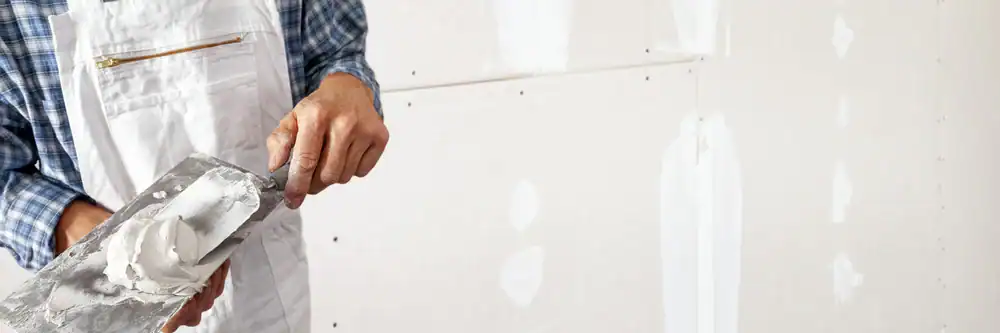
When drywall patching is done right, you can’t tell where the damage was. The texture matches. The surface is smooth. The paint blends in.
Most jobs wrap up in a few hours. You’re not waiting days for a contractor to show up, patch it halfway, and leave you with a visible repair that screams “something happened here.” You get a clean fix that actually holds up.
This matters if you’re selling soon and need your home to show well. It matters if you’re hosting family and don’t want them staring at that hole by the staircase. And it especially matters if you’ve got older walls in Crestmont Farms that have seen settling, moisture, or just decades of wear. Small problems turn into bigger ones when ignored. A crack today becomes a water issue tomorrow. A dent becomes a full panel replacement if it’s not sealed properly.
You don’t need drama. You need someone who knows how to assess the damage, prep it correctly, and finish it so it disappears.
We work throughout Crestmont Farms and the surrounding Philadelphia area. We know the housing stock here—lots of older homes, lots of settling, lots of texture that’s hard to match if you don’t know what you’re doing.
We’re not a handyman with a tub of spackle. We’re drywall specialists. That means we understand how moisture moves through walls, how to reinforce weak spots, and how to replicate textures that were popular in the ’70s, ’80s, and ’90s.
You’re not getting a patch job that looks like a patch job. You’re getting a repair that blends in because we take the time to do it right. And because we’re local, we show up when we say we will.
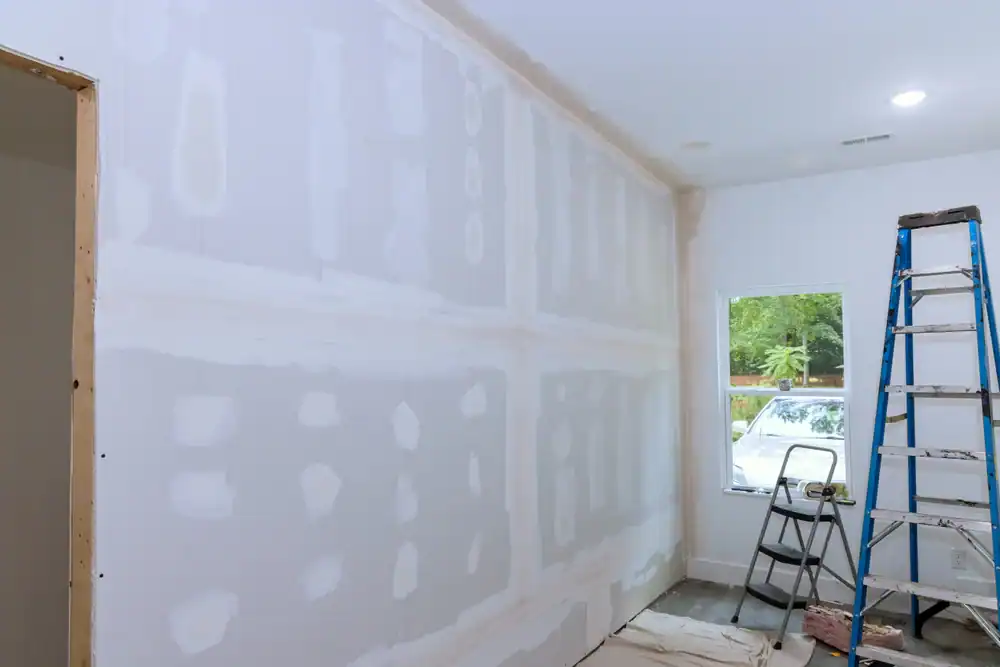
First, we inspect the damage. Not every crack is just cosmetic. Sometimes there’s water behind it. Sometimes the framing shifted. We check for that before we start patching because covering up a bigger problem doesn’t help anyone.
Next, we prep the area. That means cutting out damaged drywall if needed, cleaning edges, and making sure everything’s dry and stable. If there’s mold or moisture, we address it. If the hole is large, we add backing for support.
Then comes the actual drywall patching. We apply joint compound in layers, letting each one dry properly. Rushing this step is how you end up with cracks reappearing in six months. We sand it smooth between coats so the surface is level with the surrounding wall.
The hardest part—and where most people mess up—is texture matching. Crestmont Farms homes have everything from knockdown to orange peel to popcorn ceilings. We match it by hand so the repair blends in. After that, we prime and paint if needed, or leave it ready for your painter.
You’re left with a wall that looks whole again. No visible seams. No rough spots. Just a clean surface.
Ready to get started?
You get a full assessment of the damage, not just a quick look. We check for underlying issues like water damage, mold, or structural movement that caused the crack or hole in the first place.
We handle all sizes—small nail pops, doorknob holes, large sections damaged by leaks or accidents. If it’s sheetrock, we can patch it. That includes ceilings, which are trickier because gravity works against you and texture is harder to match overhead.
Texture matching is included. This isn’t an add-on or an extra fee. It’s part of getting the repair to actually look right. Whether your walls have a light orange peel or a heavy knockdown, we replicate it so the patch disappears.
In Crestmont Farms, where the median home is over 40 years old, we see a lot of settling cracks and water damage from aging roofs or plumbing. These aren’t always simple fixes. Sometimes we’re reinforcing joints, sealing against future moisture, or addressing multiple problem areas in one visit. We’re transparent about what’s needed and what’s not.
You also get cleanup. Drywall work creates dust. We contain it, vacuum it, and leave your space cleaner than most contractors would.
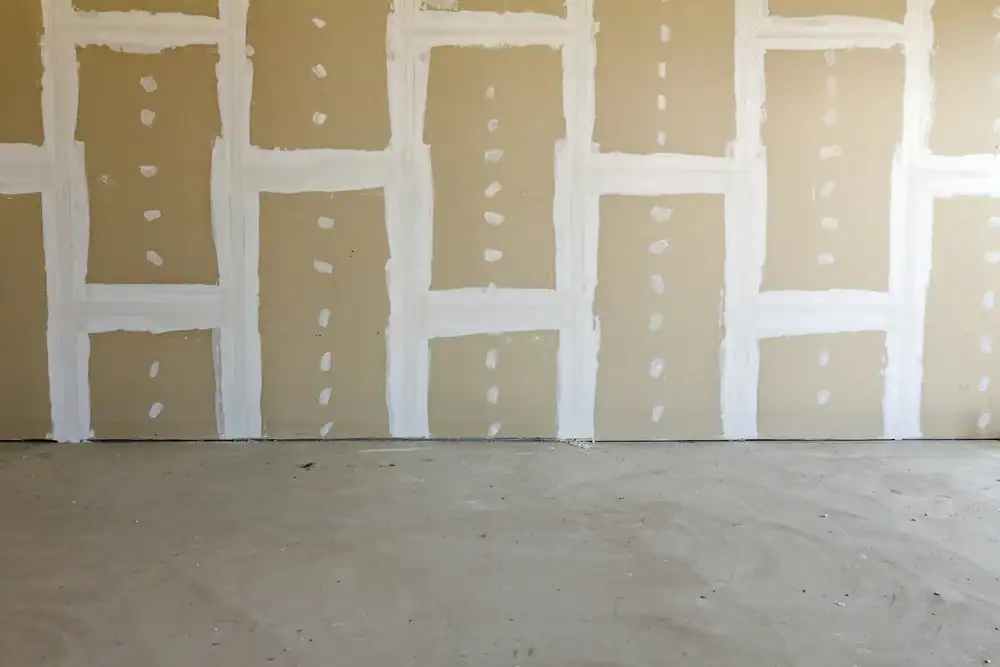
Most homeowners in the Philadelphia area spend between $150 and $800 on drywall patching, depending on the size and complexity of the repair. Small holes—like from doorknobs or wall anchors—are on the lower end. Larger repairs, especially those involving water damage or multiple rooms, cost more.
The price also depends on texture matching. If your walls have a complex finish, that takes more time and skill to replicate. Same goes for ceiling repairs, which are harder to access and require more careful blending.
We give you a clear estimate upfront. No surprises. If we find additional damage during the inspection—like hidden water issues or mold—we’ll talk through your options before doing any extra work. You’re not locked into anything you didn’t agree to.
Yes. Texture matching is one of the most important parts of professional drywall patching, and it’s something we do on every job.
Most homes in Crestmont Farms have textured walls—knockdown, orange peel, skip trowel, or popcorn ceilings. Matching that texture by hand takes practice. You can’t just slap on joint compound and call it done. You have to understand the original application method, the tools used, and how the material behaves as it dries.
We’ve worked on enough homes in this area to recognize common textures and replicate them accurately. After we patch and sand the surface smooth, we apply the texture to match the surrounding wall. Once it’s painted, you won’t be able to tell where the repair was. That’s the goal—and that’s what separates a professional repair from a DIY patch that sticks out like a sore thumb.
Most small to medium drywall patching jobs are done in a few hours. Larger repairs or jobs involving water damage can take a full day, especially if we’re waiting for layers of joint compound to dry between coats.
The timeline also depends on whether you need us to paint afterward. If you’re handling the painting yourself or hiring a separate painter, we’ll finish the patch, sand it smooth, and leave it primed and ready. If you want us to paint, that adds time but means you’re dealing with one company instead of coordinating multiple contractors.
We don’t rush. Drywall compound needs to dry properly, or you’ll end up with cracks and shrinkage. We’d rather take an extra hour to do it right than leave you with a repair that fails in six months. Most of our Crestmont Farms clients appreciate that we’re thorough without dragging the job out unnecessarily.
Cracks happen for a few reasons. The most common is settling—your home’s foundation shifts slightly over time, and that movement stresses the drywall. This is especially common in older homes like the ones in Crestmont Farms.
Temperature and humidity changes also cause drywall to expand and contract, which can lead to cracks along seams or corners. Water damage weakens drywall and causes it to crack or crumble. And sometimes, poor installation or missed framing during the original build creates weak spots that crack under normal stress.
Whether a crack comes back depends on what caused it and how it’s repaired. If the underlying issue isn’t addressed—like an ongoing leak or a structural problem—the crack will likely reappear. That’s why we inspect before we patch. If we see signs of a bigger issue, we’ll tell you. If it’s just normal settling and the structure is stable, a proper repair should hold up for years.
Yes. Water damage is one of the most common reasons homeowners in Crestmont Farms need drywall patching, and it’s something we deal with regularly.
When drywall gets wet, it absorbs moisture and weakens. If it stays wet, mold can grow behind the surface. You’ll usually see discoloration, staining, or soft spots where the drywall has started to break down. Sometimes the damage is obvious. Other times, it’s hidden until you press on the wall and feel it give.
We start by identifying the source of the water—whether it’s a roof leak, plumbing issue, or condensation problem. If the source isn’t fixed, patching the drywall won’t solve anything. Once we know the leak is handled, we remove the damaged section, check for mold, and let everything dry completely before installing new drywall.
We don’t skip steps. Cutting corners on water damage repair leads to mold, odors, and recurring problems. You need it done right the first time, and that’s what we do.
You can patch small holes yourself if you’re comfortable with basic repairs and you’re okay with a result that might not be perfect. Nail holes, small dings, and minor cosmetic damage are manageable for most DIYers with the right tools and patience.
But larger holes, cracks that keep coming back, water damage, or anything involving texture matching—that’s where most DIY repairs fall short. Texture is hard to replicate if you’ve never done it before. And if the damage is caused by something structural or moisture-related, covering it up without addressing the root cause just delays a bigger problem.
Professional drywall patching costs more upfront, but you’re paying for a repair that actually lasts and looks right. You’re also avoiding the frustration of spending a weekend on a project that still looks like a patch when you’re done. If the repair is in a visible area—living room, hallway, anywhere guests will see—it’s worth hiring someone who knows how to make it disappear.
Other Services we provide in Crestmont Farms