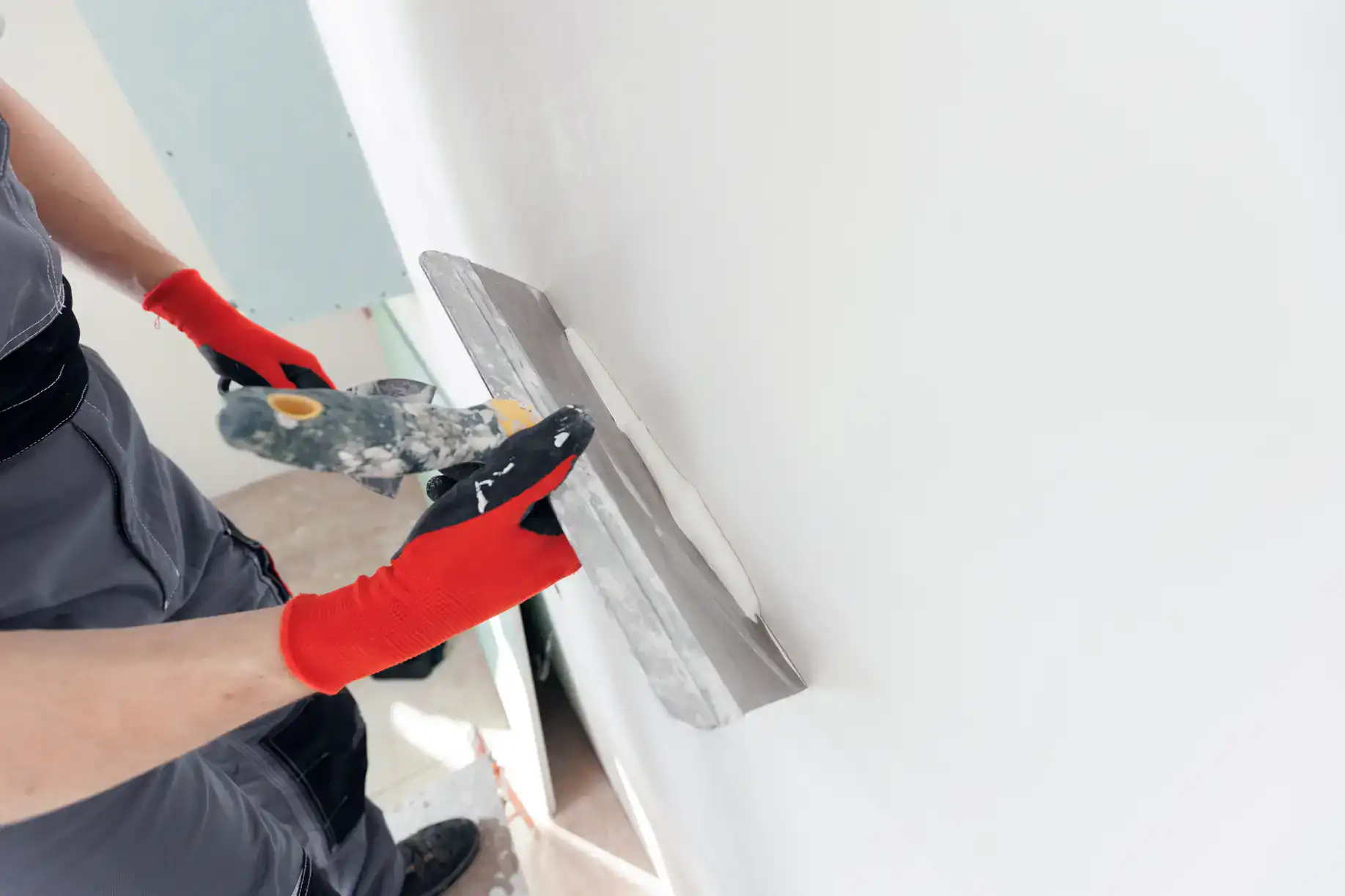
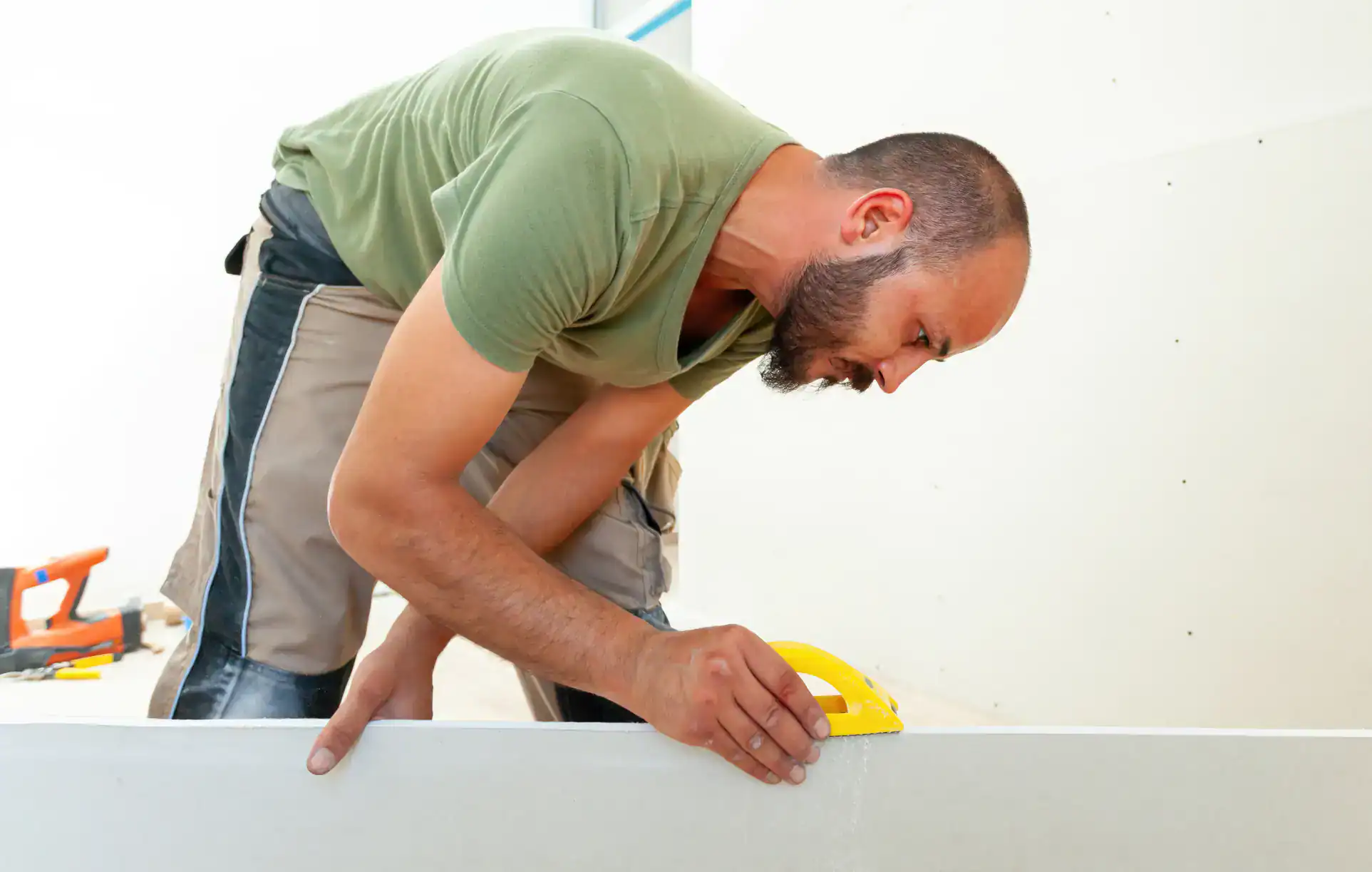
You need the wall fixed today, not next week. Most drywall repair jobs in West Oak Lane get wrapped up in a single visit—patching the hole, matching the texture, cleaning up completely before we leave. No lingering dust on your furniture, no half-finished projects stretching into your weekend.
The difference shows up after we’re gone. You’re not staring at a visible patch or worrying whether it’ll crack again in six months. The repair blends in, holds up, and doesn’t become another item on your to-do list.
That’s what happens when the job’s done by someone who knows how West Oak Lane homes are built. These rowhomes and twins weren’t framed last year—they’ve got plaster, old paint layers, and quirks that need more than a YouTube tutorial. You get a clean finish because we’re matching materials to what’s already there, not forcing new drywall into an old wall and hoping it sticks.
Sharpe Drywall started because too many homeowners were getting burned by contractors who left messes, missed deadlines, and did sloppy work. We built this business to be the call you make when you want it done right the first time.
We’ve been working in Philadelphia since 1987. That means we’ve seen every type of wall issue these older homes throw at us—cracked ceilings, water-damaged plaster, settling cracks that keep coming back. West Oak Lane’s housing stock is mostly pre-1950s construction, and that requires a different approach than newer builds.
You’re not getting a crew that learned drywall last month. You’re getting licensed, insured contractors who live in the communities we serve and treat your home the way we’d treat our own.
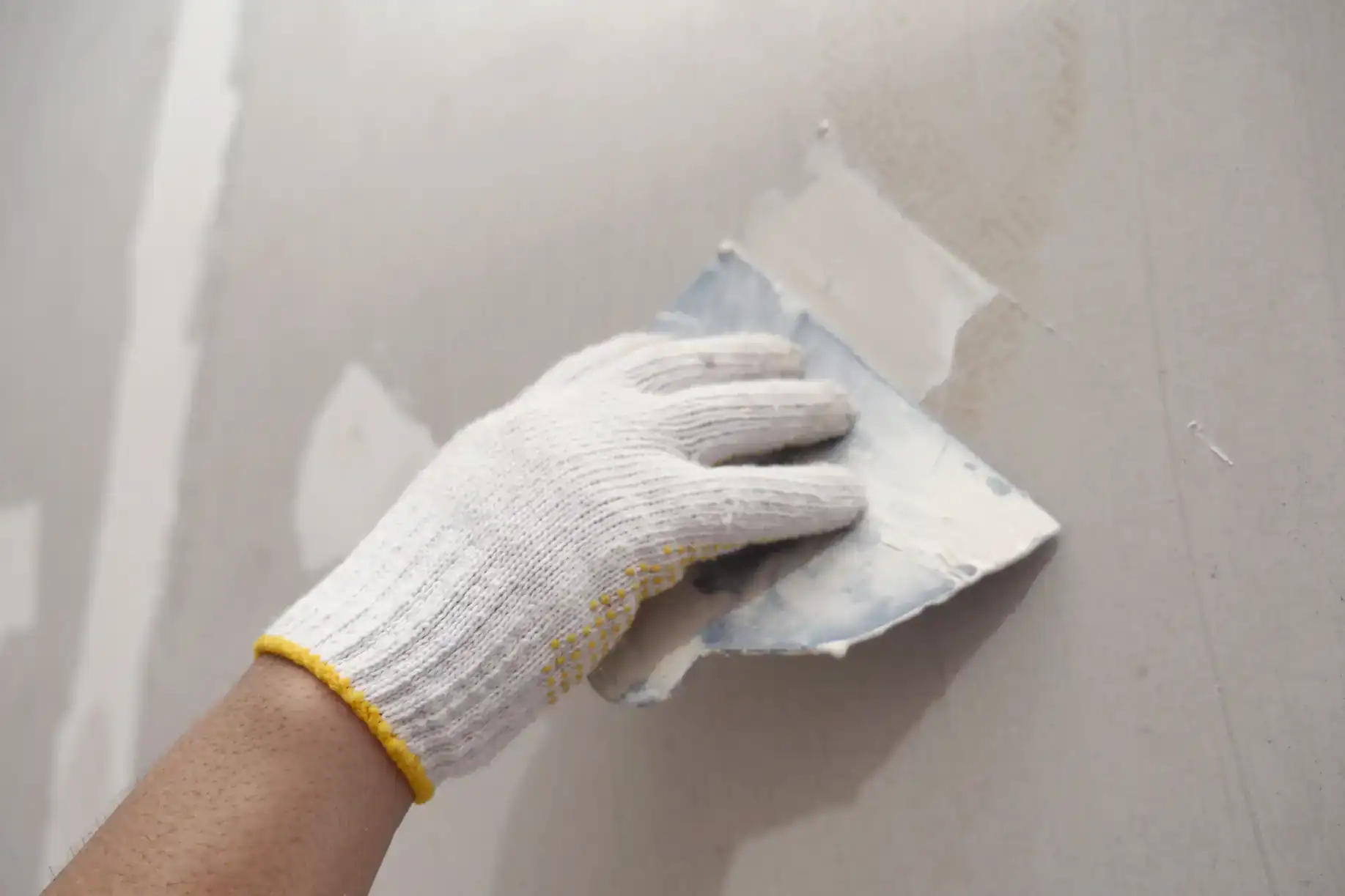
First, we assess the damage. Small holes from doorknobs or picture hangers are straightforward patches. Larger holes, water damage, or cracks near windows need more attention—we’re checking for underlying issues like moisture or structural movement before we patch anything.
Next, we prep and repair. For a standard hole, we cut back to solid material, secure backing, apply joint compound in layers, and let each layer dry properly. Rushing this step is why DIY repairs crack and fail. For water damage, we’re also checking that the source is fixed and the area is dry—patching over wet drywall just delays the problem.
Then we match and finish. This is where experience with older Philadelphia homes matters. We’re matching your existing texture—whether that’s smooth plaster, knockdown, or something custom. We sand it smooth, prime it, and make sure the repair disappears into the rest of the wall.
Finally, we clean up completely. Drop cloths come up, dust gets vacuumed, debris goes with us. You shouldn’t have to clean your house after we fix your wall.
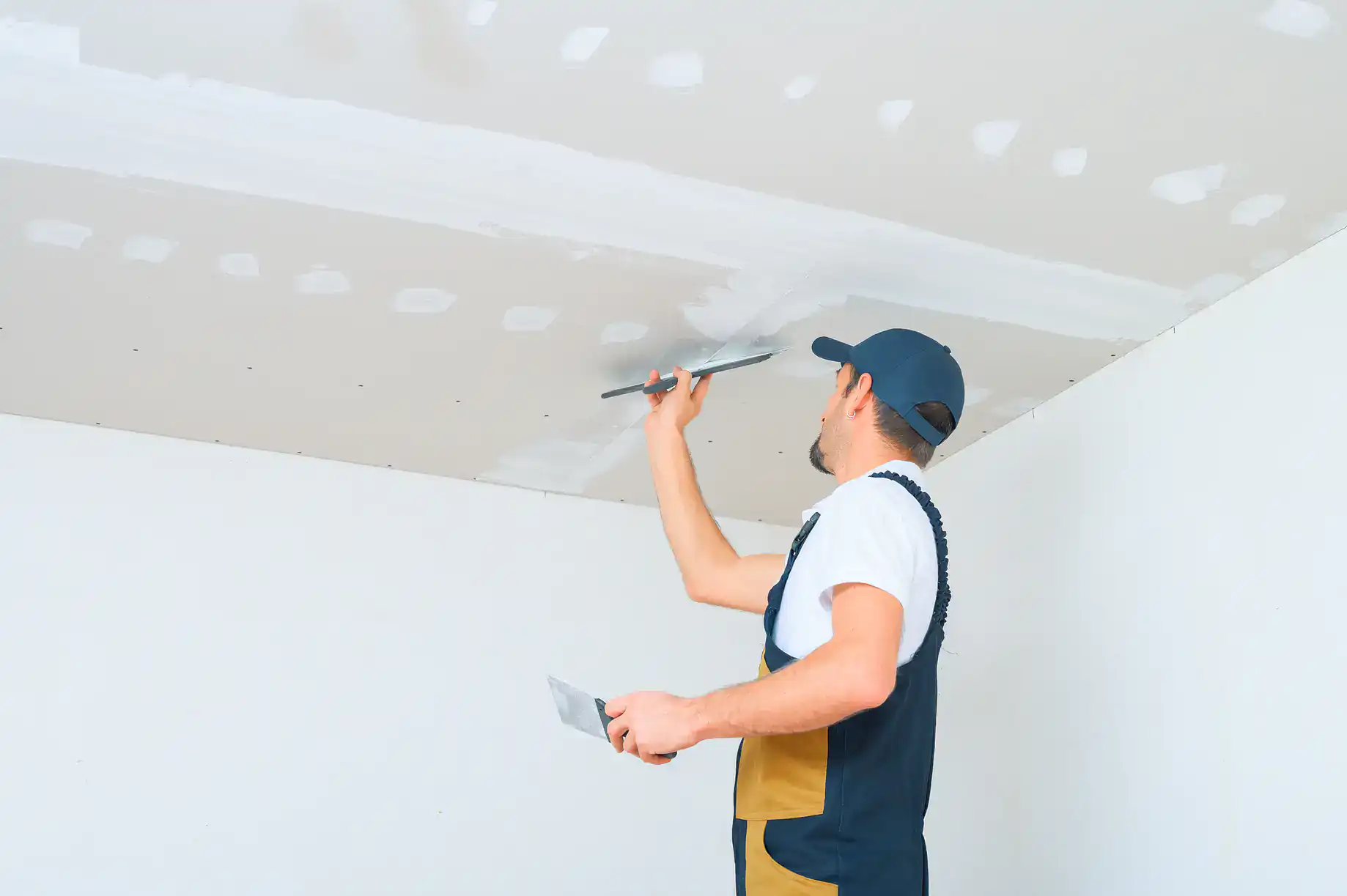
Ready to get started?
The average cost for drywall repair in West Oak Lane typically runs $150 to $500, depending on the size and complexity. A simple patch for a doorknob hole might cost $150 to $250. Larger repairs—like fixing a section of water-damaged ceiling or matching intricate plaster textures—can run $300 to $800.
Here’s what affects the cost to repair drywall: the size of the damaged area, whether there’s water damage that needs addressing first, how complex the texture matching is, and whether we’re working with drywall or older plaster. A straightforward drywall patch in a newer home is simpler than tying new materials into 80-year-old plaster with multiple paint layers.
You’re paying for materials that last, not the cheapest compound we can find. You’re paying for proper prep work—the part that determines whether the repair holds up or cracks again next year. And you’re paying for the cleanup, the texture matching, and the experience to handle whatever we find when we open up that wall.
Most small repairs get done in a few hours. Larger jobs or water damage situations might take a day or two, especially if materials need time to dry between coats. We’ll tell you upfront what the timeline looks like so you can plan around it.
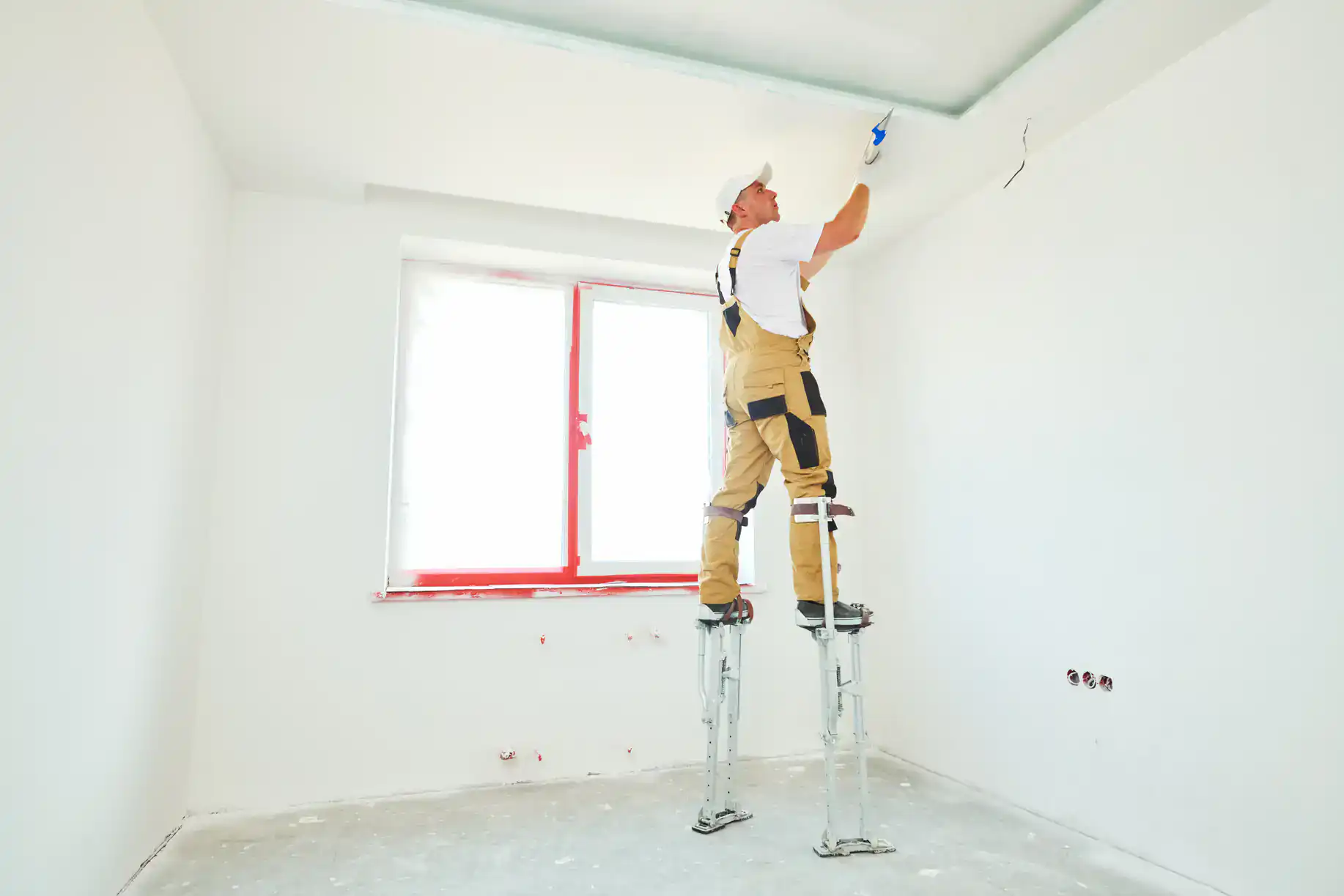
Most homeowners in West Oak Lane spend between $150 and $500 for drywall repair, with the average falling around $280 to $400 for typical jobs. Small patches—fixing a doorknob hole or small crack—usually cost $150 to $250. Medium repairs, like fixing multiple holes or a damaged section of wall, run $250 to $400. Larger projects, especially water damage or ceiling repairs, can reach $500 to $800.
The cost to repair drywall depends on a few factors. Size matters—a 6-inch hole costs less than a 3-foot section of damaged wall. Complexity matters too. Matching smooth plaster in an older West Oak Lane rowhome takes more skill and time than patching standard drywall texture. Water damage adds cost because we need to address the moisture source, ensure everything’s dry, and sometimes replace insulation or check for mold.
Location in the house also plays a role. Ceiling repairs cost more than wall repairs because they’re harder to access and require more careful finishing work. If you’re dealing with historic plaster rather than modern drywall, expect to pay toward the higher end—those materials require specialized knowledge and techniques that most drywall contractors don’t have.
Most drywall repairs in West Oak Lane get finished in one visit, typically taking 2 to 4 hours from start to cleanup. Small patches—like fixing a hole from a doorknob or removing a wall anchor—can be done in 1 to 2 hours. Medium-sized repairs usually take 3 to 4 hours. Larger repairs or water damage situations might require a full day or need us to come back for a second visit.
Here’s why timing varies. Joint compound needs to dry between coats, and we’re not cutting corners by slapping on one thick layer that’ll crack later. A proper repair means applying thin coats, letting them dry, sanding smooth, and repeating until the surface is perfectly level. Small repairs might only need two coats. Larger areas or deeper damage might need three or four.
Water damage repairs take longer because we need to verify the area is completely dry before we patch anything. Sealing wet drywall just traps moisture and creates mold problems down the road. If we’re working with plaster in an older West Oak Lane home, we’re also taking extra time to properly bond new materials with old—that’s not something you rush if you want it to last.
Yes, and this is one of the most important parts of a quality repair. West Oak Lane homes—especially the older rowhomes and twins built in the 1920s through 1940s—have a variety of wall textures. Some have smooth plaster, others have knockdown or orange peel textures, and some have custom finishes that were popular decades ago. Matching that texture is what makes a repair invisible.
We’ve been working on Philadelphia homes since 1987, which means we’ve seen and replicated just about every texture style in these neighborhoods. The process involves identifying your existing texture, using the right tools and techniques to recreate it, and blending it so you can’t tell where the repair ends and the original wall begins. This takes experience—it’s not something you learn from a video.
Here’s what makes it tricky in older homes. Many West Oak Lane properties have plaster walls with multiple layers of paint, including old oil-based or calcimine paints. New drywall compound doesn’t always bond well with these older surfaces without proper prep. We know how to prepare the surface, what primers to use, and how to tie new materials into old ones so the repair doesn’t crack, bubble, or peel six months later.
Call us immediately. Water-damaged drywall needs to be addressed fast—within 24 to 48 hours if possible. The longer wet drywall sits, the more likely you’ll end up with mold growth, structural damage, and a much bigger repair bill. If you’re seeing water stains, sagging ceiling sections, or soft spots on your walls, that’s not something to wait on.
First priority is stopping the water source. If it’s a burst pipe, leaking roof, or plumbing issue, that needs to be fixed before any drywall repair happens. Once the water’s stopped, the affected area needs to dry out completely. Sometimes that means cutting out the damaged section to allow airflow and prevent mold. Trying to patch over damp drywall just seals in moisture and creates bigger problems.
The national average cost for water damage drywall repair runs $1,400 to $6,300, depending on how extensive the damage is. A small ceiling stain from a minor leak might cost $300 to $500 to cut out and patch. A burst pipe that soaks an entire wall or ceiling can easily hit $2,000 to $4,000 once you factor in drying time, mold prevention, insulation replacement, and the actual drywall repair. The key is acting fast—water damage gets exponentially more expensive the longer it sits.
Absolutely. Most of West Oak Lane’s housing stock was built before 1950, which means you’re dealing with plaster walls, not modern drywall. These homes require a different approach, and most drywall contractors don’t have the experience to handle the complications that come with tying new materials into 70- to 100-year-old plaster.
Here’s the challenge. Plaster walls were built with lath and multiple coats of plaster, often covered with old paint types like calcimine or oil-based paints that modern materials don’t bond with easily. When you’re patching a hole or crack in plaster, you can’t just slap drywall compound on it and call it done. The repair will crack, bubble, or pull away from the wall because the materials aren’t compatible without proper prep work.
We’ve been repairing plaster walls in Philadelphia since 1987. That means we know how to assess whether the plaster around the damage is still solid or needs to be cut back further. We know what bonding agents and primers to use so new compound actually sticks. And we know how to match the texture and finish so the repair blends invisibly into the surrounding wall. If you’ve got an older West Oak Lane rowhome with original plaster, you need someone who’s done this hundreds of times—not someone learning on your walls.
You can try, but here’s what usually happens. The patch looks obvious because the texture doesn’t match. Or it cracks within a few months because the compound wasn’t applied in proper layers. Or it bubbles because the surface wasn’t prepped correctly. We get called to fix DIY repairs constantly, and it almost always costs more to redo than it would have cost to do it right the first time.
Drywall repair looks simple on YouTube. In reality, there’s a lot that can go wrong. Using the wrong type of compound, applying it too thick, not letting it dry between coats, skipping the primer, failing to properly secure backing material—any of these mistakes creates a repair that fails. And if you’re working with older plaster walls in West Oak Lane, the complexity goes up significantly because you’re dealing with materials and techniques that require specific knowledge.
The other issue is time. A small patch might seem like a quick Saturday project, but between buying materials, doing the repair, waiting for dry time between coats, sanding, priming, and painting, you’re looking at multiple days of work. Most of our customers tell us they wish they’d called us first instead of spending a weekend on a repair that didn’t turn out right. We’ll have it done in a few hours, it’ll look professional, and you won’t be repairing the same spot again next year.
Other Services we provide in West Oak Lane