Your walls look finished. No visible seams, no shadows when the light hits wrong, no texture that screams “repair job.” You’re not wondering if the paint will crack next winter or if you’ll see tape lines through the primer.
That’s what proper drywall finishing in West Oak Lane gets you. The kind of work where your painter doesn’t call you with bad news, where your walls stay smooth through heating season, and where you’re not explaining to guests why that one section looks different.
Most homes in West Oak Lane weren’t built yesterday. They settle, they shift, and standard finishing techniques don’t always hold up. You need someone who knows how to work with what’s actually there—not just what the YouTube video showed.
We work in West Oak Lane because we understand what these homes need. Your rowhome or twin wasn’t built with modern drywall. When you’re adding it or repairing it, you’re dealing with plaster, old framing, and walls that have moved for decades.
We’ve spent over ten years learning how Philadelphia homes behave. That means we know which compounds work when you’re blending new drywall into old plaster. We know how to tape joints that won’t crack when your floors flex. And we know what “matching the existing texture” actually takes—because we’ve done it in hundreds of West Oak Lane homes.
You’re getting licensed, insured contractors who show up when scheduled and clean up when finished. No surprises on the bill, no excuses about why the job isn’t done.
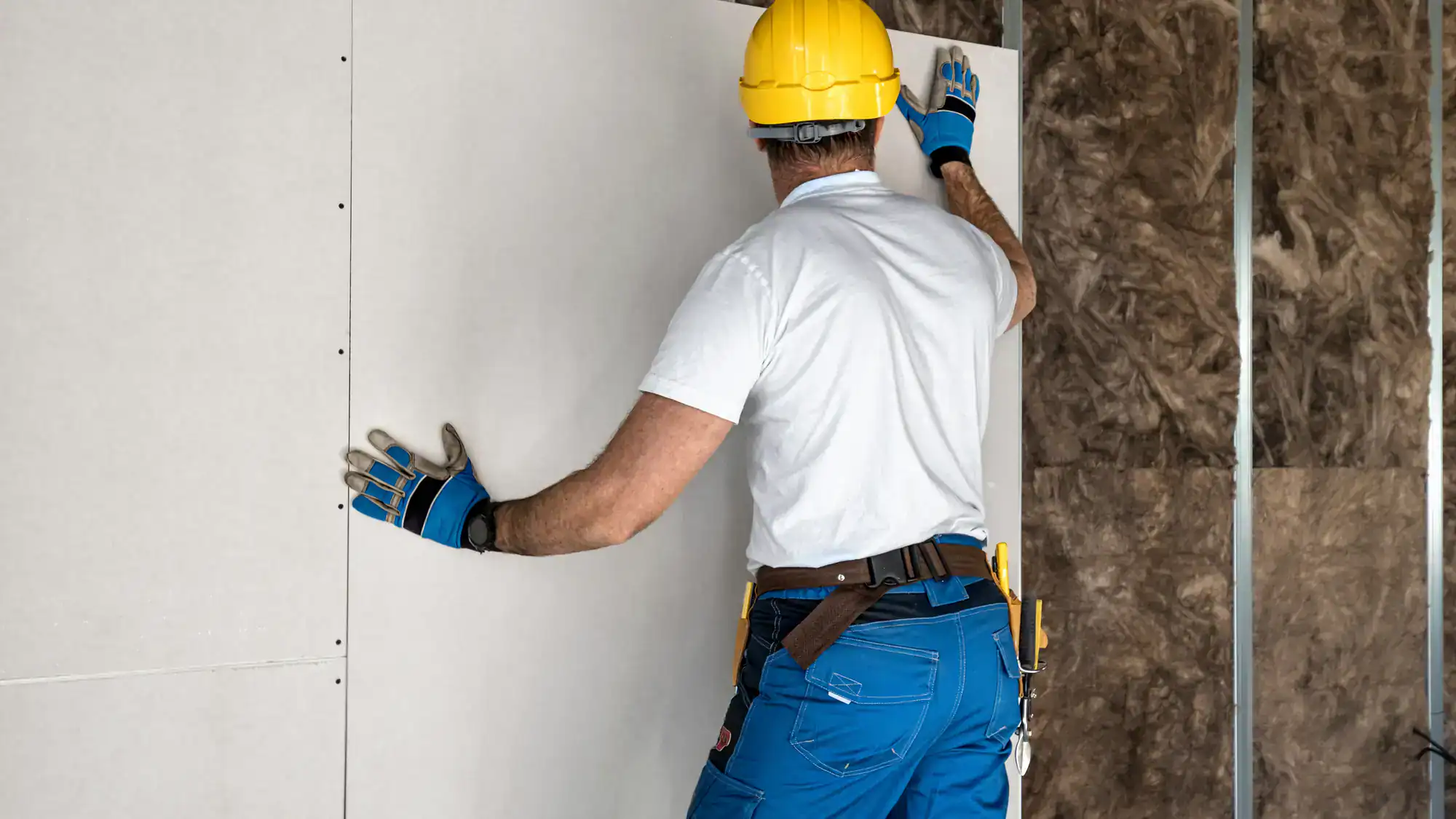
We start by looking at what you actually have. Old plaster around new drywall? Cracks from settling? Water damage that needs more than spackle? You need to know what you’re dealing with before anyone starts taping.
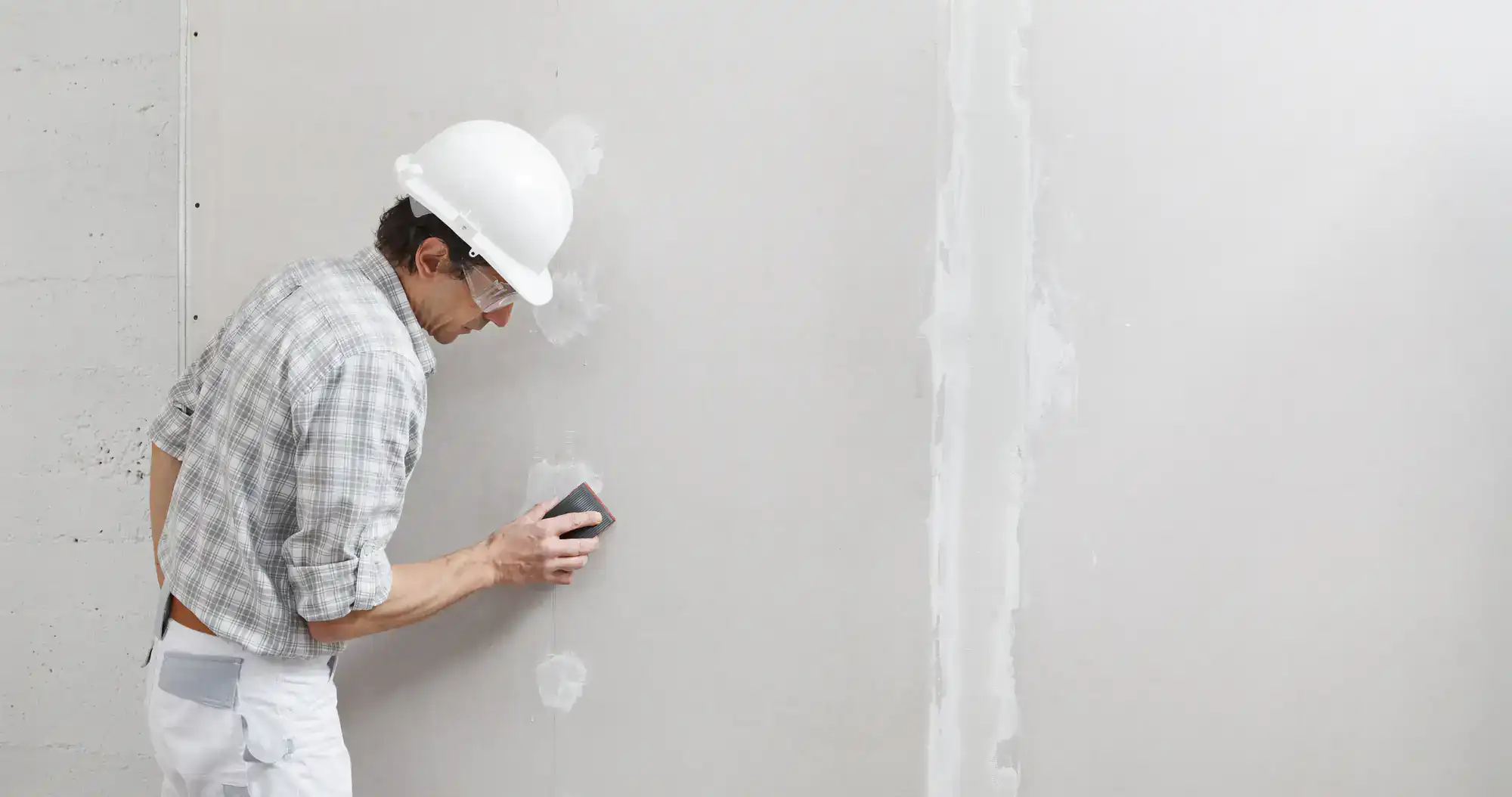
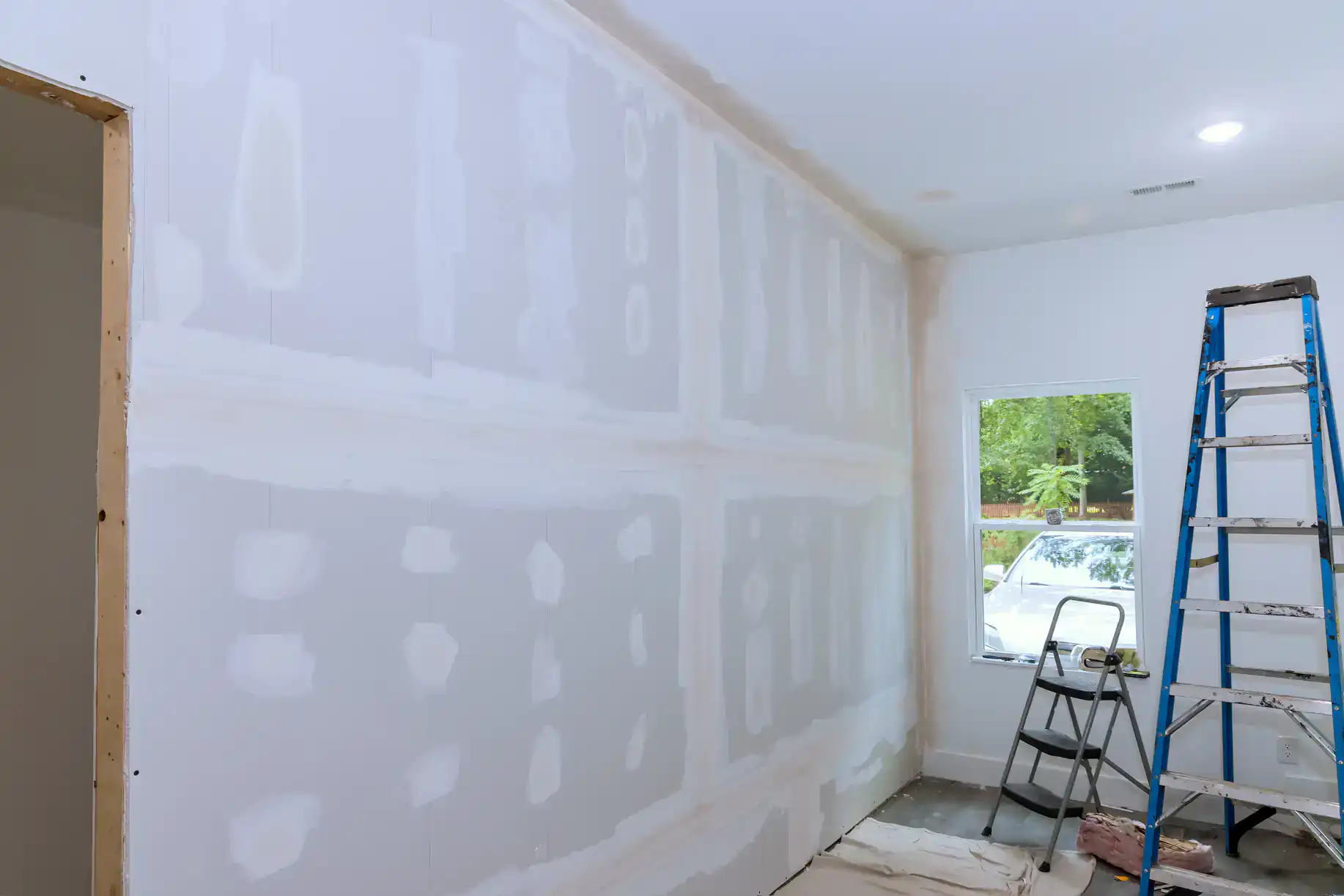
Then comes the real work: taping with fiberglass mesh that won’t fail when your house shifts, applying chemically hardening compound that creates strength (not just thickness), and building up layers that transition smoothly into your existing walls. Each coat gets sanded properly—not just hit with a sponge and called done.
The finishing coat is where most companies rush. We don’t. This is what you’ll see every day, what your painter will work over, and what determines whether your repair is invisible or obvious. We use lightweight compound, feather edges until they disappear, and match your existing texture so you can’t tell where the repair stops.
You get walls that are ready for primer the day we leave. No callbacks for fixing what should’ve been right the first time.
Ready to get started?
Professional drywall finishing in West Oak Lane means your repairs hold up in homes that were built when Coolidge was president. These houses move. They settle. Standard big-box repair methods don’t account for that—and you end up with cracks by next spring.
You’re getting proper surface prep, which matters more than most contractors admit. We’re using materials that work with Philadelphia’s humidity swings and temperature changes. And we’re finishing to the level your walls actually need—not just slapping mud on and calling it smooth.
West Oak Lane homes often have textured ceilings, ornamental plaster, or walls that have been patched badly before. Matching that texture isn’t guesswork. It takes the right tools, the right compound consistency, and enough experience to know what “close enough” actually looks like. When we say we match existing finishes, we mean you won’t be able to find the repair without a blueprint.
You’re also getting painting services if you want them. One call, one company, one timeline. Your walls go from damaged to finished without coordinating multiple contractors or waiting weeks between trades.
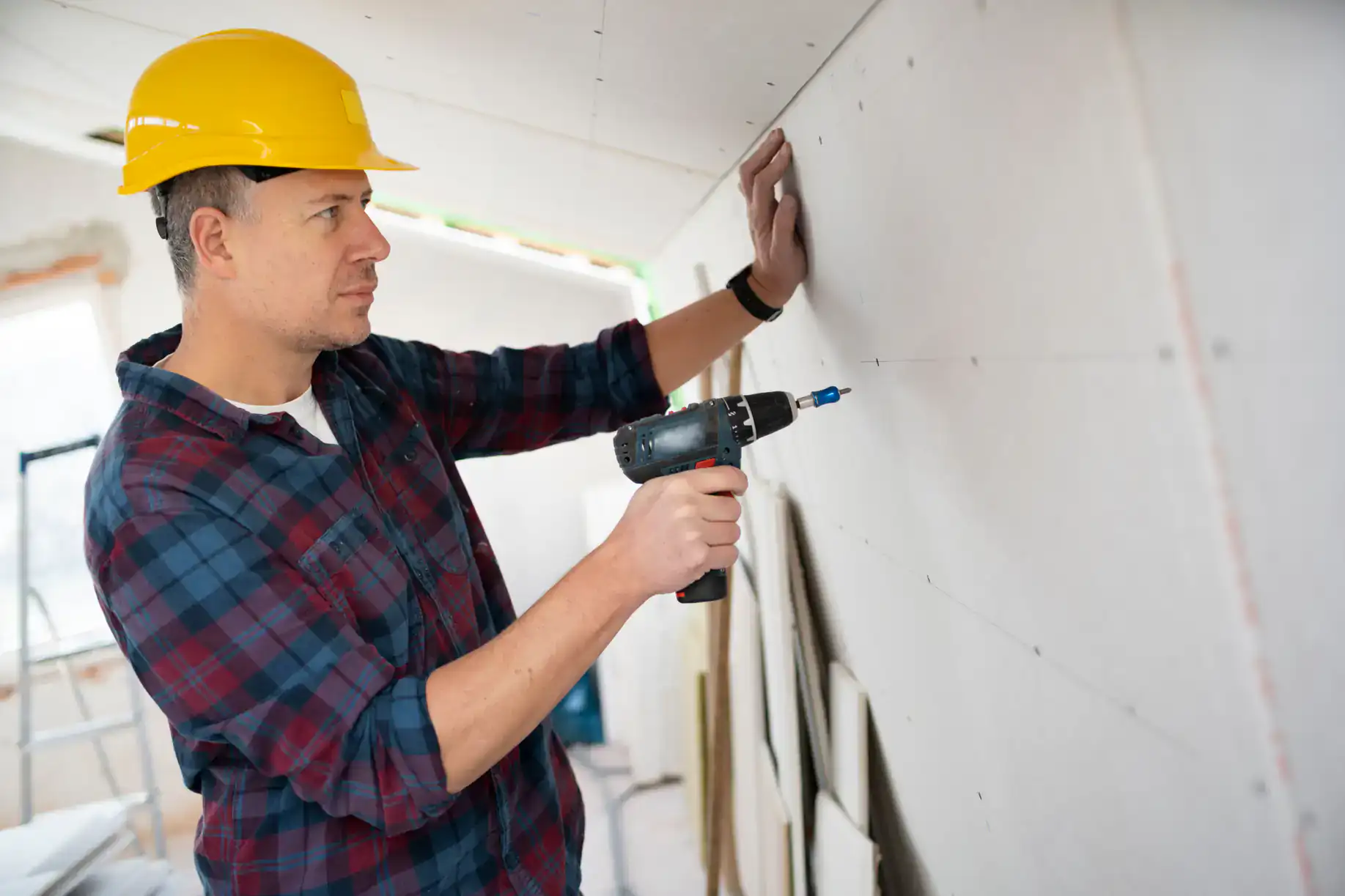
Most drywall finishing jobs in West Oak Lane take two to four days depending on the size and complexity of the repair. That’s not two days of work spread over two weeks—that’s actual consecutive days where we’re applying coats, letting them cure properly, and sanding between layers.
Small repairs—a few holes or a single wall—can often be finished in a day or two. Larger projects like entire room re-finishes or ceiling repairs take longer because the compound needs proper drying time between coats. Rushing this process is how you end up with cracks and failures six months later.
If we’re matching existing textures or blending new drywall into old plaster (common in West Oak Lane’s older homes), that adds time. You can’t fake that work. It requires multiple thin coats, careful feathering, and sometimes custom mixing to match what’s already on your walls. But when it’s done, you won’t see where the old wall ends and the new repair begins.
Drywall repair is fixing the hole or crack. Drywall finishing is making it disappear completely. Most handymen can patch a hole—they’ll cut a piece of drywall, screw it in, and smear some joint compound over it. But if you can still see it after paint, that’s not finishing. That’s just filling space.
Proper drywall finishing in West Oak Lane means multiple coats of compound applied in progressively wider layers, each one feathered and sanded smooth. It means using fiberglass tape that won’t bubble or crack when your house settles. It means the final surface is level with the surrounding wall—no humps, no dips, no visible edges.
The difference shows up after you paint. A basic repair will show shadows, texture differences, or slight ridges that catch the light. Professional finishing looks like nothing ever happened. Your painter won’t complain, your walls won’t crack during the next heating season, and you won’t be explaining to guests which wall was repaired. That’s the difference, and that’s what you’re paying for.
Yes, and it’s one of the most common requests we get in West Oak Lane. These older Philadelphia homes have all kinds of textures—knockdown, orange peel, skip trowel, or smooth plaster finishes that haven’t been standard in decades. Matching them isn’t optional if you want the repair to be invisible.
Texture matching requires the right tools and materials, but more importantly, it requires experience seeing what works. The compound has to be mixed to the right consistency. The application technique has to match the original method. And the timing has to be right—some textures need to be worked while wet, others after partial drying.
We’ve matched textures in hundreds of Philadelphia homes. We bring samples of your existing finish, test our technique on scrap board first, and don’t move forward until it’s right. If your walls have that specific stipple texture common in 1920s rowhomes or the smooth trowel finish found in older twins, we’ve replicated it before. You won’t be able to tell where our work starts unless you already knew where the damage was.
Because whoever fixed it the first time didn’t account for movement. West Oak Lane homes—especially the rowhomes and twins built in the early 1900s—shift and settle constantly. Floors flex, roofs move with snow load, and temperature changes make framing expand and contract. If your drywall finishing doesn’t accommodate that movement, it cracks. Simple as that.
Most failed repairs happen because contractors use paper tape instead of fiberglass mesh, or they use lightweight compound for everything instead of hardening compound where it matters. Paper tape is fine for new construction where nothing’s moving yet, but in a 100-year-old house? It fails. Lightweight compound is easy to sand but doesn’t have the strength to handle stress points.
We use fiberglass reinforced mesh tape at joints and seams because it flexes without tearing. We use chemically hardening plaster compounds at stress points because they create actual strength, not just thickness. And we address the underlying cause—if there’s a leak, a structural issue, or a spot where the framing is moving too much, we tell you before we finish the surface. Covering up problems doesn’t fix them. It just means you’re calling someone back in six months.
Not if you don’t want to. We offer painting services, which means you’re dealing with one company from damaged wall to finished paint. One estimate, one timeline, one point of contact. No waiting for your painter’s schedule to open up, no coordination headaches, and no finger-pointing if something doesn’t look right.
Most drywall companies don’t paint, so you’re stuck either doing it yourself or finding another contractor. That adds time to your project and usually means the drywall guy blames the painter and the painter blames the drywall guy if there’s an issue. When the same company handles both, that doesn’t happen.
If you already have a painter you trust or you want to do it yourself, that’s fine too. We finish your walls to a paint-ready surface—primed if you want, or bare compound ready for your painter to prime. Either way, the surface will be smooth, level, and ready for whatever comes next. But if you want the whole job done without managing multiple contractors, we handle that too.
Honest answer: it depends on what’s actually wrong with your walls. A small hole repair might cost a couple hundred dollars. An entire room that needs skim coating and texture matching could run a few thousand. Anyone giving you a price without seeing the job is guessing, and those guesses usually end up wrong—either too low and they cut corners, or too high and you’re overpaying.
What affects cost? Size of the area, how many coats are needed, whether we’re matching existing texture, if there’s water damage or structural issues to address first, and how much prep work is required. A simple patch in new drywall is straightforward. Blending new work into 100-year-old plaster with custom texture matching takes more time and skill.
We give you an accurate estimate after seeing what you have. No surprises, no “oh we found this other issue” upcharges unless we genuinely discover something that wasn’t visible during the estimate. You’ll know what you’re paying before we start, and the final bill matches what we quoted. If you’re getting estimates that seem way cheaper than everyone else, ask what they’re actually including—because proper drywall finishing in West Oak Lane’s older homes isn’t the same as patching a hole in new construction.
Other Services we provide in West Oak Lane