
You’re not paying for a patch job that cracks in six months. You’re getting repairs that account for how your home was built—plaster walls, uneven framing, settling foundations—and work that integrates modern materials without fighting against 80-year-old construction.
Most drywall repair projects in Nicetown run between $300 and $700 depending on size and complexity. That’s the average cost for drywall repair when you’re dealing with typical damage: a few holes from shelving, ceiling cracks from settling, or small sections of water-damaged sheetrock. Larger jobs involving multiple rooms or significant water damage will cost more, but you’ll know the number before we start.
The cost to repair drywall in older homes isn’t just about square footage. It’s about whether the contractor knows how to tie new joint compound into old plaster without creating a visible seam. It’s about matching textures that haven’t been standard since the 1950s. It’s about not leaving gaps you could slide a quarter through.
We operate throughout Montgomery and Bucks counties, and we’re in Nicetown regularly. We know these homes—the brick rowhouses built in the 1930s and 40s, the twins with shared walls, the narrow staircases and small rooms that make material handling tricky.
We’re licensed and insured, and we’ve built our reputation on being the crew that shows up when we say we will and finishes the job without leaving a disaster behind. No disappearing mid-project. No surprise fees. No “we’ll come back next week” that turns into next month.
You’re hiring us because you want it done once, done right, and done without the headache of managing a contractor who treats your home like a side job.
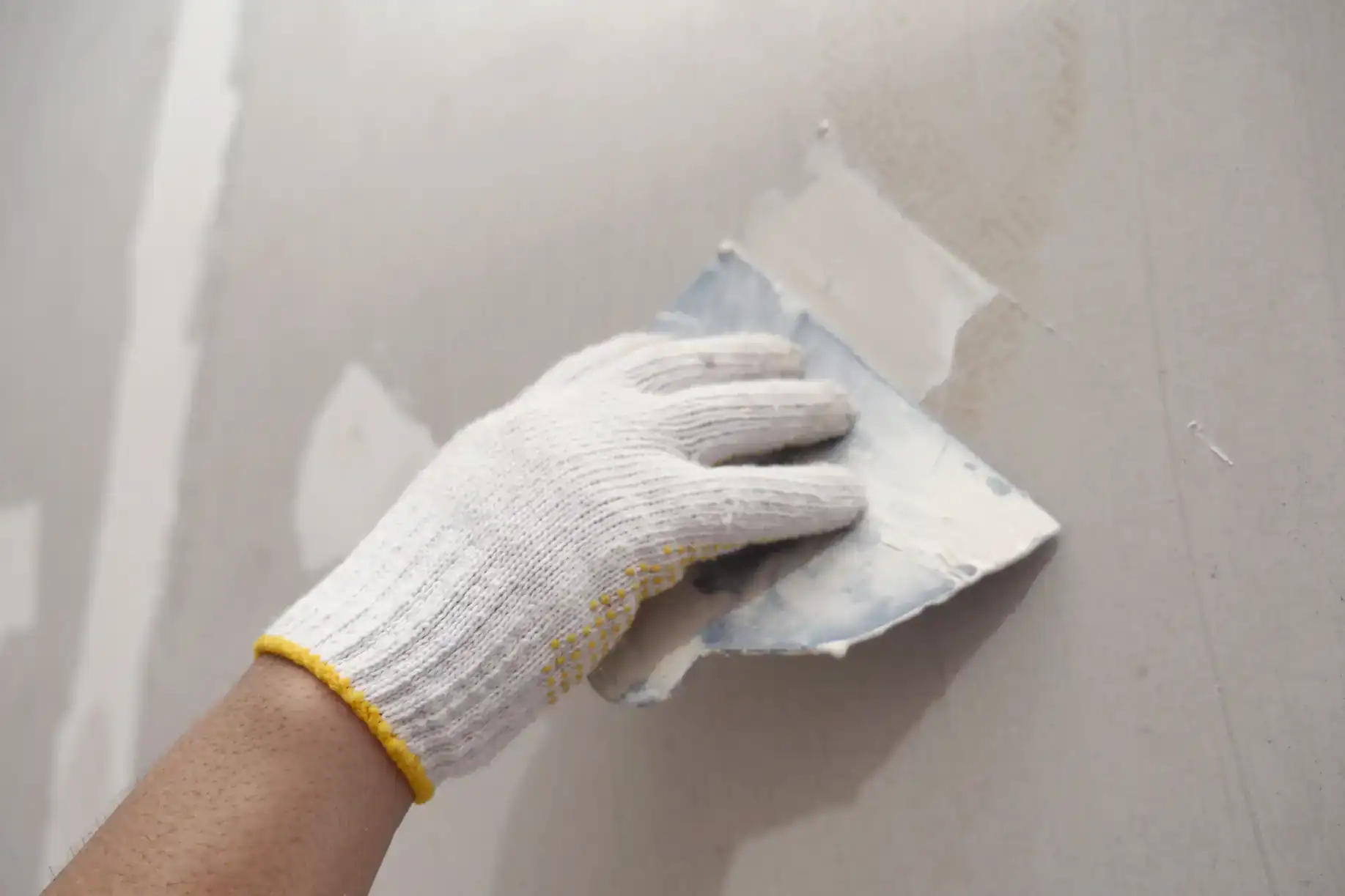
First, we assess the damage and give you a fixed price. If it’s a straightforward hole or crack, we can usually quote over the phone or from photos. For water damage or larger areas, we’ll come look at it in person. Either way, the price we quote is the price you pay.
Next, we prep the area and protect your floors and furniture. We’re cutting out damaged sections, securing any loose material, and making sure the framing behind the drywall is solid. If there’s water damage, we’re checking for mold and making sure the source of the leak is actually fixed before we close anything up.
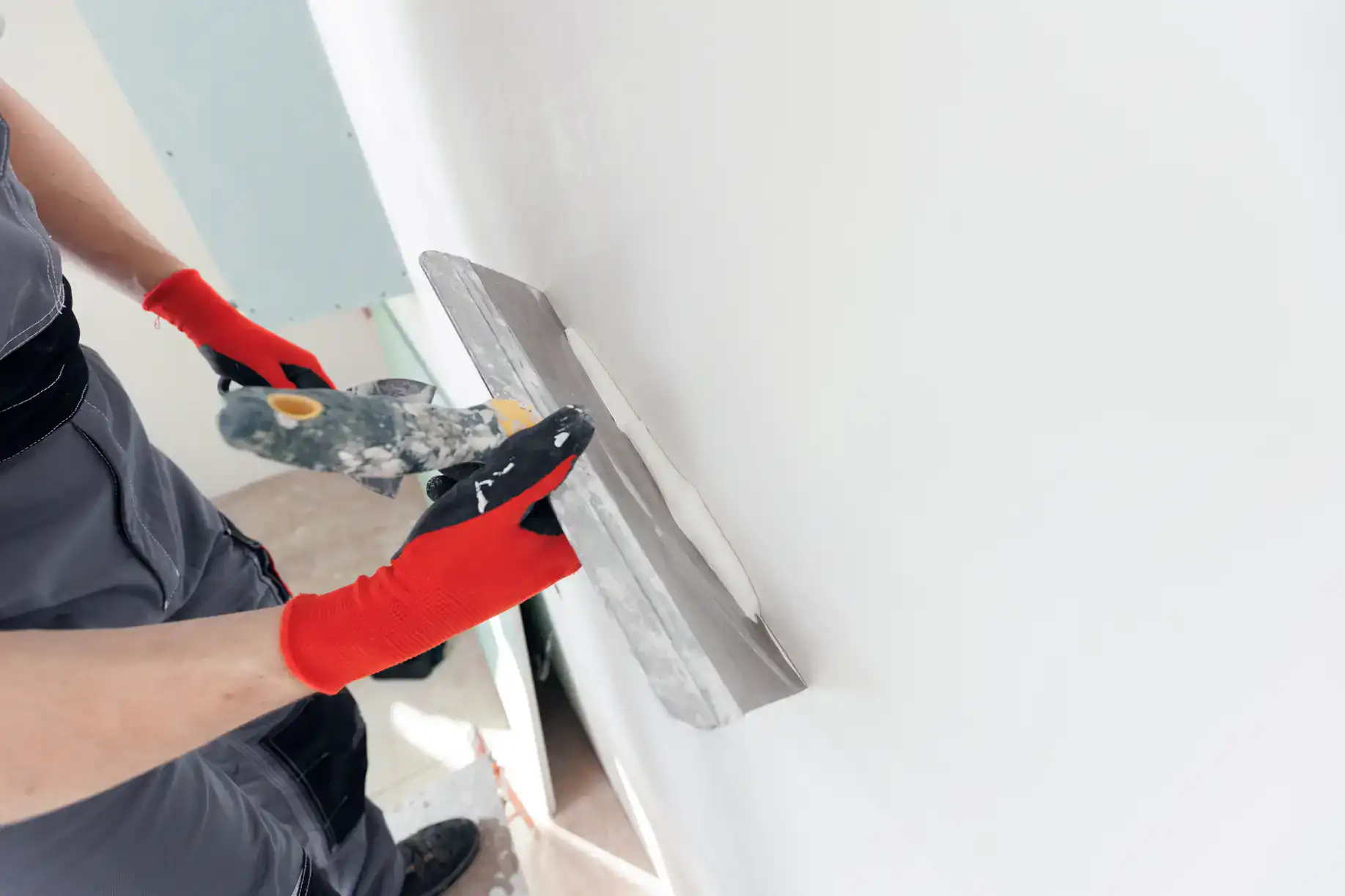
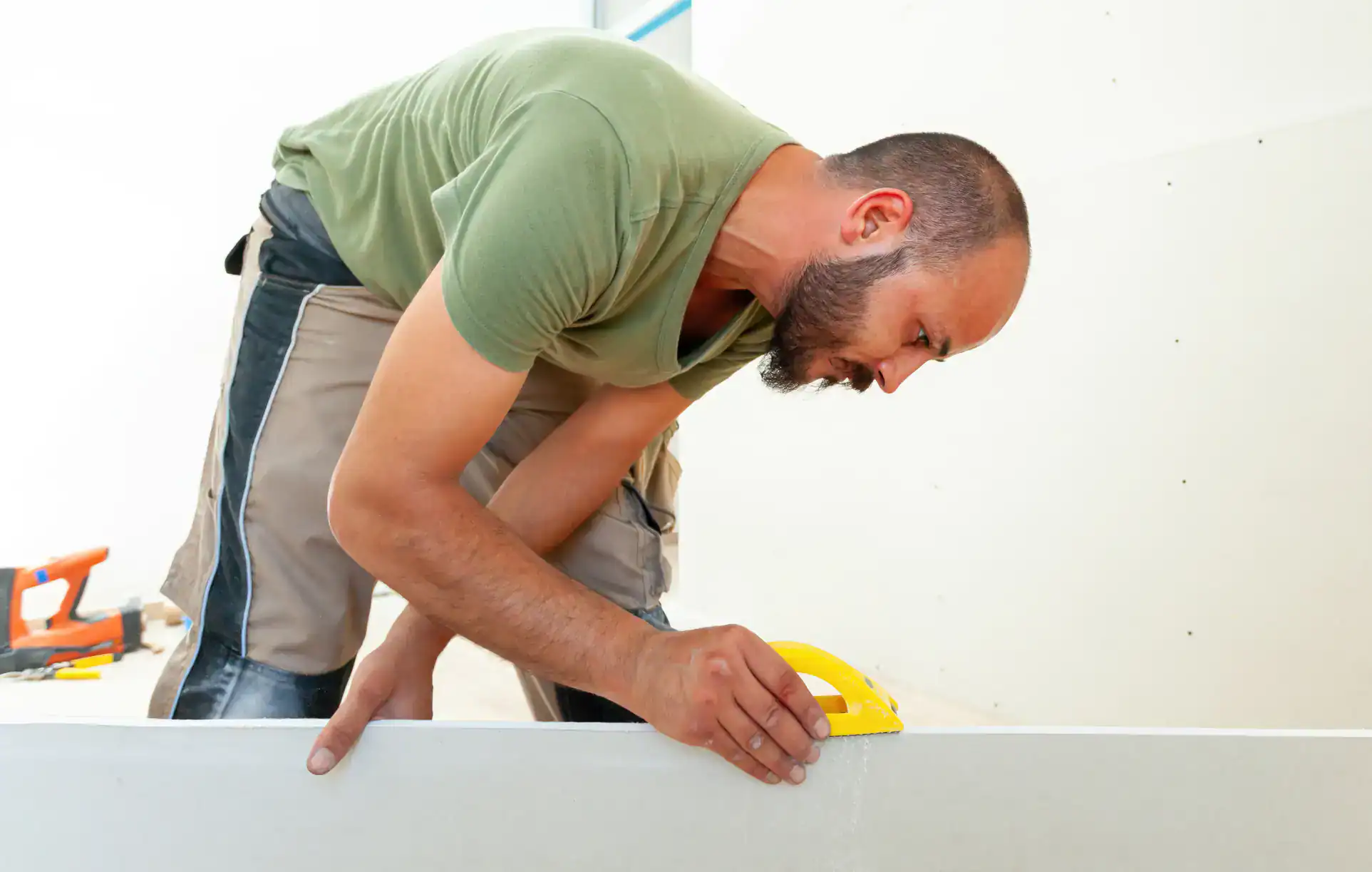
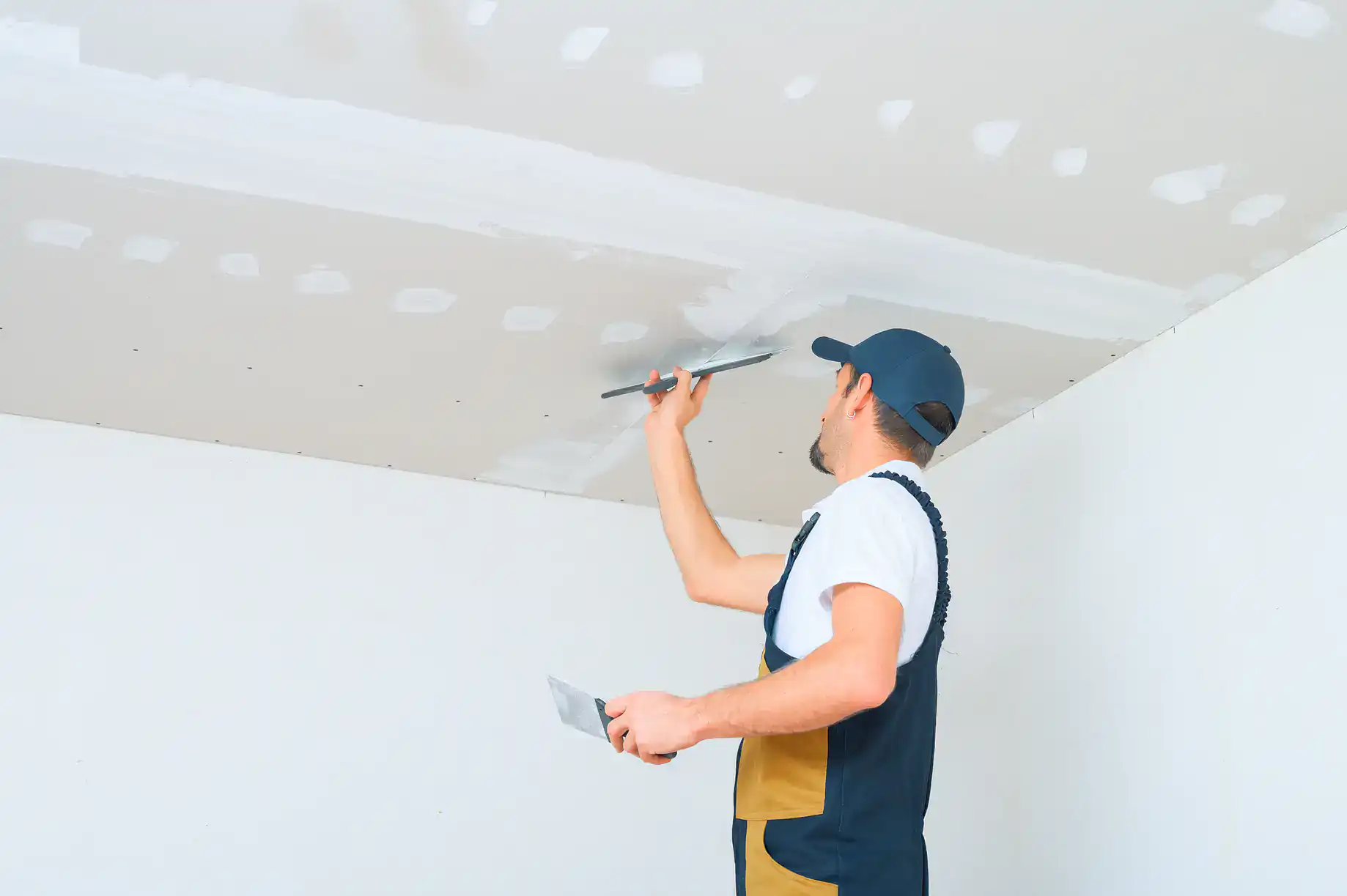
Then comes the repair itself. We install new drywall, tape and mud the seams, and sand everything smooth. If you’ve got textured walls or ceilings, we match it. If your home has older plaster adjacent to the repair area, we blend the transition so you can’t tell where old ends and new begins.
Finally, we prime the repaired area so it’s ready for paint. We clean up completely—no dust, no scrap material, no mud on your floors. Most jobs are finished in one day. Larger projects might need a second visit for final sanding and priming after the mud dries.
Ready to get started?
Every drywall repair includes damage assessment, material removal, framing reinforcement if needed, new drywall installation, taping, multiple coats of joint compound, sanding, texture matching, priming, and complete cleanup. You’re not paying separately for each step—it’s all part of the service.
For Nicetown’s older homes, that often means extra attention to how we’re attaching new drywall to old lath and plaster, or how we’re blending modern joint compound with calcimine or oil-based paint that’s been on the walls since the Eisenhower administration. These homes settle and shift. Your walls aren’t perfectly plumb. The ceiling joists aren’t on modern 16-inch centers. We account for all of that.
If you’re dealing with water damage, we’re also checking the extent of the problem. Drywall that’s been wet for more than 48 hours usually needs replacement, not repair. We’ll tell you if that’s the case. We’ll also tell you if we see signs that the water issue isn’t actually resolved, because closing up a wall before the leak is fixed just means you’re calling us back in three months.
The average cost of drywall repair in Nicetown reflects the reality that most homes here need more than a quick spackle job. Handyman drywall repair cost might seem cheaper upfront, but if the repair fails because it wasn’t done properly for an older home, you’re paying twice.
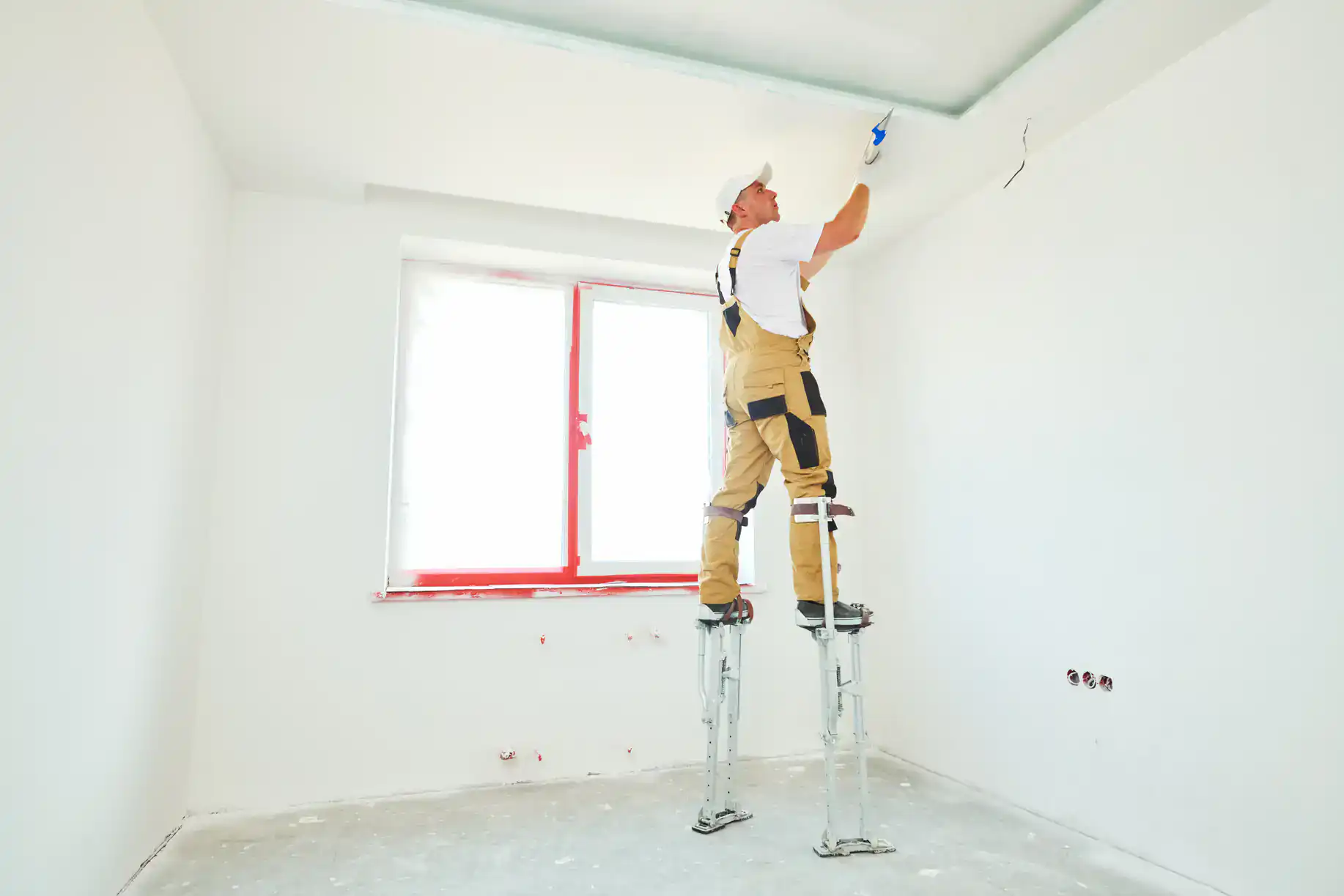
For most homeowners in Nicetown dealing with standard damage—a few holes from removed fixtures, hairline cracks from settling, or a small section of damaged ceiling—you’re looking at $300 to $700. That’s the typical range for repairs that take half a day to a full day to complete.
The drywall repair cost depends on the size of the damaged area, how many separate spots need fixing, and whether we’re matching a specific texture. A single hole from a doorknob costs less than repairing an entire wall section damaged by a roof leak. Water damage usually costs more because we’re often replacing larger sections and checking for underlying issues.
If you’re getting quotes that seem unusually low, ask what’s included. The cheapest bid often doesn’t include texture matching, priming, or proper prep work. You’ll end up with a visible patch that needs to be redone. The goal is to pay once for work that lasts, not to pay twice because the first contractor cut corners.
Yes, and this is exactly where experience matters. Most homes in Nicetown were built between 1930 and 1950, which means you’ve likely got plaster walls with wood lath underneath, not modern drywall. When a section of plaster fails or you need to cut in for electrical work, you can’t just slap a piece of sheetrock over it and call it done.
We install new drywall in a way that ties into the existing plaster without creating a visible transition or a weak point that’ll crack as the house continues to settle. That means proper backing, the right fasteners, and joint compound application that accounts for the different absorption rates between old plaster and new drywall. It’s not complicated, but it does require knowing what you’re doing.
The homes in this neighborhood shift and settle. That’s normal for structures this old. But your repairs shouldn’t fail every time the house moves a fraction of an inch. Proper technique means the repair moves with the house instead of cracking apart.
Most repairs are done in one day. We’re usually in and out in four to six hours for standard damage—holes, cracks, small sections of damaged wall or ceiling. That includes prep, repair, cleanup, and priming.
Larger jobs involving multiple rooms or extensive water damage might take two days, mainly because joint compound needs time to dry between coats. We can’t sand and prime until the mud is fully cured, and rushing that step is how you end up with repairs that shrink and crack later.
If we need to come back for a second day, we’ll tell you that upfront. We’re not going to leave your home torn apart for a week while we juggle other jobs. You’ll know the timeline before we start, and we stick to it. Your home is disrupted enough already—we’re not adding to that by dragging the job out unnecessarily.
The most common causes here are water damage from roof leaks or old plumbing, cracks from foundation settling, and holes from everyday wear—furniture impacts, doorknobs, removed fixtures. In homes built in the 1930s and 40s, you’re also dealing with the reality that the original plaster is simply failing in spots after 80+ years.
Water damage is the urgent one. If you’ve got a leak, the drywall or plaster can be ruined within 48 hours, and mold starts growing fast. The fix isn’t just patching the hole—it’s finding and stopping the water source first, then replacing the damaged material. Trying to save water-damaged drywall usually doesn’t work. It stays weak and becomes a mold risk.
Settling cracks are normal in older homes, but they shouldn’t keep coming back after repair. If they do, it means either the repair wasn’t done properly or there’s a structural issue that needs attention. We can tell you which one it is. Preventing future damage mostly comes down to maintaining your roof and plumbing, and making sure repairs are done right the first time so they flex with the house instead of fighting against it.
Yes. Water damage needs fast response because the clock starts ticking the moment the material gets wet. After 48 hours, you’re almost certainly dealing with mold growth in addition to structural damage. After a week, the problem has usually spread beyond the initial damage site.
We prioritize emergency calls for active water damage. That means same-day or next-day response to assess the situation, stop further damage, and start the drying and repair process. The longer wet drywall sits, the more expensive the fix becomes and the bigger the health risk.
The repair process for water damage is more involved than fixing a simple hole. We’re removing all affected material, checking the framing and insulation behind it, treating for mold if necessary, and making sure everything is completely dry before we install new drywall. Rushing this process just means you’re dealing with mold and rot later. But we also don’t drag it out—we move as quickly as the situation allows while still doing it right.
Not if the job is done correctly. The goal is for you to forget where the damage was once the wall is painted. That means perfect texture matching, smooth transitions between old and new material, and proper priming so the paint goes on evenly.
Texture matching is where a lot of contractors fall short. If your walls have an orange peel, knockdown, or custom texture from decades ago, it needs to be replicated exactly or the repair will stand out. We keep the tools and materials to match common textures found in Nicetown homes, including older styles that aren’t standard anymore.
The repaired section will be slightly more visible until you paint, but once paint goes on, it should disappear. If you’re seeing the repair after painting, something was done wrong—either the texture wasn’t matched, the joint compound wasn’t sanded properly, or the priming was skipped. That’s not acceptable work, and it’s not how we operate. You’re paying for a repair that blends in, and that’s what you should get.
Other Services we provide in Nicetown