You’re tired of staring at cracks, holes, or water stains that mock every attempt to ignore them. Maybe you tried patching it yourself and ended up with a lumpy mess that looks worse than the original damage. Or maybe you hired someone who left gaps you could stick coins through and seams that show through every coat of paint.
Here’s what changes when the work is done right. Your walls blend seamlessly—no visible lines, no shadows, no uneven texture that screams “patch job.” The repair holds up through humidity, temperature swings, and daily wear without cracking or bubbling months later. You’re not living in a construction zone for days, and you’re not cleaning dust off your furniture for weeks after.
Most drywall finishing projects in Nicetown, PA get completed in a single visit. You get a clear price upfront that doesn’t change halfway through. The space gets protected, the work gets finished, and everything gets cleaned up before we leave. No surprises, no excuses, no coming back to your home looking like a job site.
We’ve spent over a decade working in homes built between the 1940s and 1960s throughout Nicetown, PA. That matters because your row house doesn’t have standard framing, your walls might be a mix of plaster and drywall from different decades, and your foundation has probably shifted more than once.
We’re locally owned and fully licensed. We live in the neighborhoods we serve, so when you call, you’re talking to someone who understands what happens to these homes during freeze-thaw cycles, knows which blocks flood during heavy rain, and has seen what outdated plumbing does to drywall over time.
You’re not getting a general handyman who does drywall on Tuesdays. You’re getting contractors who specialize in drywall taping and mudding, use professional-grade materials designed for moisture resistance, and finish the job when we say we will.
First, we assess the damage and check for underlying issues—moisture problems, structural movement, or outdated materials that caused the damage in the first place. You get a detailed estimate with transparent pricing before any work starts. No vague quotes, no “we’ll see when we get in there” pricing.
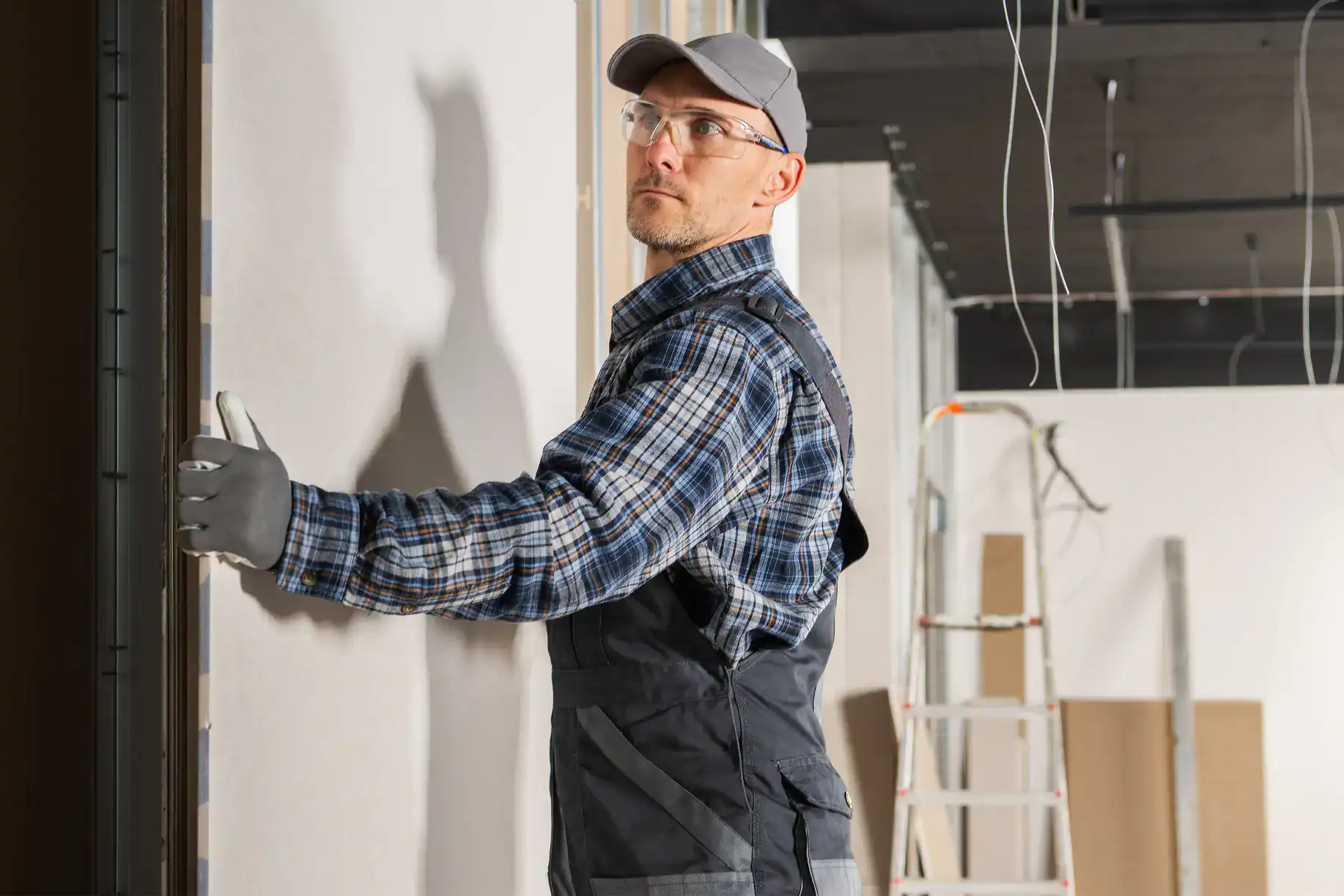
Next, we prep the space properly. Floors and furniture get covered, dust containment goes up, and the damaged area gets cut back to solid material. If you’ve got plaster walls with drywall patches, we match the transition so you can’t tell where one ends and the other begins.
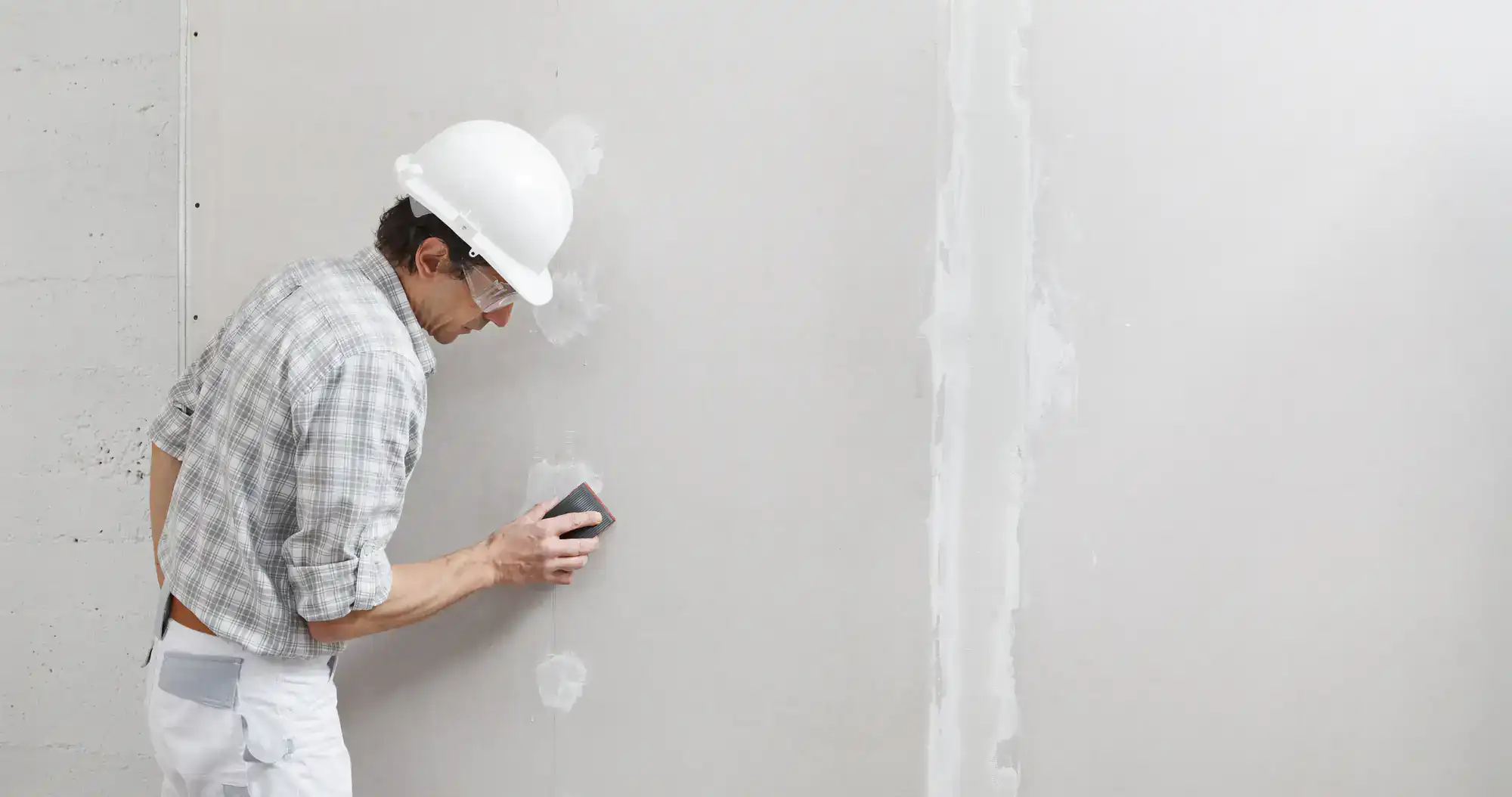
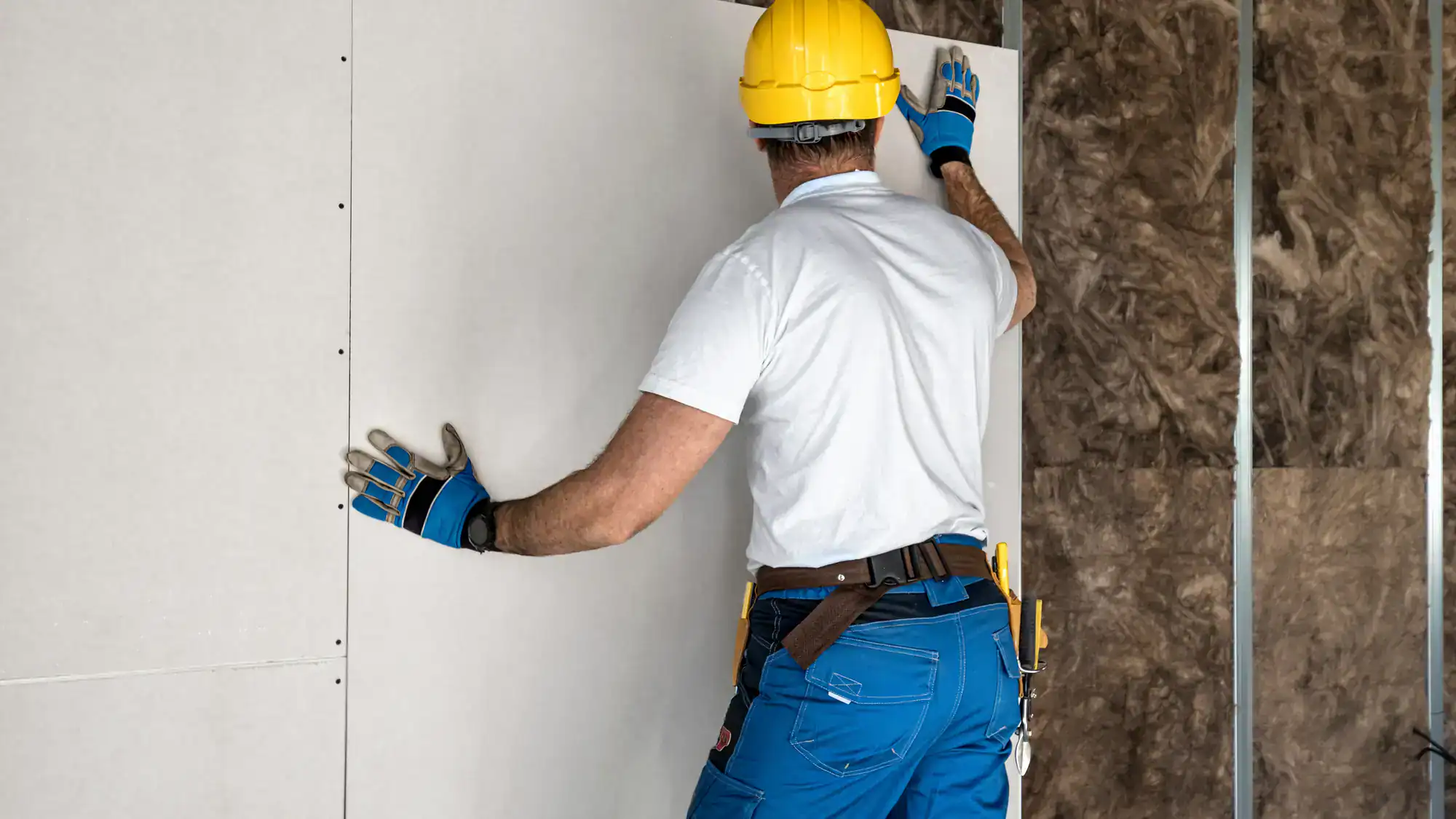
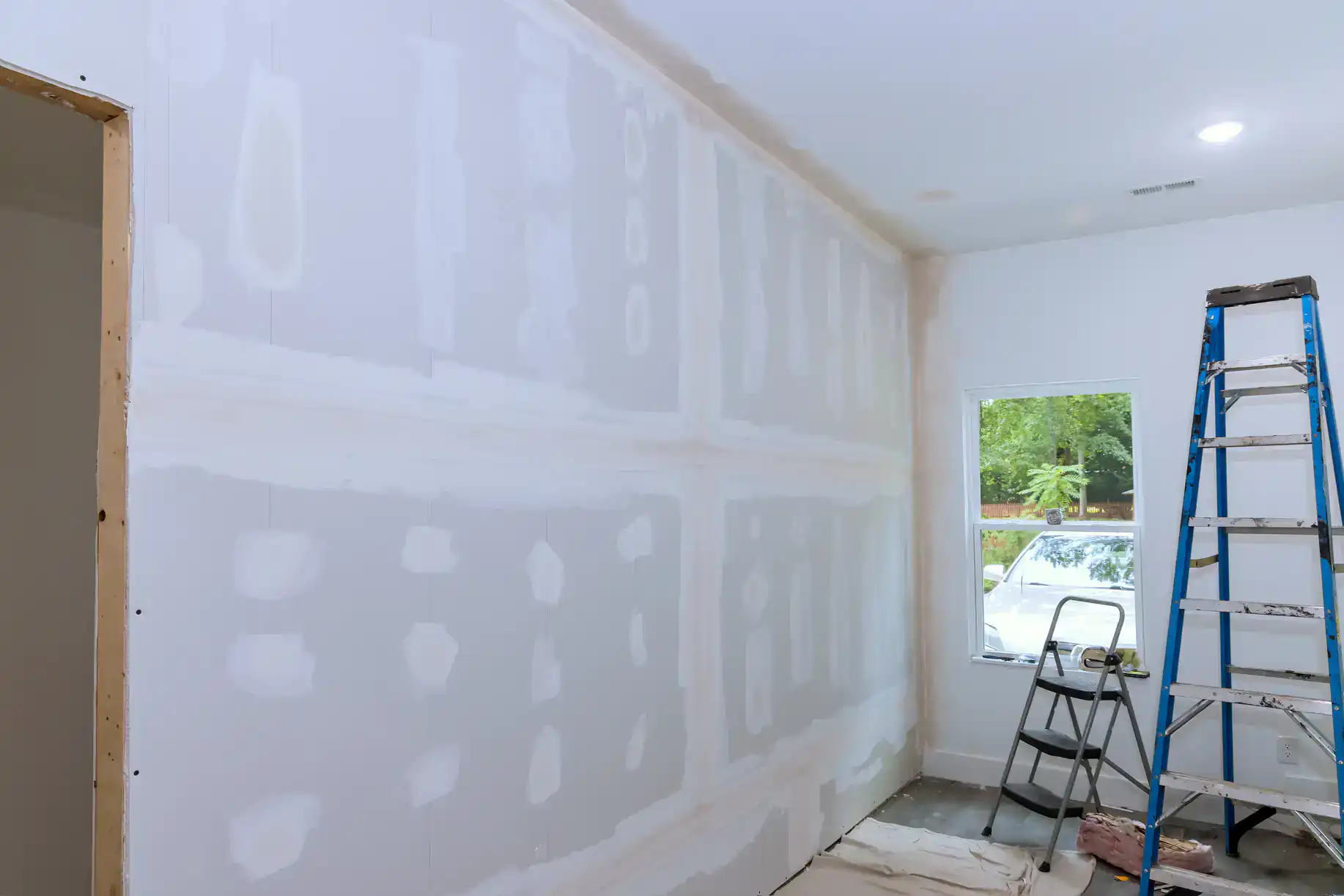
Then comes the actual repair work—hanging new drywall if needed, taping seams with professional-grade mesh and paper tape, applying multiple coats of joint compound, and sanding between each layer until the surface is perfectly smooth. Texture matching happens next, whether you’ve got knockdown, orange peel, or smooth walls. We match it so precisely that even you won’t remember where the repair was.
Final step is cleanup. We don’t leave dust, scraps, or half-empty mud buckets behind. Most projects in Nicetown, PA wrap up the same day, and your space goes back to normal immediately.
Ready to get started?
Professional drywall finishing in Nicetown, PA means more than slapping mud on a hole. You’re getting Level 4 or Level 5 finishes depending on your walls and lighting—the kind of smooth, even surface that holds paint without showing imperfections.
That includes all materials: mold-resistant drywall for areas prone to moisture, premium joint compounds that won’t crack or shrink, and proper mesh or paper tape based on the application. We’re using the same commercial-grade products that go into new construction, not the big-box store basics that fail within a year.
You’re also getting expertise specific to older Philadelphia homes. Many properties in Nicetown have non-standard wall dimensions, uneven framing, and settling that creates ongoing stress on drywall. We account for that movement in how we install and finish, which prevents future cracks from showing up at the same spots six months later.
The work includes complete surface preparation, multiple coats with proper drying time between each, precision sanding, and texture matching that blends invisibly with your existing walls. If there’s water damage, we’re checking for mold and treating the area before new drywall goes up. If there’s foundation movement, we’re addressing flexibility in the repair so it doesn’t crack again immediately.
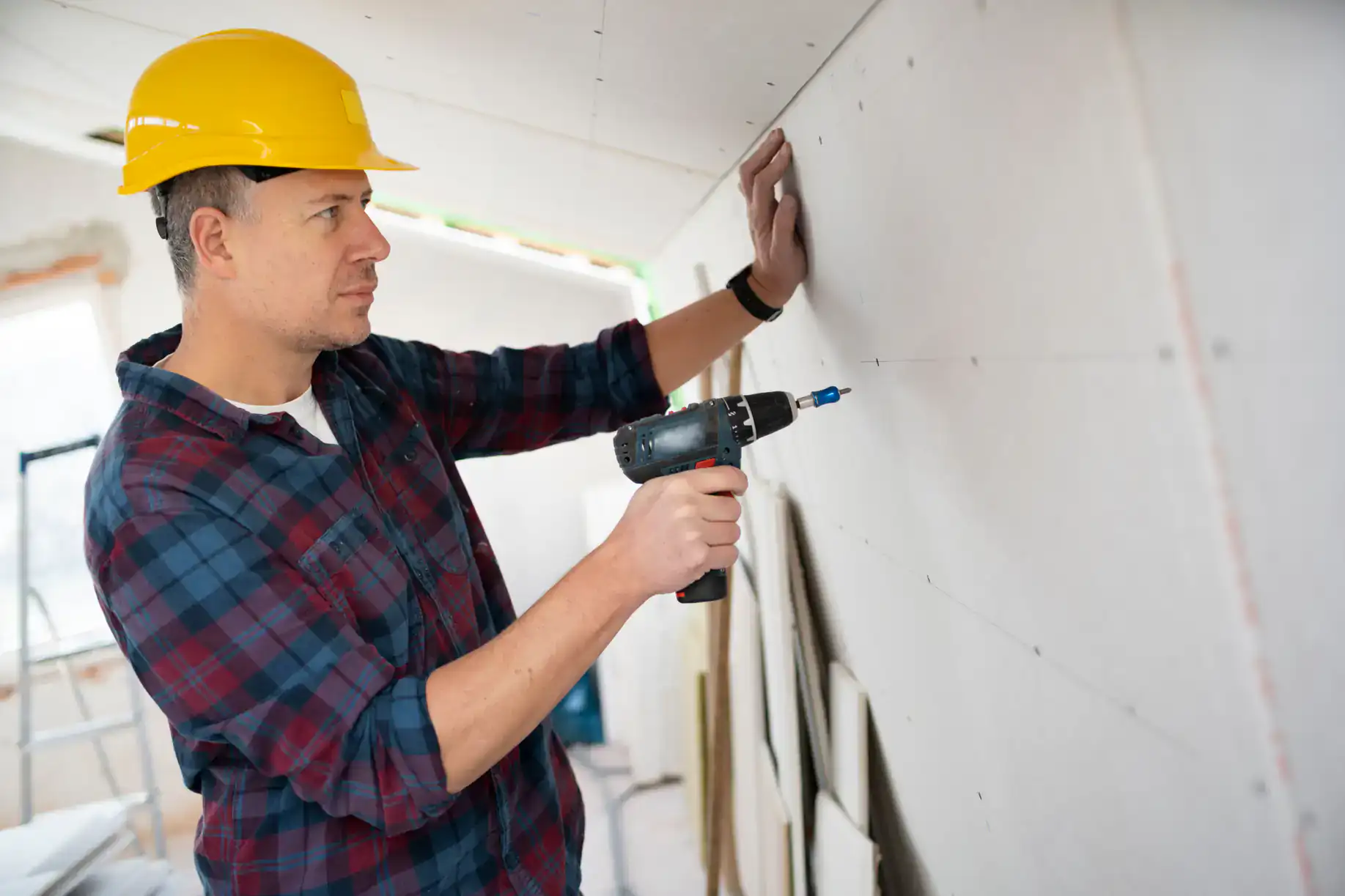
Most repairs finish in one day, start to finish. Small holes, cracks, or water damage patches typically take 4-6 hours including prep, multiple coats of joint compound, texture matching, and cleanup. Larger projects—like finishing an entire room after renovation or repairing extensive water damage—might take 2-3 days to allow proper drying time between coats.
The timeline depends on how many coats the surface needs to be perfectly smooth. A standard repair gets three coats minimum: the first fills the gap, the second levels the surface, and the third creates a smooth finish ready for texture. Each coat needs to dry completely before the next goes on, which is why rushing the job leads to cracks and shrinkage later.
In older Nicetown homes, we sometimes need extra time to address underlying issues. If your walls have plaster and drywall mixed together, matching that transition takes precision. If there’s moisture damage, we’re treating the area and confirming it’s dry before installing new drywall. You’ll know the exact timeline before work starts, and we stick to it.
Level 4 finishing means all joints and fasteners are covered with joint compound, sanded smooth, and ready for flat paint or medium texture. You won’t see seams or screw holes, and the surface is even enough for most residential applications. This is the standard for walls that will have texture or be painted with flat or eggshell paint.
Level 5 adds a final skim coat of joint compound over the entire surface—not just the seams and fasteners. This creates a perfectly uniform surface with no variations in texture or porosity, which matters when you’re using glossy paint, bright lighting, or leaving walls smooth without texture. Without that skim coat, you’ll see slight differences where the joint compound was applied versus the bare drywall, especially under certain lighting angles.
Most Nicetown homes need Level 4 finishing for standard repairs. Level 5 makes sense if you’re finishing a room with large windows, track lighting, or high-gloss paint that will highlight any imperfection. The cost difference is minimal, but the visual result is noticeably better in high-visibility areas. We’ll recommend which level makes sense for your specific walls and lighting before starting work.
Yes, and this is where experience matters. Older Nicetown homes have everything from smooth plaster to heavy knockdown texture to orange peel applied decades ago with techniques that aren’t used anymore. Matching that texture so the repair blends invisibly requires the right tools, materials, and years of practice.
We start by identifying exactly what texture you have and how it was originally applied. Knockdown texture gets sprayed on and then lightly flattened with a trowel at a specific timing and pressure. Orange peel gets sprayed at a particular distance and consistency. Smooth walls need a skim coat that matches the original plaster’s finish. Getting any of these wrong leaves an obvious patch that stands out under every lighting condition.
The texture matching happens after all joint compound coats are complete and sanded smooth. We test the technique on a sample board first to dial in the exact look, then apply it to your wall. Once it’s dry and painted, you won’t be able to tell where the repair was. That’s not an exaggeration—proper texture matching makes repairs virtually undetectable, which is the whole point of professional drywall finishing.
Preventing cracks means addressing why they happened in the first place, not just covering them up. In Nicetown’s older homes, cracks usually come from foundation settling, temperature fluctuations, or moisture issues. If we only fill the crack without fixing the underlying cause, it’ll reappear within months.
First, we identify the source. Cracks along the ceiling line often mean roof leaks or attic moisture. Cracks around windows and doors usually indicate settling or improper installation. Spiderweb cracks across large sections point to foundation movement or studs that have warped over time. We’re checking for active moisture, structural issues, and material failures before any repair work begins.
Then we use techniques that accommodate movement instead of fighting it. That means fiber mesh tape over joints prone to stress, flexible joint compounds in areas that expand and contract with temperature, and proper fastener spacing to prevent future popping. For homes with ongoing settling, we sometimes install expansion joints that allow controlled movement without cracking. The goal is a repair that lasts years, not months, which requires understanding how these older Philadelphia homes behave through seasons and settling.
Yes, and we won’t install new drywall over water damage without addressing the source and treating the affected area first. Water-damaged drywall needs to be cut out completely—not patched over—because moisture compromises the material’s structural integrity and creates perfect conditions for mold growth.
We start by identifying where the water came from. Leaking pipes, roof damage, condensation from poor insulation, or foundation seepage all require different solutions. If the source isn’t fixed, you’re just putting new drywall in place to get damaged again. Once the leak is resolved, we check moisture levels in surrounding studs and insulation to confirm everything is dry enough for new installation.
The damaged section gets cut back to dry, solid material, and we treat the framing with mold inhibitor if there’s any sign of growth. Then we install moisture-resistant drywall—not standard drywall—in areas prone to humidity or occasional moisture exposure. This is especially important in Nicetown’s older homes where outdated plumbing and insulation make certain walls more vulnerable. The finishing process is the same after that, but you’re getting a repair that won’t fail again from the same issue.
The difference shows up in how the repair looks immediately and how long it lasts. DIY patches usually have visible edges, uneven texture, and a different surface quality that stands out even after painting. They also tend to crack, shrink, or bubble within months because the technique, materials, or prep work wasn’t right.
Professional finishing means multiple thin coats of joint compound instead of one thick coat that cracks as it dries. It means proper sanding between coats to create a smooth transition instead of a lumpy patch with visible edges. It means knowing which tape to use where, how to mix compound to the right consistency, and how to match texture so precisely that you can’t tell where the repair is.
You’re also getting it done in hours instead of spending your weekend fighting with materials you’ve never used before, then repainting multiple times trying to hide a bad patch. Most homeowners who try DIY drywall repair end up calling a professional to fix their fix, which costs more than doing it right the first time. The specialized tools alone—taping knives, hawks, texture guns, dust containment, sanding equipment—cost more to buy than hiring someone who already owns them and knows how to use them properly.
Other Services we provide in Nicetown