
You’re staring at a hole in your wall. Maybe it’s from moving furniture, removing an old fixture, or just years of wear in an older home. You’ve probably thought about fixing it yourself—until you remembered the last DIY patch that turned into a lumpy, obvious eyesore that somehow looked worse than the original damage.
That’s where texture matching becomes everything. In Olde Richmond’s historic rowhouses, walls have character. They’ve got texture, age, and quirks that make simple patching complicated. A flat patch on a textured wall stands out immediately.
We handle drywall patching in Olde Richmond with one goal: make the damage disappear. That means matching your existing texture exactly, feathering the edges so there’s no visible line, and finishing it smooth enough that once you prime and paint, even you won’t remember where the hole was. Most jobs wrap up in a single visit, and we clean up completely before we leave.
Sharpe Drywall has spent over a decade working in Montgomery, Bucks, and Philadelphia counties. That means we’ve seen what’s behind the walls in neighborhoods like Olde Richmond—plaster over lath, drywall over plaster, layers added by contractors who took shortcuts decades ago.
When your home was built in 1938, standard techniques don’t always apply. Framing isn’t perfectly square. Walls aren’t always level. We’ve worked in enough historic rowhouses to know what to expect when we cut into a wall, and how to patch it properly so it holds up and blends in.
We’re licensed, insured, and local. We treat your home the way we’d treat our own, because in a neighborhood this tight-knit, reputation matters more than anything.
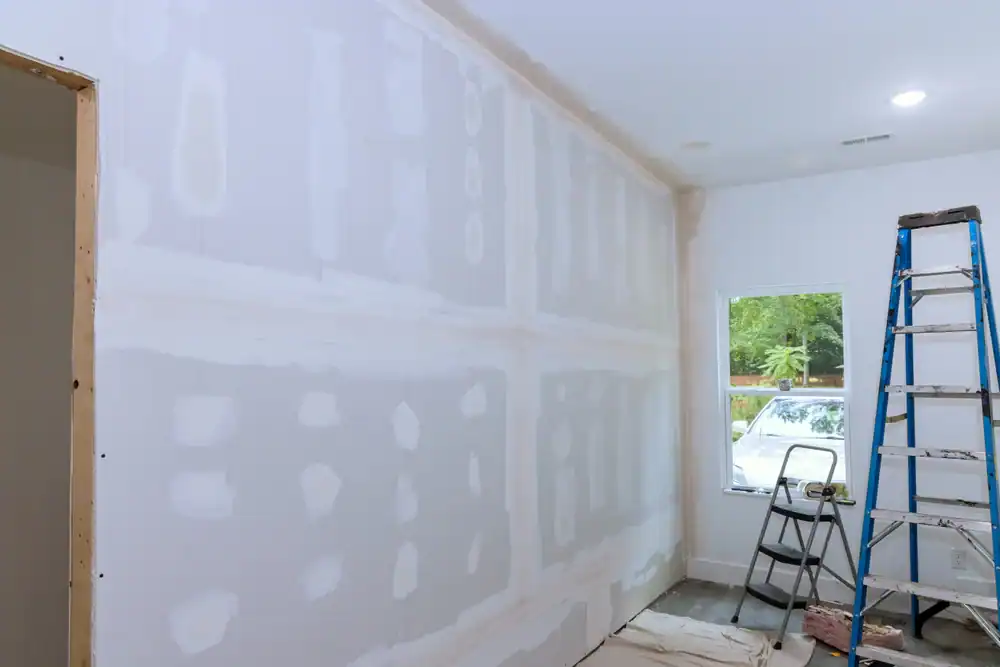
First, we assess the damage. Small holes get patched with joint compound and mesh tape. Larger damage means cutting out the damaged section and fitting in a new piece of drywall that’s secured to the studs or backing.
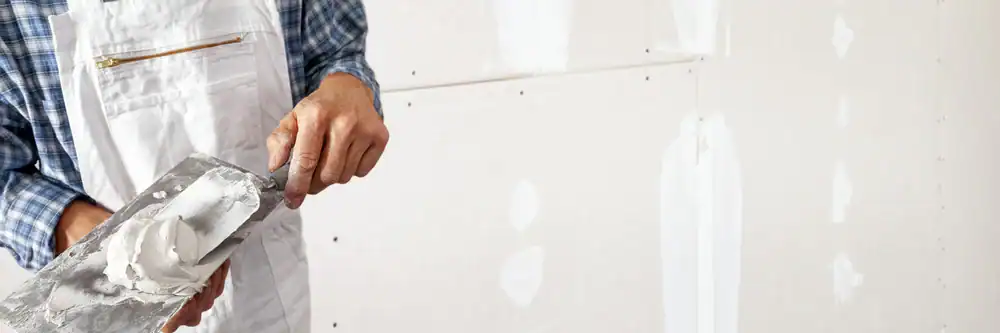
Next comes the mudding. We apply the first coat of drywall mud, let it dry completely, then sand it smooth. This is where feathering the edges matters—we blend the patch into the surrounding wall so there’s no ridge or visible seam. Depending on the size and your wall’s texture, this might take two or three coats.
Then we match your texture. If your walls have knockdown, orange peel, or any other finish, we replicate it. This step separates amateur work from professional results. Once the texture dries, we do a final sand if needed, and your wall is ready to prime and paint.
The whole process is clean, controlled, and faster than most people expect. We contain dust, protect your floors, and haul away debris. You’re left with a wall that’s ready for finishing.
Ready to get started?
Every drywall patching job in Olde Richmond includes the materials, labor, and finishing work needed to get your wall repair-ready. That means drywall, joint compound, tape, texture matching, sanding, and complete cleanup.
We handle holes from anchors, doorknobs, water damage, electrical work, or anything else that’s left your walls looking rough. If you’re a landlord turning over a rental property, we can knock out multiple patches in one visit. If you’re a homeowner dealing with one stubborn problem, we give it the same attention.
Olde Richmond’s housing stock is nearly 60% owner-occupied, and most of those homes were built before World War II. That means plaster walls, settling foundations, and the kind of wear that comes with age. We’ve worked in enough of these homes to know that what looks like a simple patch can reveal bigger issues—like moisture damage or failing plaster. If we find something that needs more attention, we’ll tell you straight. No upselling, just honest assessment.
Same-day service is available for urgent repairs. If you’ve got a showing, inspection, or just need it done fast, we’ll prioritize your job without cutting corners on quality.
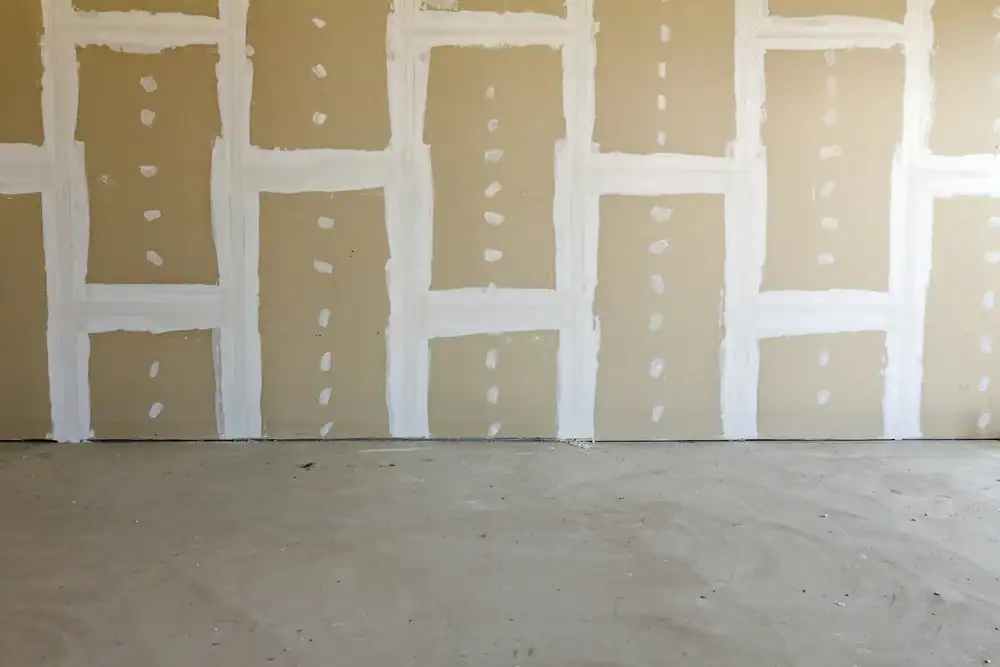
Dry time depends on humidity, temperature, and how thick the coat is. In typical conditions, joint compound dries in 4 to 6 hours, but we usually wait 24 hours between coats to make sure it’s fully cured.
Rushing this step causes problems. If you sand too early, the mud gums up and tears. If you apply the next coat before the first one’s dry, it can crack or pull away from the wall. In older Olde Richmond homes where humidity can be higher, especially in basements or bathrooms, we give it extra time.
For small patches, you’re looking at 2 to 3 days total if we’re doing multiple coats. Larger repairs might take a bit longer, but we’ll give you a realistic timeline upfront so you know what to expect.
Yes. Texture matching is one of the most important parts of drywall patching in Olde Richmond, and it’s where a lot of DIY jobs and inexperienced contractors fall short.
Old plaster walls often have hand-troweled textures, knockdown finishes, or subtle patterns that were applied decades ago. We replicate those by hand using the right tools and techniques—whether that’s a trowel, sponge, or spray texture. The goal is to make the patch blend so well that once it’s painted, you can’t tell where the repair was.
If your walls are smooth plaster, we can skim coat the patch to match that too. It takes more time and skill, but it’s the only way to get an invisible repair. We’ve worked in enough historic homes to know what these finishes look like and how to recreate them.
Depends on the size, but yes, we handle large holes regularly. Anything up to about 6 inches can be patched with backing and drywall mud. Larger holes require cutting out a section and installing a new piece of drywall.
We cut the damaged area into a clean square or rectangle, then fit a new piece of drywall that’s screwed into the studs or attached to backing boards. From there, it’s the same process—tape the seams, apply joint compound, feather the edges, match the texture, and finish it smooth.
Large patches take more time because there’s more surface area to blend, but the result is just as invisible as a small repair. If the damage is extensive—like from a major leak or structural issue—we’ll assess whether patching makes sense or if a larger section of wall needs replacing. Either way, you’ll know what’s involved before we start.
Yes. We finish the drywall patching in Olde Richmond so it’s smooth, textured, and ready for paint, but the actual priming and painting is on you—or your painter.
Priming is essential. Bare joint compound is porous and will soak up paint unevenly, leaving a dull spot that’s obvious even after multiple coats. A coat of primer seals the surface and gives your paint something to grip. Use a stain-blocking primer if the damage was from water or smoke.
Once it’s primed, you can paint. If the patch is small and your paint is relatively new, one coat might be enough. If your walls haven’t been painted in years, you might need to repaint the whole wall to avoid a color mismatch. We’ll let you know what to expect based on your specific situation.
Small patches—nail holes, anchor holes, minor dings—usually run between $100 and $200 depending on how many there are and whether texture matching is involved. Medium repairs, like doorknob holes or fist-sized damage, typically cost $150 to $300. Larger repairs that require cutting in new drywall start around $250 and go up depending on size and complexity.
Historic homes in Olde Richmond sometimes add cost because of what’s behind the walls. If we’re patching over old plaster, dealing with uneven framing, or working around outdated wiring, that takes more time. We’ll give you a clear estimate after seeing the damage so there are no surprises.
We’re not the cheapest option, and that’s intentional. You’re paying for invisible repairs, texture matching that actually works, and a finished product that doesn’t need to be redone in six months. Cheap patches look cheap. Ours don’t.
If the same crack keeps reappearing after you patch it, there’s movement in the wall. That usually means settling, foundation shifts, or framing that’s flexing. In Olde Richmond’s older homes, this is common—houses built in the 1930s have had decades to settle, and wood framing dries out and shifts over time.
Cracks along seams, corners, or above doorways are the most common. These spots are natural stress points. If the crack is thin and stable, we can patch it with flexible joint compound and mesh tape that allows for minor movement. If it’s wide or getting worse, that’s a sign of a bigger structural issue that needs attention before any cosmetic repair will hold.
We’ll inspect the area and tell you what’s causing it. Sometimes it’s as simple as a poorly taped seam from the original install. Other times, it’s foundation movement or water damage that needs to be addressed first. Either way, you’ll know what you’re dealing with and what it’ll take to fix it for good.
Other Services we provide in Olde Richmond