
You’re looking at walls that’ll last decades, not years. When drywall installation is handled by someone who knows what they’re doing, you don’t see seams through the paint. You don’t get callbacks for cracks six months later. You get smooth, even surfaces that hold up to Philly’s humid summers and the settling that comes with homes built in the 1930s.
Most of the row homes in Olde Richmond weren’t built with drywall. They’ve got plaster applied straight to brick, sometimes with layers added over the years. Installing new drywall over that takes more than watching a YouTube video. It takes understanding how old materials behave, how moisture moves through these homes, and what actually sticks when you’re tying new to old.
You’re not just getting walls hung. You’re getting installation that accounts for uneven framing, non-standard dimensions, and the reality that your hallways are too narrow for standard material delivery. That’s the difference between a clean job and one that creates more problems than it solves.
We’ve spent over a decade working in older Pennsylvania homes. We’re not learning on your walls. We’ve handled the plaster-to-brick situations, the humidity issues, the foundation settling that comes with homes that have been standing since before World War II.
We’re licensed, insured, and local. That matters because when something needs attention after the fact, we’re still here. We live in these neighborhoods. We know the building inspector who’ll be checking the work. We understand what it takes to get permits approved and what fire-rated drywall specifications apply to shared walls in row homes.
You’ll work with people who show up when they say they will, quote you a real number that doesn’t change halfway through, and clean up completely when the job’s done. That shouldn’t be remarkable, but in this industry, it is.
First, we come look at what you’re working with. We measure, check the existing walls, and figure out what challenges your specific home presents. Is there plaster that needs addressing? Moisture issues in the basement? Uneven framing that’ll cause problems? We catch that before materials show up.
Then we give you a fixed price. Not an estimate that balloons later. A real number that includes materials, labor, and cleanup. If we find something unexpected once walls are open, we talk to you before doing anything that changes the scope.
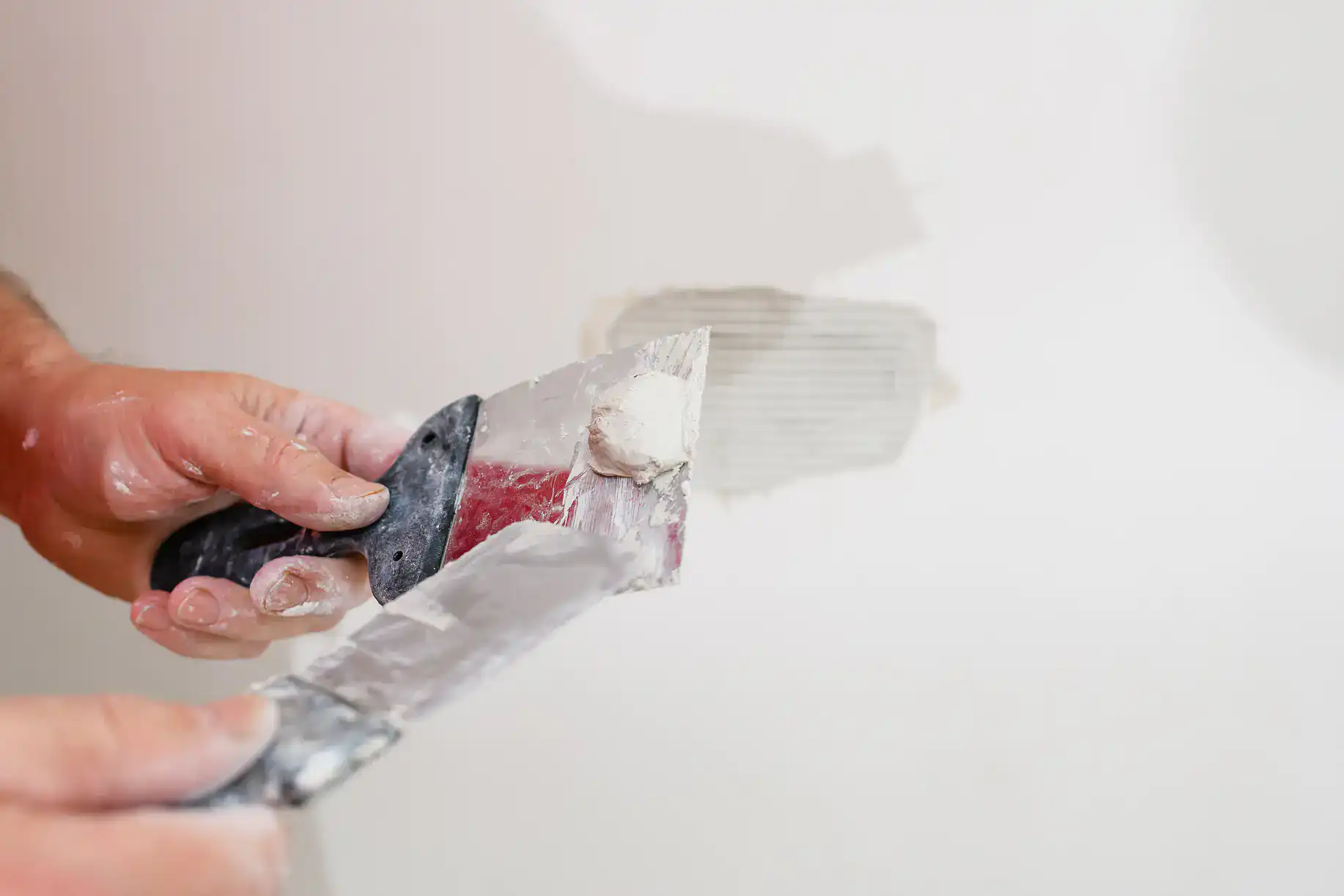
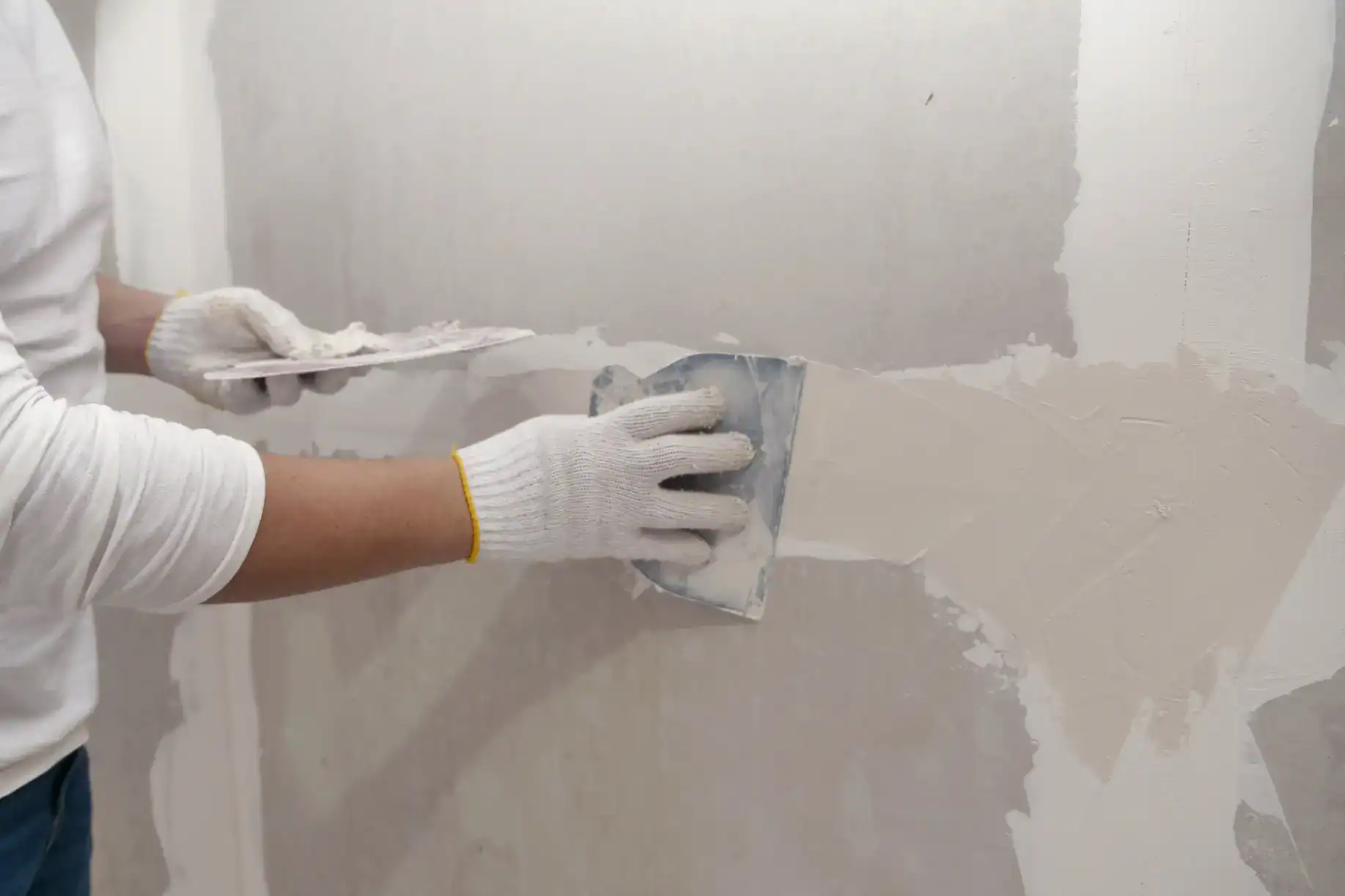
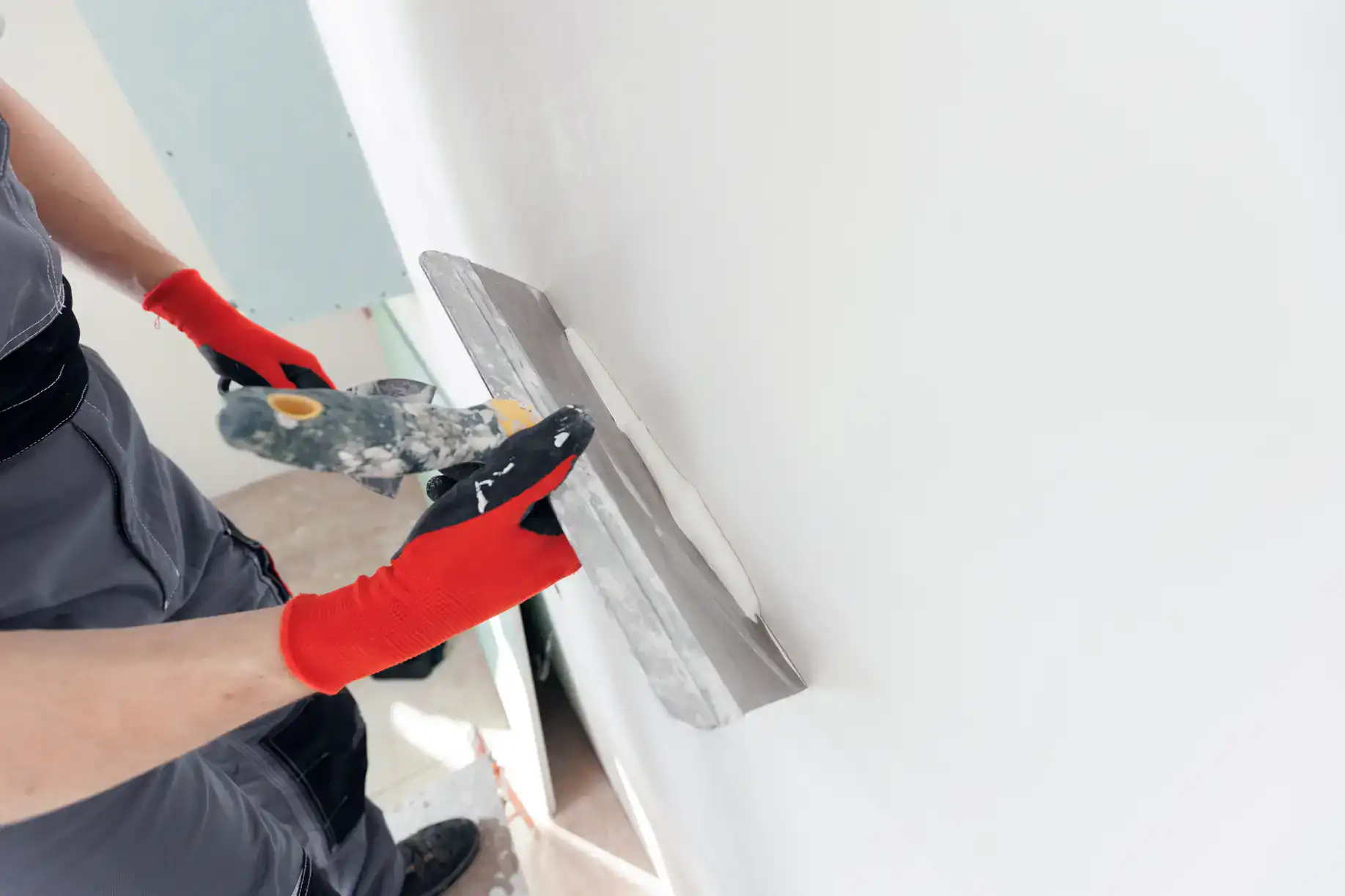
Installation day, we bring everything needed to handle delivery through narrow staircases and tight hallways. We hang, tape, and finish the drywall using moisture-resistant materials where needed. We match textures if you’re tying into existing walls. We make sure seams disappear and corners are actually square.
When we’re done, we clean up completely. No dust, no mud, no leftover scraps. You’re left with walls ready for paint, not a mess that requires another week of your time to deal with.
Ready to get started?
You get full sheetrock installation from measurement through final finishing. That means we’re handling the cutting, hanging, taping, mudding, and sanding. We’re using moisture-resistant drywall in basements and bathrooms because Philadelphia’s humidity isn’t optional. We’re using fire-rated materials on shared walls because code requires it and your insurance company cares.
For homes in Olde Richmond, that often means working around plaster walls that have been there for 80+ years. We don’t just slap drywall over problems. We address what’s underneath so the new work actually lasts. If there’s calcimine paint or oil-based finishes that’ll prevent adhesion, we deal with that first.
Most drywall installation projects in this area run between $1,500 and $3,000 depending on room size and complexity. Philadelphia homeowners typically pay around $2,095 for professional installation. You’re not paying for speed—you’re paying for work that doesn’t need redoing. The difference between a $400 bathroom job and a $650 one usually comes down to whether moisture-resistant materials were used and whether the installer understood how humidity affects drying time.
We include all materials, complete finishing, and cleanup in our quotes. No surprise charges for “unforeseen circumstances” that any experienced installer should have caught during the initial walkthrough.
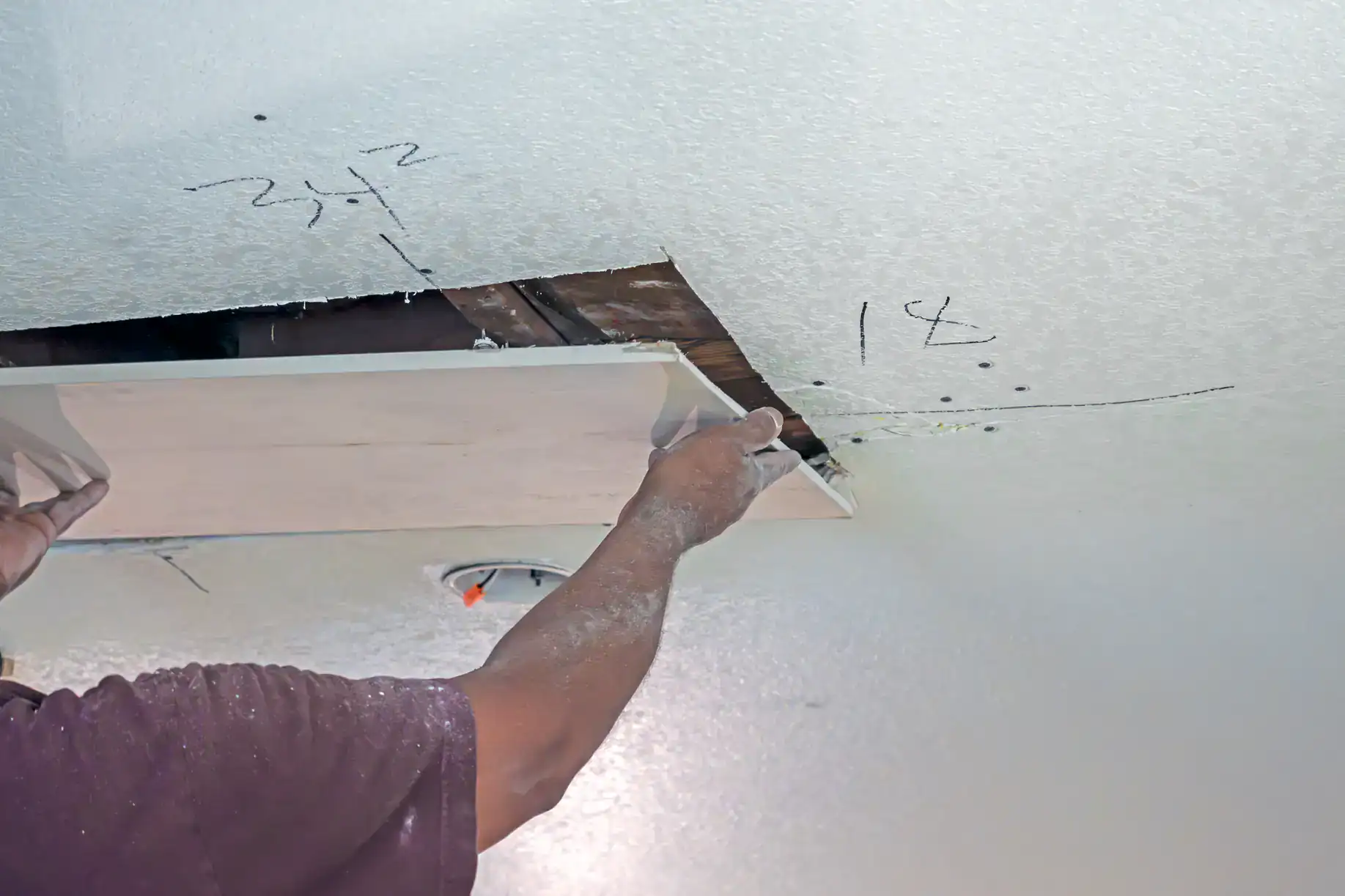
Most homeowners in Olde Richmond spend between $1,500 and $3,000 for professional drywall installation, with the Philadelphia average sitting around $2,095. Small bathrooms typically run $400-$650. Larger rooms or whole-floor projects can hit $3,000 or more.
The range exists because every home is different. A straightforward installation in a room with standard dimensions and no complications costs less than working around plaster walls, dealing with moisture issues, or navigating the tight staircases typical in row homes. If we need to remove old materials first, or if there’s lead paint that requires proper handling, that adds cost.
We give you a fixed price upfront. That number includes materials, labor, finishing, and cleanup. It doesn’t change unless you change what you want done.
Sometimes yes, sometimes no. It depends on the condition of your plaster and what’s behind it.
If the plaster is solid, still adhered well to the lath or brick, and relatively flat, we can install drywall over it. But if it’s crumbling, separating from the wall, or has significant damage, installing over it just hides problems temporarily. You’ll end up with cracks, separations, and failure points within a year or two.
Most row homes in Olde Richmond have plaster applied directly to brick. Over decades, moisture from Philadelphia’s humidity and the brick itself can compromise that bond. We check for hollow spots, cracks, and areas where the plaster has separated. If removal makes more sense, we tell you that upfront. If overlay works, we’ll do that. The goal is installation that lasts, not installation that’s cheapest today and expensive later.
A single room typically takes one to two days. Larger projects or whole floors can run three to five days depending on size and complexity.
That timeline includes hanging, taping, mudding, and finishing. Drying time matters—you can’t rush mud. Philadelphia’s humidity actually extends drying time compared to drier climates. We use proper ventilation and sometimes dehumidifiers to maintain the right conditions, but cutting corners on drying time leads to cracks and failures later.
If we’re working in an occupied home, we schedule around your life. We’re not leaving your house torn apart for weeks. We show up when we say we will, work efficiently, and complete the job in a reasonable timeframe. Most of our projects are done in under a week from start to finish.
Yes. Philadelphia basements are damp. Period. Regular drywall in a basement is asking for mold, deterioration, and failure.
Moisture-resistant drywall (often called green board or purple board) is engineered to handle humidity without breaking down. In row homes with brick foundations and limited ventilation, moisture isn’t just possible—it’s guaranteed. Philadelphia’s summer humidity regularly hits 70%, and basements concentrate that moisture even more.
The cost difference between standard and moisture-resistant drywall is minimal compared to the cost of redoing failed installation or dealing with mold. We install moisture-resistant materials in basements, bathrooms, and any space where humidity is a factor. It’s not an upsell—it’s the right material for the conditions your home actually has.
Older homes weren’t built to standard dimensions. Framing isn’t always square. Walls aren’t always plumb. Ceilings aren’t always level. Materials behave differently when you’re tying new drywall to 80-year-old plaster or dealing with settling that’s been happening for decades.
In Olde Richmond’s row homes, you’re often working with plaster over brick, multiple layers of old repairs, and framing that was cut by hand before power tools existed. Standard drywall installation techniques don’t always work. You need to know how to shim uneven framing, how to tie into plaster without creating cracks, and what adhesives actually bond to old painted surfaces.
There’s also the practical challenge of getting materials into these homes. Narrow staircases, tight hallways, and small doorways mean you can’t just carry full sheets wherever you need them. Experienced installers know how to work around those limitations without compromising the quality of the installation. That’s the difference between someone who’s worked in older Philadelphia homes and someone who hasn’t.
Yes. We carry full licensing and a minimum $1 million general liability policy, which is required for contractors operating in Philadelphia.
That insurance protects you if something goes wrong. If there’s damage to your property during installation, you’re covered. If someone gets injured on the job, you’re not liable. Those protections matter, especially in older homes where unexpected issues can arise.
We also pull proper permits when required and ensure all work meets Philadelphia building code. That includes using fire-rated drywall on shared walls in row homes, proper fastener spacing, and appropriate materials for different applications. When the building inspector shows up, the work passes. You’re not dealing with violations or having to redo things later because shortcuts were taken.
Other Services we provide in Olde Richmond