
You shouldn’t be able to tell where the damage was. That’s the standard for drywall patching in Longmead Farms that actually works.
Most patches fail because the texture doesn’t match or the edges show through after the first coat of paint dries. You end up with a smooth spot on a textured wall, or a visible ring where the compound stops. It looks amateur because it was done by someone who rushed the feather-the-edges step or didn’t let each layer reach proper dry time.
When we handle drywall patching in Longmead Farms, the repair blends completely. Your rowhouse walls—whether they’re original 1950s plaster or updated drywall—get the same careful attention to texture matching and finishing that makes patches invisible. You get walls you’re comfortable showing guests, not ones you apologize for or plan to hide with furniture.
The work gets done in one visit for most repairs. We’re talking holes from doorknob impacts, cracks from settling, water damage spots, or anchor pulls. You’re not waiting days between coats or dealing with multiple appointments.
Sharpe Drywall has spent over a decade working in Montgomery and Bucks County homes. We’re not a franchise operation or a crew that shows up from two counties over—we live in the communities we serve.
Longmead Farms has a specific housing stock. The rowhouses here were mostly built in the ’50s and ’60s, and many still have original plaster walls or early drywall installations. That means settling cracks, water intrusion from shared walls, and texture patterns you don’t see in newer construction. We’ve worked on enough of these homes to know what your walls need before we even start the estimate.
You’re getting fully licensed and insured contractors who show up on time, quote a fixed price, and clean up completely before leaving. No dust on your floors, no compound on your trim, no half-finished patches that you’re supposed to paint yourself.
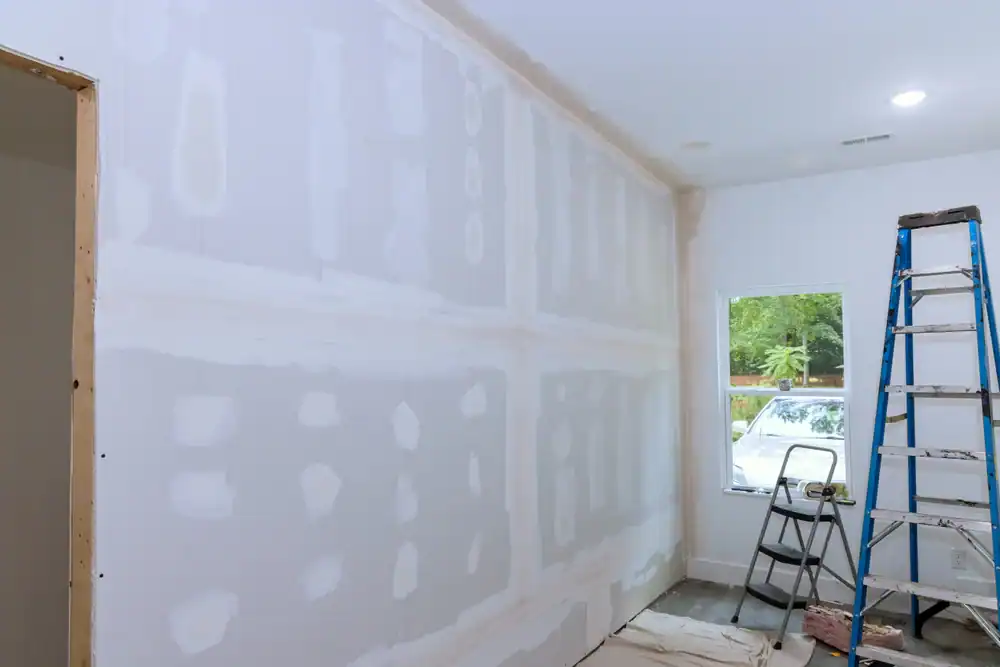
We start by cutting out the damaged section cleanly. Ragged edges don’t hold joint compound well, so this step matters more than most people realize.
Then we install a backer or patch piece that sits flush with your existing wall. If it’s a small hole, we use a California patch or a pre-made repair kit. Larger damage gets a cut piece of drywall screwed into blocking we install behind the opening. The goal is a solid base that won’t flex or crack later.
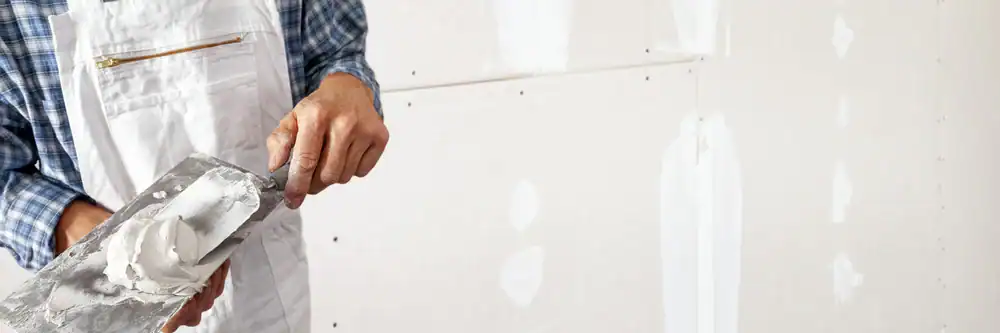
Next comes the drywall mud application. We apply joint compound in thin layers, feathering the edges out 6-8 inches beyond the patch so there’s no visible line when it dries. Each coat needs proper dry time—usually 4-6 hours depending on humidity and temperature in your home. Rushing this step is why DIY patches and cheap contractors leave visible repairs.
After the final coat dries, we sand everything smooth and match your existing texture. Longmead Farms homes have everything from smooth walls to orange peel to knockdown finishes. We replicate whatever you have so the patch blends completely. Then we prime the repair area so your paint goes on evenly, and we clean every surface we touched.
Most drywall patching in Longmead Farms gets completed the same day we start. Larger water damage repairs or multiple patches might need a second visit for final finishing and paint, but you’ll know the timeline before we begin.
Ready to get started?
Every drywall patching job in Longmead Farms includes damage assessment, material supply, complete repair, texture matching, priming, and full cleanup. You’re not paying extra for us to haul away the old drywall or cover your floors—that’s standard.
We use mold-resistant drywall and premium joint compound on every repair. Longmead Farms rowhouses can have moisture issues from shared walls or older plumbing, so mold resistance isn’t optional. The materials we use are designed to last decades, not just pass inspection.
You also get transparent pricing before we start. The quote we give you includes labor, materials, and cleanup. No surprise charges for “unforeseen complications” or extra trips to match texture. If we find additional damage during the repair—like rot behind water-damaged drywall—we’ll explain what needs fixing and give you a price before doing any extra work.
The finishing process includes prime and paint on the patched area so it’s ready for your final paint color. Some contractors leave you with a white patch and tell you to paint it yourself. We don’t. You’re getting a repair that’s ready to blend with your existing walls as soon as your paint goes on.
And because we’re local to Montgomery and Bucks County, we’re available if you need us again. A lot of Longmead Farms homes are reaching the age where multiple small repairs make sense to handle at once—a crack here, a hole there, maybe some water damage from a bathroom leak. We’ll walk through your home and give you a complete assessment so you can decide what to fix now and what can wait.
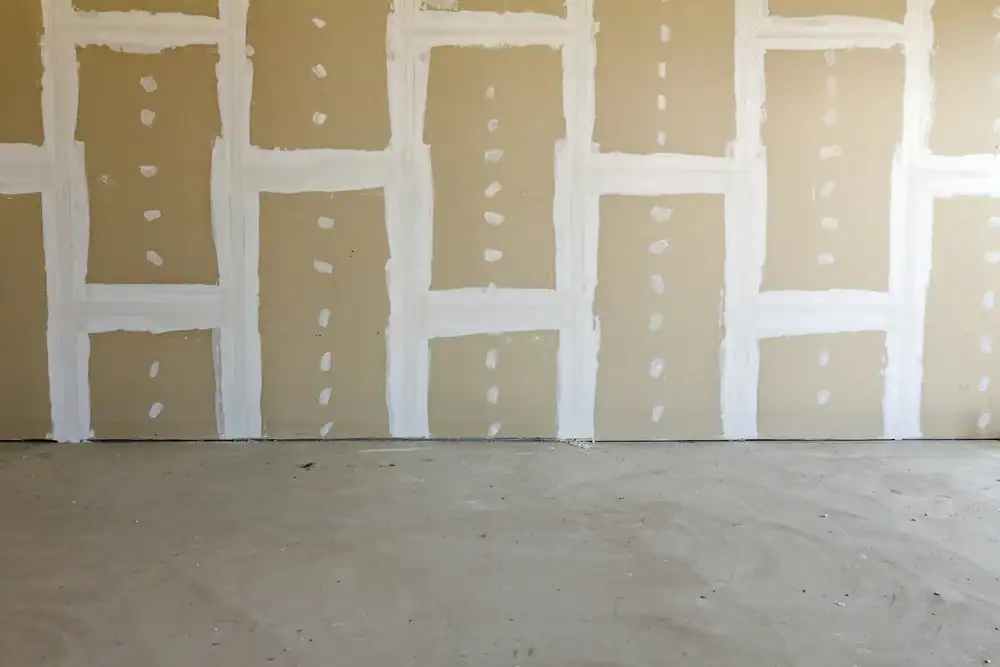
Most drywall patching in Longmead Farms gets done in 4-6 hours from start to finish. That includes cutting out the damage, installing the patch, applying joint compound, letting it reach proper dry time, sanding, matching texture, and priming.
Small repairs like nail holes or minor cracks can be even faster—sometimes under two hours if there’s minimal prep work. Larger patches or water damage repairs might need a full day, especially if we’re waiting for multiple coats of drywall mud to dry between applications.
The dry time is what controls the schedule. Joint compound needs 4-6 hours per coat to cure properly, and most patches need at least two coats. We can’t rush that without compromising the quality of your repair. Humid weather or cooler temperatures in your home can extend dry time slightly, but we’ll let you know if that’s going to affect your timeline.
If you have multiple patches throughout your Longmead Farms home, we can often work on several areas simultaneously while waiting for dry time on others. That keeps the total project time down and gets you back to normal faster.
No. Proper drywall patching in Longmead Farms should be completely invisible after we’re done. You shouldn’t see texture differences, color variations, or raised edges where the patch meets your existing wall.
The key is feathering the edges of the joint compound far enough beyond the actual damage. We extend each coat 6-8 inches past the patch and sand it smooth so there’s no ridge or line. Most visible patches happen because someone only covered the hole itself without blending the edges into the surrounding wall.
Texture matching is the other critical piece. Longmead Farms homes have different wall finishes depending on when they were built or renovated. We replicate your exact texture—whether that’s smooth, orange peel, knockdown, or something custom—so the patched area matches the rest of the wall. That takes experience and the right tools, not just a spray can from the hardware store.
After we prime the repair, you can paint over it with your wall color and it’ll blend completely. The primer seals the new drywall and joint compound so your paint absorbs evenly. Without that step, the patched area would show through as a dull spot even after painting.
Settling and shared wall moisture are the two biggest causes of drywall damage in Longmead Farms. The rowhouses here were built in the ’50s and ’60s, and they’ve had decades to shift and settle. That creates cracks along seams, especially where walls meet ceilings or around door frames.
Water intrusion is common because you share walls with neighbors. A plumbing leak on their side can show up as damage on yours. Bathroom and kitchen walls are particularly vulnerable, and older homes didn’t always use moisture-resistant drywall in those areas. You’ll see bubbling, soft spots, or brown staining when water gets into the drywall.
Impact damage happens too—doorknobs punching through walls, furniture bumps, kids being kids. Drywall isn’t indestructible, and normal life in a home eventually creates holes and dents that need patching.
The age of the homes also means you might still have original plaster walls in some areas. Plaster cracks differently than drywall and needs a slightly different repair approach. We handle both, but it’s worth knowing which you have before starting any drywall patching in Longmead Farms.
Yes. Water damage drywall patching in Longmead Farms is something we handle regularly, and it needs to be done quickly. Once drywall gets wet, you have a limited window before mold starts growing and the damage spreads to framing or insulation.
We’ll assess how far the water traveled and whether the drywall can be dried and saved or needs to be cut out and replaced. Drywall that’s been soaked through or shows any soft spots has to come out—there’s no salvaging it. Surface moisture or minor staining might be okay to dry and patch if we catch it early enough.
After removing the damaged section, we check the framing and insulation behind it. Water doesn’t stop at the drywall, and if the studs or insulation are wet, they need to dry completely before we close the wall back up. Otherwise you’re trapping moisture and creating a mold problem.
We use mold-resistant drywall for all water damage repairs. It costs slightly more than standard drywall, but it’s designed to resist mold growth if the area gets damp again. Given that Longmead Farms rowhouses can have recurring moisture issues from shared plumbing or older construction, mold-resistant materials are worth the investment.
The repair process after that is the same as any other drywall patching—joint compound, feathering the edges, texture matching, priming. But the prep work on water damage is more involved and can’t be skipped.
Small repairs like nail holes or minor cracks typically run $150-$300 depending on how many you need fixed. Medium patches for doorknob holes or small water damage spots are usually $300-$600. Larger repairs involving multiple square feet of drywall replacement can range from $600-$1,200 or more.
The variables that affect cost are the size of the damage, how many areas need repair, whether there’s water damage or mold that needs remediation, and how complex your texture matching is. A simple smooth wall patch costs less than replicating a custom knockdown texture across a large area.
We give you a fixed price quote before starting any drywall patching in Longmead Farms. That quote includes all labor, materials, texture matching, priming, and cleanup. You’re not getting surprise charges halfway through the job or extra fees for things that should have been included from the start.
Water damage repairs cost more because there’s additional work involved—checking framing, ensuring everything’s dry, possibly treating for mold, using mold-resistant materials. But you’ll know that cost upfront, and we’ll explain exactly what we found and why it needs to be addressed.
If you’re comparing quotes, make sure you’re comparing the same scope of work. A cheap quote that doesn’t include texture matching, priming, or cleanup isn’t actually cheaper—you’re just paying for an incomplete job.
Yes. Texture matching is one of the most important parts of drywall patching in Longmead Farms, and it’s where a lot of contractors fall short. Your home might have orange peel, knockdown, skip trowel, or a custom texture that was popular when the house was built. We replicate whatever you have.
The process involves identifying your exact texture pattern, then using the right tools and technique to recreate it on the patched area. Orange peel needs a specific spray tip and air pressure. Knockdown requires applying texture and then lightly flattening it at the right time. Skip trowel is done by hand with a specific trowel pattern.
Older homes sometimes have textures that aren’t common anymore, which makes matching them harder. We’ve worked on enough Longmead Farms rowhouses to recognize most of the patterns used in ’50s and ’60s construction. If your texture is particularly unusual, we’ll do a test patch in an inconspicuous area first to make sure we’ve got it right before finishing the visible repair.
The texture has to be applied after the final coat of joint compound dries and gets sanded smooth. Timing matters—if the texture material is too wet or too dry when we work it, it won’t match your existing wall. This is why drywall patching takes longer than just smearing some compound in a hole. The finishing work is what makes the repair invisible, and that requires experience and patience.
Other Services we provide in Longmead Farms