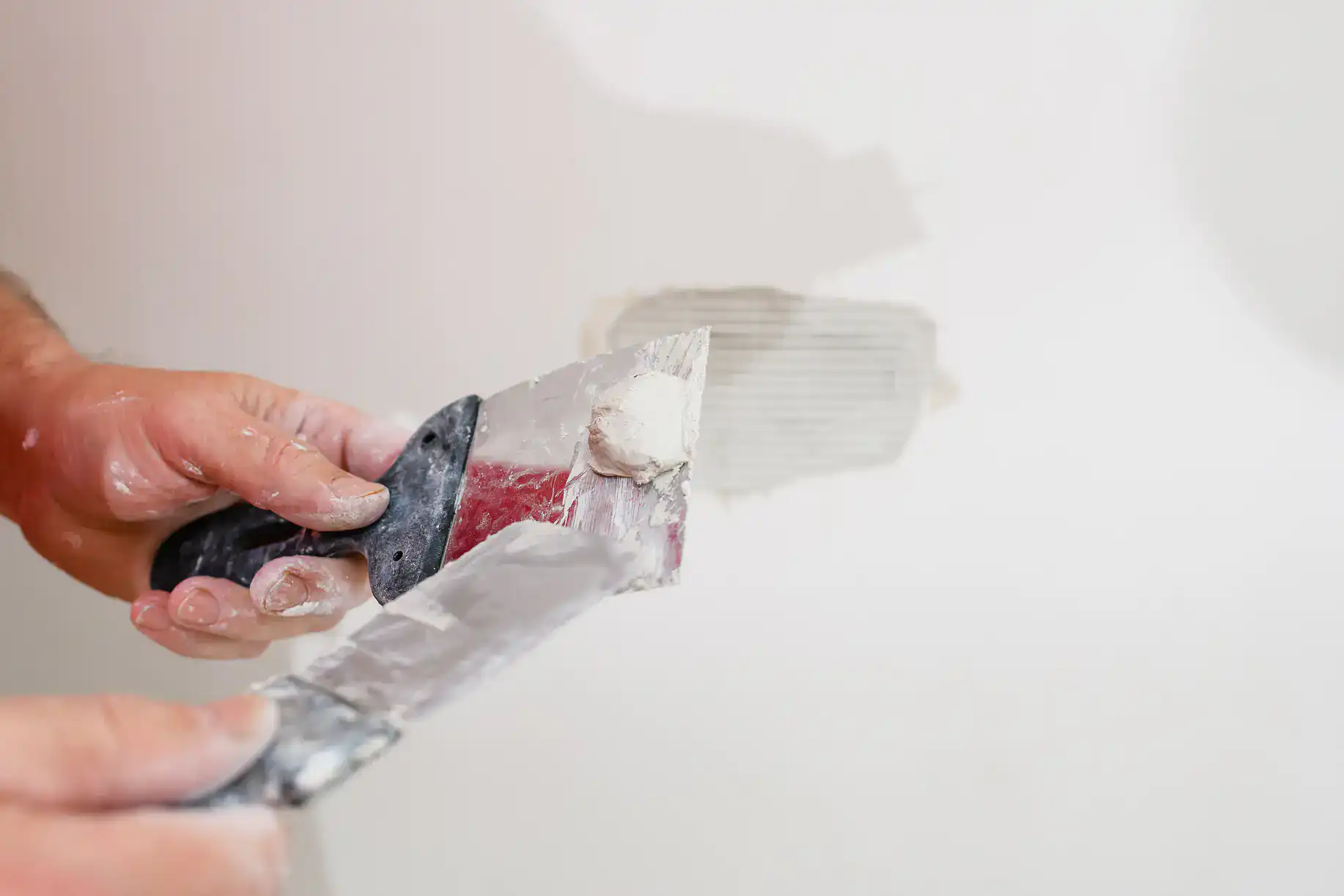
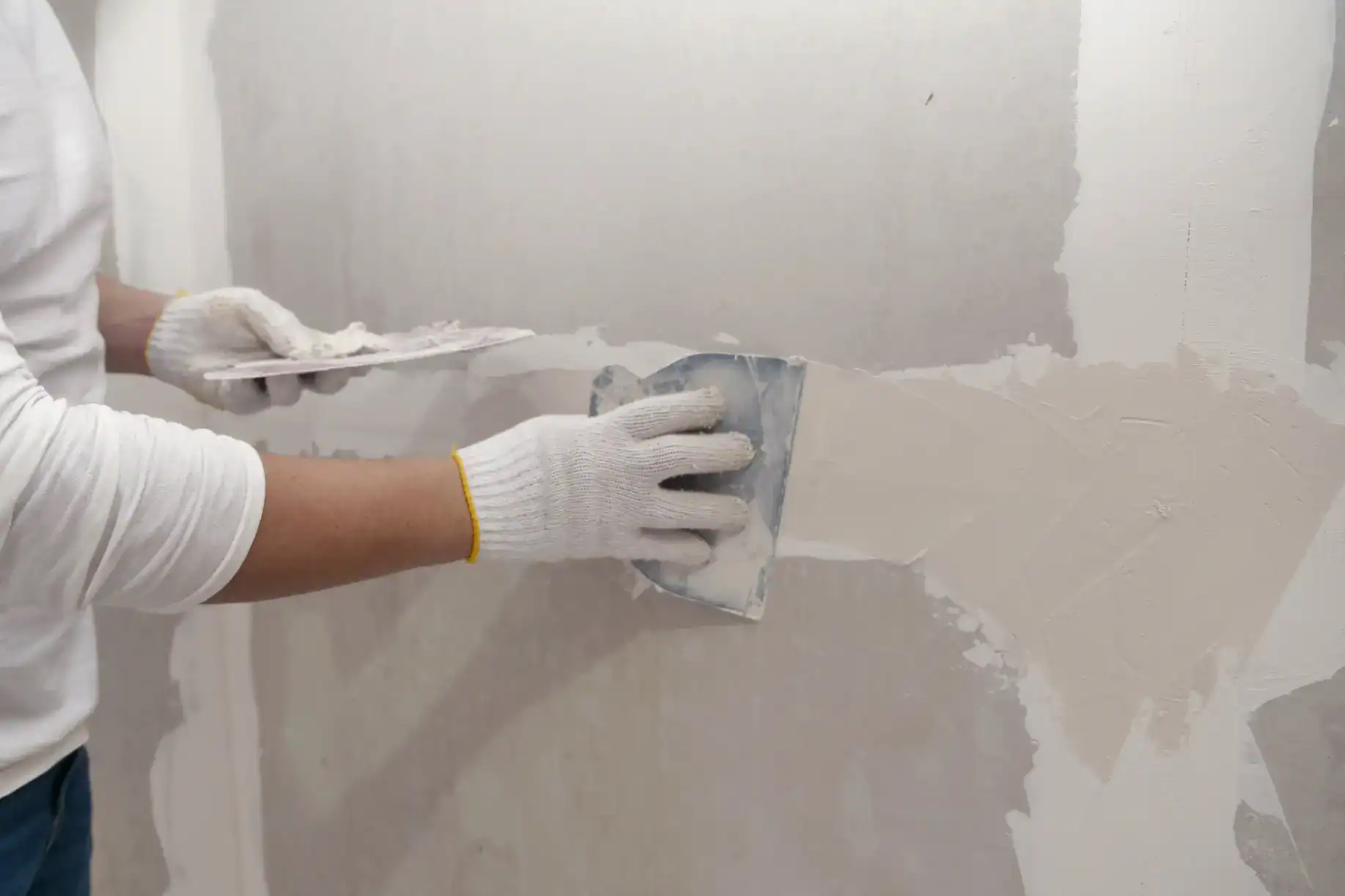
You get walls that are ready for paint without shadows, seams, or lumps showing through. The kind of finish where your painter doesn’t call you halfway through to say the drywall work needs to be redone.
Most drywall installation projects in Frankford Valley wrap up in one to three days depending on square footage. That includes hanging, taping, mudding, sanding, and cleanup. You’re not waiting weeks for someone to come back and “finish up.”
The difference shows up when you’re living with it. No cracks appearing after the first season. No texture that doesn’t match the rest of your room. Just clean, straight walls that do exactly what they’re supposed to do—disappear into the background so everything else in your space looks better.
Sharpe Drywall exists because homeowners in Montgomery and Bucks County kept getting the same story. Contractors who showed up late, left dust everywhere, and delivered work that looked worse than the original problem. Seams you could see from across the room. Gaps wide enough to stick coins through.
We’re locally owned and operate right here in Frankford Valley and the surrounding area. Every job gets treated the way we’d handle our own homes—proper materials, clean installation, and respect for your space and schedule.
You’re hiring people who are fully licensed and insured, who live in these communities, and who care about doing this right because our reputation depends on it.
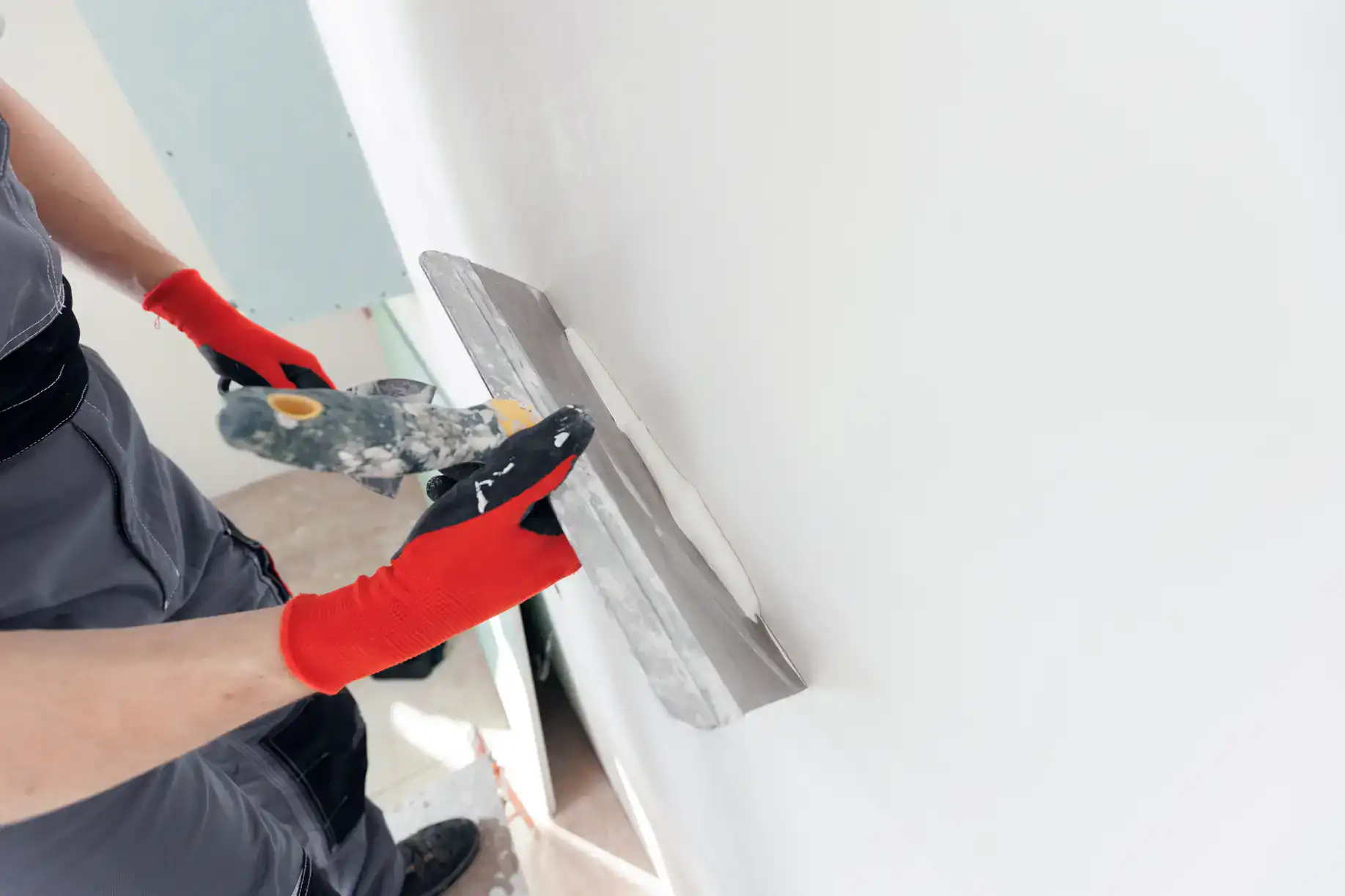
First, we walk the space with you and give you a transparent estimate. You’ll know the cost to install drywall before we start, broken down clearly with no surprise fees buried in the fine print. For context, the average cost to install drywall in the Philadelphia area runs around $2,095, though your project might fall outside that range depending on size and complexity.
Once you’re ready to move forward, we schedule a start date and show up when we say we will. We bring in the materials—including moisture-resistant drywall if you’re dealing with humidity issues common in older Frankford Valley homes. Hanging happens first, then taping and mudding in layers. Each coat needs to dry properly, which is why rushing this phase always shows up later.
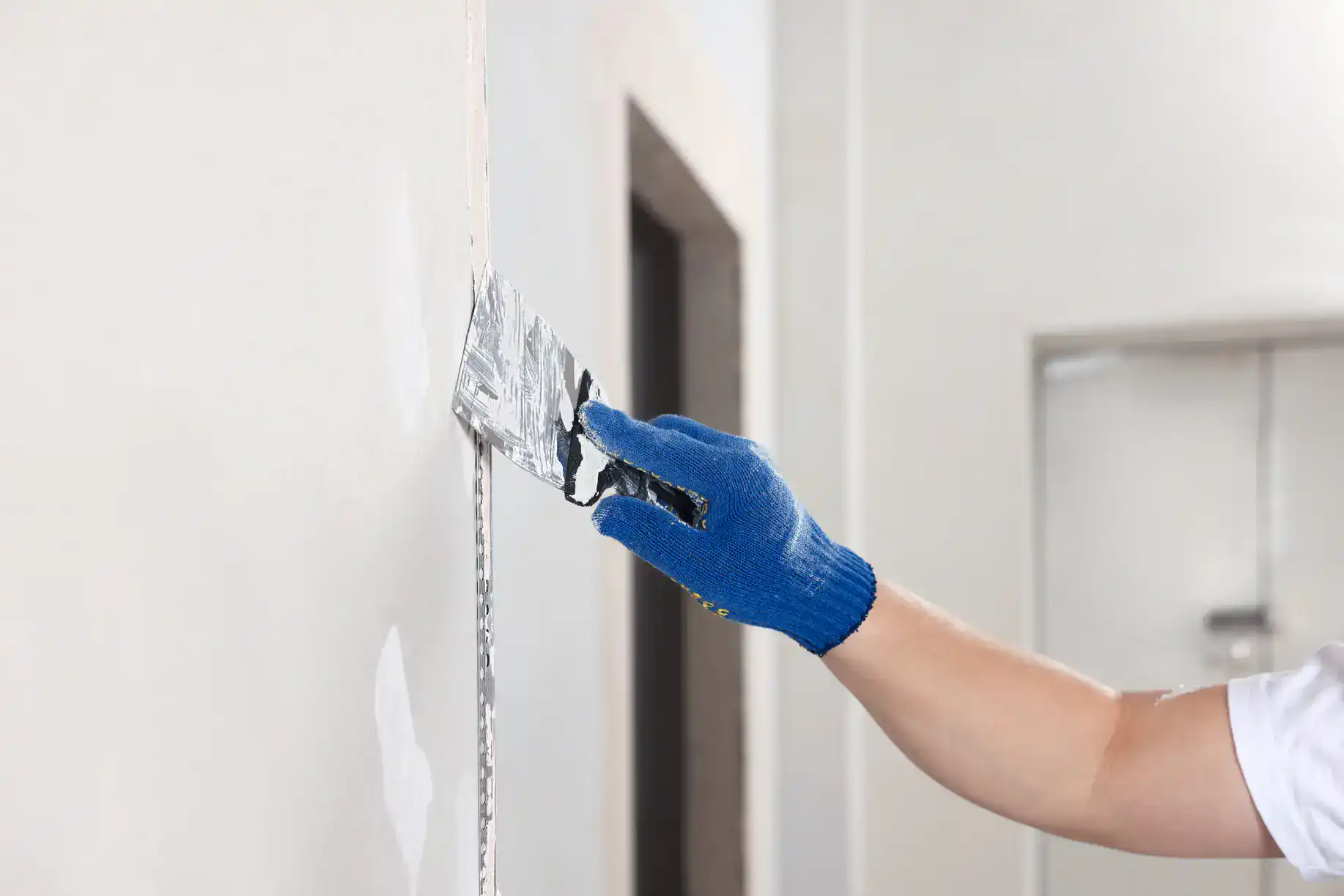
After sanding, we match your existing texture if you’re tying into older walls. That’s where most contractors fall short—they skip the texture matching and leave you with obvious repair lines. We use professional tools to recreate patterns like knockdown, orange peel, or smooth finishes so you can’t tell where old meets new. Then we clean up completely, haul away debris, and leave you with walls that are ready for primer.
Ready to get started?
You’re getting full-service work from start to finish. That means hanging, taping, mudding, sanding, texture matching, and complete cleanup. We’re not handing you a broom when we’re done or leaving you to deal with drywall dust coating your furniture.
Materials matter more than most people realize. We use premium, mold-resistant drywall that holds up in the high-humidity conditions you get around here, especially in rowhomes with limited airflow. Frankford Valley has plenty of classic Philadelphia rowhouses with narrow hallways, tight staircases, and shared walls that need fire-rated drywall. We account for all of that during installation.
Pricing reflects quality materials, proper techniques, and experienced craftsmanship. You’re paying for work that lasts and looks right, not the cheapest bid that leaves you dealing with callbacks and repairs six months later. The cost to install drywall should include everything—labor, materials, prep, and cleanup—so you’re not nickel-and-dimed as the job progresses.
You also get transparency around timelines. Most residential drywall installation jobs finish within one to three days. Larger projects or complex layouts might take longer, but you’ll know that upfront. We’re not the crew that disappears for a week and shows up again when we feel like it.
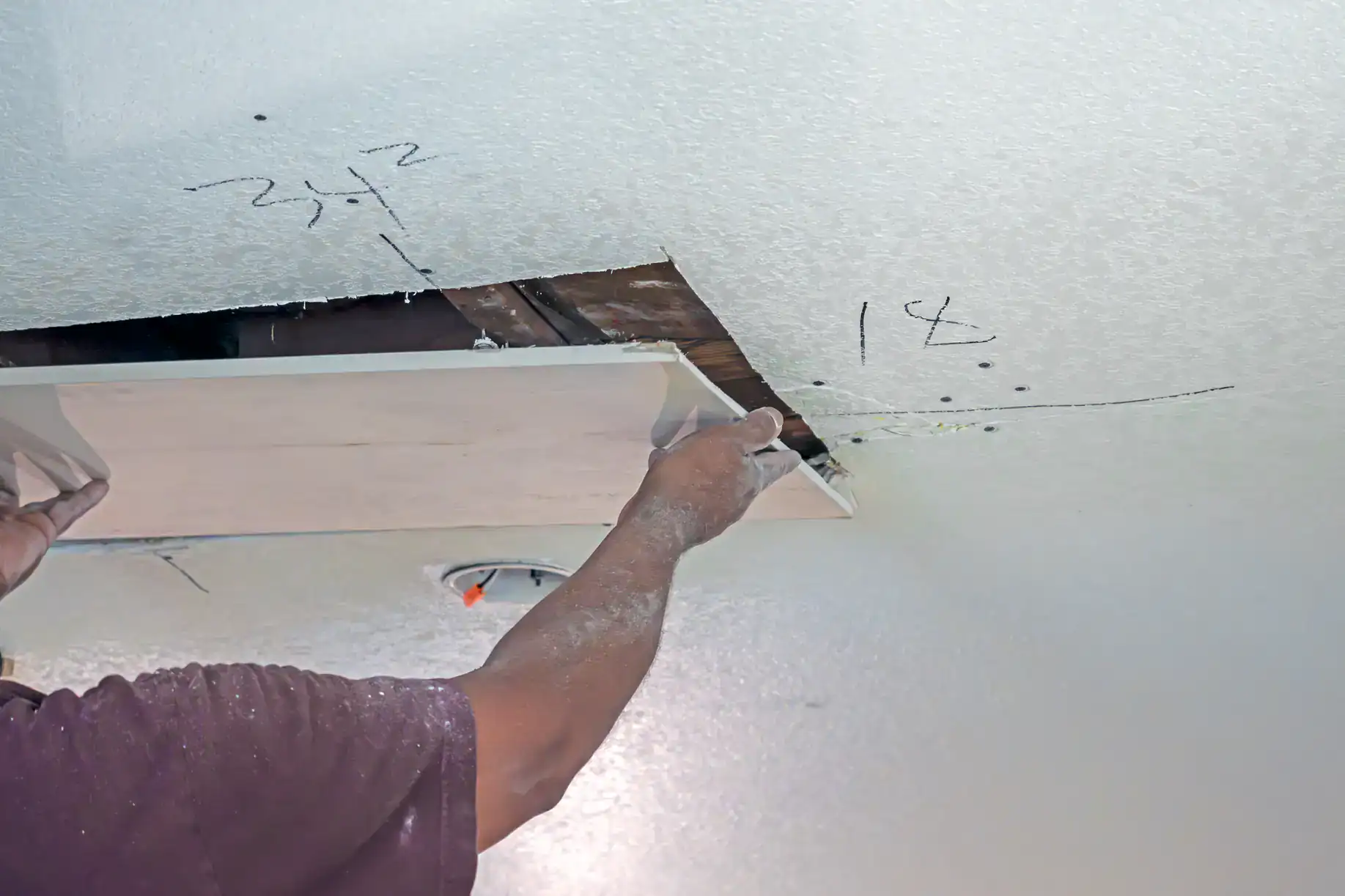
Most homeowners in Frankford Valley and the surrounding Philadelphia area pay between $1,077 and $3,118 for drywall installation, with the average landing around $2,095. Your actual cost depends on square footage, ceiling height, and whether you need any specialty materials like moisture-resistant or fire-rated drywall.
Contractors typically charge between $0.90 and $2 per square foot, though that rate shifts based on job complexity. If you’re working with a rowhouse that has narrow staircases or tight corners, expect material handling to add time and cost. Same goes for older homes built before 1978, where lead or asbestos testing might be required before work starts.
A transparent estimate breaks down labor, materials, prep work, and cleanup separately so you’re not guessing what you’re paying for. If someone gives you a single lump number without explanation, that’s usually a red flag. You should know exactly where your money is going before anyone picks up a drill.
Most residential drywall installation projects in Frankford Valley take one to three days from start to finish. That includes hanging the drywall, applying multiple coats of joint compound, sanding, and matching any existing texture. Smaller jobs like a single bedroom might wrap up in a day, while whole-home projects take longer.
Drying time between coats is what stretches the timeline. Each layer of mud needs to cure properly before you can sand and apply the next one. Contractors who rush this phase deliver work that cracks or shows seams later. Proper installation means giving each coat the time it needs, even if that adds a day to the schedule.
If your project involves older homes with plaster walls, lead testing, or structural repairs, expect additional time upfront. Those aren’t shortcuts you want anyone taking. A realistic timeline from an experienced drywall installer accounts for all of that and doesn’t overpromise just to win the bid.
Start with licensing and insurance. Any drywall installer working in your Frankford Valley home should carry liability coverage that protects your property if something goes wrong. Ask to see proof before they start. If they hesitate or dodge the question, move on.
Next, look at how they handle estimates. A good contractor walks the space, asks questions about what you’re trying to accomplish, and gives you a detailed breakdown of costs and timelines. Vague estimates or prices that seem too good to be true usually are. You’re not just paying for labor—you’re paying for quality materials, proper techniques, and someone who shows up when they say they will.
Finally, pay attention to how they talk about cleanup. Drywall work creates dust and debris. Professionals include full cleanup as part of the job, not an optional add-on. If they’re not addressing that upfront, you’ll be the one dealing with drywall mud tracked through your house and dust settling on everything you own. That’s not a corner worth cutting.
Yes. Older Frankford Valley rowhomes come with specific challenges that require experience to handle correctly. Narrow hallways and tight staircases make material delivery tricky. Shared walls between units need fire-rated drywall to meet code. High humidity from limited airflow means you need moisture-resistant materials or you’ll be dealing with mold and deterioration down the line.
Many of these homes were built before 1978, which means lead paint and asbestos might be present. Any reputable drywall contractor will address testing requirements before starting demo or installation work. Skipping that step isn’t just risky—it’s illegal and dangerous.
We’ve worked in plenty of classic Philadelphia rowhouses and know how to navigate the quirks. That includes working around old utility systems, dealing with uneven framing, and matching textures on plaster walls that have been there for decades. If you’re updating one of these homes, you need installers who’ve done it before and know what they’re walking into.
Cheap drywall installation shows up fast. Seams become visible through paint within a few months. Corners crack after the first winter. Texture doesn’t match the rest of the room, leaving obvious repair lines you can see from across the space. You end up paying twice—once for the bad job, and again to fix it.
Quality installation uses proper materials, applies multiple coats of joint compound with adequate drying time between each layer, and matches existing textures so you can’t tell where new work begins. The drywall is hung correctly with fasteners spaced to code, not just slapped up as fast as possible. Seams are taped and mudded in a way that creates a uniform surface without ridges, shadows, or weak spots.
The real difference shows up over time. Quality work lasts. Your painter doesn’t call halfway through the job to tell you the drywall needs to be redone. You’re not dealing with cracks or callbacks six months later. You’re living with walls that do their job—holding paint, looking clean, and staying out of the way so everything else in your home looks better.
Yes. Complete cleanup is included with every drywall installation job we do. That means sweeping, vacuuming drywall dust, wiping down surfaces, and hauling away all debris and scrap materials. You’re not left dealing with mud tracked through your house or dust settling on your furniture for weeks.
Drywall work is messy by nature. Sanding creates fine dust that gets everywhere if it’s not contained and cleaned properly. A lot of contractors treat cleanup as an afterthought or skip it entirely, leaving homeowners to handle the mess themselves. That’s not how we operate.
When we’re done, your space is ready for the next phase—whether that’s priming, painting, or just moving your furniture back in. No leftover materials sitting in your driveway. No dust coating your baseboards. Just finished walls and a clean space, exactly the way it should be when you’re paying for professional work.
Other Services we provide in Frankford Valley