You get walls ready for paint without shadows showing through. No tape lines. No ridges that catch the light wrong. Just a uniform surface that looks professional because it was done by someone who knows what they’re doing.
Most finishing problems show up after the paint goes on. That’s when you see the lumps, the seams, the spots that were rushed. By then, you’re looking at another round of sanding, patching, and repainting—which costs more than doing it right the first time.
The difference comes down to proper taping and mudding technique. Corners that are actually straight. Seams that disappear. Texture that matches the rest of your wall. It’s not complicated work, but it requires patience and experience to get it smooth enough that paint doesn’t expose the flaws.
Sharpe Drywall exists because too many contractors in the Philadelphia area leave messes, miss deadlines, and deliver work that doesn’t hold up. We’ve been finishing drywall in Juniata Park and surrounding neighborhoods for over ten years, and we treat every project the same way we’d want our own homes handled.
We’re fully licensed and insured. We show up when we say we will. And we don’t leave until the job site is clean and the work is done correctly.
Juniata Park homes—many built in the 1940s with rowhome construction—come with their own challenges. Foundation settling, moisture issues, plaster-to-drywall transitions. We’ve handled all of it. You’re not getting someone learning on your property.
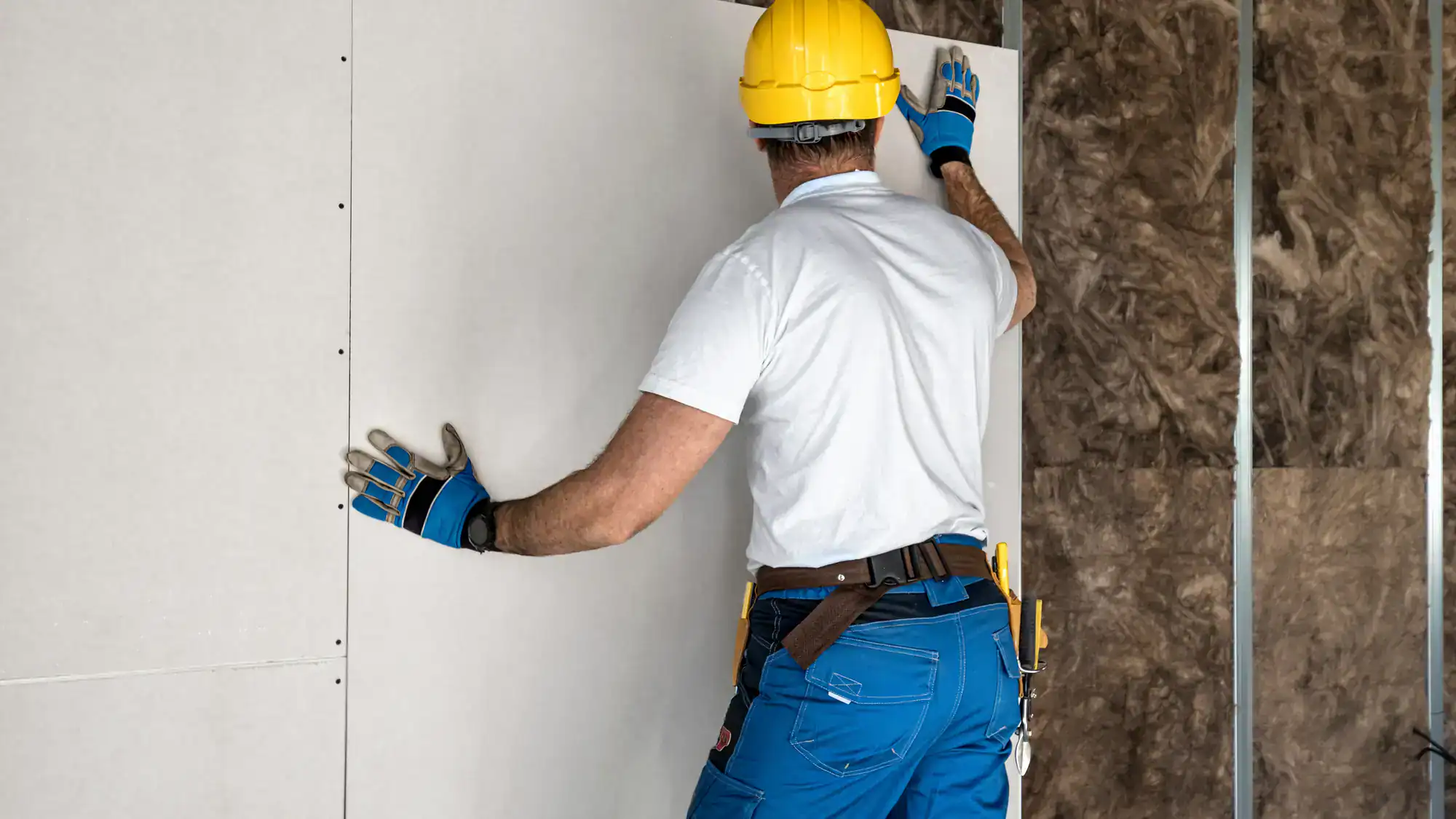
First, we assess what you’re working with. New installation, repair work, or full finishing. We look at the existing conditions—moisture, cracks, whether the framing is sound. Then we give you a fixed price quote. No surprises later.
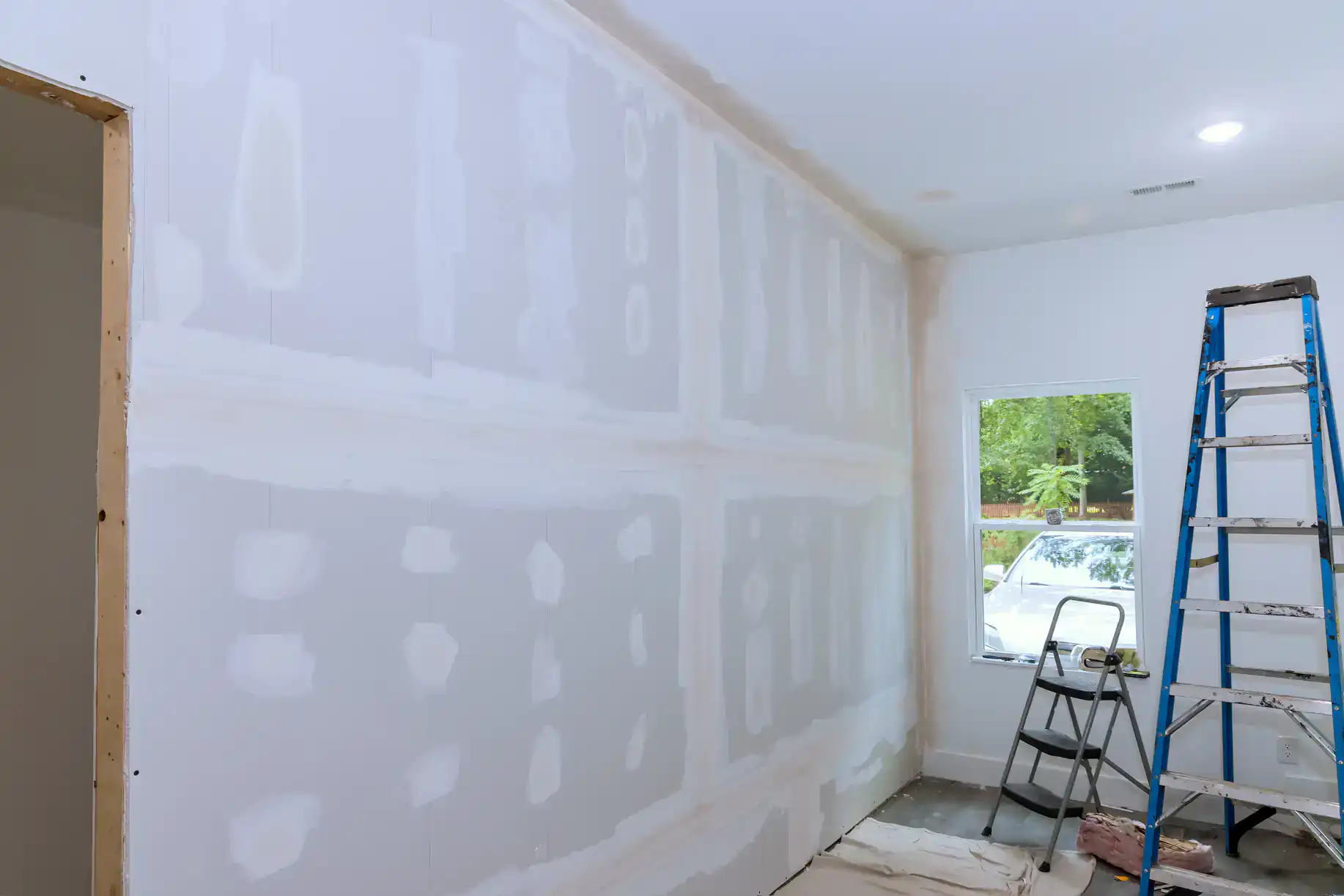
Next comes the actual finishing. We tape all seams with the right type of tape for the application—paper for most joints, mesh for certain repairs. Then we apply joint compound in layers, letting each coat dry fully before the next. Rushing this step is where most problems start. We don’t.
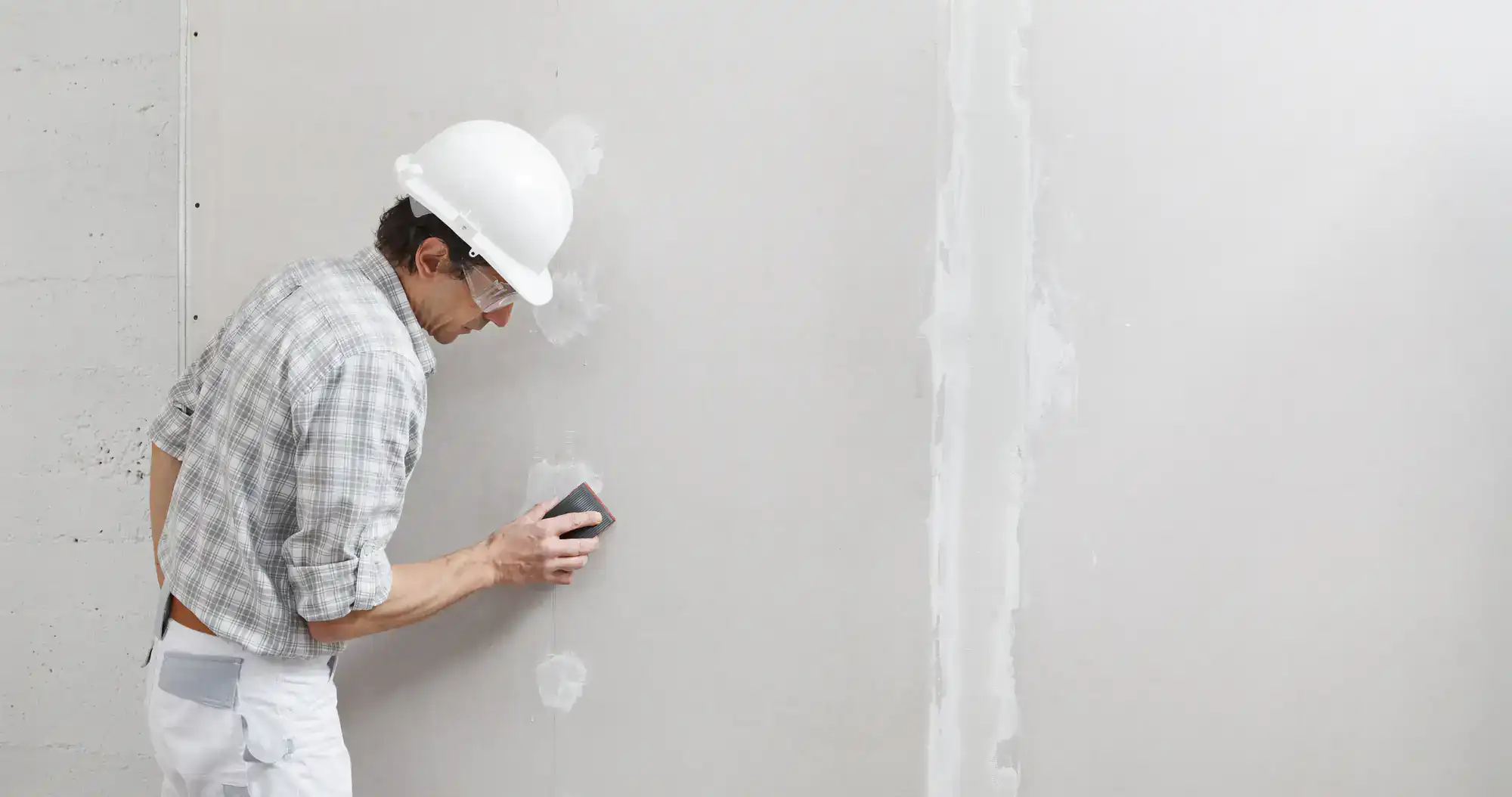
After the final coat dries, we sand everything smooth. This is dusty work, but we contain it and clean it up completely. You’re left with a surface that’s ready for primer and paint. If you need texture matching or a Level 5 finish for high-gloss paint or critical lighting areas, we handle that too.
Ready to get started?
Every drywall finishing project includes complete taping, multiple coats of joint compound applied and sanded smooth, and full cleanup when we’re done. We use mold-resistant drywall in moisture-prone areas—bathrooms, basements, kitchens—because Philadelphia’s humidity and Juniata Park’s older housing stock make this a smart standard, not an upsell.
You also get transparent pricing. The quote we give you is what you pay. If we find something unexpected—like water damage behind a wall that needs addressing—we talk to you before doing additional work. No surprise charges on the final bill.
For older Juniata Park rowhomes, we often deal with plaster repairs or transitions from plaster to drywall. These require different techniques than standard drywall finishing. The joint compound has to be compatible with the existing plaster, and the finish needs to blend seamlessly. We’ve done enough of these to know what works and what causes problems down the line.
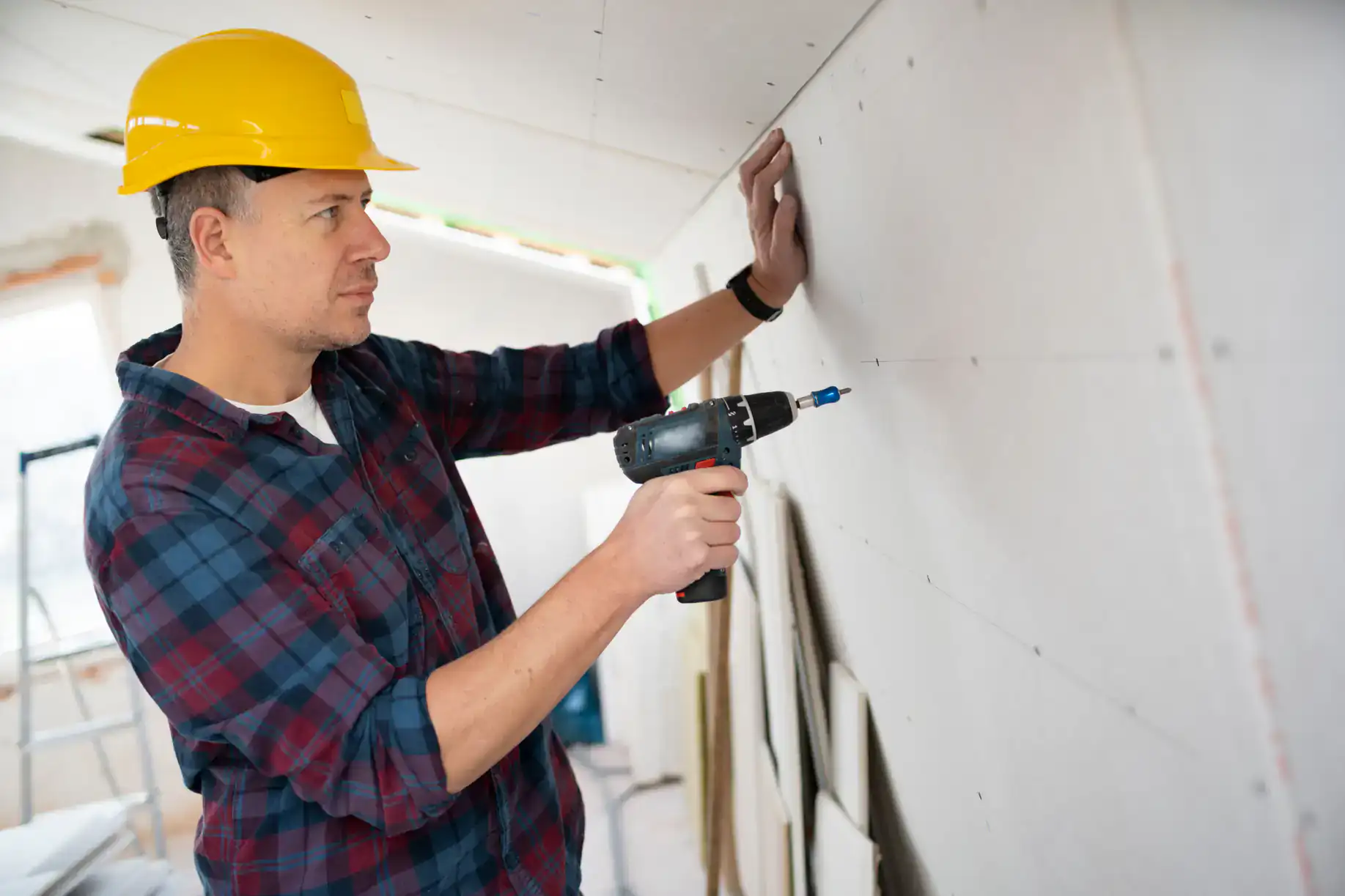
Most single-room finishing jobs take two to three days. That includes taping, multiple coats of mud with proper drying time between each, sanding, and cleanup. Larger projects—whole floors or multiple rooms—can take a week or more depending on the scope.
The drying time between coats is what takes the longest. You can’t rush joint compound. If you try to sand before it’s fully cured, you’ll get a mess. If you apply the next coat too soon, it won’t adhere properly and you’ll see cracking later.
We don’t cut corners on drying time. That’s why our finishes last and why paint goes on smoothly without showing defects. If someone quotes you a timeline that seems too fast, they’re probably planning to rush the drying stages—and you’ll pay for it later in callbacks and repairs.
Drywall finishing has five levels, ranging from Level 0 (no finishing at all) to Level 5 (the smoothest possible finish). Most residential work uses Level 4, which is smooth enough for flat paint and standard lighting. Level 5 adds a skim coat over the entire surface and is necessary for high-gloss paint, severe lighting angles, or when you want zero imperfections visible.
For most Juniata Park homes, Level 4 is appropriate and cost-effective. You’d want Level 5 in specific situations—like a bathroom with strong side lighting from a window, or a hallway with glossy paint where every imperfection shows. We’ll tell you honestly which level makes sense for your space and lighting conditions.
The price difference between Level 4 and Level 5 is significant because Level 5 requires an additional skim coat over every surface and more extensive sanding. Don’t pay for it unless your situation actually requires it. But if you do need it, don’t skip it—the wrong finish level for your lighting will haunt you every time you walk past that wall.
Yes. Many Juniata Park rowhomes still have original plaster walls, and repairing these requires different materials and techniques than standard drywall work. Plaster is harder and more brittle than drywall, so it cracks differently—usually from settling or moisture issues that need to be addressed first.
For small plaster repairs, we use setting-type joint compound that’s compatible with plaster’s hardness and curing properties. For larger damaged sections, we often cut out the bad plaster and patch with drywall, then blend the transition so you can’t tell where one material ends and the other begins. This is common in homes that have had partial renovations over the decades.
The key is matching the texture and finish of the surrounding plaster. If your walls have a specific texture or pattern, we replicate it in the repair area. A smooth patch on a textured wall stands out immediately. We’ve worked on enough older Philadelphia homes to handle these transitions correctly.
Cracks happen for a few reasons—foundation settling, temperature and humidity changes, improper installation, or using the wrong materials for the application. In Juniata Park’s older housing stock, settling is common. Rowhomes share walls and foundations, so movement in one unit can affect another.
To prevent cracks from returning, we first identify what caused them. If it’s active settling, we use flexible joint compound and mesh tape that can handle minor movement. If it’s a moisture issue—common in basements and bathrooms—we use mold-resistant drywall and ensure proper ventilation exists. If the original installation used insufficient fasteners or the wrong tape, we correct that during the repair.
Sometimes cracks come back no matter what you do, especially in homes still settling. In those cases, we’re honest about it upfront. But most cracking is preventable with proper materials, correct technique, and addressing the underlying cause rather than just covering the symptom. That’s the difference between a repair that lasts and one you’re calling someone about again in six months.
Sanding drywall creates a lot of fine dust. It gets everywhere if you don’t contain it. We use dust barriers to isolate the work area and run HEPA-filtered vacuums while sanding to capture most of the dust at the source. But some dust is unavoidable—it’s part of the process.
Our cleanup includes vacuuming all surfaces in the work area, wiping down nearby furniture and fixtures, and removing all debris and materials from your property. We don’t consider a job done until the space is clean enough that you can start painting or move furniture back in without dealing with our mess.
If you have specific concerns—like allergies, or you’re living in the home during the work—let us know upfront. We can take additional containment measures, work in sections, or schedule the dustiest parts of the job when you’re not home. The goal is to get your walls finished without turning your entire house into a construction zone.
Finishing costs depend on the scope—square footage, finish level, ceiling height, and whether it’s new installation or repair work. A single room typically runs a few hundred dollars for Level 4 finish. Whole-home projects or Level 5 finishes cost more because they require additional materials and labor time.
We give fixed-price quotes after seeing the space. That quote includes materials, labor, and cleanup. The price doesn’t change unless you change the scope of work or we discover something that wasn’t visible during the initial assessment—and we discuss that with you before proceeding.
You’ll find cheaper quotes. You’ll also find contractors who disappear mid-job, leave messes, or deliver work that needs redoing in a few months. We’re not the cheapest option in Philadelphia, and that’s intentional. You’re paying for licensed and insured contractors who show up on time, use quality materials, and finish the job correctly so you’re not calling someone else to fix it later. That’s worth the difference in price.
Other Services we provide in Juniata Park