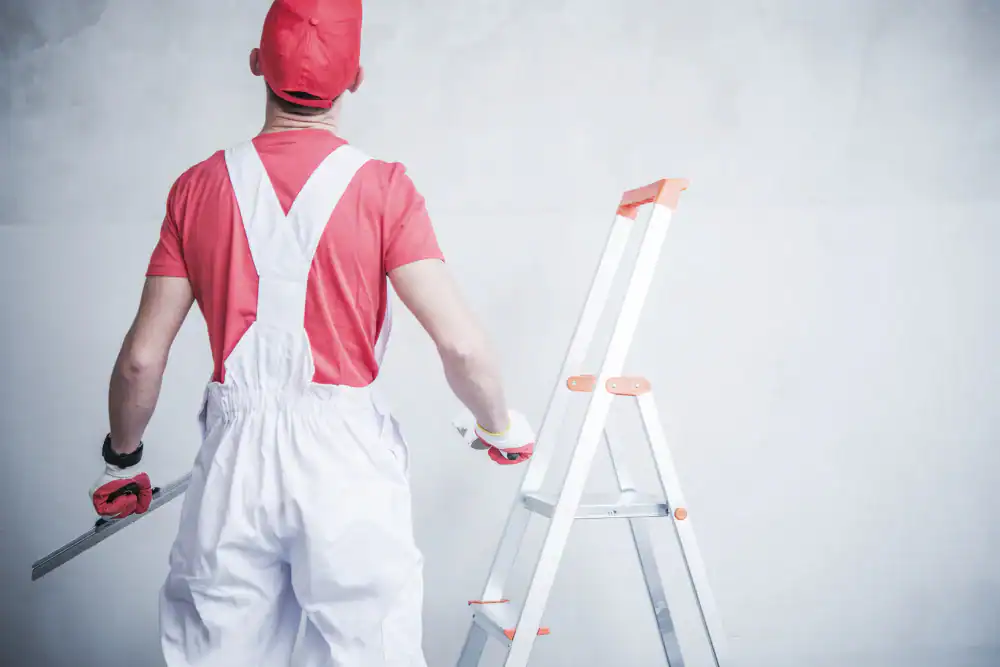
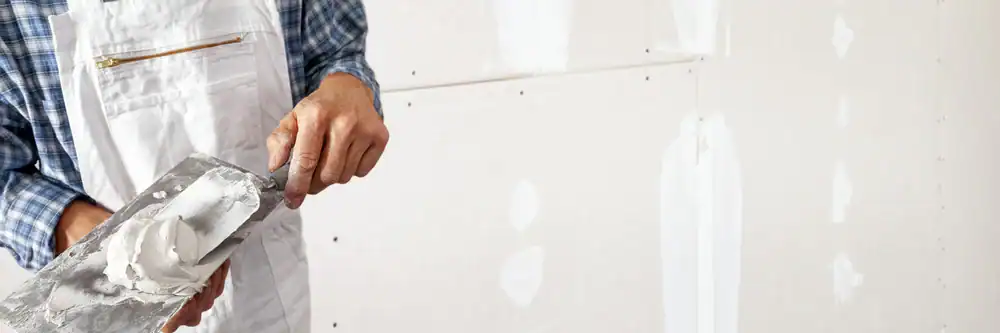
You’re staring at a hole in your wall, and the longer it sits there, the more it bothers you. Maybe you tried fixing it yourself and ended up with a lumpy patch that’s somehow more obvious than the original damage. Or you’re worried about finding someone who can actually match the texture in your historic Rittenhouse Square home without making it look like a band-aid.
Here’s what happens when the repair is done right. The damage disappears completely—no visible seams, no texture mismatch, no evidence anything was ever wrong. You’re not second-guessing the finish or wondering if you should’ve hired someone else. The wall is smooth, the paint blends, and you can finally stop thinking about it.
That’s what proper drywall patching in Rittenhouse Square looks like. The joint compound gets feathered out so gradually that your eye can’t catch where the repair starts or ends. The texture matches what’s already on your wall, whether that’s a knockdown finish or the original plaster from when your building went up a century ago. And when we prime and paint, the color blends seamlessly with the rest of the room.
You get your space back without the constant reminder that something needed fixing.
We’ve spent over a decade working in Montgomery, Bucks, and Philadelphia—including plenty of time in Rittenhouse Square’s historic buildings. We’ve patched walls in pre-war apartments where the original plaster meets modern drywall, repaired ceilings that shift with the seasons because of aging brick party walls, and matched textures that haven’t been used in new construction for 50 years.
We started this company because too many homeowners were getting burned by contractors who left messes, missed deadlines, or delivered work that looked rushed. We do things differently. Every job gets the same attention we’d give our own homes, and we don’t leave until the repair is invisible and your space is cleaner than when we arrived.
You’re hiring people who understand what it takes to work in Rittenhouse Square’s luxury properties without disrupting your day or leaving evidence we were ever there.
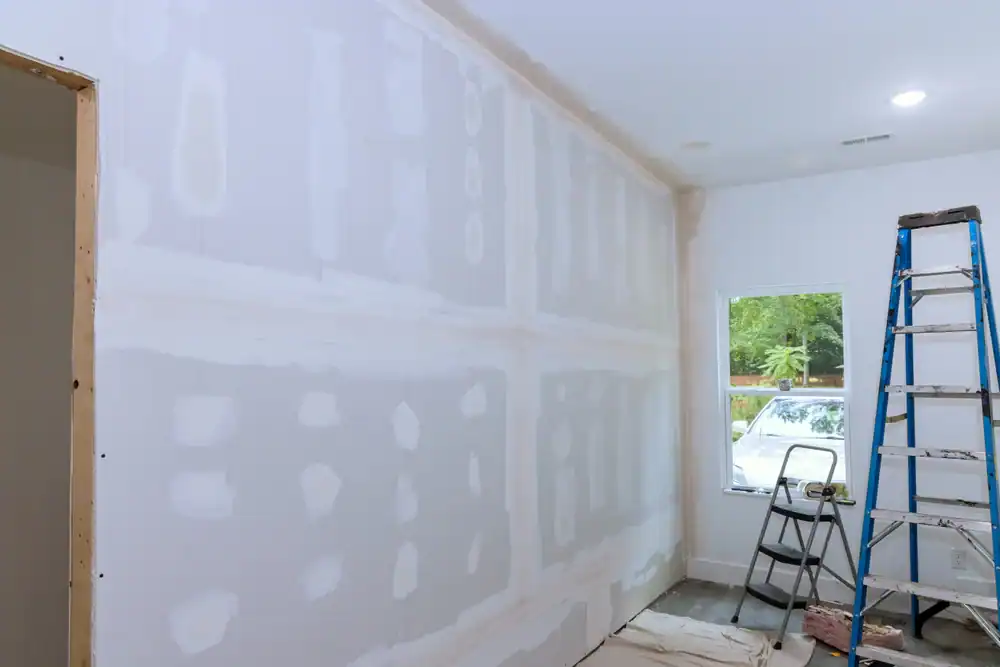
First, we assess the damage and the surrounding wall. If you’ve got plaster, we’re checking how it’s bonded and whether we need to stabilize anything before applying drywall mud. If it’s standard drywall, we’re looking at the hole size and what backing we’ll need.
Next comes the actual patching. We cut a clean edge around the damaged area, install backing if needed, and secure a new piece of drywall that fits flush with your existing wall. Then we apply joint compound—starting with the first coat to fill and seal, letting it dry completely, then adding subsequent coats. Each layer gets feathered out further than the last so the repair blends into the surrounding surface.
The dry time between coats matters. Rush it, and you’ll see cracks or bubbles later. We let each layer cure properly before moving to the next. Once the final coat is smooth and level, we sand it down, prime the patched area, and paint to match your existing wall color.
Most repairs finish in a single visit. You’re not waiting days for us to come back. And when we’re done, we clean everything—dust, debris, drywall mud—so your space is ready to use immediately.
Ready to get started?
You’re getting more than just a patch job. We handle the full finishing process, from the first coat of joint compound through the final prime and paint. That means texture matching, whether your walls have a smooth Level 5 finish or something more textured. It means proper feathering so the edges blend invisibly into the existing surface. And it means using premium materials—mold-resistant drywall when needed, professional-grade compounds that won’t crack or shrink.
Rittenhouse Square properties come with unique challenges. Many buildings here are nearly 100 years old, built long before drywall existed. You’ve got plaster walls, calcimine ceilings, and framing that’s not always level or standard. We’ve worked with all of it. We know how to integrate modern materials with historic construction without compromising either.
You also get complete cleanup. We’re not leaving dust on your furniture or drywall mud on your floors. Every job includes full cleanup as part of the service, not an add-on you have to request. Your home gets treated with the same respect we’d expect for our own.
And because we’re licensed and insured, you’ve got protection and peace of mind. You’re not taking a risk on someone who might disappear or deliver subpar work. You’re hiring a local contractor who’s been doing this for over a decade and plans to keep serving Rittenhouse Square for decades more.
Most drywall patching jobs in Rittenhouse Square finish in a single visit, typically within 4-6 hours depending on the size and complexity of the repair. That includes applying multiple coats of joint compound, allowing proper dry time between layers, sanding, priming, and painting.
The dry time between coats is the biggest factor. Each layer of drywall mud needs to cure completely before the next one goes on, or you’ll end up with cracks and bubbles later. We don’t rush that process. But because we plan the work efficiently and use techniques that optimize drying, we can usually complete everything—from first coat to final paint—in one day.
Larger repairs or jobs involving historic plaster walls might take a bit longer, especially if we’re stabilizing old plaster or matching unusual textures. But even then, you’re looking at one full day, not multiple trips spread across a week. You’re not left with an unfinished wall or a repair that’s only halfway done.
Yes. Texture matching is one of the most important parts of making a repair invisible, and it’s something we do on nearly every job in Rittenhouse Square. Many homes here have original plaster walls with textures that aren’t used in modern construction anymore—knockdown finishes, skip trowel, even smooth plaster that’s been hand-finished.
We start by examining your existing wall texture closely. Then we replicate it using the right tools and techniques—whether that’s a specific trowel pattern, a spray texture, or hand-applied joint compound. The goal is to make the patched area blend so seamlessly that you can’t tell where the repair ends and the original wall begins.
This matters especially in historic properties where the plaster is 80-100 years old. You can’t just slap on some drywall mud and call it done. The texture, the finish, even the way light hits the surface—it all has to match. We’ve spent years working with older Pennsylvania homes, so we understand what it takes to integrate new materials with old construction without the repair standing out.
They’re the same thing. “Joint compound” and “drywall mud” are two terms for the material used to fill seams, cover fasteners, and patch holes in drywall. Some people use the terms interchangeably, others prefer one over the other, but you’re talking about the same product.
What matters more than the name is the type of compound being used. There’s all-purpose joint compound, which works for most repairs. There’s lightweight compound, which is easier to sand but takes longer to dry. And there’s setting-type compound (also called hot mud), which dries faster and harder but requires more skill to work with.
For most drywall patching in Rittenhouse Square, we use all-purpose or lightweight compound for the bulk of the work, then switch to setting-type for areas that need extra strength or faster turnaround. The key is applying it in thin, even layers and feathering the edges so the repair blends into the surrounding wall. That’s what makes the difference between a patch that’s obvious and one that disappears completely.
Yes. Most homes in Rittenhouse Square have a mix of both—original plaster walls from when the building was constructed, plus drywall that was added during renovations or repairs over the years. We work with both materials regularly and understand how to handle the transition between them.
Plaster repairs are more involved than drywall. Plaster is harder, more brittle, and doesn’t bond the same way modern joint compound does. If your plaster is cracking or pulling away from the lath underneath, we need to stabilize it first before patching. That might mean reattaching loose sections, filling voids, or in some cases, replacing damaged areas with new drywall that’s finished to match the surrounding plaster texture.
The challenge in older Rittenhouse Square properties is that the plaster has often been there for a century. It’s shifted with the building, absorbed moisture, and developed its own character. You can’t just treat it like drywall. We take the time to assess what’s going on structurally, then use the right materials and techniques to make sure the repair lasts and blends invisibly with the rest of the wall.
Feathering is what makes a repair invisible. When you apply joint compound to a patch, the edges are where most people mess up. If the compound stops abruptly, you’ll see a ridge or a line where the repair ends. Even after painting, that edge will catch the light and stand out.
Feathering means spreading the joint compound out gradually, so it tapers from thick in the center to paper-thin at the edges. You’re blending the repair into the surrounding wall over a distance of several inches, not just covering the hole. Done right, your eye can’t detect where the patch starts or stops. Done wrong, the repair is obvious every time you walk past it.
This is especially important in Rittenhouse Square homes with high-end finishes and good lighting. Recessed lights, large windows, and smooth wall surfaces all make imperfections more visible. If the edges aren’t feathered properly, you’ll see shadows, ridges, or texture mismatches that ruin the look of the room. We take the time to feather each coat correctly, sand it smooth, and check the surface from multiple angles before moving to the next step. That’s how you get a repair that truly disappears.
We handle the prime and paint as part of the drywall patching service. You’re not coordinating with multiple contractors or waiting for someone else to come finish the job. Once the joint compound is dry and sanded smooth, we prime the patched area to seal it, then paint to match your existing wall color.
Priming matters because raw joint compound is porous. If you paint directly over it without priming first, the patch will absorb paint differently than the surrounding wall, and you’ll see a dull spot even if the color matches. We use a quality primer that seals the surface and creates a uniform base for the paint.
Then we match your wall color as closely as possible. If you’ve got the original paint or know the color code, that makes it easier. If not, we’ll do our best to match based on the existing finish. The goal is a seamless blend where the patched area doesn’t stand out. You’re getting a complete repair—patching, finishing, priming, and painting—all handled by the same team in one visit.
Other Services we provide in Rittenhouse Square