
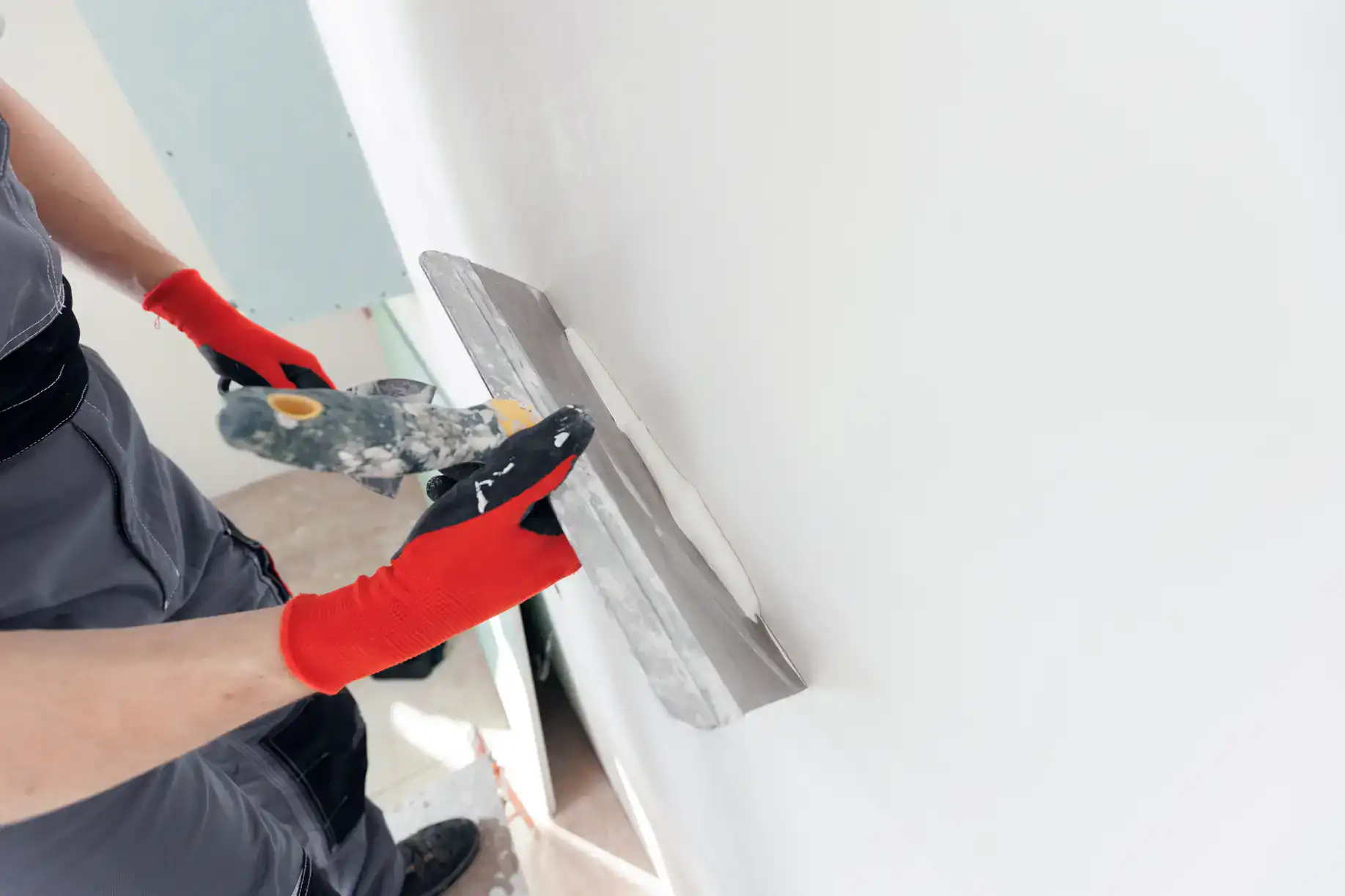
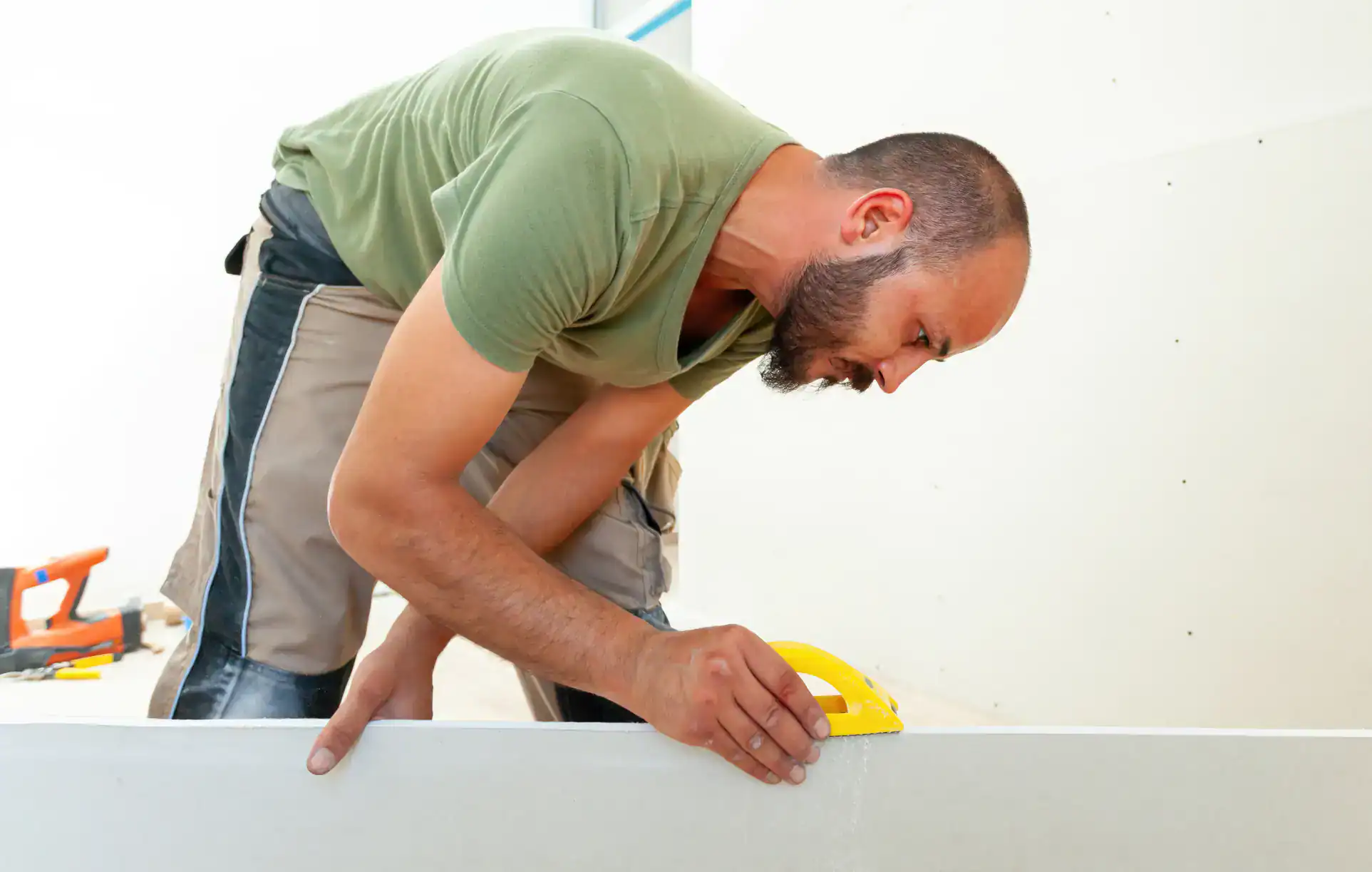
You shouldn’t be able to tell where the damage was. That’s the standard.
Most drywall repair in Rittenhouse Square ends up looking exactly like what it is—a patch job. Seams show through the paint. Texture doesn’t match. The color’s off by just enough to catch your eye every time you walk past it.
That’s not how we work. You get premium mold-resistant materials, professional-grade compounds, and texture matching that actually matches. The repair blends into the surrounding wall completely. No lines. No shadows. No second coat of paint six months later because it started showing through.
We get the job done in one visit for most repairs. Floors and furniture stay covered. Dust stays contained. Everything gets cleaned before we leave. You’re not living in a construction zone for a week, and you’re not spending your Saturday vacuuming drywall dust out of every corner.
Your space goes back to normal the same day. The wall looks like it always did. That’s what you’re paying for.
Too many contractors in Philadelphia leave messes, miss deadlines, and deliver work that looks worse than the original damage. That’s why Sharpe Drywall exists—to be the alternative you’ve been looking for.
We’ve been handling drywall repair in Rittenhouse Square and throughout Montgomery and Bucks counties for over a decade. Fully licensed and insured with comprehensive liability coverage, because your property values here aren’t something to gamble with.
Rittenhouse Square properties come with their own challenges. Buildings from the 1950s and 60s. Older plaster underneath. Settling foundations. Moisture issues from shared walls and aging infrastructure. We’ve seen it all, and we know how to handle it without cutting corners or using materials that’ll fail in two years.
Every project gets treated like it’s our own home. Not because that sounds good in marketing copy, but because that’s how the work actually gets done right.
First, you get a clear estimate. No vague ranges or “depends on what we find” pricing. You know what you’re paying before any work starts, and that number doesn’t change unless you ask us to do something different.
We show up when we say we will. Floors get covered, furniture gets protected, and the damaged section gets cut out cleanly. If it’s water damage, we check for mold. If it’s a crack, we look at what caused it so it doesn’t come back in six months.
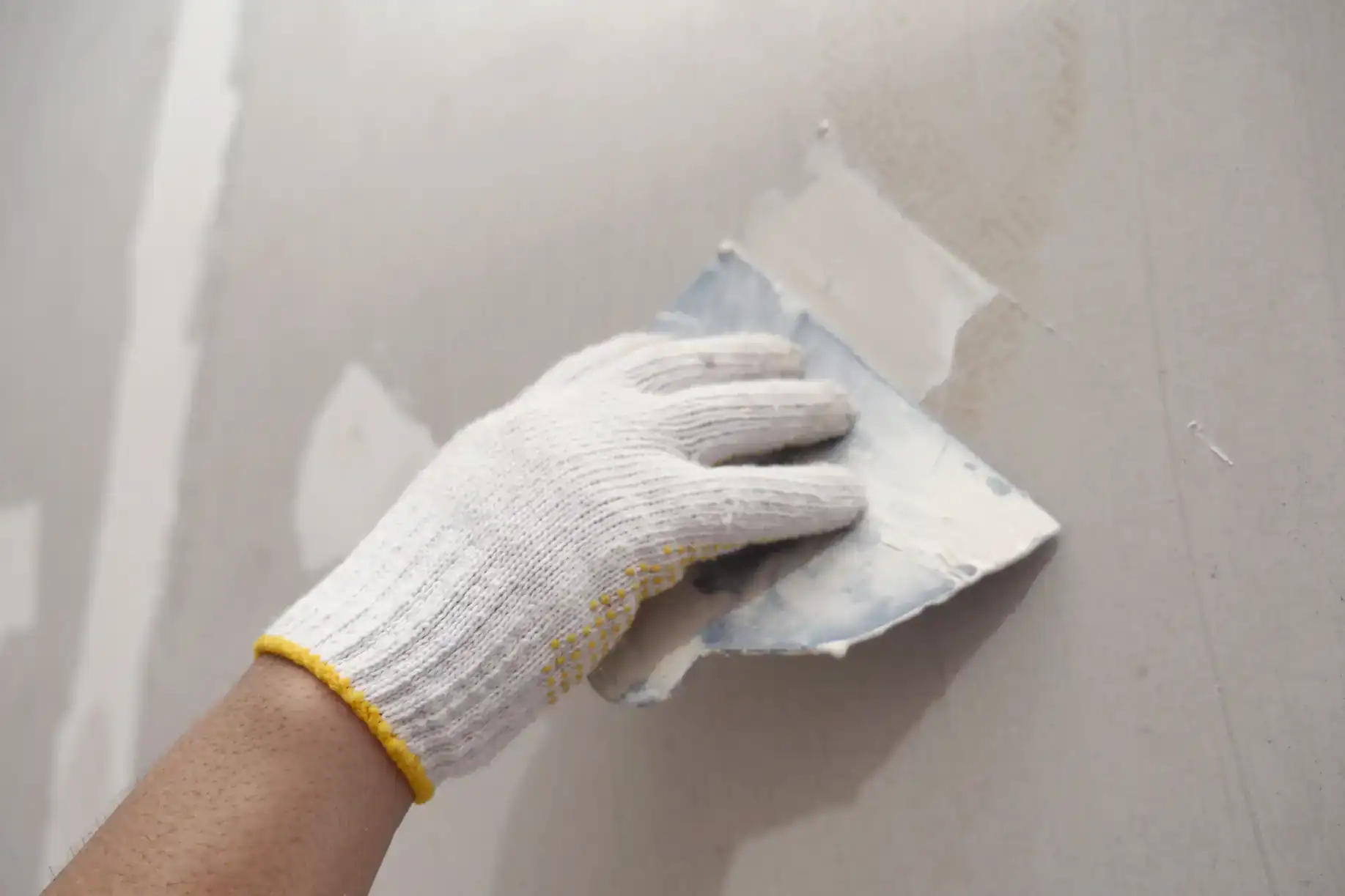
New drywall goes in—premium materials, not builder-grade garbage. Seams get taped and compounded with multiple coats, sanded smooth between each one. Texture gets matched to your existing wall using the right tools and technique, not a spray can and a prayer.
Before any paint goes on, the whole repair gets inspected under different lighting. We’re looking for imperfections you’d notice later. Once it passes that check, primer and paint go on to match your existing finish.
Then we clean everything. Dust, debris, scraps—it all goes. You’re left with a wall that looks untouched and a space that’s ready to use immediately.
The average cost to repair drywall in Rittenhouse Square runs between $280 and $800 depending on size and complexity, with most repairs landing around $500. You’ll know your exact number upfront.
Ready to get started?
You’re not just paying for someone to slap mud on a wall. You’re paying for materials that last, methods that work, and a result that doesn’t embarrass you when guests come over.
Premium mold-resistant drywall matters in Rittenhouse Square. These buildings deal with humidity from shared walls, older HVAC systems, and Philadelphia’s freeze-thaw cycles. Standard drywall fails faster here. Mold-resistant materials add years to the repair and prevent problems that cost exponentially more to fix later.
Professional-grade joint compound makes the difference between a repair that shows and one that doesn’t. Cheaper compounds shrink as they dry, creating depressions that catch light and shadow. The compounds we use stay stable, sand smooth, and hold paint without flashing or discoloration.
Texture matching isn’t optional in high-end properties. Your walls have a specific finish—knockdown, orange peel, skip trowel, whatever it is. We replicate it exactly using the same application method, not a shortcut that gets close enough. Close enough shows.
Every repair includes complete cleanup. That’s not an upsell or an extra fee. It’s part of doing the job correctly. Dust containment during the work, thorough cleaning after, and a final walkthrough to make sure nothing got missed.
The handyman drywall repair cost in Rittenhouse Square might seem cheaper upfront, but you’ll pay more when you have to hire someone else to fix it properly. This is the price for doing it once and doing it right.
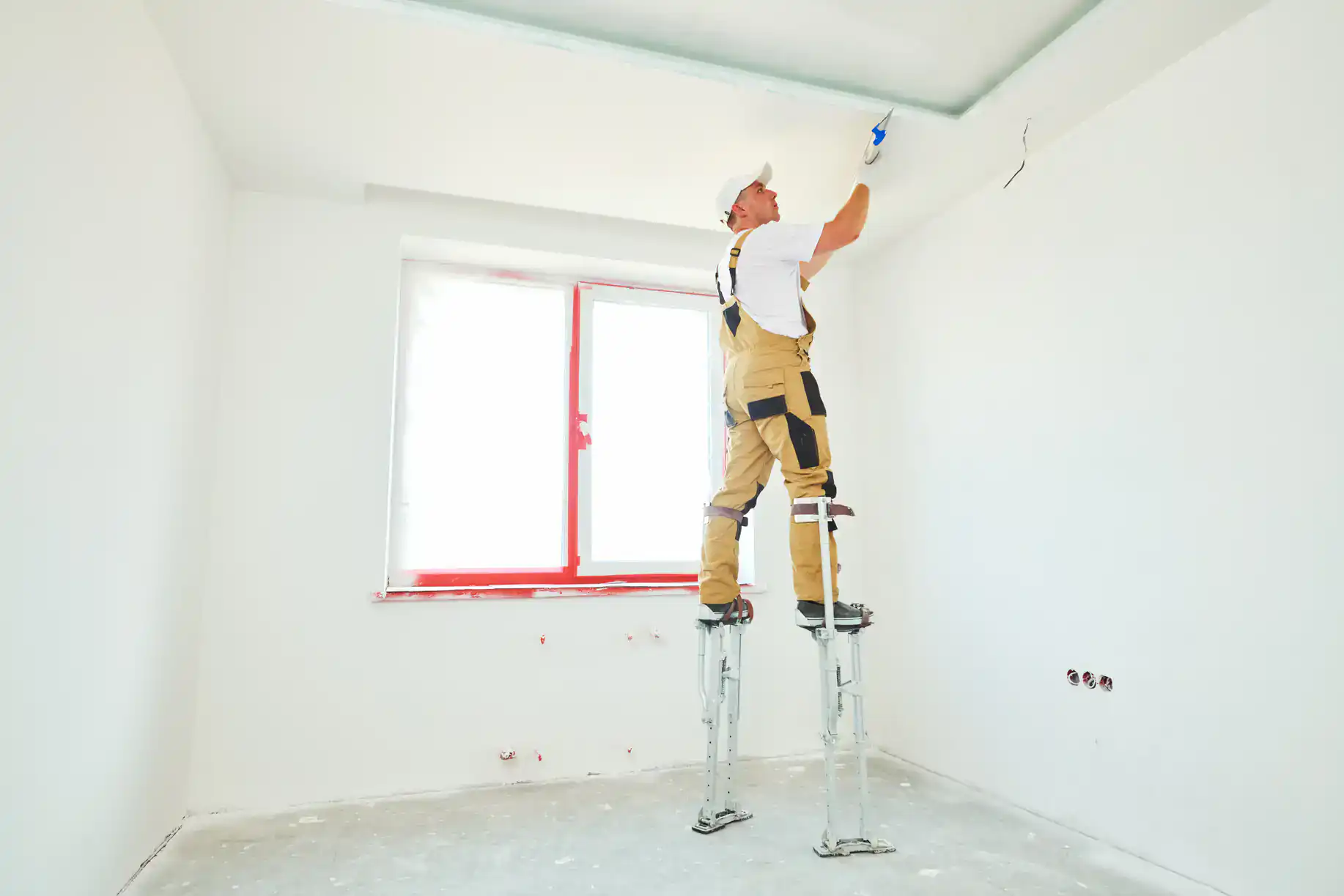
Most drywall repair costs in Rittenhouse Square fall between $280 and $800, with the average project running around $500. That covers materials, labor, and cleanup for typical repairs like holes from doorknobs, small cracks, or minor water damage.
Smaller fixes—patching a nail hole or fixing a small dent—usually cost between $150 and $200. Larger jobs involving multiple rooms, extensive water damage, or ceiling repairs run higher, sometimes reaching $800 or more depending on square footage and complexity.
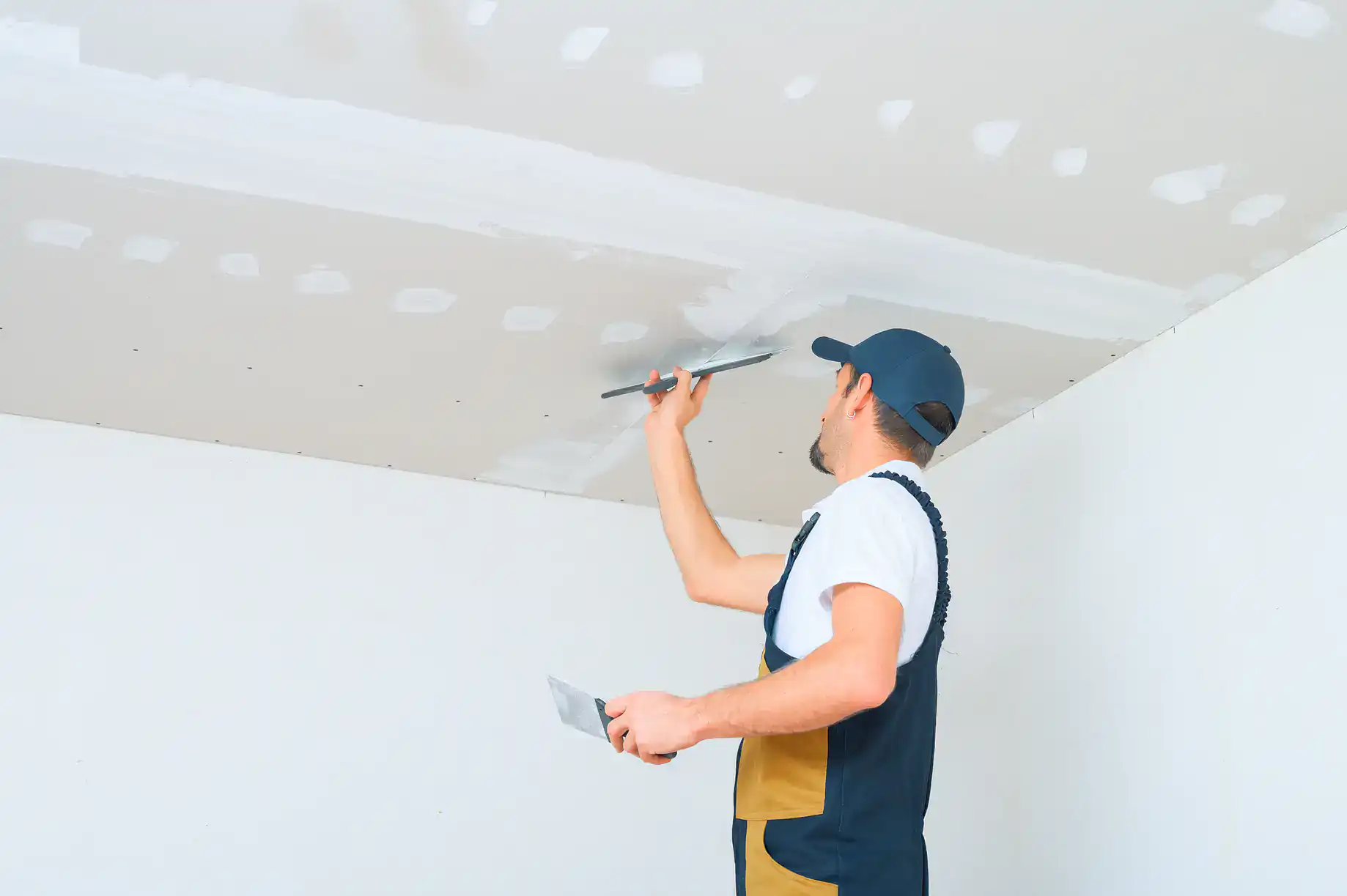
The price depends on the size of the damaged area, how many repairs you need, whether there’s underlying damage like mold or structural issues, and what kind of finish matching is required. Textured walls take more time and skill than smooth walls. Ceiling repairs cost more than wall repairs because of the overhead work and difficulty.
You’ll get an exact price before any work starts. That quote includes everything—materials, labor, prep, cleanup, and any primer needed before your final paint. No surprise fees, no “we found something else” upcharges unless you specifically ask for additional work.
Most drywall repairs get completed in one day, usually within four to six hours depending on the scope. Small repairs like fixing a doorknob hole or patching a crack might only take two to three hours from start to finish.
The timeline depends on how many coats of joint compound the repair needs and how long each coat takes to dry. Simple patches need two to three coats with drying time between each application. More complex repairs involving larger areas or matching intricate textures take longer.
Ceiling repairs typically add time because of the overhead work and the need for proper support while materials dry. Water damage repairs can extend the timeline if we need to verify the area is completely dry before installing new drywall, or if there’s mold remediation required first.
You won’t be living in a construction zone for days or weeks. The goal is to get in, complete the repair properly, and get out so you can use your space. Most projects finish the same day we start, with the wall ready for you to paint or leave as-is if we’re handling the finish coat.
Water damage is the most common culprit in Rittenhouse Square properties. Aging plumbing, roof leaks, condensation from older HVAC systems, and moisture intrusion through shared walls all contribute. Buildings from the 1950s and 60s weren’t built with the same moisture barriers modern construction uses.
Foundation settling causes cracks, especially in multi-story buildings where the structure shifts over time. You’ll see this as diagonal cracks near corners, horizontal cracks along seams, or recurring cracks that keep coming back after repair. The building isn’t failing—it’s just old and has moved over decades.
Philadelphia’s freeze-thaw cycles stress building materials. Water gets into small cracks, freezes, expands, and makes those cracks bigger. This happens every winter and compounds over time, particularly around windows and exterior walls.
Normal wear and tear accounts for plenty of damage too—furniture bumps, doorknob impacts, hanging heavy items without proper anchoring, and just general use over the years. In rental-heavy areas like Rittenhouse Square, turnover means more opportunities for accidental damage.
The key is identifying what caused the damage before repairing it. Fixing a crack without addressing the foundation movement means you’re fixing the same crack again next year. Patching water damage without solving the leak means you’re dealing with mold in six months.
Yes. A significant portion of our drywall repair work in Rittenhouse Square happens in condos and apartment buildings, and we’re set up to handle the specific requirements that come with multi-unit properties.
We work directly with property managers, condo associations, and individual unit owners. If you’re a tenant, we can coordinate with your landlord. If you’re an owner in a building with HOA requirements, we can provide documentation and proof of insurance that satisfies their standards.
Multi-unit buildings come with logistics that single-family homes don’t—building access, elevator reservations, noise restrictions, parking limitations, and coordination with building management. We’ve done this enough times to know how it works and handle those details without you having to project-manage everything.
Shared walls mean we’re often working in spaces where noise and dust affect neighbors. Dust containment isn’t optional in these situations—it’s mandatory. We contain the work area, minimize noise where possible, and respect the building’s quiet hours if your repair requires multiple visits.
Insurance and liability matter more in multi-unit buildings because damage or accidents can affect multiple parties. We carry comprehensive liability coverage specifically because we work in these environments regularly. You and your building are protected if something goes wrong, which is why property managers keep calling us back.
Yes, and it’s not optional—it’s part of doing the repair correctly. Your walls have a specific texture, and the repair needs to match it exactly or it’ll stand out every time light hits it at a certain angle.
Common textures in Rittenhouse Square properties include knockdown, orange peel, skip trowel, and smooth finishes. Each one requires different tools and application techniques. Knockdown gets sprayed on and then lightly flattened with a trowel. Orange peel uses a specific spray pattern and pressure. Skip trowel is hand-applied with deliberate technique. Smooth finishes require extensive sanding and multiple compound coats.
Matching texture isn’t about getting close—it’s about replicating the exact pattern, depth, and consistency of the surrounding wall. We use the same application method that created the original texture, not a shortcut or approximation. The repair should be invisible once it’s painted.
The challenge comes when your texture was applied decades ago and techniques have changed, or when the original texture was done by hand and has inconsistencies. In those cases, we match the predominant pattern in the area immediately surrounding the repair, blending it so there’s no hard line where the repair starts and stops.
If your walls are smooth, that’s actually harder than textured. Smooth walls show every imperfection—every tiny ridge, every slight depression, every sanding mark. Getting a smooth repair to blend into a smooth wall requires more coats, more sanding, and more attention to detail. It takes longer, but it’s the only way to make it invisible.
If your Rittenhouse Square building was constructed before 1978, there’s a reasonable chance lead paint exists somewhere in the unit. The median construction year in the neighborhood is 1958, which means most properties here fall into that category.
Lead paint isn’t dangerous when it’s intact and painted over. It becomes a problem when you’re sanding, cutting, or disturbing it during repairs. That creates lead dust, which is a serious health hazard, particularly for children and pregnant women.
We follow EPA lead-safe practices when working in pre-1978 buildings. That means containing the work area, using HEPA vacuums, wet-sanding when possible, and proper cleanup procedures. If there’s any question about lead presence, we treat it as if it’s there rather than assuming it’s not.
Asbestos is less common in drywall itself but can be present in joint compound used before the mid-1980s, and in textured coatings like popcorn ceilings. If we encounter materials that might contain asbestos, we don’t disturb them without proper testing and abatement procedures.
The reality is that most minor drywall repairs don’t involve enough material disturbance to create significant risk, but we take precautions anyway because it’s the responsible approach. If your repair involves extensive demolition or we encounter materials that clearly need testing, we’ll tell you before proceeding. You’ll never be surprised by a safety issue we knew about and didn’t mention.
Other Services we provide in Rittenhouse Square