
You stop staring at that hole every time you walk past it. The texture matches perfectly, the paint blends in, and guests would never know there was damage there in the first place.
That’s what happens when someone who only does drywall patching in Pennypack Woods handles the job. No visible seams. No obvious patches. Just clean walls that look the way they’re supposed to.
Most jobs wrap up the same day we start. You’re not waiting weeks for multiple visits or living with plastic sheeting and dust everywhere. We show up, assess what’s actually causing the problem, fix it completely, clean up like we were never there, and you move on with your life.
If you’ve got water damage from Pennypack Creek flooding or just a doorknob that went through the wall, the process is the same. We handle it right so you don’t have to think about it again.
We’ve been working in Pennypack Woods long enough to know what happens to homes built in the 1950s and 60s. The plaster cracks. The drywall settles. Basements flood when the creek rises.
We’re not a general handyman service trying to do everything. We focus exclusively on drywall patching in Pennypack Woods, which means we’ve seen every type of damage these row houses and twins can throw at us.
You’re not getting someone who does drywall on Tuesdays and tile on Thursdays. You’re getting a team that carries the right mud, knows how to feather the edges properly, and understands how long each coat actually needs to dry in this climate.
First, we figure out what caused the damage. If it’s water from the basement or a roof leak, that gets addressed or noted before we patch anything. There’s no point fixing drywall if the problem’s just going to come back.
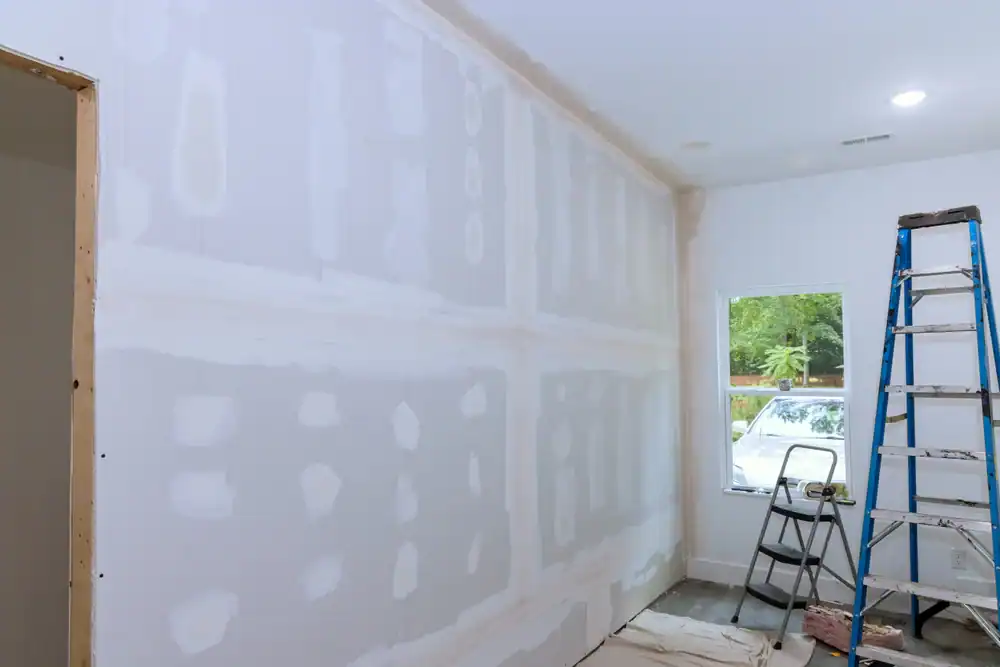
Then we prep the area. We cut out any damaged material, make sure the edges are solid, and get the surface ready for the first coat of joint compound. This step matters more than most people realize because it’s what makes the repair invisible later.
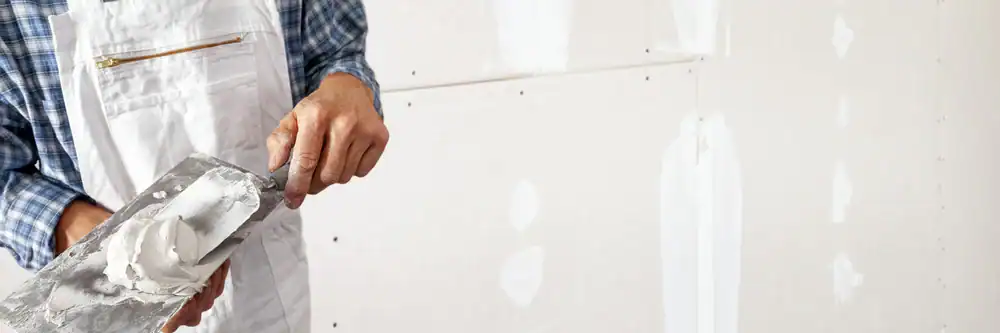
We apply drywall mud in layers, letting each coat dry completely before adding the next. Rushing this is how you end up with cracks showing up two months later. We feather the edges out so there’s no ridge or bump where the patch meets your existing wall.
After the final coat dries, we sand it smooth, prime the repair, and paint to match. The texture gets matched exactly whether you’ve got knockdown, orange peel, or something custom. When we’re done, we clean everything up and haul out the debris.
Ready to get started?
You get a full assessment of what’s damaged and why. We don’t just cover up problems. If there’s water damage, mold risk, or structural issues behind that hole, you’ll know about it before we start.
The repair itself includes all materials, joint compound application, proper dry time between coats, sanding, priming, and paint matching. We’re not handing you a white patch and calling it done.
Pennypack Woods homes have unique challenges. The housing stock here is older, and many properties sit close to the creek. We’ve handled countless water-damaged walls in basements and first floors. We know how to assess whether the drywall can be saved or needs replacement, and we’ll tell you straight which one makes sense.
Cleanup is part of the job, not an extra. We protect your floors and furniture, contain the dust, and remove all debris when we leave. You shouldn’t have to vacuum drywall dust out of your vents for the next month.
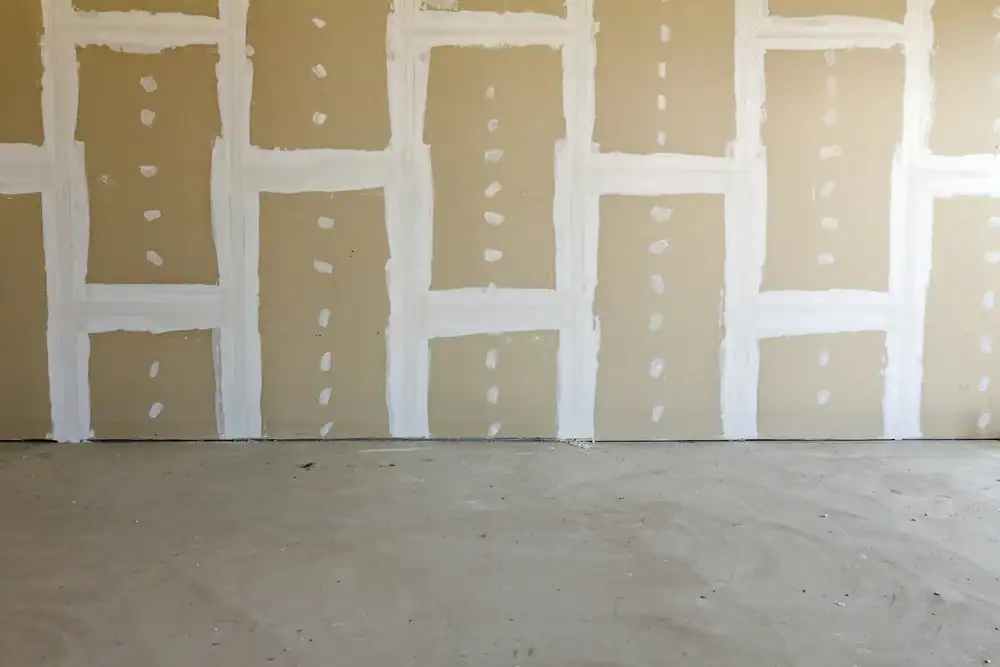
Most repairs finish in one day, but the honest answer depends on the size of the damage and how many coats of joint compound the job needs.
A small hole from a doorknob or wall anchor usually takes four to six hours once we account for proper dry time between coats. Larger repairs, like a section of water-damaged drywall, might need a second visit if we’re doing multiple coats and the humidity’s high.
The dry time matters. If we rush it, the mud shrinks and cracks as it cures. That’s why some patches fail a few months later. We’d rather schedule it right than have you call us back to fix it again.
For homes in Pennypack Woods, especially near the creek, we sometimes find damage that’s bigger than it looks from the outside. Water can travel behind walls and affect areas you wouldn’t expect. We’ll let you know upfront if that’s the case.
Yes, and this is one area where experience actually matters.
Homes built in the 50s and 60s often have textures that aren’t standard anymore. Some have heavy knockdown, some have that swirled plaster look, and others have custom finishes that someone applied decades ago.
We carry multiple texturing tools and compounds specifically for matching older finishes. The process involves testing on scrap material first, then applying it to your wall once we’ve got it dialed in. It’s not guesswork.
The key is in how we feather the edges of the repair into the existing texture. Done right, you can run your hand over the area and not feel where the patch starts. Done wrong, you’ll see a halo or border around the repair forever.
We assess whether the drywall can be saved or needs to be cut out and replaced.
If the drywall’s been wet for more than 48 hours or if there’s any sign of mold, it comes out. There’s no safe way to dry it and patch over it. The paper facing on drywall is organic material, and once mold gets in there, it doesn’t stop.
For Pennypack Woods homes near the creek, this is common. Basements flood, water wicks up the walls, and by the time you notice, the damage is already behind the surface. We cut out the affected section, check the studs and insulation, treat any mold if needed, and install new drywall.
Then it’s the same finishing process—joint compound, feather the edges, texture matching, prime and paint. The goal is to get your basement back to usable space without any health risks hiding behind the walls.
Because doing it right takes more time and skill than most people realize.
The actual materials are cheap. A sheet of drywall, some joint compound, and paint don’t cost much. What you’re paying for is the labor to make the repair invisible and the experience to know how to handle whatever’s behind that damaged section.
Small holes typically run $300 to $500. Larger repairs, especially ones involving water damage or multiple sheets of drywall, can go $500 to $800 or more depending on what we find.
If someone quotes you significantly less, ask what’s included. Are they doing multiple coats? Are they matching texture and paint? Are they addressing what caused the damage in the first place? A cheap patch job that cracks or shows up as an obvious rectangle on your wall six months later isn’t actually saving you money.
Yes, and we include that in our service because skipping it causes problems.
Bare joint compound is porous. If you paint directly over it without priming first, the patch will absorb paint differently than the surrounding wall. You’ll end up with a visible spot that looks flat or dull compared to the rest of the surface, even if the color matches.
We prime every repair with a product that seals the joint compound and gives the paint something consistent to stick to. Then we paint to match your existing wall color.
If your walls haven’t been painted in years and the color’s faded or changed, we’ll tell you upfront. Sometimes the only way to make a repair truly invisible is to repaint the whole wall. That’s not us upselling—it’s just the reality of trying to match paint that’s been on the wall since the 90s.
Sometimes, depending on our schedule and what the damage looks like.
If you’ve got an urgent situation—like a pipe burst and there’s water-damaged drywall that needs to come out before mold starts—we’ll prioritize that. Pennypack Woods is part of our regular service area, so we can usually get there quickly.
For standard repairs like holes or cracks, we’ll schedule you as soon as we have an opening. Most jobs get completed the same day we start them, but that’s the day we arrive, not necessarily the day you call.
The best approach is to reach out as soon as you notice the damage. The longer drywall problems sit, the worse they get. Small cracks turn into big ones. Water damage spreads. And that hole you’ve been staring at for six months isn’t going to fix itself.
Other Services we provide in Pennypack Woods