You’ve probably stared at that patch job for months. The one where the texture doesn’t quite match, or the seam shows through when the afternoon light hits it just right. Maybe you tried fixing it yourself and ended up with something that looks worse than the original hole.
That’s the difference between drywall repair and actual drywall finishing. Repair gets the hole filled. Finishing makes it disappear completely.
When the work’s done right, you can’t tell where the damage was—even in a bright room with natural light streaming in. The texture matches. The surface is smooth. The paint goes on evenly. You stop thinking about it because there’s nothing left to see.
That’s what proper taping and mudding do. It doesn’t just cover the problem. It erases it.
Most homes in Pennypack Woods were built between 1940 and 1969. That means plaster walls that have settled, original drywall that’s seen decades of movement, and textures that aren’t easy to match with a can of spray from the hardware store.
We’ve been doing drywall finishing work in this neighborhood long enough to know what we’re walking into before we get there. Rowhouses and twins settle differently than single-family homes. Stress cracks show up in predictable spots. Water damage from old plumbing tells a specific story.
You’re not getting a crew that treats every job the same. You’re getting contractors who understand what your home needs based on when it was built, how it’s constructed, and what’s likely causing the problem in the first place.
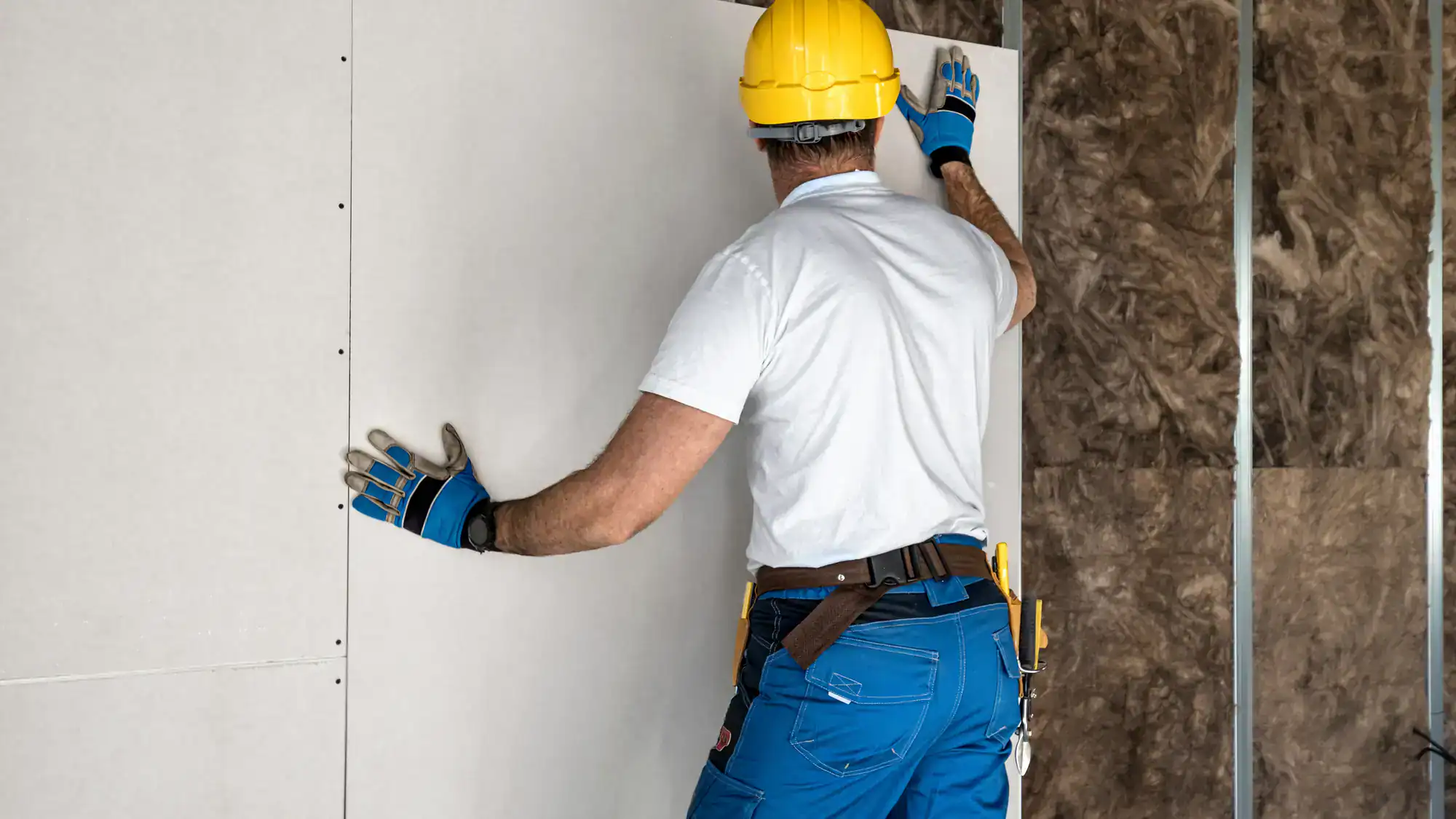
First, we assess the damage and the existing texture. If your walls have knockdown, orange peel, or smooth finish, we need to match it exactly. That means looking at the surface under different lighting and testing the application before we commit.
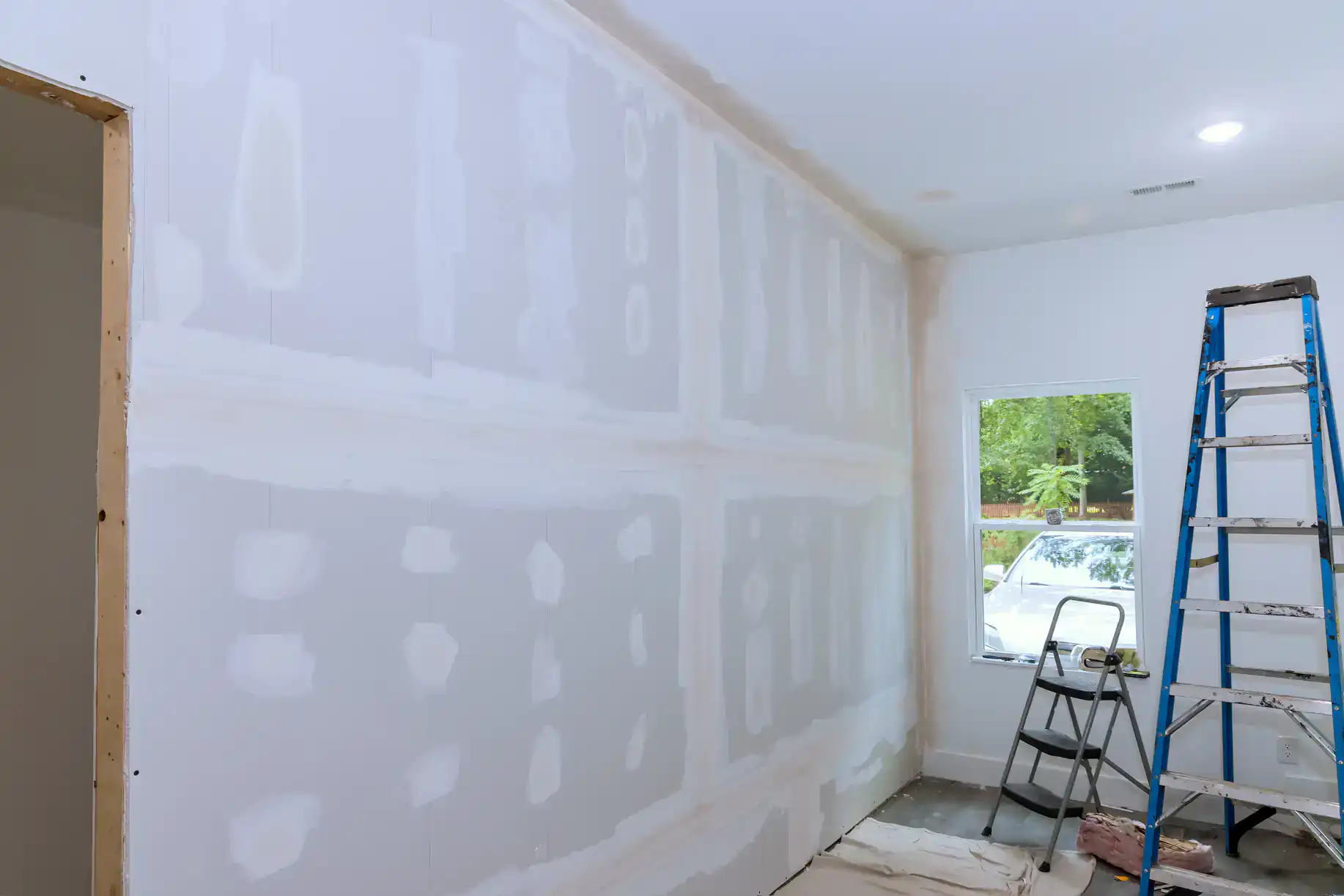
Then comes the actual finishing work—taping seams if needed, applying joint compound in thin, even layers, and letting each coat dry properly. Rushing this part is what causes bubbles, cracks, and visible seams later. We don’t skip steps.
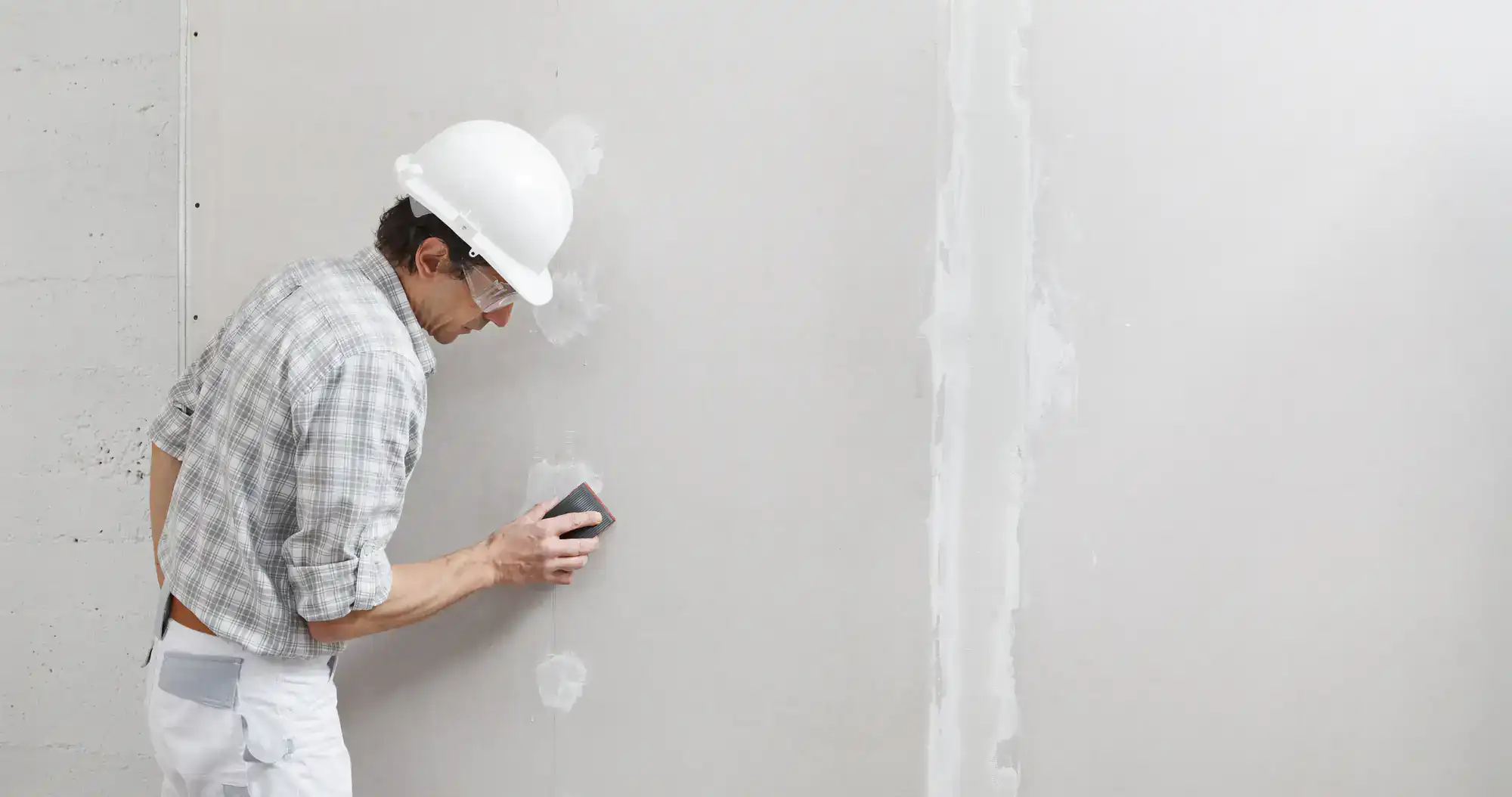
After the final coat dries, we sand it smooth without creating dust storms in your house. We use professional-grade vacuums that catch most of the dust as we work. Then we clean up completely—no compound left on your floors, no tools forgotten in the corner.
The last step is texture matching. This is where experience matters most. We replicate your existing wall texture so the repair blends invisibly with the surrounding surface. When we’re done, you shouldn’t be able to find where we worked unless you already knew.
Ready to get started?
You get professional drywall finishing that includes proper surface preparation, multiple coats of joint compound applied and sanded to the right finish level, and texture matching that actually works. We’re talking about Level 4 finishing for standard paint applications or Level 5 for spaces with critical lighting where every imperfection shows.
For homes in Pennypack Woods, that often means working with older wall surfaces that have texture patterns you can’t buy in a spray can anymore. We replicate knockdown, skip trowel, and other hand-applied textures using the same techniques that were used when your home was built.
You also get mold-resistant materials when we’re repairing water damage. If moisture caused the problem once, it can happen again. Using the right drywall and compounds the first time prevents you from paying for the same repair twice.
Most jobs in a standard room get finished in one day. Larger projects or extensive water damage might take longer, but you’ll know the timeline before we start. And when we say we’ll be there, we show up—no rescheduling three times or disappearing for a week in the middle of the job.
Professional drywall finishing in Pennypack Woods typically runs between $1.50 and $3.50 per square foot, depending on the finish level you need and the condition of the existing walls. A standard 12×12 room usually costs between $580 and $1,800 for complete finishing work.
The price difference comes down to what’s involved. If we’re just finishing new drywall with a Level 4 finish for paint, that’s on the lower end. If we’re repairing water damage, matching complex texture, and doing Level 5 finishing for a room with lots of natural light, that’s more involved and costs more.
What you’re paying for is the skill to make repairs invisible, the time to apply multiple coats properly, and the experience to match textures that most contractors can’t replicate. The quote we give you includes all materials, labor, and cleanup—no surprise charges when the job’s done.
Yes, texture matching is a core part of what we do. Most homes in Pennypack Woods have hand-applied textures from the 1940s through 1960s—knockdown, skip trowel, or light orange peel patterns that require specific techniques to replicate.
We assess your existing texture before we start any finishing work. That means looking at the pattern, the depth, and how it was originally applied. Then we test our application on a small area to make sure it matches before we finish the entire repair.
The spray cans you find at hardware stores don’t work for most of these older textures. They create a uniform pattern that looks obviously different from hand-applied work. We use the same manual techniques that were used when your walls were originally finished, which is why the repairs blend seamlessly instead of standing out.
Most drywall finishing projects in a single room take one day to complete, but the timeline depends on how many coats you need and whether we’re matching complex texture. Small repairs might be done in a few hours. Larger projects with extensive taping and mudding can take two to three days.
The reason it takes time is that each coat of joint compound needs to dry completely before we can apply the next one or start sanding. Rushing this process causes problems—bubbles, cracks, and visible seams that show up after you paint. We let each layer cure properly so the finish lasts.
You’ll know the timeline before we start. We’re not the crew that shows up for two hours, disappears for three days, then comes back to finish. When we commit to a schedule, we stick to it. And we work efficiently so you’re not living in a construction zone longer than necessary.
Level 4 finishing is the standard for most residential work. It creates a smooth surface that’s ready for flat or eggshell paint and looks good under normal lighting conditions. This involves taping all seams, applying multiple coats of joint compound, and sanding smooth.
Level 5 finishing adds an extra step—a skim coat of compound over the entire surface. This creates a perfectly uniform texture with no variations, which matters in rooms with harsh lighting or when you’re using flat paint that shows every imperfection. It’s the highest finish level available.
Most rooms in Pennypack Woods homes do fine with Level 4 finishing. But if you have a room with large windows, bright overhead lights, or you’re planning to use flat paint, Level 5 prevents shadows and imperfections from showing through. It costs more because it’s more labor-intensive, but it’s worth it in spaces where the lighting is unforgiving.
Yes, water damage is one of the most common reasons homeowners in Pennypack Woods need drywall finishing services. Whether it’s from a roof leak, plumbing issue, or basement moisture, water compromises drywall integrity and creates conditions for mold growth.
When we repair water damage, we first make sure the moisture source is fixed—there’s no point in replacing drywall if the leak is still active. Then we remove any damaged material, treat the area if there’s mold present, and install mold-resistant drywall as a replacement.
The finishing process is the same as any other drywall work, but the materials matter more. Mold-resistant drywall and moisture-resistant joint compounds prevent future problems in areas that are prone to humidity or occasional water exposure. This is especially important in older homes where plumbing and roofing systems might have ongoing issues that aren’t immediately obvious.
Cracks that keep coming back usually mean one of two things: either the house is still settling and moving, or the original repair wasn’t done properly. In Pennypack Woods, where most homes are 60-80 years old, both issues are common.
Houses settle over time, especially rowhouses and twins where movement in one unit can affect the attached structure. Stress cracks above doors and windows are classic signs of this. If that’s the cause, the repair needs to account for movement—using flexible compounds and proper taping techniques that can handle minor shifts without cracking again.
If the house isn’t moving and cracks still appear, the problem is usually poor finishing technique. Too much compound applied at once, insufficient drying time between coats, or skipping the taping step entirely all cause cracks that show up weeks or months later. Proper drywall finishing uses multiple thin coats, mesh or paper tape on all seams, and adequate drying time. It takes longer, but it doesn’t crack.
Other Services we provide in Pennypack Woods