
You’re not looking at that hole anymore. You’re not explaining to guests what happened or when you’ll get it fixed. The repair blends completely—same texture, same finish, no shadow lines where the patch meets the original wall.
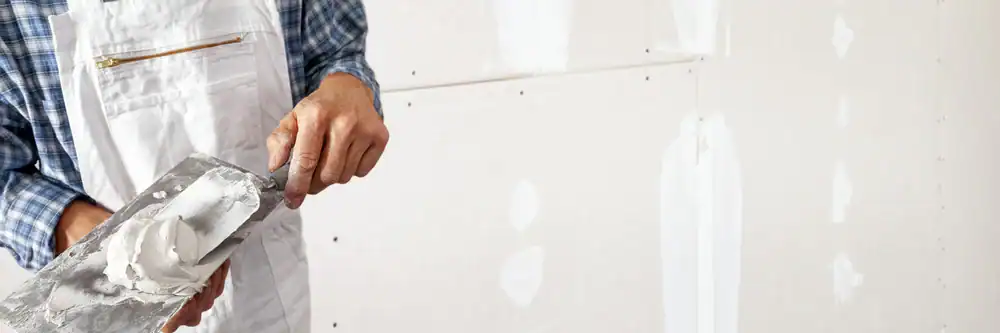
That’s what happens when someone knows how to feather the edges properly and match your existing texture. Not lumpy joint compound that stands out. Not a flat spot on a textured wall. Just a clean repair that disappears into the rest of the room.
Most jobs in Kensington South get finished the same day. You’re not dealing with a crew coming back three times or living with plastic sheets for a week. We handle the drywall mud application, dry time between coats, finishing work, and cleanup in one visit for standard repairs. You get your space back without the drawn-out disruption that makes simple fixes feel like major projects.
We’ve spent over a decade working in Montgomery and Bucks County homes, including plenty of Kensington South’s older rowhomes from the 1920s through 1960s. These homes have quirks—plaster walls with drywall additions, settling that causes cracks, water damage from aging plumbing. We’ve seen it all.
We’re fully licensed and insured, which matters more than most people realize until something goes wrong. Our pricing stays fixed from quote to completion—no surprise charges when we’re halfway through your wall.
We started this company because too many homeowners were getting burned by contractors who left messes, missed deadlines, or delivered patches you could spot from across the room. We do the opposite. Proper materials, clean installation, respect for your time and your home.
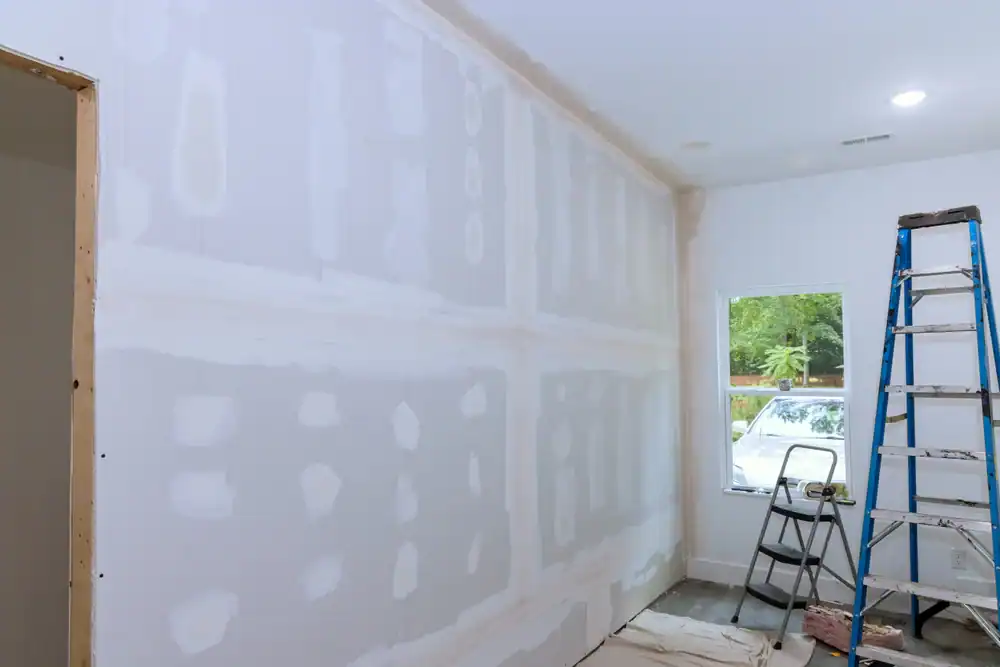
We start by cutting back to solid material and checking for any underlying issues—moisture, mold, structural concerns that caused the damage in the first place. If your patch fails in six months because water’s still leaking behind it, we didn’t actually fix anything.
Then we install the patch material, apply the first coat of joint compound, and let it dry properly. Rushing dry time is where most bad patches go wrong. Each layer needs to cure before the next goes on, or you’ll get cracking and shrinkage later.
After that, we build up additional coats, feathering the edges wider each time so the repair blends gradually into your existing wall. The final step is matching your texture—whether that’s orange peel, knockdown, or smooth—and making sure it looks identical to the surrounding area.
Once everything’s set, we prime and paint if that’s part of your project. Otherwise, we leave you with a repair that’s ready for your painter. Either way, we clean completely before we leave. No dust on your furniture, no dried mud on your floors.
Ready to get started?
Every drywall patching job in Kensington South includes damage assessment, proper prep work, premium mold-resistant materials, and complete finishing. We’re not just covering holes—we’re addressing what caused them and making sure they don’t come back.
This matters in Kensington South because 27% of properties face flood risk over the next 30 years. Water damage is common here, and it requires more than slapping drywall mud over a wet spot. We check moisture levels, ensure proper drying, and use materials designed to resist mold growth in areas prone to dampness.
You also get texture matching that actually works. We carry the tools and compounds to replicate whatever finish is on your walls—something most general handymen can’t do. That’s the difference between a repair that blends in and one that announces itself every time you walk past.
Cleanup is part of the service, not an extra. We’re not leaving you to vacuum drywall dust out of your vents for the next month. We contain the work area, clean as we go, and do a final sweep before we’re done. Your home should look better than when we arrived, not like a construction zone.
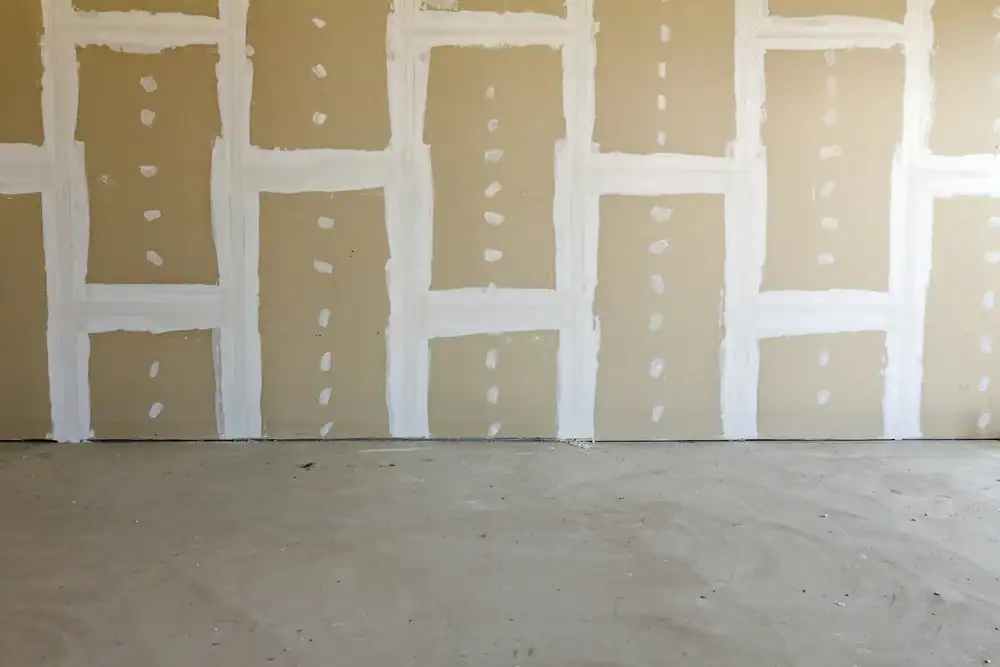
Most residential drywall patching in Kensington South gets finished in one day, typically within a few hours for standard repairs. Small holes from doorknobs or wall anchors might take two to three hours start to finish. Larger damage from water leaks or furniture impacts usually runs four to six hours, depending on how many coats of joint compound we need to build up.
The actual work time is only part of it. Dry time between coats matters more than people realize. Each layer of drywall mud needs 45 minutes to two hours to set before we can apply the next one. We can’t rush that without causing problems later—shrinkage, cracking, poor adhesion. That’s why we schedule jobs with enough time built in for proper curing between coats.
If your damage is extensive or involves multiple rooms, we’ll tell you upfront that it’s a two-day job. But for the typical repairs we see in Kensington South homes—a hole from moving furniture, a crack from settling, water damage from a plumbing leak—you’re looking at same-day completion with full cleanup included.
Yes, and that’s actually one of the most important parts of professional drywall patching in Kensington South. A repair that doesn’t match your existing texture stands out like a flat spot on a textured ceiling. It’s the difference between a repair that disappears and one that draws your eye every time you’re in the room.
We handle all the common textures in Kensington South homes—orange peel, knockdown, skip trowel, smooth finishes, and the heavier textures popular in older construction. Each one requires different tools and techniques. Orange peel needs a spray hopper at the right pressure and distance. Knockdown requires timing the trowel pass perfectly. Skip trowel is all about hand technique and knowing how much pressure to apply.
The key is blending the repair texture into the existing wall gradually, not stopping it at a hard line. We feather the edges of the patch wider than the actual repair so the texture transition happens over several inches. That’s what makes it invisible. When we’re done, you shouldn’t be able to find where the damage was unless you know exactly where to look. That’s the standard we hold ourselves to on every drywall patching job.
Water damage is the biggest culprit in Kensington South, especially in homes built between the 1920s and 1960s. Aging plumbing develops slow leaks that saturate drywall before you notice anything’s wrong. By the time you see discoloration or soft spots, the damage has usually spread beyond what’s visible on the surface. That’s why we always check the full extent before patching—you don’t want to cover up a problem that’s still active.
Settling and structural movement cause the second most common damage we see. Older rowhomes shift over time, especially with freeze-thaw cycles that affect foundations. That creates stress cracks along seams, around door frames, and in corners where walls meet ceilings. These aren’t always structural concerns, but they need proper repair techniques or they’ll just crack again after we patch them.
Impact damage from daily life rounds out the list—furniture bumps, doorknob holes, wall anchor failures, kids being kids. These are straightforward repairs, but they still need proper technique. Slapping spackle in a hole and calling it done leaves a repair that looks obvious and doesn’t hold up. We cut back to solid material, install backing if needed, and build up the repair in layers so it’s as strong as the original wall.
We prime the repaired area as part of our standard drywall patching service in Kensington South, which seals the new joint compound and prepares it for paint. Primer is essential—it prevents the repair from showing through your finish coat and ensures even paint absorption across the patched area and original wall. Skipping this step is why some repairs look fine until you paint them, then suddenly you can see every edge.
For final painting, we offer it as an add-on service if you want the complete job handled under one roof. Some customers prefer this because we already know the exact area we repaired and can blend the paint perfectly. We’re not guessing where the patch ends or trying to match work someone else did. We handle everything from drywall mud to the final coat of paint, and you’re done.
Other customers already have a painter they trust or want to handle the final color themselves. That works fine too. We leave the repair primed and ready for paint, with clean edges and smooth finishing. Your painter can work right over it without any additional prep. Either way, you’re getting a repair that’s ready for the next step, not half-finished work that needs more attention before it’s usable.
Most residential drywall patching jobs in Kensington South run between $300 and $800, depending on the size and complexity of the repair. A simple patch for a doorknob hole or small impact damage typically starts around $300. Larger repairs from water damage or multiple holes in the same room usually fall in the $500 to $800 range. Extensive damage requiring multiple sheets of drywall or repairs across several rooms costs more, but we’ll give you an exact quote before starting any work.
Several factors affect pricing beyond just the hole size. Water damage costs more because we need to verify everything’s dry, check for mold, and potentially remove more material than the visible damage suggests. Texture matching on complex finishes takes additional time and skill. Ceiling repairs are harder to access and require more careful finishing work since light hits them differently than walls.
We give you transparent, fixed pricing upfront. The quote we provide is what you pay—no surprise charges when we’re halfway through the job. That’s important because too many contractors lowball the initial estimate, then add fees for “unexpected” work that should have been obvious from the start. We assess the full scope during the estimate, factor in everything the job requires, and give you a number that doesn’t change unless you change what you want done.
A properly executed drywall patching job in Kensington South shouldn’t crack if the underlying cause is addressed and the repair is done with correct technique. That’s the key—fixing the symptom without addressing what caused it just means you’ll be calling someone back in six months to redo the same repair.
If your crack came from settling or structural movement, we need to use techniques that accommodate that movement. Sometimes that means using flexible joint compound at stress points or installing additional backing support. If it’s from water damage, we verify the moisture source is fixed and everything’s completely dry before we patch. Covering up a wet area just traps moisture and guarantees future problems—cracking, mold, paint failure.
The repair technique itself matters just as much. Rushing dry time between coats causes shrinkage cracks. Applying joint compound too thick creates stress points that crack as it cures. Not feathering the edges properly leaves weak transitions that fail under normal wall movement. We’ve been doing this for over a decade in older homes throughout Montgomery and Bucks County. We know what works long-term and what just looks good for a few months before failing. You’re getting a repair that lasts, not a temporary cover-up.
Other Services we provide in Kensington South