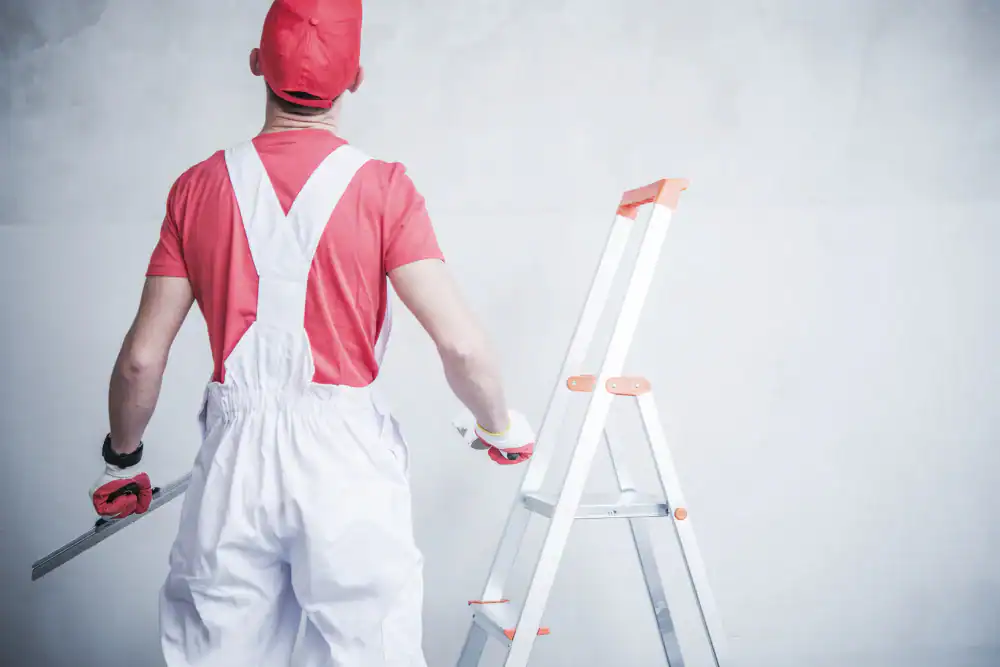
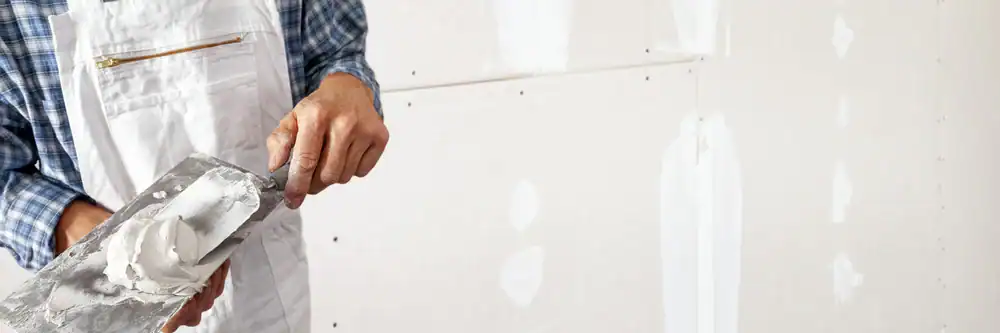
Here’s what actually matters: when we finish drywall patching in Chinatown, you shouldn’t be able to tell where the damage was. No lumps. No visible seams. No texture that doesn’t match the rest of your wall.
That’s harder than it sounds in older Philadelphia buildings. The plaster-and-lath construction in Chinatown properties requires different techniques than standard drywall. Foundation settling is common here, which means cracks come back if you don’t address what’s causing them.
Most patch jobs fail because someone rushed the dry time between coats or didn’t feather the edges properly. You end up with a repair that looks worse than the original hole. We’ve seen it dozens of times—homeowners who tried DIY first, or hired someone cheap, and now they’re calling us to fix the fix.
When you’re paying median housing costs over $1,900 a month in Chinatown, your walls should look right. We use mold-resistant materials, proper joint compound application, and finishing techniques that actually work in humid urban environments.
We work throughout Montgomery and Bucks Counties, and we know Chinatown’s housing stock well. The narrow hallways, the older construction, the moisture issues that come with dense urban living—we’ve handled it all.
We’re fully licensed and insured, which matters more than you might think. When you’re working on a property valued at nearly half a million dollars, you want someone who’s accountable. We show up when we say we will, we quote the actual price upfront, and we don’t leave until the cleanup is done.
Most of our work comes from referrals. That happens when you do what you say you’re going to do, consistently, without the runaround that’s become standard in this industry.
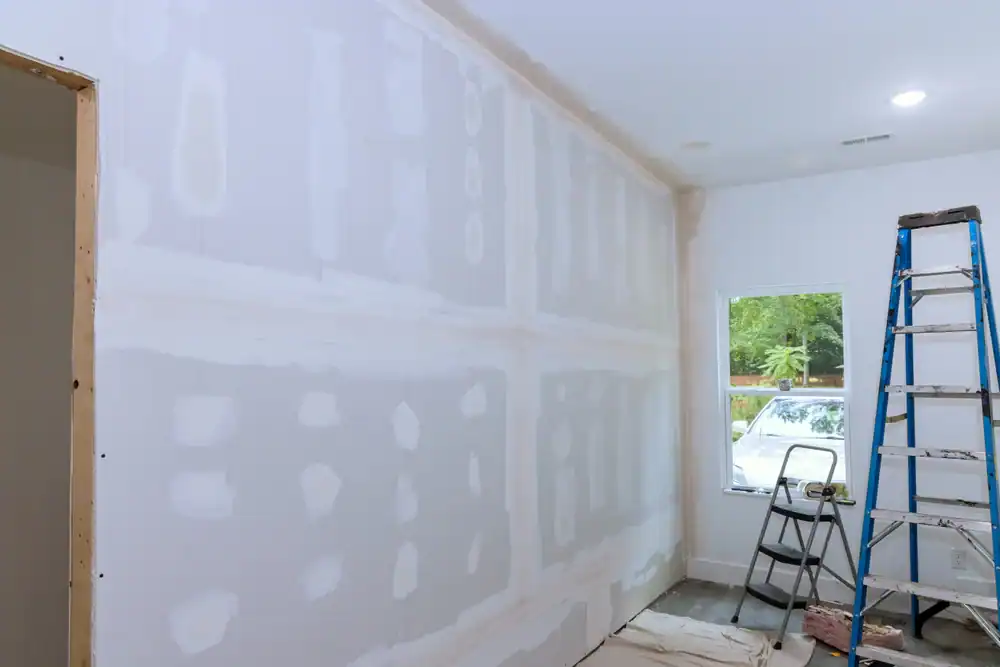
First, we assess what caused the damage. A hole from a doorknob is different from a crack caused by settling. If there’s an underlying issue—moisture, movement, structural stress—we’ll tell you before we patch anything.
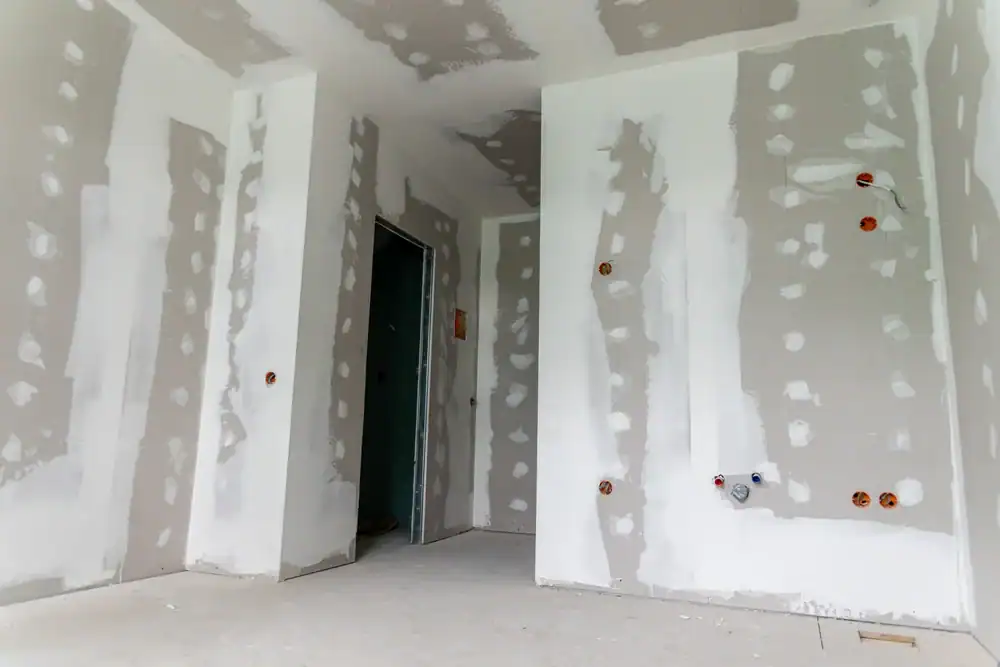
Next comes prep work. We cut clean edges around the damaged area, secure backing if needed, and fit the patch material. This is where experience matters. In Chinatown’s older buildings, you’re often working with irregular wall thickness or non-standard framing.
Then we apply joint compound in stages. The first coat fills the gap. After proper dry time—and this can’t be rushed, especially in humid weather—we apply additional coats, feathering the edges so the repair blends seamlessly. Each layer gets sanded smooth before the next one goes on.
Finally, we prime and prepare the surface for paint. If you need us to match existing texture, we can do that too. The goal is always the same: when we’re done, you shouldn’t see where we worked.
Most repairs finish in one day. Larger jobs might need a second visit after everything dries completely, but we’ll tell you that upfront.
Ready to get started?
When we handle drywall patching in Chinatown, you’re getting more than someone who knows how to spread drywall mud. You’re getting someone who understands how buildings in this neighborhood actually behave.
We bring the right materials for your specific situation. Standard joint compound works fine in climate-controlled spaces, but Chinatown properties often need moisture-resistant options. We stock both, plus specialty compounds for difficult repairs.
Texture matching is included. Whether your walls are smooth, orange peel, or knockdown, we match it. This is where most DIY jobs fall apart—the patch is fine, but it looks completely different from the surrounding wall.
Complete cleanup is standard. We’re working in your home, often in tight spaces with expensive finishes nearby. We use drop cloths, we vacuum drywall dust, and we don’t leave a mess for you to deal with after we’re gone.
You also get straight answers about what you actually need. If a crack is going to come back because of foundation movement, we’ll tell you. If you’re better off repairing than replacing, we’ll tell you that too. The goal is fixing your problem correctly, not maximizing our invoice.
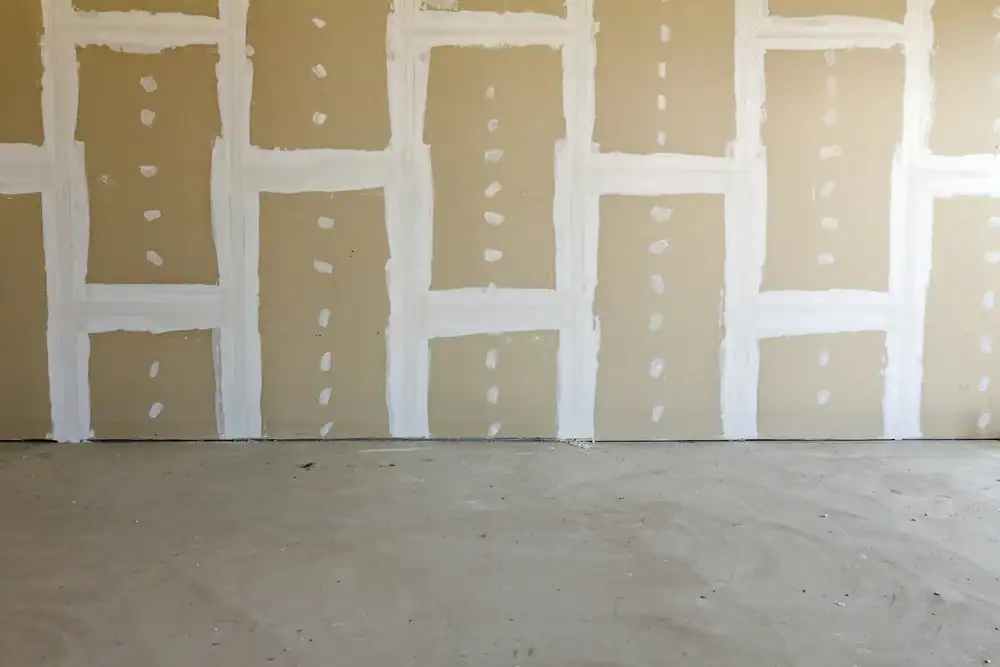
Dry time for drywall patching in Chinatown typically runs 24 hours between coats, but it depends on humidity and temperature. In summer months when it’s humid, you might need longer. In winter with heat running, things dry faster.
This is why rushing a patch job never works. The joint compound needs to cure completely before you sand it or add another layer. If there’s still moisture in the first coat when you apply the second, you’ll get cracking or poor adhesion.
For a standard repair, expect the full process to take 2-3 days from start to finish if we’re doing multiple coats. Most of that is waiting for dry time, not active work. Smaller patches that only need one or two coats can often be completed same-day, primed and ready for paint.
Cracks reappear because something is still moving. In Chinatown’s older buildings, the most common culprits are foundation settling, seasonal temperature changes, and moisture cycling.
Philadelphia’s freeze-thaw cycles put stress on building materials. Foundations shift slightly, framing expands and contracts, and that movement shows up as cracks in your drywall. If you just fill the crack without addressing why it’s there, it’ll be back in six months.
The fix depends on the cause. Minor settling might just need a more flexible repair compound. Serious foundation issues need structural work before any cosmetic repair makes sense. We can usually tell the difference by looking at the crack pattern—where it’s located, how wide it is, whether it’s getting bigger. That’s information you need before spending money on repairs that won’t last.
Yes, texture matching is part of every drywall patching job we do in Chinatown. Whether your walls are smooth, have an orange peel finish, or use knockdown texture, we replicate it so the repair blends in.
This requires the right tools and technique. Smooth walls need perfect sanding and sometimes multiple finish coats. Orange peel texture uses a specific spray pattern. Knockdown texture requires timing—you spray it on, let it set briefly, then knock it down with a trowel at exactly the right moment.
The tricky part is matching aged texture. Your walls might have settled or been painted multiple times over the years, which changes how they look. We often do a test section first on larger repairs to make sure the texture matches before we commit to the entire patch. It takes more time upfront, but it’s the only way to guarantee invisible results.
Most drywall patching in Chinatown runs between $150 and $400 for standard repairs, depending on the size of the damage and whether you need paint matching. Hourly rates in Philadelphia typically start around $50, but most contractors quote by the job, not the hour.
Small holes—think doorknob damage or nail pops—are on the lower end. Larger repairs, water damage that requires mold-resistant materials, or jobs that need extensive texture matching cost more. If we’re repairing multiple areas or dealing with structural issues, that changes the scope.
We give you a firm quote before we start. That number doesn’t change unless you change what you want done. No surprises, no “we found additional damage” upcharges for things we should have spotted during the estimate. You’ll know exactly what you’re paying and what you’re getting for that price.
If your Chinatown property was built before 1978, yes, you need to think about lead paint. Any repair work that disturbs painted surfaces can create lead dust, which is a serious health hazard, especially if you have young children.
Licensed contractors are required to follow EPA lead-safe practices in older homes. That means containing the work area, using specific methods to minimize dust, and cleaning up properly. It’s not optional—it’s federal law, and it exists for good reason.
For drywall patching, this usually means careful sanding techniques, HEPA vacuums, and proper disposal of debris. It adds some time and cost to the job, but it’s not negotiable. If someone tells you not to worry about it in a pre-1978 building, find a different contractor. That’s not someone you want working in your home.
Small nail holes? You can probably handle those yourself with spackle and a putty knife. Anything larger than a few inches, or any crack that keeps coming back—that’s when you should call someone who does this regularly.
Drywall patching looks simple until you try it. Getting joint compound smooth, feathering the edges so they disappear, matching texture, working in tight spaces without making a mess—these skills take practice. Most DIY attempts end up with visible repairs that need professional fixing anyway.
The cost difference isn’t as big as you might think. A proper patch job runs $150-400. If you buy materials, spend a weekend on it, and still end up with a lumpy repair that bothers you every time you look at it, you haven’t saved money. You’ve just delayed calling someone who can do it right. For anything visible or in a main living area, hire it out from the start.
Other Services we provide in Chinatown