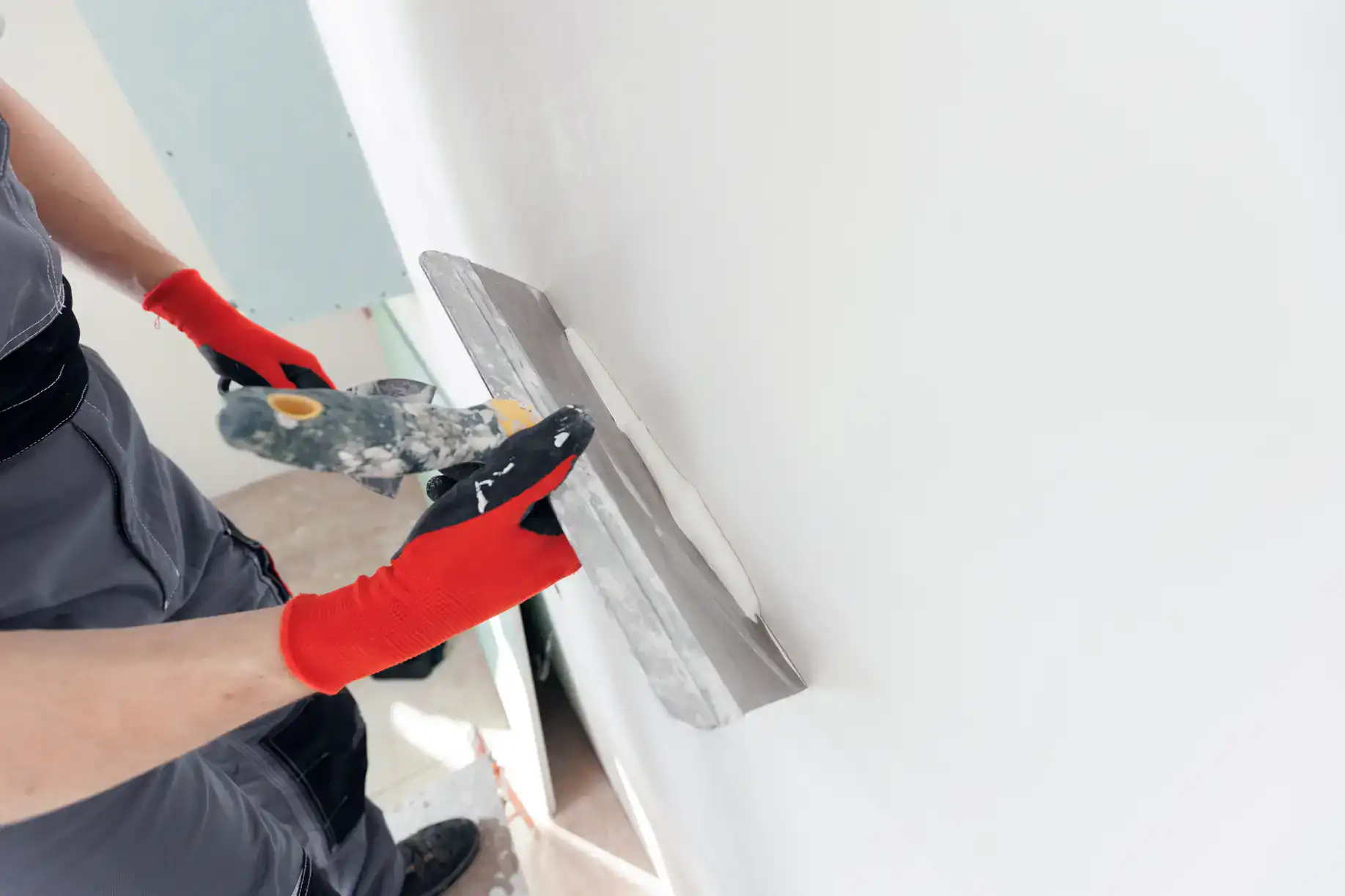
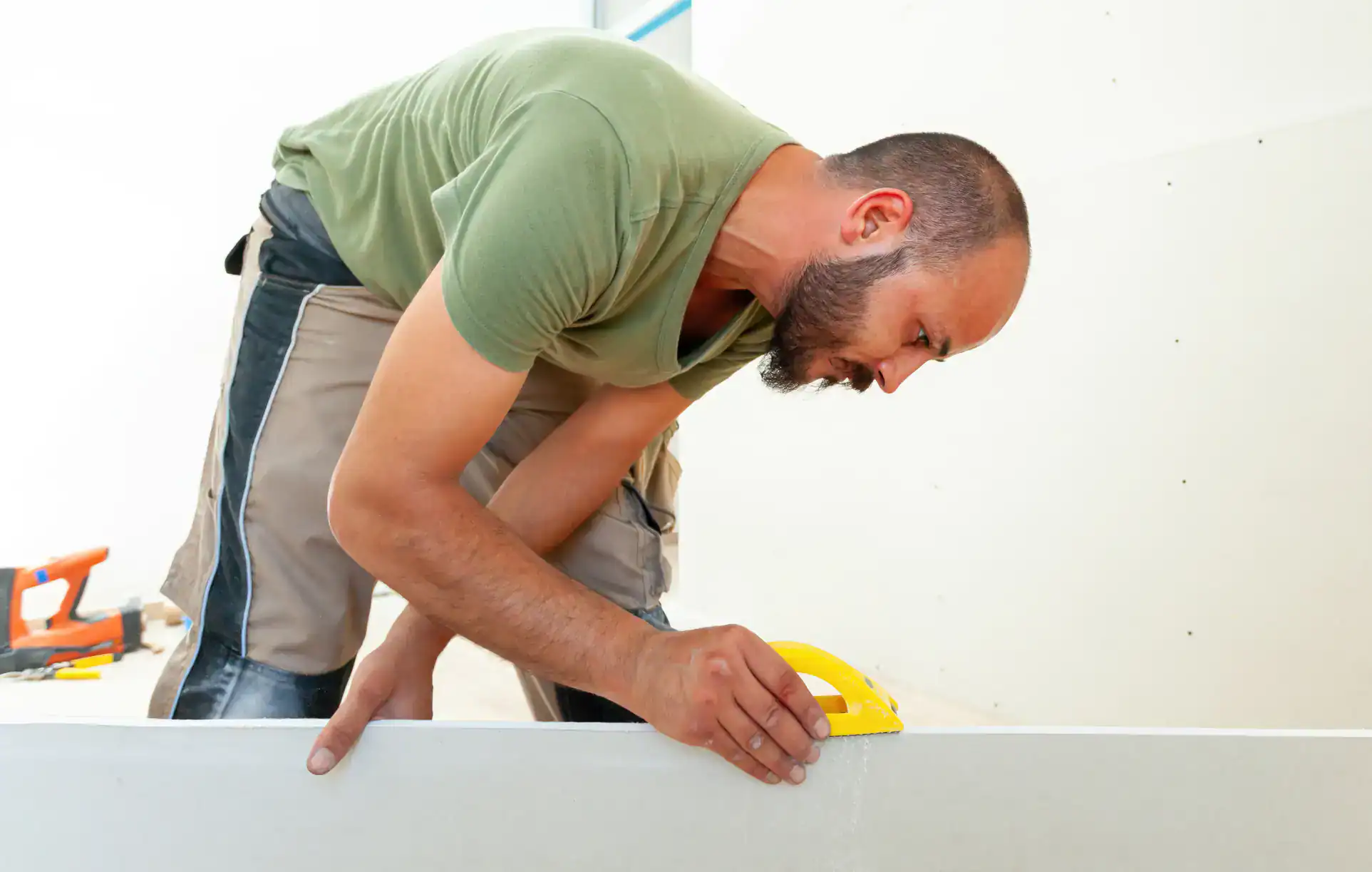
You shouldn’t have to stare at that hole from the doorknob every time you walk down the hallway. You shouldn’t see the water stain on your ceiling from last winter’s pipe leak. And you definitely shouldn’t be able to tell where a repair was made after the paint dries.
That’s the difference between a patch job and professional drywall repair in Chinatown, PA. When the work’s done right, the texture matches perfectly. The seams disappear. The finish is smooth and even, ready for paint that actually looks good.
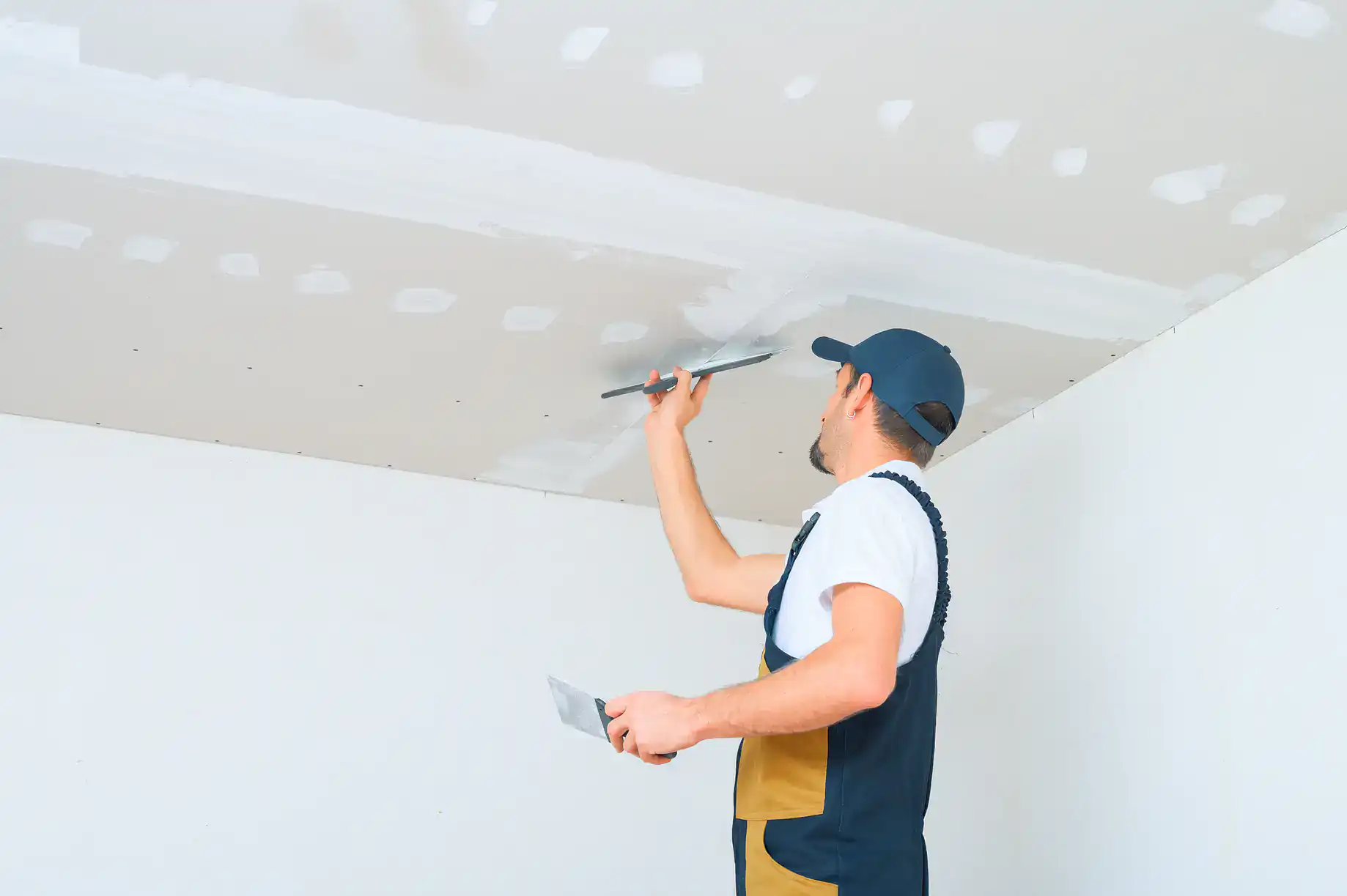
We finish most drywall repairs in a single visit. You’re not waiting days for multiple coats or dealing with a drawn-out process. We cut out the damaged section, replace it with premium mold-resistant material, tape, mud, sand, and texture to match your existing wall. Then we clean up everything before leaving—dust, debris, drop cloths, all of it.
Your walls look the way they should. Clean. Solid. Invisible repairs that don’t announce themselves every time someone walks past.
Sharpe Drywall exists because too many homeowners in Chinatown and throughout Montgomery and Bucks counties kept getting the same runaround. Contractors who showed up late, left messes, missed spots, or just disappeared halfway through. Repairs that looked worse than the original damage.
We’re locally owned and operated, living in the same communities we serve. That means when you call, you’re talking to people who understand what older Philadelphia-area homes deal with—foundation shifts, outdated plumbing, moisture problems from freeze-thaw cycles. We’ve seen it all in these neighborhoods.
We treat every job the same way we’d handle our own homes. Proper materials, clean installation, respect for your space and schedule. No shortcuts, no surprises on the bill, no mess left behind for you to deal with after we’re gone.
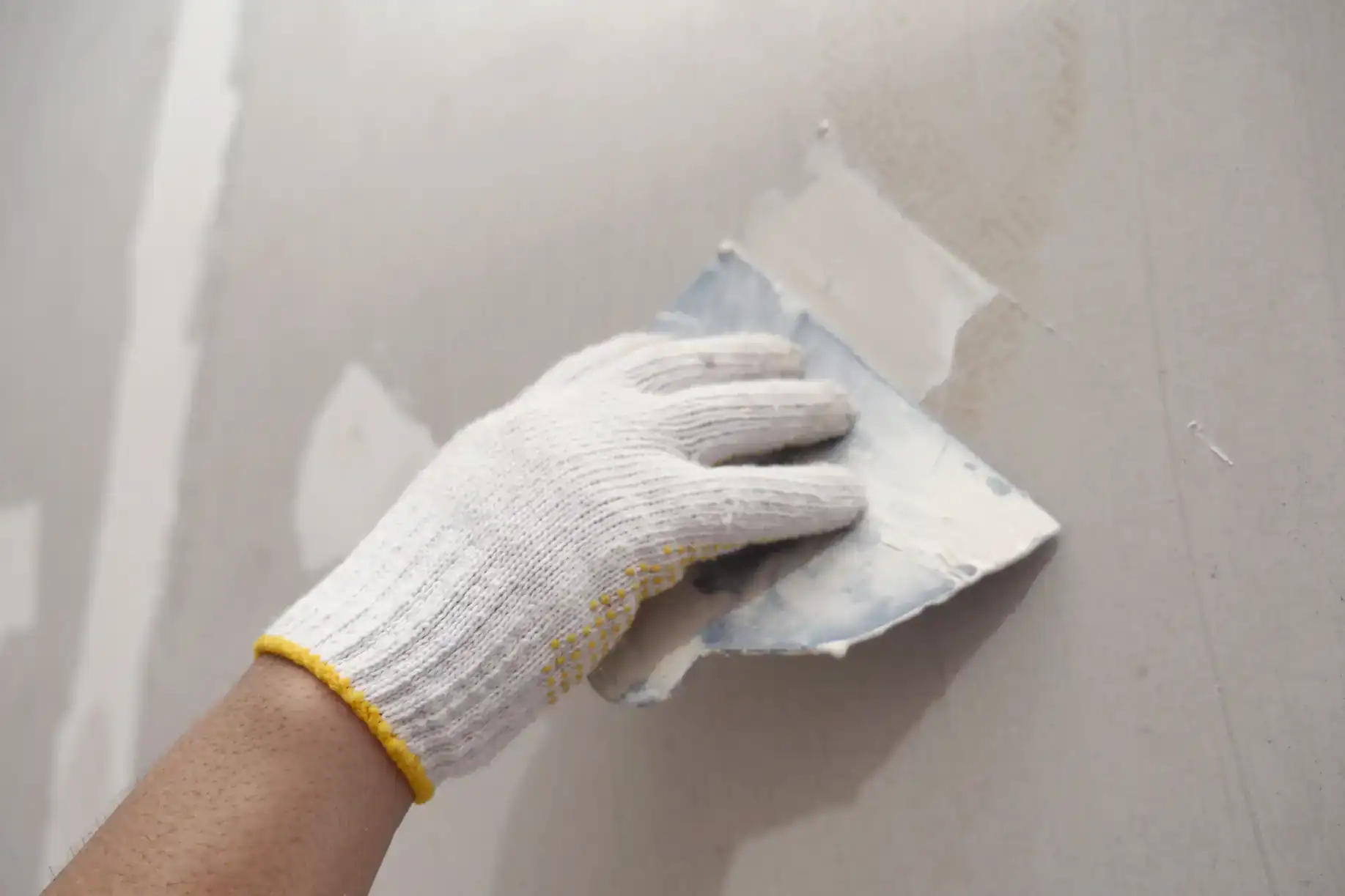
First, we assess the damaged area. If it’s a small hole, the repair might just need a patch and compound. Larger damage means cutting out the bad section and installing a new piece of drywall that fits precisely.
Once the new material is in place, we tape it at the seams with professional-grade mesh tape and joint compound. This is where most DIY jobs fall apart—lumpy application, visible seams, uneven surfaces. We apply the compound in thin, smooth layers, then sand between coats until the surface is perfectly level.
Texture matching comes next. Whether your walls have knockdown, orange peel, or smooth finish, we texture the repaired area to blend invisibly with the surrounding wall. This takes the right tools and experience—you can’t fake it.
After the final coat dries and gets sanded smooth, the area is ready for primer and paint. We prime some repairs on-site if you’re painting yourself. Others get full paint matching if you want us to handle the complete finish.
Throughout the entire process, we protect your floors and furniture. We contain dust as much as possible. When the job’s done, we clean the work area completely—no drywall dust on your baseboards, no dried mud chunks on your floor, no mess for you to sweep up later.
Ready to get started?
The cost to repair drywall in Chinatown, PA depends on the size and type of damage you’re dealing with. Small holes from nails or doorknobs run less than larger repairs that need new drywall sections installed. Water damage costs more because it often means replacing insulation, checking for mold, and addressing whatever caused the leak in the first place.
Average drywall repair cost in the Philadelphia area typically falls between $150 and $800 for most residential jobs. That includes materials, labor, texture matching, and cleanup. Ceiling repairs sometimes cost slightly more because of the overhead work and the difficulty of matching ceiling textures perfectly.
You’re paying for materials that last—premium mold-resistant drywall, professional-grade joint compound, proper tape and fasteners. You’re paying for skill—the ability to match textures invisibly, create smooth finishes, and handle tricky repairs in older homes where walls aren’t perfectly square. And you’re paying for reliability—licensed and insured contractors who show up when scheduled, finish the job completely, and clean up after themselves.
Many homes in Chinatown deal with unique challenges. Older properties built in the 1940s through 1960s often have plaster walls with drywall additions from later renovations. Foundation settling creates stress cracks. Outdated plumbing means higher risk of water damage. These aren’t simple patch jobs—they require understanding how these buildings were constructed and what’s causing the damage in the first place.
We provide fixed pricing, which means the quote you get is what you pay. No surprise fees when the job’s halfway done. No upcharges for “unexpected” work that should’ve been obvious from the start.
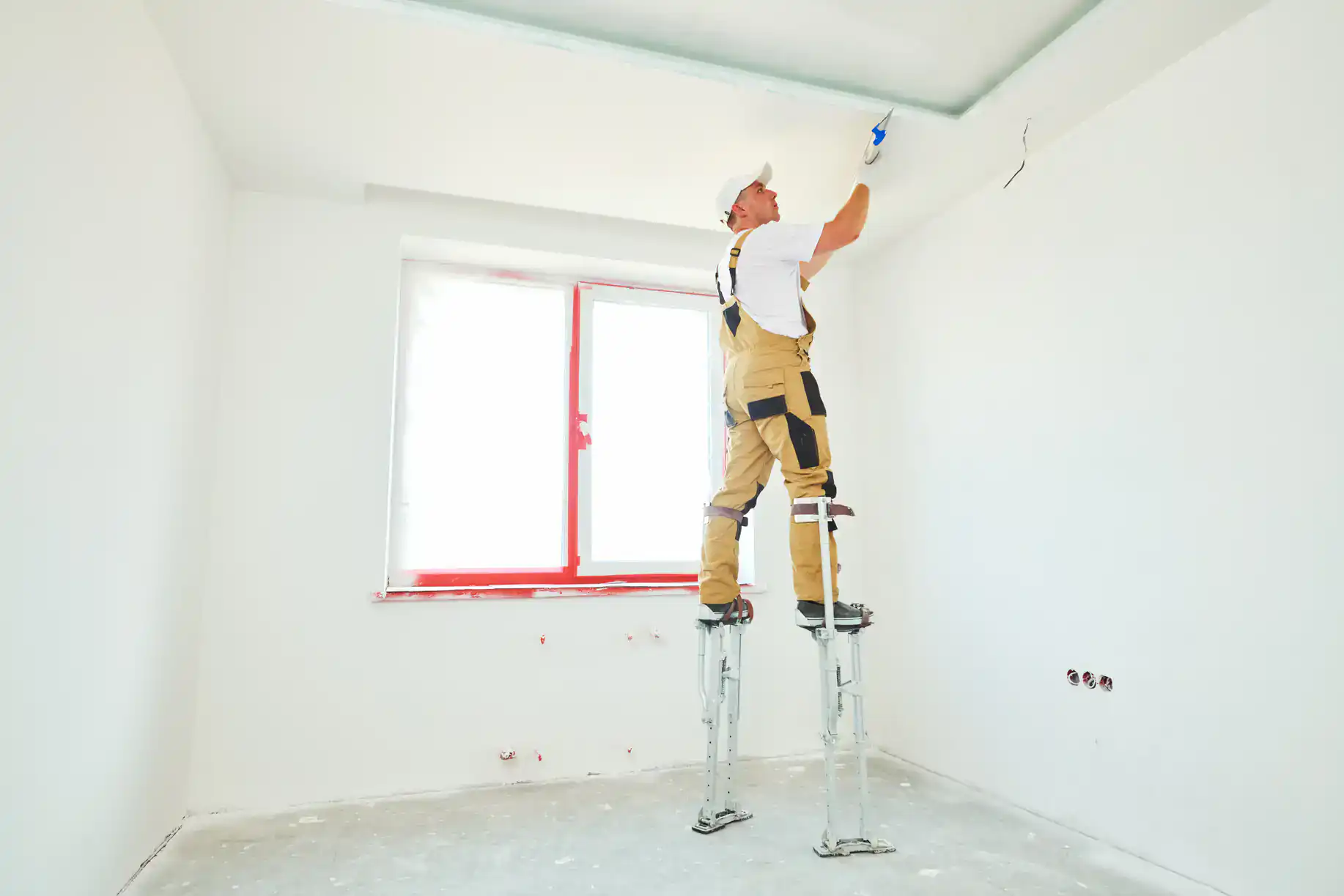
For a typical doorknob hole or small punch-through, you’re looking at $150 to $250 depending on whether texture matching is complex. That covers patching the hole, applying joint compound in multiple coats, sanding smooth, matching the texture, and cleaning up completely.
Larger holes that need a new drywall section installed—say 12 to 24 inches across—typically run $300 to $500. This involves cutting out the damaged area, installing backing support, securing new drywall, taping all seams, applying multiple coats of compound, sanding, and texture matching.
Water damage repairs vary more because the scope depends on how far the damage spread. A small ceiling stain might be $200 to $400 if the drywall just needs patching. But if water soaked through and you need a full section replaced, plus checking insulation and looking for mold, costs can reach $600 to $800 or more. The key is addressing what caused the water damage so it doesn’t happen again—otherwise you’re just paying to fix the same problem twice.
We finish most small to medium repairs in one visit, usually three to five hours depending on how many spots need work. The actual repair happens relatively quickly—patching, taping, and applying compound doesn’t take long. What takes time is waiting for compound to dry between coats and doing the detail work that makes repairs invisible.
Larger jobs that need multiple drywall sections replaced might need a second visit. The first day covers demolition, installation, and initial taping. The second day handles final coats, sanding, and texture matching after everything’s had time to dry properly.
Water damage repairs sometimes take longer because we need to verify the area is completely dry before installing new drywall. Installing new material over damp framing or insulation just creates mold problems down the road. If there’s any question about moisture levels, the smart move is waiting an extra day or two to be certain everything’s dry. That’s not padding the timeline—it’s making sure the repair actually lasts.
Yes, but it requires the right tools and experience with different texture patterns. Knockdown, orange peel, skip trowel, smooth finish—each one has a specific technique and tool requirement. You can’t match knockdown texture with a roller, and you can’t replicate orange peel with a trowel.
We start by looking at your existing texture under good lighting to identify the exact pattern and depth. Then we texture the repaired area using the same method—whether that’s spraying, rolling, troweling, or a combination. The key is matching not just the pattern but also the density and coverage so the repair blends into the surrounding wall.
Older homes in Chinatown sometimes have hand-troweled plaster textures that are trickier to match than standard drywall finishes. These need more hand-work and attention to detail. But even complex textures can be matched well enough that you won’t spot the repair unless you know exactly where to look. That’s the goal—repairs that disappear completely once painted.
Water damage tops the list. Older homes in this area often have plumbing from the 1950s and 60s that’s more prone to leaks. Pipe joints fail, supply lines crack, drain lines back up. When water hits drywall, the clock starts running—you’ve got maybe 24 to 48 hours before mold becomes a serious concern.
Foundation settling causes stress cracks, especially in homes built on Philadelphia’s clay soils. As the foundation shifts slightly over decades, that movement translates into cracks along seams, around door frames, and at ceiling corners. These aren’t structural failures, just normal settling, but they still need proper repair to prevent them from growing.
Impact damage—holes from doorknobs, furniture, accidents—happens in every home eventually. Kids, moving day mishaps, that time you were carrying something too big through a narrow hallway. These are straightforward repairs as long as they get fixed properly instead of just smeared over with spackle.
Moisture problems from poor ventilation cause issues too, especially in bathrooms and kitchens without proper exhaust fans. Humidity soaks into drywall over time, creating soft spots, bubbling paint, and eventually mold growth. The fix isn’t just patching the drywall—it’s addressing the ventilation problem so moisture doesn’t keep damaging the new material.
We prime and prep the repaired area for paint as part of our standard service. That means you’re getting a smooth, sealed surface that’s ready for your finish coat. If you’re planning to paint the room yourself or have a painter lined up, that’s all you need.
For customers who want us to handle the complete job—repair, prime, and paint with color matching—that’s available too. Color matching means taking a sample of your existing wall color, getting it matched at the paint supplier, and applying enough coats to blend the repaired area invisibly with the surrounding wall. Sometimes that’s two coats, sometimes three, depending on the color and the existing paint condition.
The advantage of having us handle both repair and painting is consistency. We know exactly how the surface was prepped and what it needs for a good paint finish. There’s no gap where the drywall contractor blames the painter and the painter blames the drywall contractor if something doesn’t look right.
If you’re repainting the entire room anyway, just primer is fine—your painter will handle the rest. But if you’re only fixing one spot and need it to blend perfectly with walls that haven’t been painted in years, color-matched finish coats make sense.
If the drywall is soft, spongy, or crumbling when you press on it, it needs replacement. Once drywall absorbs enough water to break down the gypsum core, it loses structural integrity. Patching over compromised material just means the repair will fail in a few months.
Visible mold growth—black, green, or brown spots that aren’t just surface stains—means the drywall needs to come out. Mold grows inside the drywall core where you can’t clean it, and it spreads through the paper facing. Trying to save moldy drywall is a health risk and a waste of money.
Staining alone doesn’t always mean replacement. If the drywall is still firm and dry, and the stain is just discoloration on the surface, that section might only need stain-blocking primer and paint. The test is whether the material itself is still solid or whether water compromised its structure.
Bulging or sagging drywall needs replacement. This happens when water weight causes the gypsum core to separate from the paper facing, or when the paper facing delaminates from absorbing too much moisture. Once drywall loses its shape, there’s no fixing it—we cut out the damaged section and replace it with new material properly secured to the framing.
Other Services we provide in Chinatown