You’re not staring at that hole in the hallway anymore. You’re not explaining the crack above the window to guests. The repair blends so cleanly with your existing wall that you’d have to know exactly where to look to find it.
That’s what happens when the texture matching actually works. When someone uses the right joint compound in Callowhill/Chinatown North and knows how to feather the edges so there’s no ridge, no shadow, no obvious patch job staring back at you.
The work gets done fast. Most repairs wrap up in a single visit. You get a wall that’s ready to prime and paint in Callowhill/Chinatown North, or we handle the finishing for you if that’s what you need. Either way, you’re not living with visible damage while waiting for someone to come back and “finish up later.”
Sharpe Drywall works exclusively on drywall repair and installation across Montgomery and Bucks County. That focus means we’re not splitting time between ten different trades. We know how drywall mud in Callowhill/Chinatown North behaves in older homes, how the humidity affects dry time, and what it takes to match textures in buildings from the 1950s and 1960s.
This neighborhood has a mix of housing stock—some original plaster with drywall additions from past renovations, some full conversions. That matters when you’re patching a wall, because the substrate changes how materials bond and how long each coat needs to cure.
We’ve been serving homeowners in this area long enough to know what works and what doesn’t. Fully licensed and insured, with the kind of track record that comes from doing one thing well instead of trying to be everything to everyone.
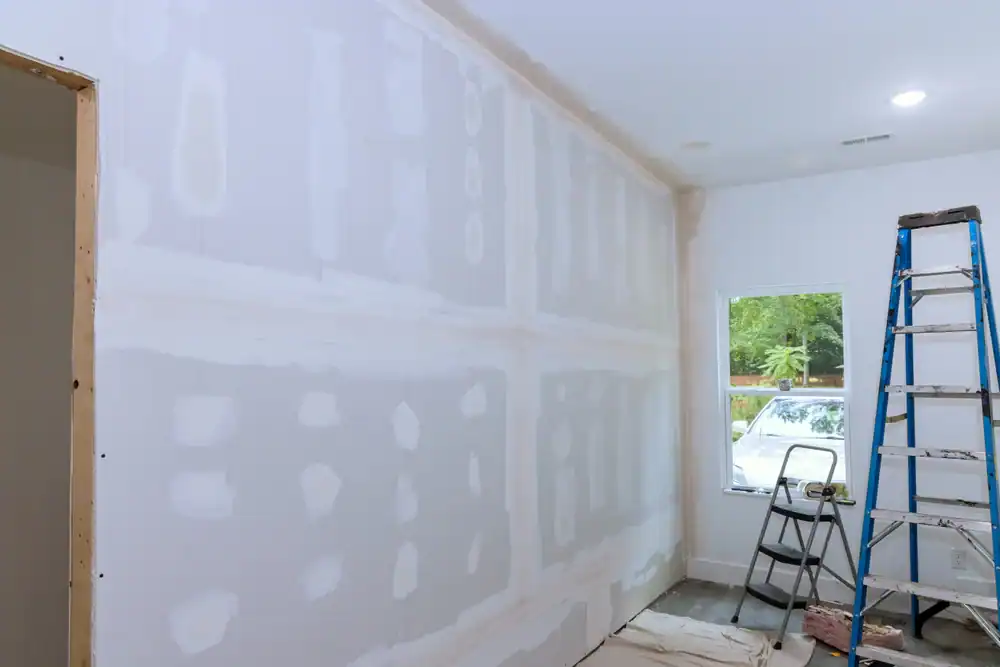
First, we assess the damage. Not every hole needs the same approach. Small punctures get a different treatment than larger sections with water damage or cracks from settling. We check the surrounding area to make sure there’s no hidden issue causing the problem.
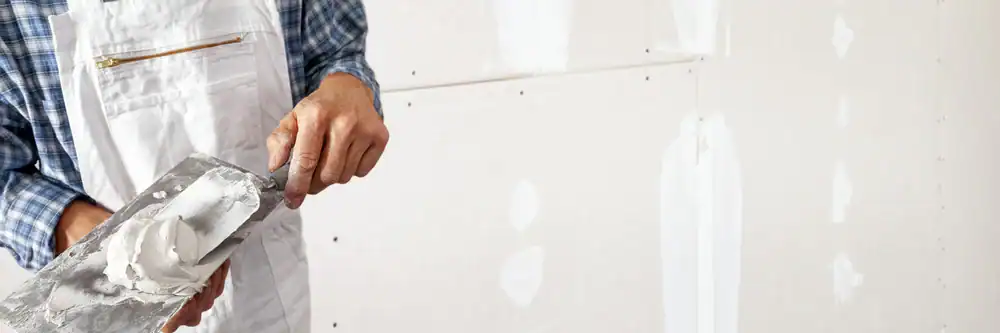
Next comes prep and the first coat. We cut away any loose or damaged material, apply backing if needed, and lay down the initial layer of drywall mud in Callowhill/Chinatown North. This is where feather the edges matters—blending the repair into the existing wall so there’s no hard line. Dry time depends on the size of the repair and humidity levels, but we don’t rush it.
After the first coat cures, we apply additional layers as needed, sanding between coats to keep everything smooth. Then comes texture matching. We replicate your existing wall texture so the repair disappears. Finally, we clean everything up—no dust, no debris, no mess left for you to deal with. If you want us to handle prime and paint in Callowhill/Chinatown North, we do that too.
Ready to get started?
Every drywall patching job in Callowhill/Chinatown North includes damage assessment, complete prep work, and as many coats of joint compound as needed to get the surface smooth. We’re not cutting corners to finish faster—we’re doing it right.
You get professional texture matching. That’s not optional. If your walls have knockdown, orange peel, or any other finish, we replicate it so the patch blends invisibly. We use premium materials designed for durability, not the cheapest option that’ll crack in six months when the building shifts.
Cleanup is part of the job. We contain dust during sanding, remove all debris, and leave your space as clean as we found it. Philadelphia’s older housing stock means we’re often working in homes where foundation movement and seasonal temperature swings put stress on walls. We account for that in how we prep and finish each repair, so you’re not calling someone back in a year to fix the same spot.
If you need the repair primed and painted to match your existing color, we handle that too. One crew, start to finish.
Most drywall patching in Callowhill/Chinatown North gets finished in one visit, but that depends on the size and complexity of the damage. A small hole from a doorknob or picture hanger usually takes a few hours—prep, first coat, dry time, second coat if needed, sanding, and texture matching.
Larger repairs or areas with water damage take longer because we need to address the underlying cause first. If there’s mold or structural issues, those get handled before we patch anything. Dry time also varies based on humidity and temperature, especially in older buildings where airflow isn’t always consistent.
We don’t rush the process just to say we finished in one day. If a repair needs an extra coat or more curing time to come out right, that’s what happens. You’d rather have it done correctly than fast and sloppy.
No. When we patch drywall in Callowhill/Chinatown North, the repair disappears. That’s the whole point of proper texture matching and knowing how to feather the edges so there’s no ridge or shadow where the patch meets the existing wall.
We replicate whatever texture is already on your walls—knockdown, orange peel, smooth, whatever it is. We use the same techniques and tools to make sure the finish matches. If we’re also priming and painting, we blend the new paint into the surrounding area so there’s no color difference.
The only way you’ll know where the repair was is if you remember exactly where the damage used to be. Guests won’t notice. It won’t stand out when light hits the wall at an angle. That’s what separates a professional repair from a DIY patch job that’s obvious from across the room.
Foundation movement is a big one. Homes from the 1950s and 1960s settle over time, and that creates stress on walls. You’ll see cracks along seams, especially near corners and doorways. Seasonal temperature changes make it worse—materials expand and contract, and eventually something gives.
Water damage is common too. Older plumbing, roof leaks, and poor ventilation in bathrooms all contribute. Once water gets into drywall, it weakens the material and creates conditions for mold. You can’t just patch over water damage without addressing the source, or you’ll be dealing with the same problem again in a few months.
Then there’s just normal wear—doorknobs hitting walls, furniture bumps, kids being kids. Drywall isn’t indestructible. The good news is that most damage is repairable as long as you catch it before it spreads or gets worse from moisture exposure.
Yes. Philadelphia gets humid summers, and moisture is already an issue in a lot of older Callowhill/Chinatown North homes. We use mold-resistant drywall and joint compound in Callowhill/Chinatown North for repairs in bathrooms, kitchens, basements, or anywhere we’ve seen water damage.
Standard drywall absorbs moisture and breaks down over time when it’s exposed to high humidity. Mold-resistant products have additives that prevent moisture absorption and inhibit mold growth. It costs a bit more, but it’s worth it if it means your repair lasts instead of failing in a year.
We also make sure repairs are fully cured before sealing them with primer and paint. Rushing that step traps moisture inside, which defeats the purpose of using better materials in the first place. Proper dry time matters, especially in spaces with limited airflow.
Yes. Texture matching works regardless of how many times the wall has been painted, as long as the original texture is still there under the paint. We assess the existing finish, then replicate it using the same application techniques.
The challenge isn’t the paint—it’s making sure we understand what type of texture was originally applied. Knockdown, orange peel, and skip trowel all require different tools and methods. We test the texture on a scrap piece first to make sure it matches before applying it to your wall.
If the existing texture has been heavily sanded or smoothed out over the years, we work with what’s there. Sometimes that means blending a slightly softer texture so the repair doesn’t stand out. The goal is always the same—make the patch invisible so your wall looks uniform from floor to ceiling.
A drywall specialist does this every day. We know how different joint compounds behave, how to feather the edges so there’s no visible line, and how to match textures so repairs blend completely. A handyman might be able to slap some spackle in a hole, but that’s not the same as a professional finish.
Texture matching is where the difference really shows. Most handymen don’t have the tools or experience to replicate knockdown or orange peel textures accurately. They’ll patch the hole, but you’ll see exactly where the repair is because the surface doesn’t match. That might be fine for a garage, but not for your living room.
We also carry proper insurance and licensing for drywall work specifically. If something goes wrong during a repair, you’re covered. With a general handyman, that’s not always the case. You’re paying for expertise, accountability, and a result that actually looks professional when it’s done.
Local Resources
Other Services we provide in Callowhill/Chinatown North