You’re not looking for a construction zone that drags on for weeks. You need walls installed right so you can move forward with painting, decorating, or just getting back to your routine.
Most drywall installation projects in Callowhill/Chinatown North wrap up in a single day. That includes hanging, taping, mudding, and cleanup. You’re not left with dust covering every surface or a half-finished job that sits for days while the crew disappears.
The difference shows up when you don’t need to call someone back to fix lumpy seams or cracks that appear after the first coat of paint. Fire-rated drywall that meets Philadelphia building codes. Moisture-resistant materials that hold up in bathrooms and kitchens. Texture matching that blends invisibly with your existing walls.
You get a fixed price upfront. No surprise charges when the job’s halfway done. No excuses about why it’s taking longer than promised. Just clean installation work that lets you move on to whatever’s next.
We serve Montgomery, Bucks, and Philadelphia counties with one straightforward goal: finish the job the way it should’ve been done in the first place. Fully licensed and insured, because that’s not optional when you’re working in someone’s home.
Callowhill/Chinatown North has a specific challenge most installers don’t think about. The Loft District’s converted warehouses and factories mean high ceilings, open floor plans, and older construction that doesn’t always play by standard rules. You need someone who’s worked with these spaces before and knows how to handle the quirks.
We’re not the cheapest drywall installer you’ll find. That’s intentional. Cheap work means callbacks, visible seams, and repairs that fail after six months. You’re paying for materials that last and installation that doesn’t need a do-over.
It starts with measuring your space and giving you a fixed price. Not an estimate that changes once we’re halfway through. An actual number that includes materials, labor, and cleanup.
We show up when we say we will. Drywall gets measured, cut, and hung with attention to fire code requirements and moisture zones. Every sheet is secured properly so you’re not dealing with loose panels or popping nails down the road.
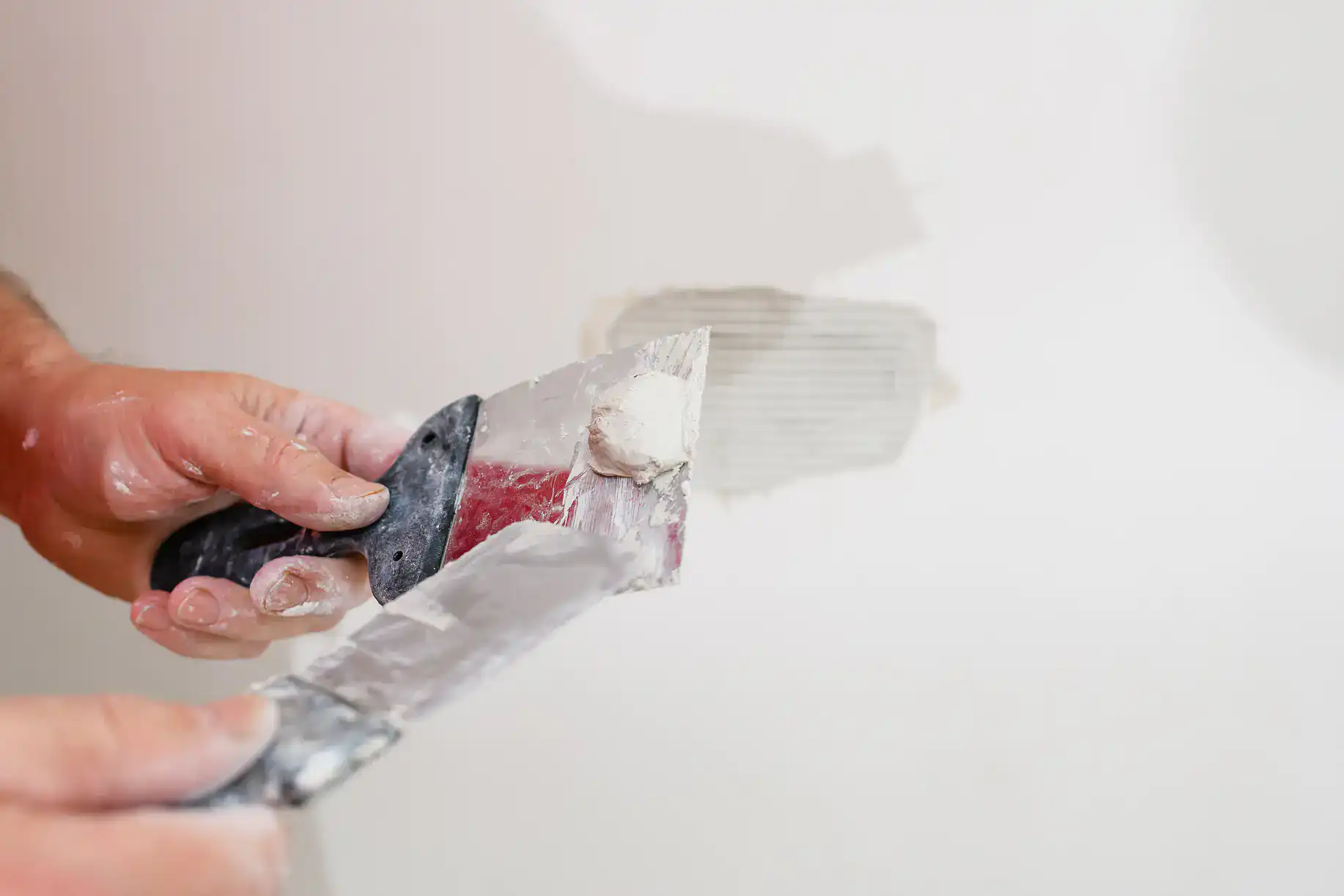
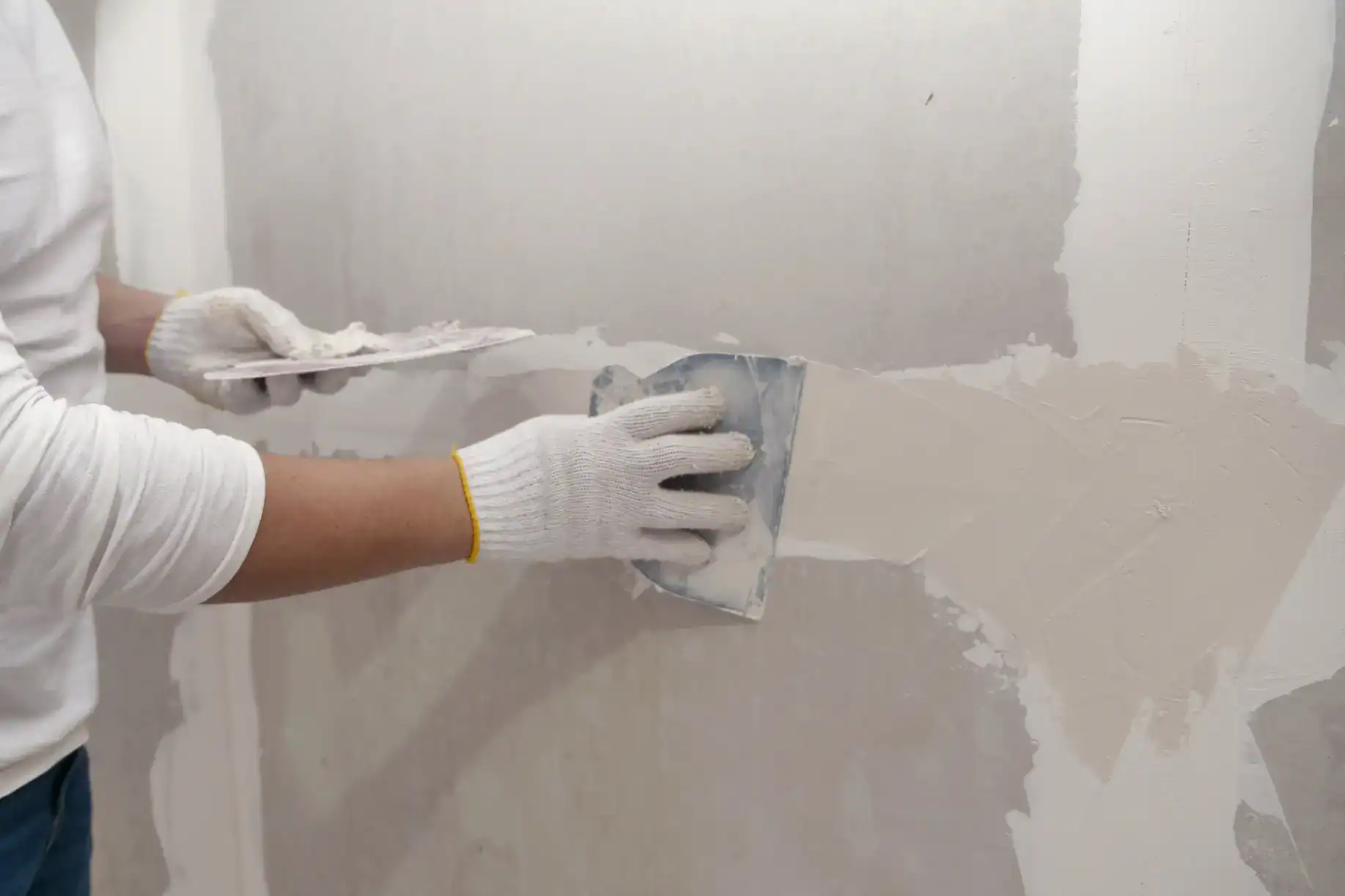
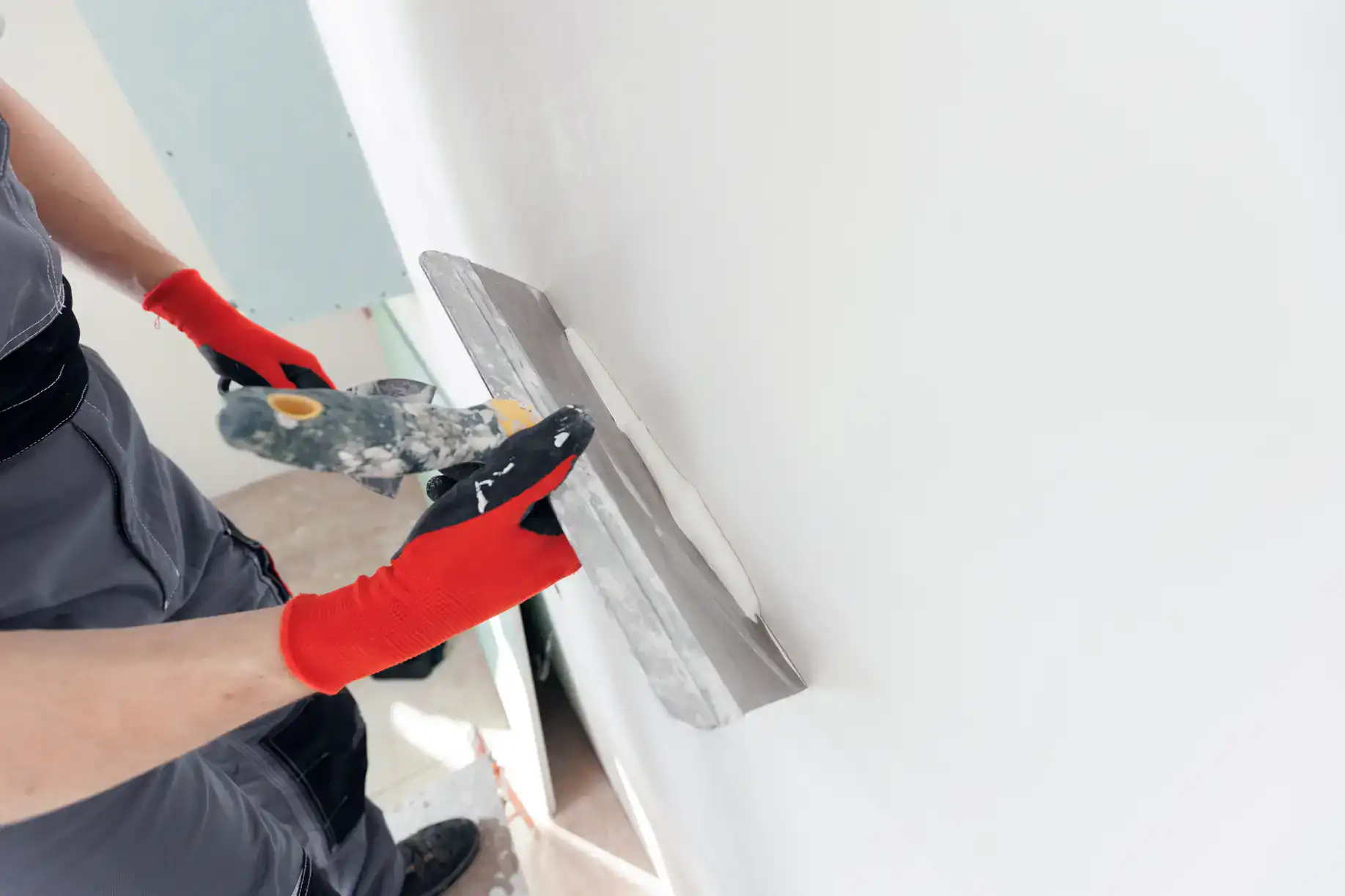
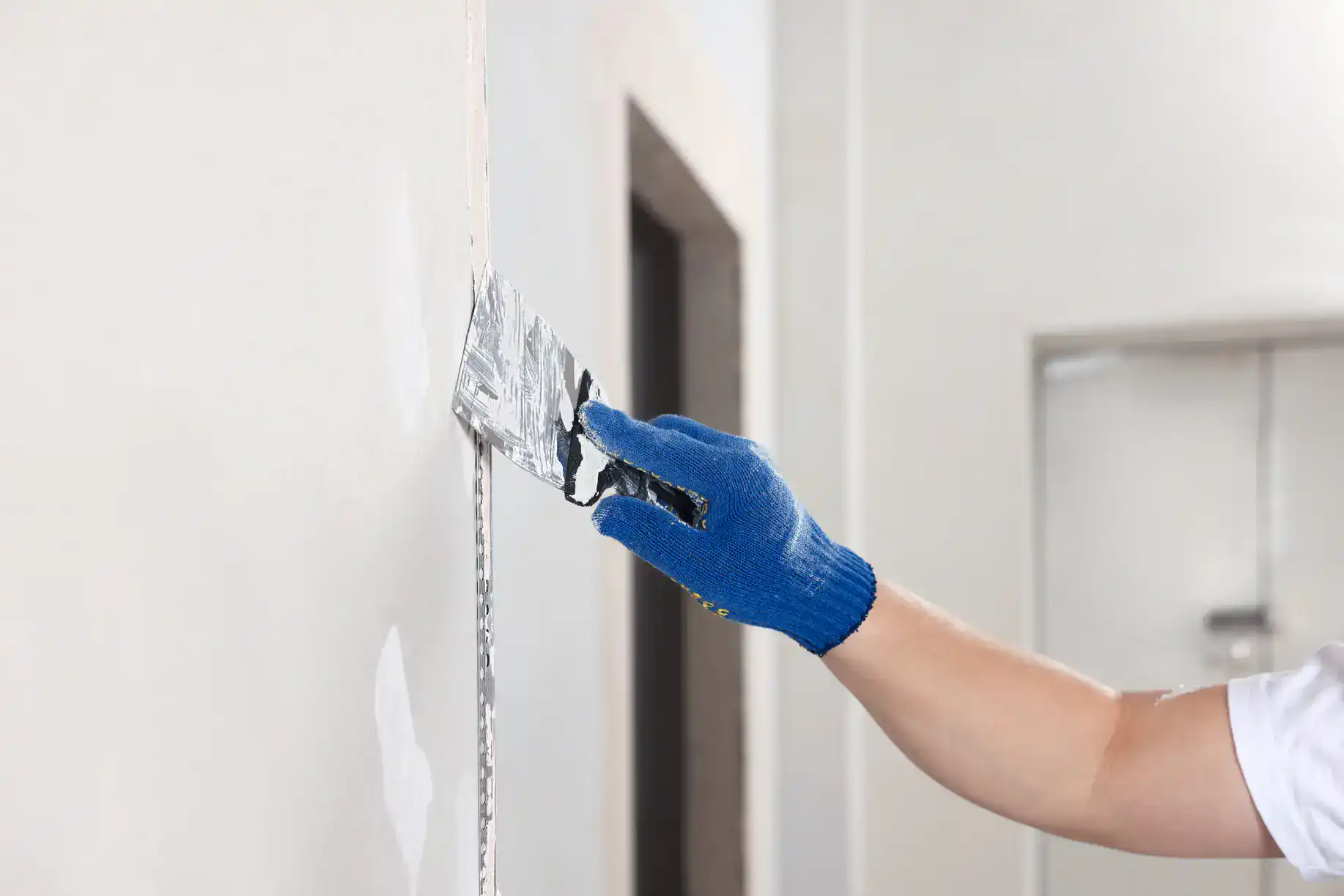
Taping and mudding come next. This is where most DIY jobs and rushed contractors fall apart. We use professional-grade joint compound and apply multiple coats with proper drying time between each layer. Sanding happens with dust containment so your furniture and floors stay clean.
The final pass includes texture matching if you’re doing repairs, and a full inspection to catch anything that needs adjustment before we pack up. Then we clean. Completely. You shouldn’t have to sweep up drywall dust for the next three weeks.
You’re left with smooth, finished walls ready for primer and paint. No gaps, no visible seams, no excuses.
Ready to get started?
Complete drywall installation in Callowhill/Chinatown North covers the full scope: hanging, taping, mudding, sanding, and finishing. You’re not coordinating three different contractors to get one job done.
Materials matter more than most people realize. We use moisture-resistant drywall in kitchens and bathrooms where humidity causes standard panels to break down. Fire-rated options for areas where Philadelphia building codes require them. Mold-resistant backing in spaces prone to condensation.
Callowhill’s loft-style homes often feature exposed brick, high ceilings, and open layouts that create acoustic challenges. Soundproofing options help control noise between units or rooms without sacrificing space. Insulated drywall adds an extra layer of temperature control in buildings with older HVAC systems.
The average cost to install drywall in Philadelphia runs between $1,077 and $3,118 depending on square footage, ceiling height, and material choices. Most residential projects in Callowhill/Chinatown North fall in the $2,000 to $2,500 range for standard rooms with 8-foot ceilings. Loft spaces with 12+ foot ceilings cost more due to equipment and labor requirements.
You get a detailed breakdown before any work starts. No hidden fees for disposal, no upcharges for “unexpected complications” that should’ve been obvious from the start.
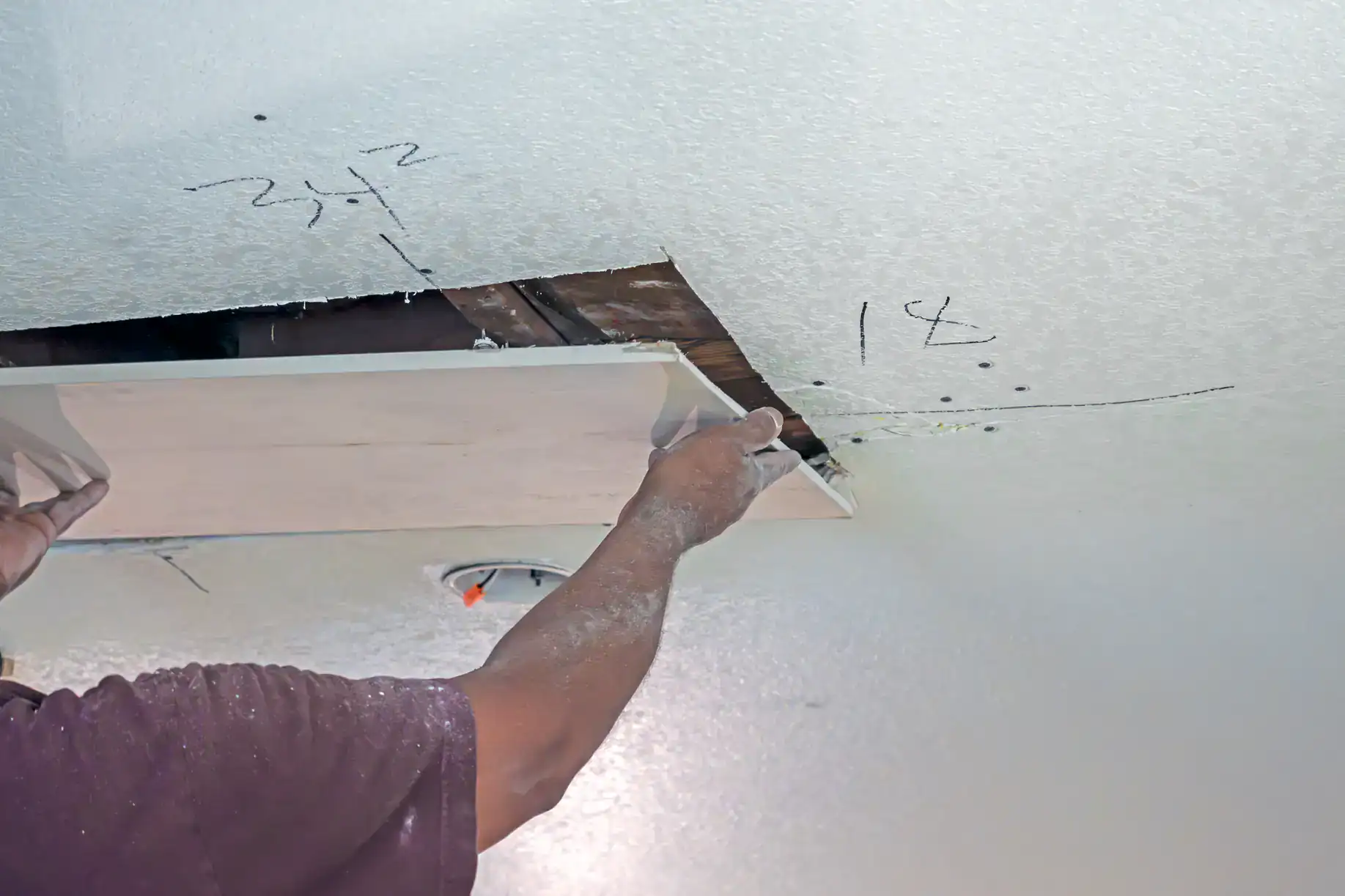
Most residential drywall installation projects finish in one to three days depending on the size of the space and whether you’re doing new construction or repairs. A single room with standard 8-foot ceilings typically wraps up in one day including hanging, taping, first coat of mud, and cleanup.
Larger projects like finishing a basement or installing drywall throughout a loft conversion take longer because of square footage and drying time between coats. Each layer of joint compound needs 24 hours to dry properly before sanding and applying the next coat.
Callowhill’s converted warehouse spaces with 12 to 15-foot ceilings add time because of the equipment needed to reach upper sections safely. But even these projects rarely extend past three days unless you’re dealing with extensive square footage or complex architectural details.
Professional drywall installation in Callowhill/Chinatown North typically costs between $2,000 and $2,500 for standard residential projects. That’s based on Philadelphia’s average range of $1,077 to $3,118 depending on room size, ceiling height, and material specifications.
Price breaks down to roughly $0.90 to $2.00 per square foot for basic installation. Fire-rated drywall, moisture-resistant panels, or soundproofing materials add to the base cost but provide long-term value in durability and code compliance.
Loft-style spaces with high ceilings cost more because of the additional labor and equipment required to work at height safely. A 500-square-foot room with 15-foot ceilings takes more time and materials than the same square footage with 8-foot ceilings. You’re paying for the vertical work, not just the floor space.
Fixed pricing means you know the total before work starts. No surprise charges when we discover your walls aren’t perfectly plumb or your ceiling joists are spaced irregularly.
Philadelphia building codes require fire-rated drywall in specific locations, particularly in multi-unit buildings, attached homes, and spaces where fire separation is mandated between living areas and garages. Callowhill/Chinatown North’s high concentration of converted lofts and multi-unit buildings means fire-rated materials come up frequently.
Type X drywall provides one-hour fire resistance and is the standard requirement for most residential fire barriers. It’s thicker and denser than standard drywall, with special additives that slow the spread of flames. Type C offers even higher fire resistance for commercial applications or buildings with stricter requirements.
Your specific project determines what’s required. Walls between units in a multi-family building need fire-rated materials. Ceilings below occupied floors typically require them. Garage walls adjacent to living spaces definitely need them.
A licensed drywall installer knows these requirements and ensures your installation meets code. That matters when you’re selling the property or if an insurance claim ever comes up. Cutting corners on fire-rated materials isn’t worth the risk.
Texture matching is part of professional drywall installation when you’re doing repairs or additions to existing spaces. The goal is making new sections blend invisibly with surrounding walls so you can’t tell where the repair happened.
Different textures require different techniques. Knockdown texture, orange peel, skip trowel, and smooth finishes all need specific tools and application methods. We match the existing pattern by testing on scrap pieces first, then applying it to the actual wall once the technique is dialed in.
This matters more than most people realize. A visible repair line or mismatched texture stands out every time you look at the wall. It affects how paint absorbs and reflects light. It makes the space feel unfinished even after everything’s painted.
Older buildings in Callowhill/Chinatown North often have hand-troweled textures or aged finishes that take extra attention to replicate. But getting it right means you don’t spend the next ten years staring at an obvious patch job.
Hanging drywall means cutting panels to size and securing them to wall studs or ceiling joists with screws. It’s the structural part of the job that creates the surface. Finishing is everything that happens after: taping seams, applying joint compound, sanding, and creating a smooth surface ready for paint.
Most DIY disasters happen during finishing, not hanging. Getting panels up isn’t particularly difficult if you have the right tools. But creating invisible seams and smooth transitions requires technique that comes from repetition. Too much mud and you’re sanding forever. Too little and the seams show through paint.
Professional finishing includes multiple coats of joint compound with proper drying time between each layer. First coat embeds the tape and fills the deepest gaps. Second coat feathers out the edges. Third coat creates the final smooth surface. Each layer gets sanded before the next goes on.
Corners, ceiling transitions, and screw holes all need individual attention. Rushed work leaves ridges, dimples, and visible lines that become obvious once paint goes on. Proper finishing takes time but eliminates callbacks and touch-ups.
Complete cleanup is included with every drywall installation project. That’s not an add-on or something you negotiate separately. It’s part of finishing the job properly.
Drywall dust is incredibly fine and gets everywhere if you’re not controlling it during sanding. We use dust containment systems that capture most of it at the source. What does escape gets vacuumed and wiped down before we leave.
Scrap materials, empty compound buckets, used sandpaper, and cut-off pieces all get hauled away. You shouldn’t have to make a dump run or fill your trash cans with construction debris. Your space should be ready for the next step, whether that’s painting or moving furniture back in.
This is basic professionalism, but enough contractors skip it that it’s worth mentioning. You’re paying for a finished job, not a construction zone that you have to clean up yourself.
Local Resources
Other Services we provide in Callowhill/Chinatown North