
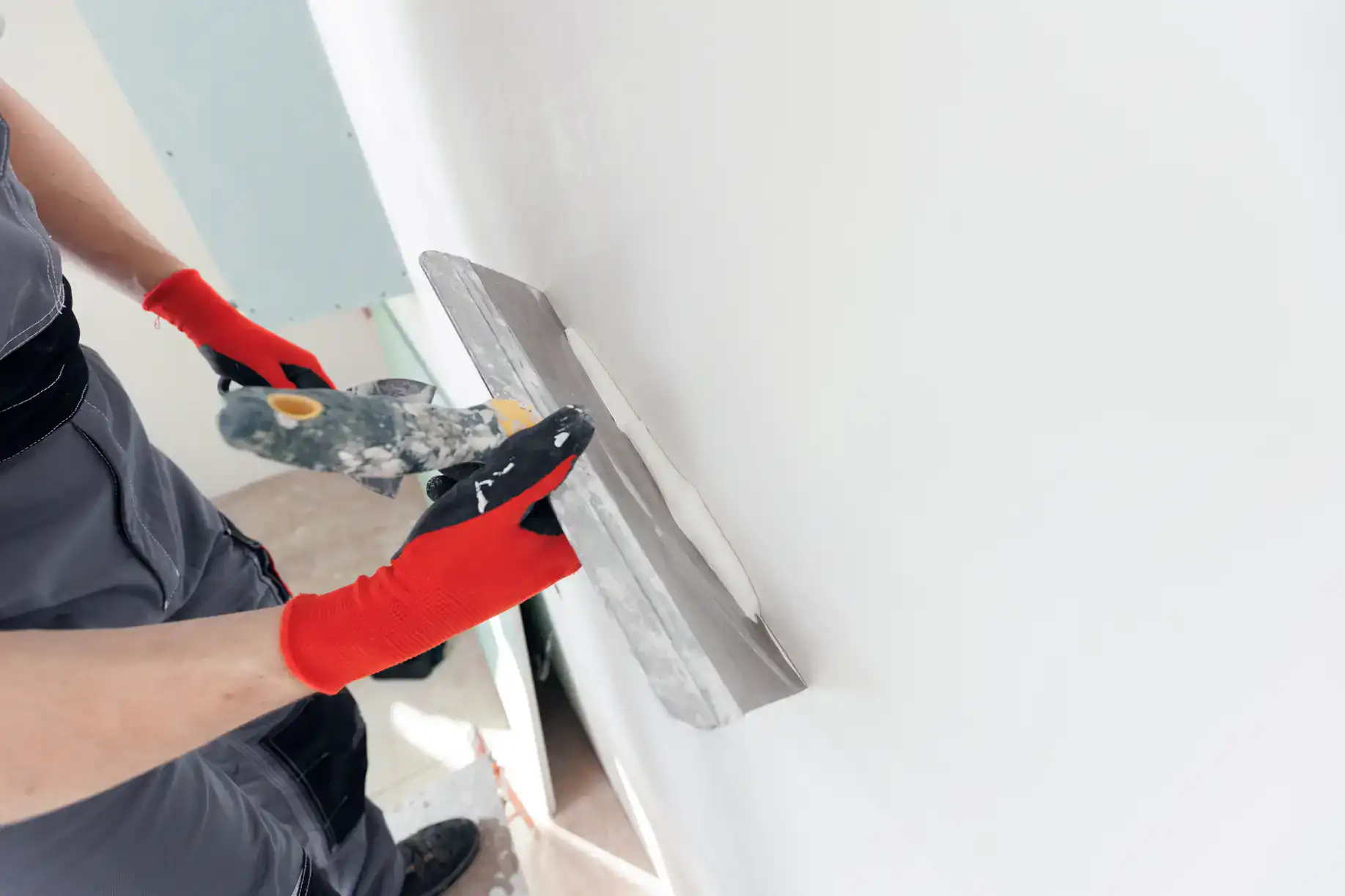
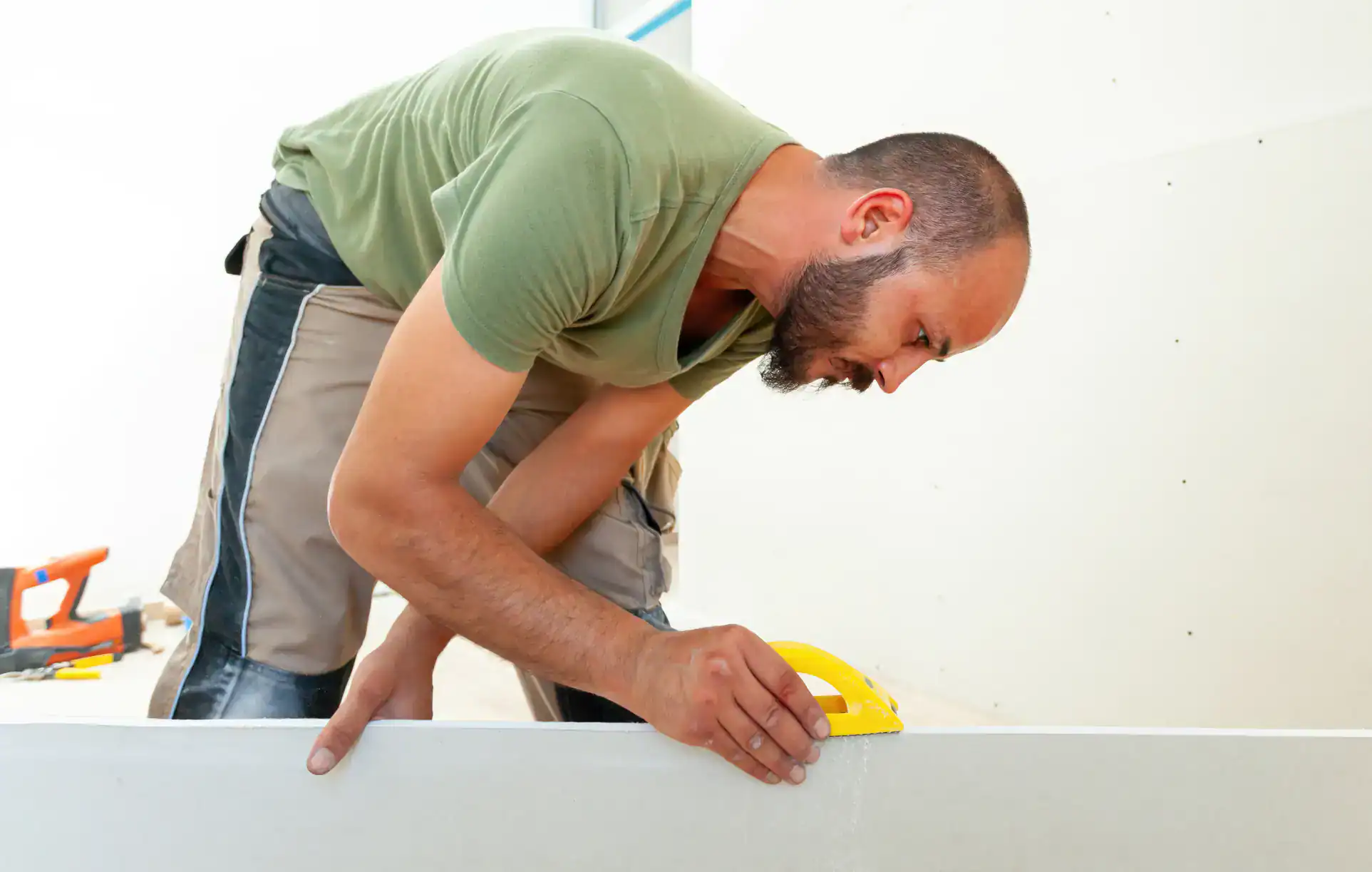
Most drywall repairs get finished in one visit. You’re not waiting days for someone to come back and “finish up.” You’re not left staring at a half-patched hole while the crew disappears for a week.
The work gets done, cleaned up, and ready for paint—all in the same day. No gaps showing through. No seams you can see from across the room. Just smooth, solid walls that look like the damage was never there.
Whether it’s doorknob holes, nail pops from your home settling, or water damage from a busted pipe, the repair process shouldn’t take over your life. You get your space back fast, without the mess or the runaround that comes with contractors who don’t respect your time.
Sharpe Drywall started because too many West Kensington homeowners were getting burned. Contractors who left gaps you could stick coins through. Crews who disappeared halfway through the job. Quotes that doubled once the work started.
We’re locally owned, fully licensed and insured, and we live in the communities we serve. That means something here in West Kensington, where homes are appreciating fast and people are investing in properties they plan to keep.
You’re not getting a different crew every time or some subcontractor who’s never seen your neighborhood. You’re working with people who understand what West Kensington homeowners need—reliable service, transparent pricing, and work that actually lasts.
First, we assess the damage and give you a fixed price. Not an estimate that changes once we’re halfway through. A real number that doesn’t move.
Then we prep the area to protect your floors and furniture. Drywall work creates dust, but it doesn’t have to trash your home. We contain the mess before we start cutting or sanding.
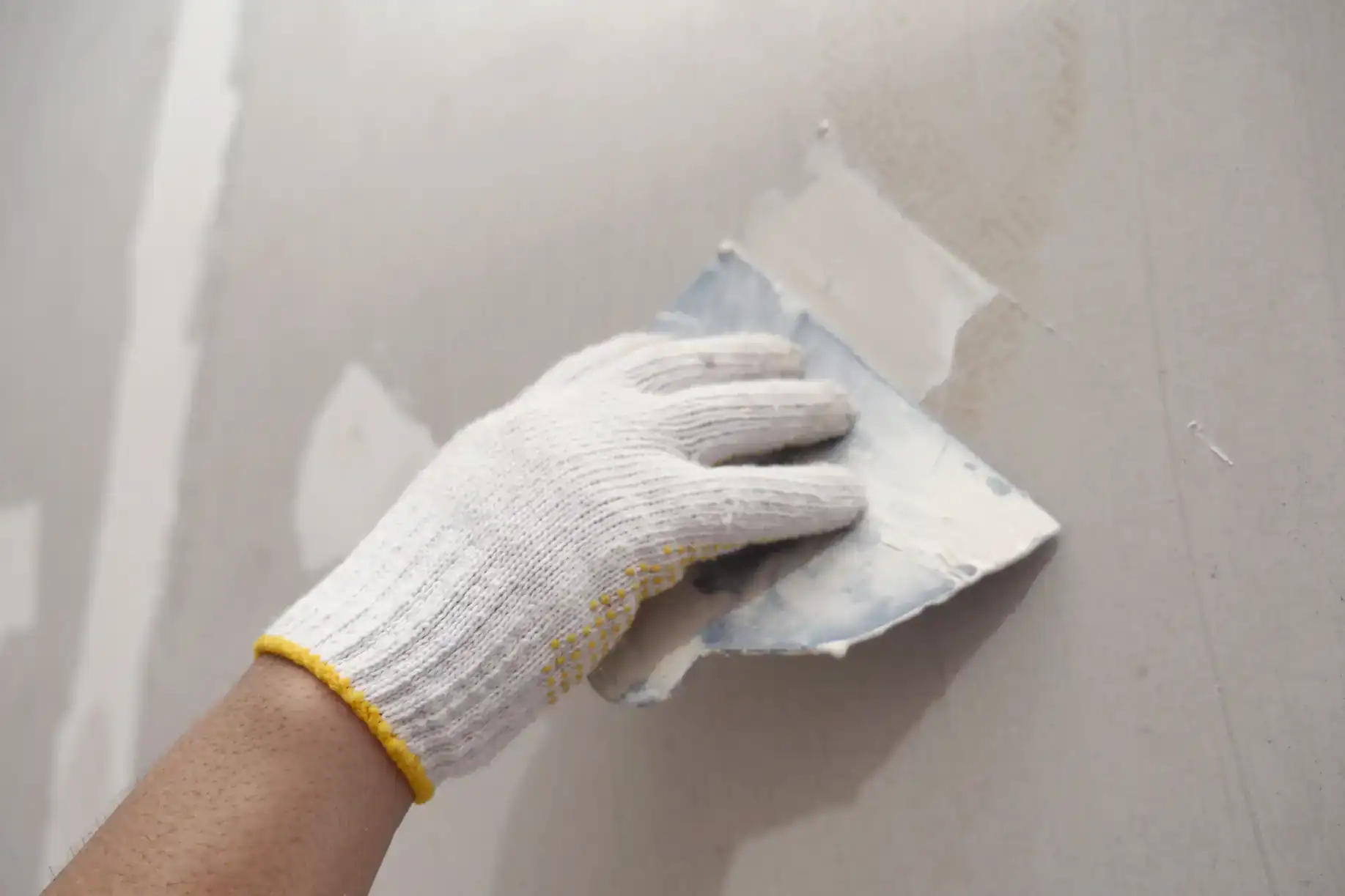
The actual repair depends on what’s damaged. Small holes get patched, sanded smooth, and primed. Larger sections might need new drywall cut and installed, then taped and mudded to blend seamlessly with the existing wall. Cracks get properly filled and reinforced so they don’t just reappear in six months.
Once the repair is solid and smooth, we clean up completely. No dust left on your baseboards. No mud on your floors. The space is ready for you to paint or leave as-is if it’s a small fix in a closet or garage.
Ready to get started?
The cost to repair drywall in West Kensington depends on the size and complexity of the damage. Small patches—nail holes, minor dings—usually run on the lower end. Larger repairs, like replacing full sections after water damage or fixing ceiling cracks, cost more because they take more material and time.
The average cost for drywall repair around here typically falls between $150 and $800 for most residential jobs. That’s the range you’ll see across Philadelphia for standard repairs. Hourly rates start around $50, but most contractors price by the job, not the hour, so you know what you’re paying upfront.
What affects drywall repair costs? The number of holes, the location (ceilings cost more than walls), whether there’s water damage that needs extra prep, and how much finishing work is required. If you’re repairing one small hole, you’re looking at the lower end. If you’re fixing multiple rooms or dealing with structural issues, expect higher numbers.
You won’t get surprise fees here. The quote you receive is what you pay. If something changes during the job, we talk about it before we do the work—not after we hand you a bill.
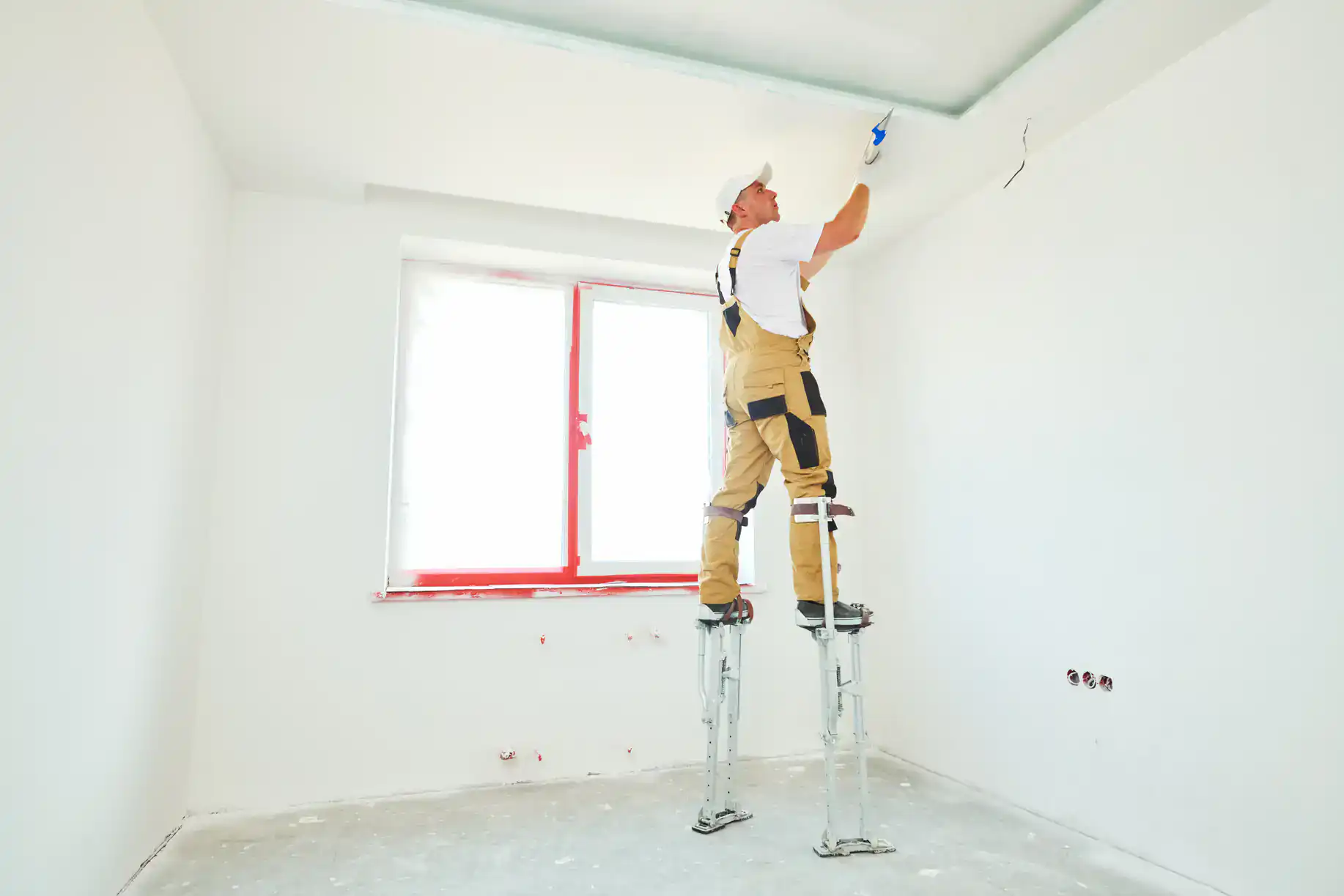
For most homeowners in West Kensington, drywall repair costs fall between $150 and $800 depending on the scope of damage. A single small hole might cost $150 to $250. Multiple holes, larger patches, or ceiling repairs can push toward the higher end of that range.
Pricing usually breaks down by square footage or by the job. Expect to pay around $1.50 to $3.50 per square foot for standard repairs. Hourly rates start at $50, but most contractors—including us—price the entire job upfront so you’re not watching the clock.
What drives the cost up? Water damage that requires mold remediation or structural reinforcement. Ceiling repairs, which are harder to access and finish smoothly. Large sections that need full drywall replacement instead of simple patching. The more complex the damage, the more time and material it takes to fix it right.
Most drywall repairs in West Kensington get finished the same day. Small holes, nail pops, and minor cracks usually take a few hours from start to cleanup. Larger repairs—like replacing a full sheet of drywall or fixing extensive water damage—might take a full day, but you’re still looking at one visit, not multiple trips.
The timeline depends on drying time as much as anything. Mud and joint compound need to dry between coats. If a repair needs multiple layers to get perfectly smooth, that adds time. But we’re not talking about days of waiting—more like a few hours between coats, which we plan for so the job still finishes in one visit.
You won’t deal with contractors who patch something on Monday, disappear for a week, then come back to sand on Friday. The work gets scheduled, completed, and cleaned up in a single appointment. Your space goes back to normal fast, without the disruption dragging on.
Yes. Matching existing wall texture is part of the job, not an extra. Whether your walls have a knockdown finish, orange peel, or smooth texture, the repair gets finished to blend in with what’s already there.
This matters more than people realize. A perfectly patched hole still looks obvious if the texture doesn’t match. You’ll see the repair every time you walk past it, and it’ll show even more once you paint. Matching texture takes experience—knowing how much to apply, what tools to use, and how to feather the edges so there’s no visible line where the repair stops.
Older homes in West Kensington sometimes have unique textures or plaster walls that require different techniques than standard drywall. We adjust the approach based on what your walls actually are, not just what’s easiest to patch. The goal is a repair that disappears once it’s painted, not one that announces itself every time the light hits it wrong.
Drywall cracks usually come from houses settling, temperature changes, or structural movement. It’s normal, especially in older West Kensington rowhomes where foundations shift slightly over time. Cracks around door frames, in corners, or along ceilings are common and don’t always mean something’s seriously wrong.
The fix depends on the crack. Hairline cracks get filled with joint compound, sanded smooth, and primed. Wider cracks need more attention—we clean them out, sometimes apply mesh tape for reinforcement, then layer compound until the surface is level and solid. If a crack keeps coming back, that’s a sign of ongoing movement, and we’ll address the underlying cause instead of just covering it up again.
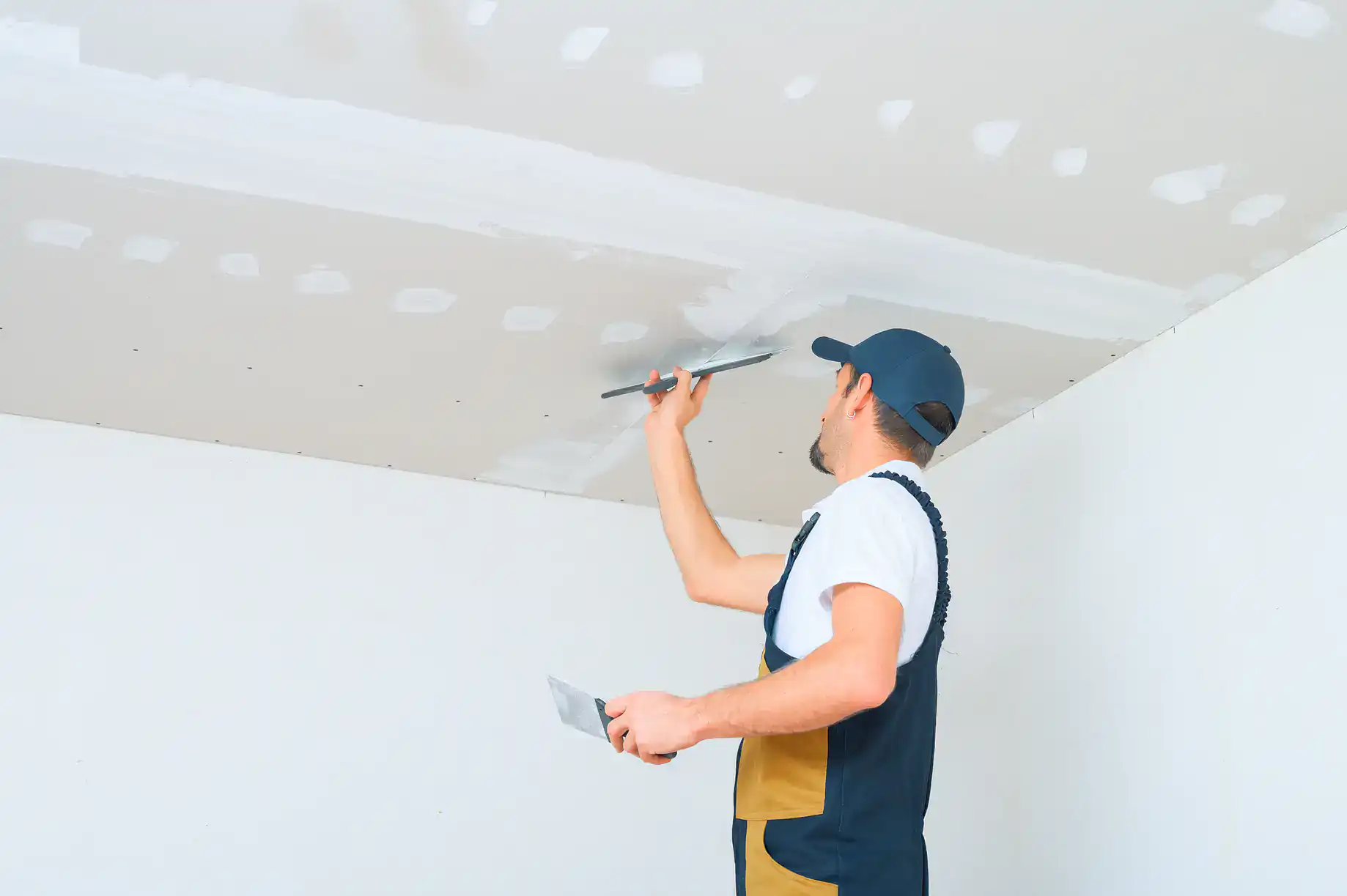
Ceiling cracks are trickier because they’re more visible and harder to access. They often run along seams where drywall sheets meet, and they reappear if they’re not reinforced properly. We don’t just smear mud over them and hope for the best. The repair gets done right so you’re not calling someone back in six months to fix the same crack.
Yes, and it’s one of the more common repairs we handle in West Kensington. Water damage from roof leaks, burst pipes, or bathroom issues can ruin drywall fast. Once drywall gets soaked, it loses structural integrity and needs to be cut out and replaced—patching doesn’t work.
The process starts with identifying how far the damage extends. Water spreads beyond the visible stain, so we check the surrounding area to make sure we’re removing everything that’s compromised. Leaving wet or weakened drywall behind leads to mold, sagging, and more problems down the road.
After removing the damaged section, we let the area dry completely before installing new drywall. Rushing this step traps moisture and creates mold issues later. Once it’s dry, we cut and fit new drywall, tape and mud the seams, then finish it to match your existing walls. If there’s any mold present, that gets treated first—drywall repair doesn’t fix a mold problem, it just covers it up until it gets worse.
Nail pops happen when the nails holding your drywall to the studs back out slightly, creating a small bump or crack in the wall. It’s caused by wood studs expanding and contracting with temperature and humidity changes, or by houses settling over time. It’s especially common in West Kensington rowhomes where seasonal temperature swings are significant.
Fixing nail pops isn’t just about hammering the nail back in. That doesn’t hold. The proper fix involves driving a drywall screw an inch or two above or below the popped nail to secure the drywall firmly to the stud. Then the old nail gets set below the surface or removed entirely. Both spots get filled with joint compound, sanded smooth, and primed.
Preventing future nail pops means using screws instead of nails during any drywall installation or repair. Screws hold better and don’t back out as easily. If you’re seeing multiple nail pops throughout your home, it’s usually a sign of normal settling—not a structural issue. They’re annoying, but they’re fixable, and once they’re repaired properly with screws, they typically don’t come back in the same spot.
Other Services we provide in West Kensington