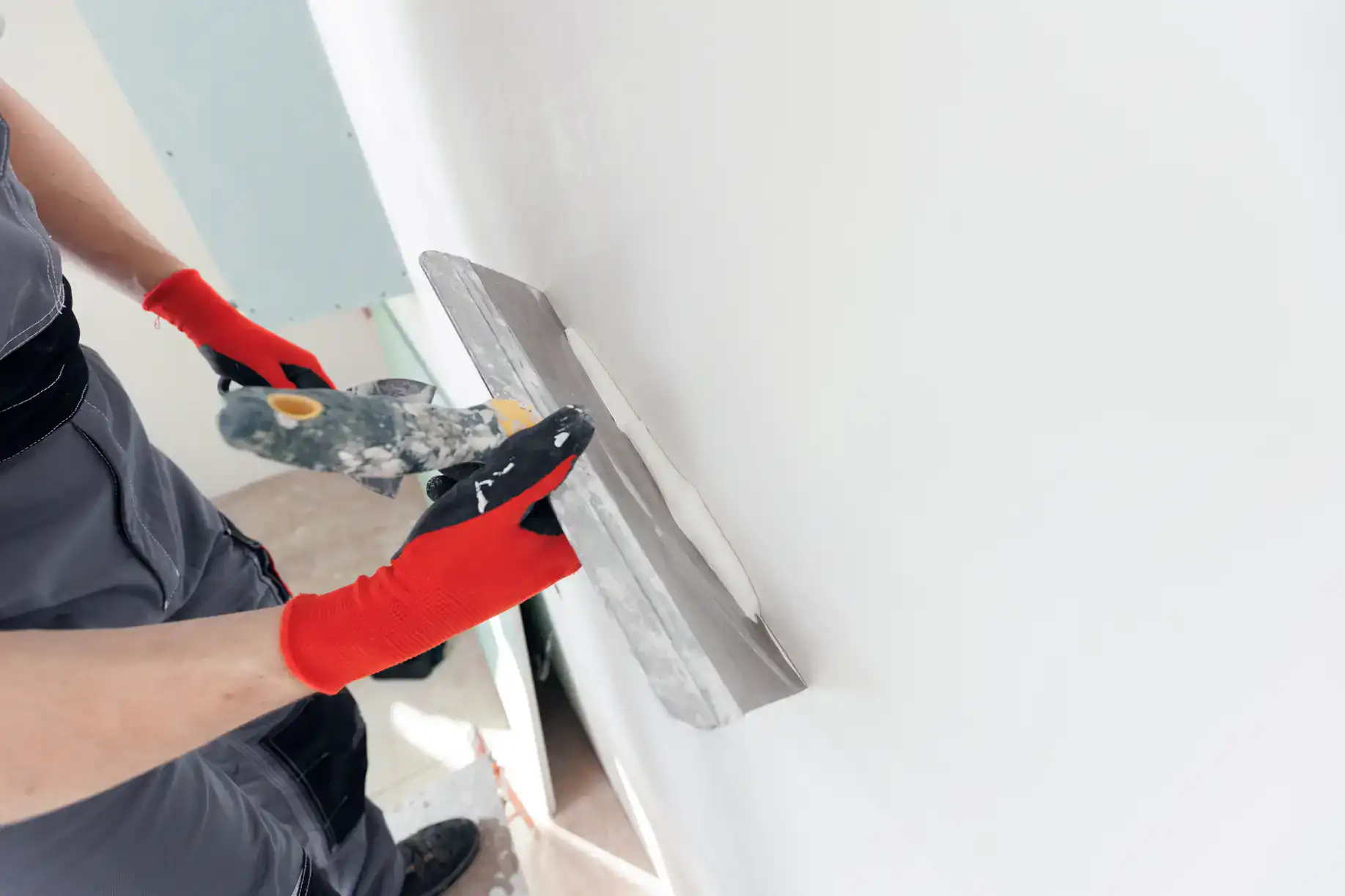
You’re not just covering a hole. You’re getting walls that look right again—no lumps, no visible seams, no texture that doesn’t match.
The average cost for drywall repair in Hunting Park runs between $150 and $800 for most residential jobs, with typical repairs landing around $500. That covers everything: materials, labor, texture matching, and cleanup. What you’re really paying for is the difference between a patch that screams “something happened here” and one that blends in completely.
Most repairs get done in a single visit. Your furniture stays where it is. Your floors stay clean. And when the work’s finished, you’re looking at walls that feel whole again—not like they’ve been through a bad DIY attempt or a contractor who didn’t care enough to get the texture right.
We started Sharpe Drywall because too many homeowners in Montgomery and Bucks County were getting burned by contractors who left messes, missed deadlines, and delivered work that looked worse than the original damage. We exist to be the call you make when you want it done right the first time.
Hunting Park homes come with their own challenges. Many were built before 1940, which means you’re dealing with plaster, calcimine, oil-based paint, and wall systems that don’t behave like modern drywall. We’ve worked on enough historic Philadelphia homes to know what we’re walking into before we even show up.
We’re locally owned, fully licensed and insured, and we treat your home the way we’d treat our own. No drama, no disappearing acts, no excuses.
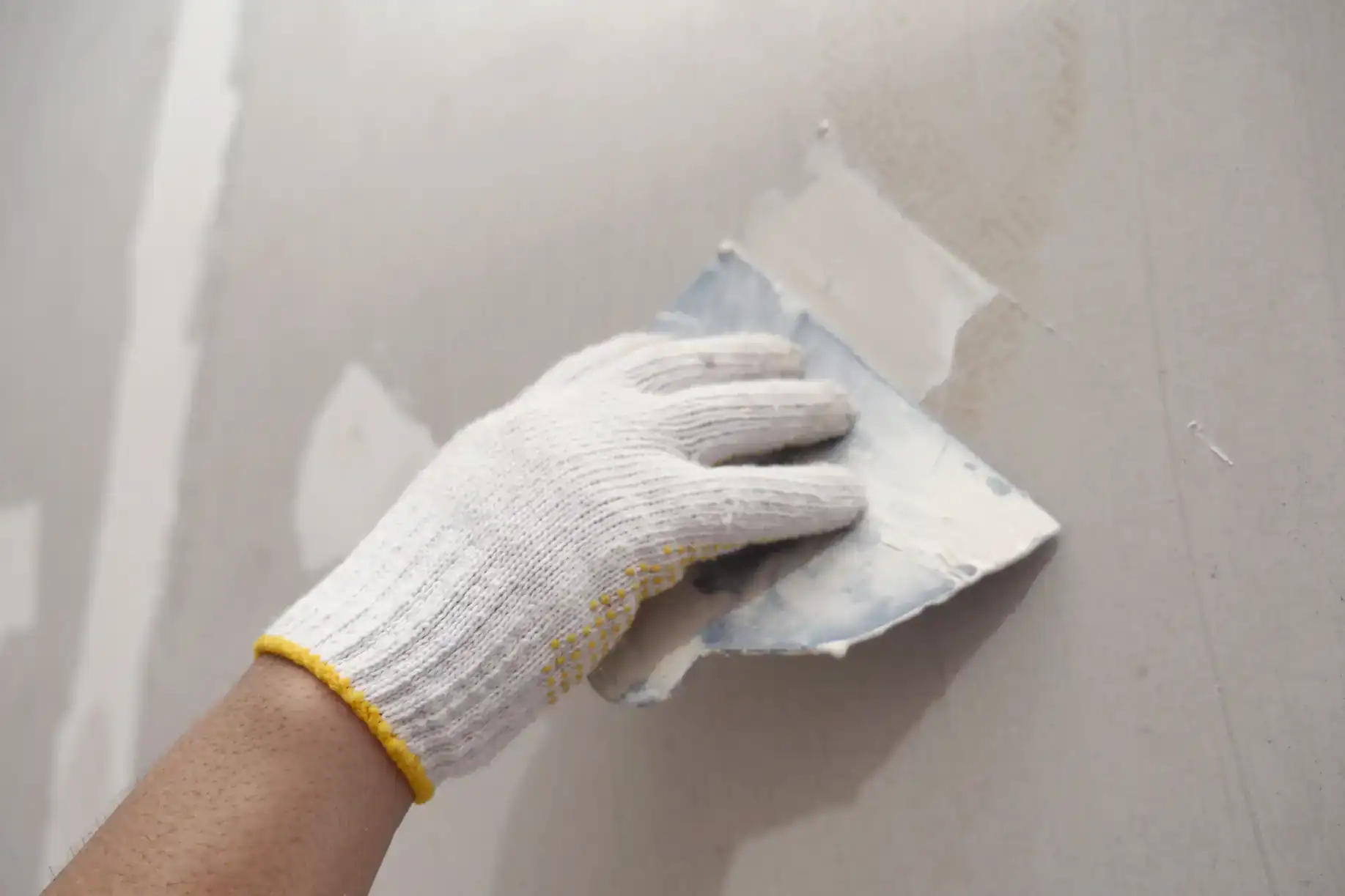
First, we assess the damage. Not every hole needs the same fix, and we’re not going to upsell you on work you don’t need. Small patches under 6 inches usually run $150 to $400. Larger repairs or water damage that’s spread across multiple areas will cost more—typically $400 to $800 depending on square footage and complexity.
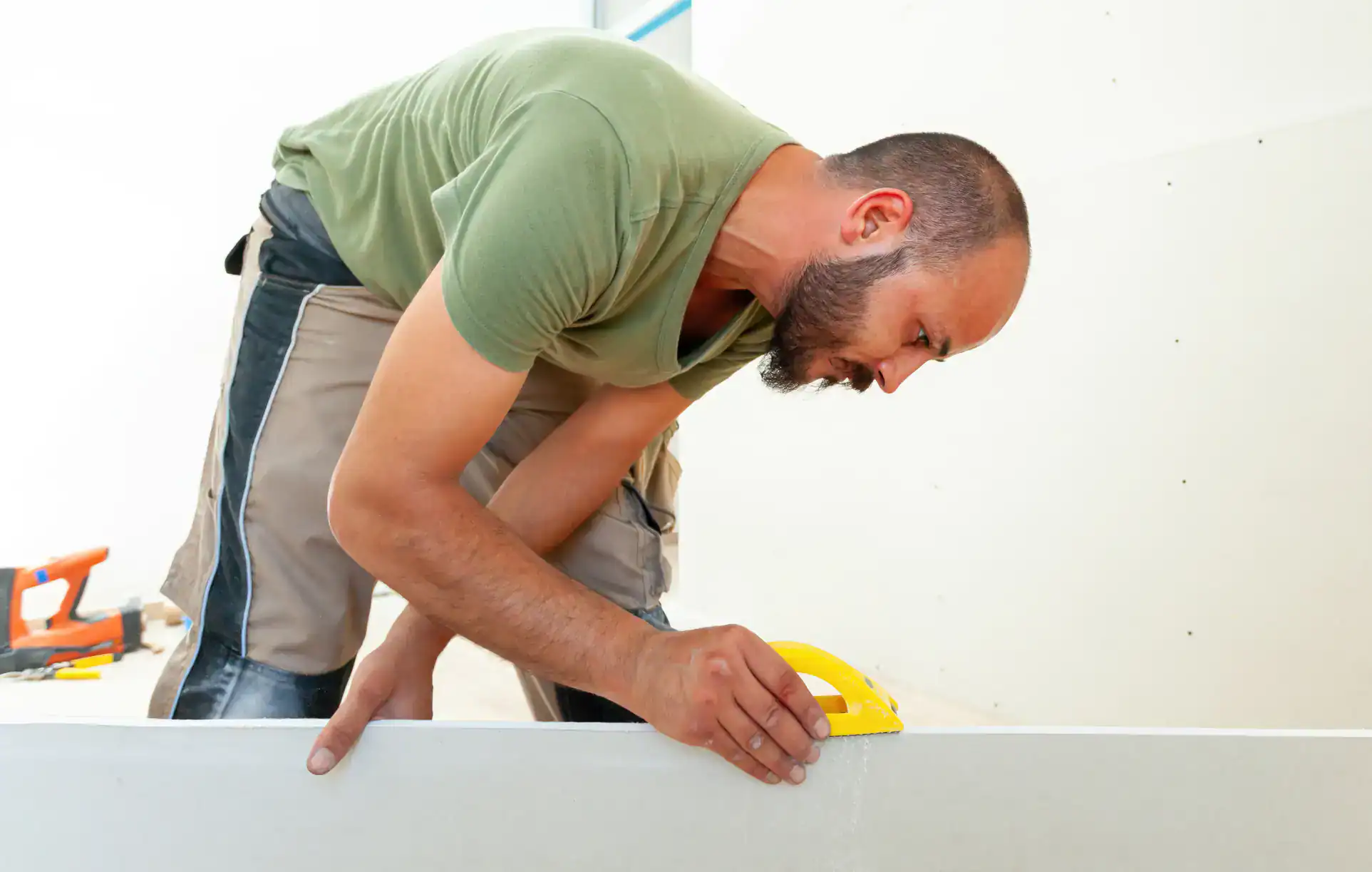
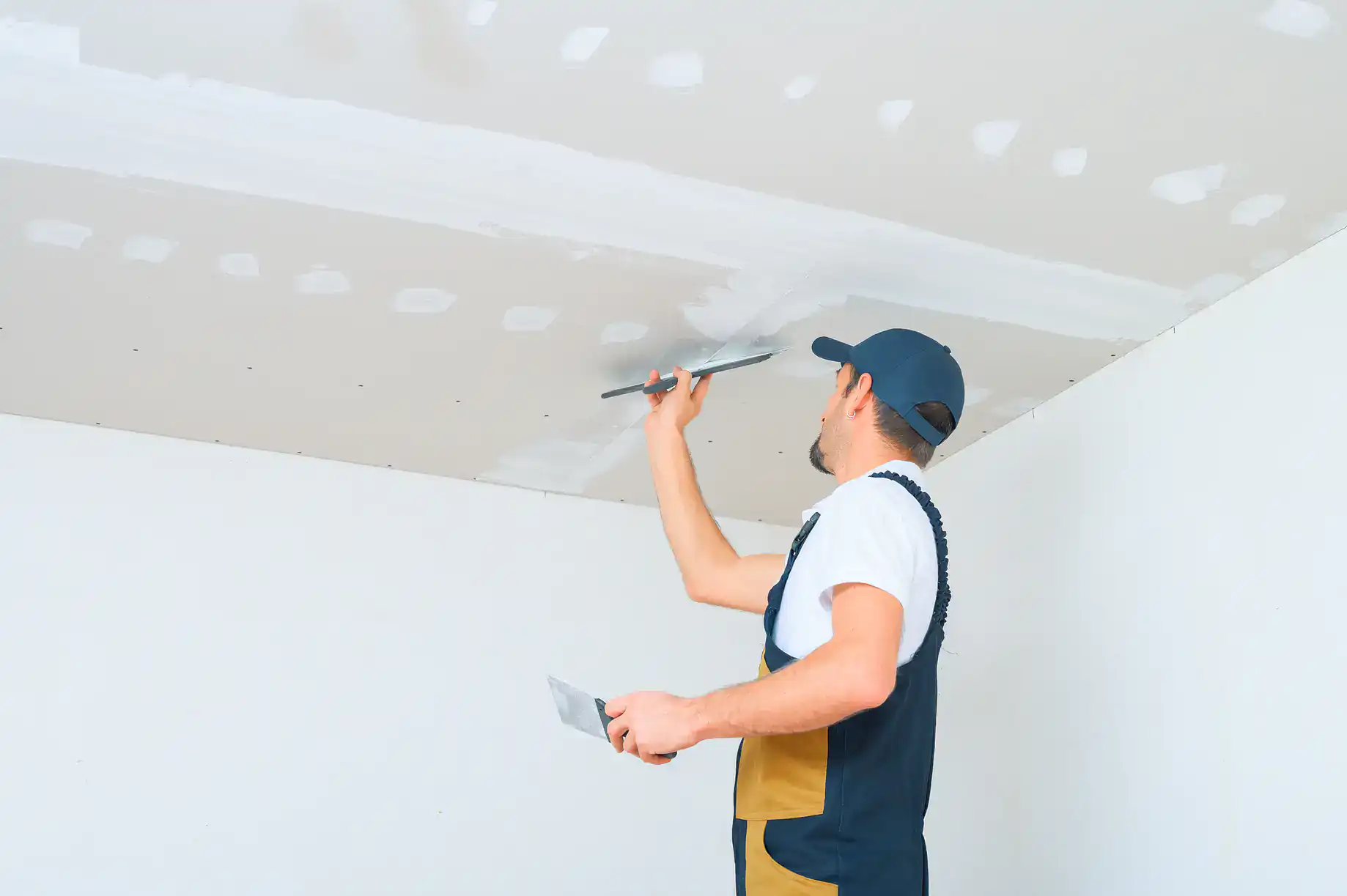
Once we’ve agreed on scope and price, we prep the area. That means covering your floors, containing dust, and cutting away any damaged material cleanly. Then we install the patch, tape and mud the seams, and let it dry. Depending on the size, this might take a few hours or require a second visit for sanding and final coats.
The last step is texture matching. This is where most contractors fall short, but it’s also what makes the repair invisible. We match your existing wall texture—whether it’s smooth, knockdown, orange peel, or something custom—so the patch disappears completely. Then we clean up, haul away debris, and leave your home the way we found it. Just with better walls.
Ready to get started?
Every repair includes the patch itself, all materials, taping, mudding, sanding, and texture matching. We also handle prep and cleanup—floors get covered, dust gets contained, and debris gets hauled away. You’re not left with a mess or half-finished work.
In Hunting Park specifically, we see a lot of water damage from aging brick foundations, leaking pipes, and humidity issues common in older Philadelphia homes. When water’s involved, we don’t just patch over it. We check for mold, use mold-resistant drywall when needed, and make sure the underlying issue won’t come back to haunt you in six months.
We also deal with the quirks of historic homes regularly. Walls that aren’t perfectly square. Multiple layers of paint and plaster from decades of renovations. Textures that haven’t been used since the 1960s. These aren’t problems for us—they’re just part of working in a neighborhood where most homes were built 80 to 100 years ago. You need someone who knows how to work with that, not against it.
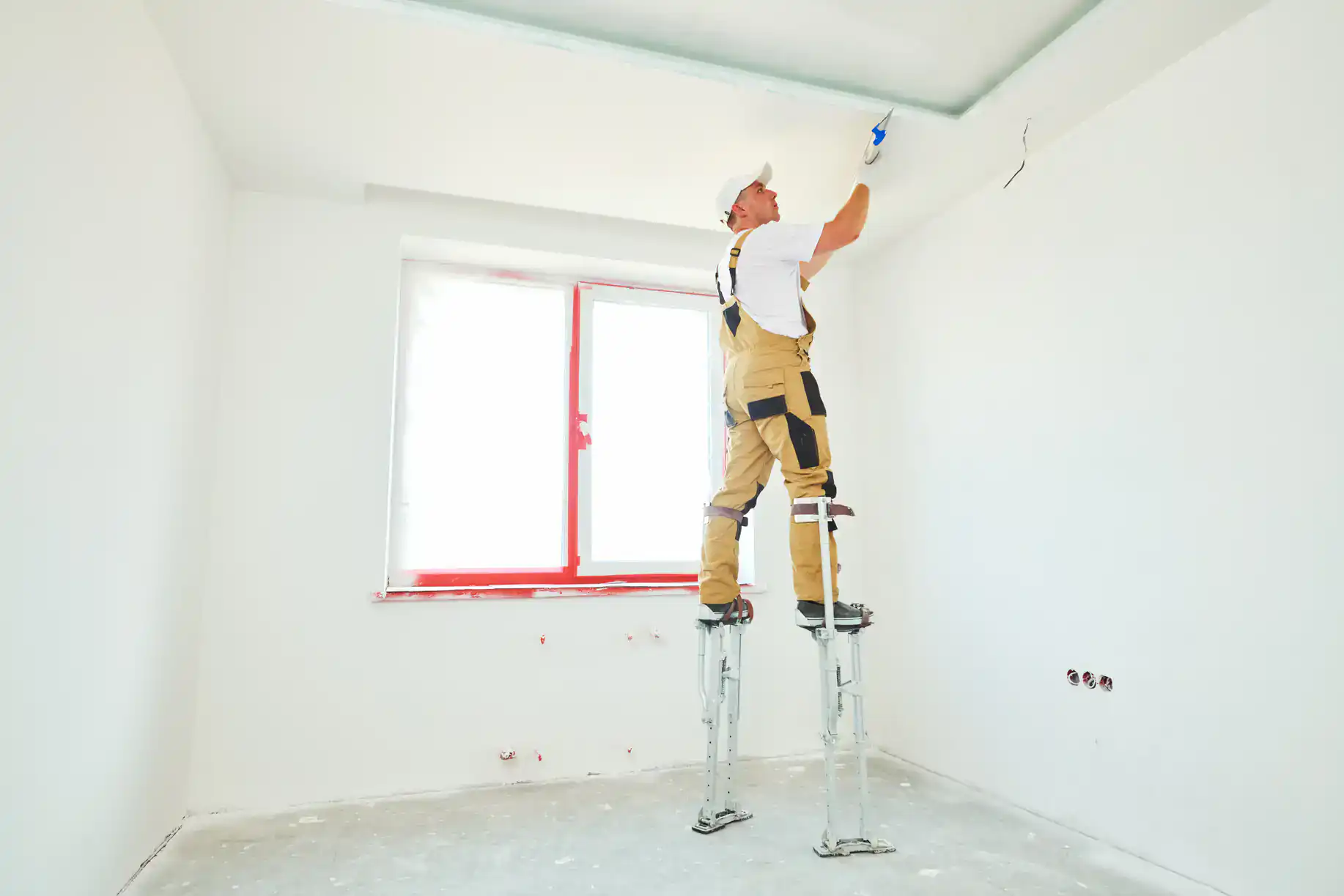
Most homeowners in Hunting Park spend between $150 and $800 on drywall repair, with the average job running around $500. Small patches—anything under 6 inches—usually fall on the lower end, between $150 and $400. Larger repairs, ceiling work, or water damage that’s affected multiple areas will push you toward the higher end.
The cost to repair drywall depends on a few factors: the size of the damage, how many areas need fixing, whether there’s water damage or mold involved, and how complex the texture matching is. If you’ve got a straightforward hole in a flat wall, it’s quick and affordable. If you’ve got water stains across a textured ceiling in a 100-year-old rowhome, it takes more time and skill.
We give you a fixed quote upfront. No surprises, no hourly rates that spiral out of control. You’ll know exactly what you’re paying before we start.
Most drywall repairs in Hunting Park get done in a single visit, usually within a few hours. Small patches can be completed, textured, and cleaned up in two to three hours. Larger jobs or repairs that need multiple coats of mud might require a second visit for sanding and final texture work.
Drying time is the main factor. Joint compound needs time to cure between coats, and we’re not going to rush that just to say we’re done. If it’s a simple patch, we can often finish it same-day. If it’s a bigger repair or involves water damage, we’ll let you know upfront that it’ll take two visits.
The goal is to get it done right, not fast. But in most cases, “right” also means “quick”—because we’ve done this enough times to know exactly how long each step takes and how to keep the process moving without cutting corners.
Yes. Texture matching is one of the most important parts of drywall repair, and it’s where most contractors fall short. We’ve worked on enough Philadelphia homes to recognize and replicate just about any texture—knockdown, orange peel, skip trowel, smooth finish, or the custom textures you find in older Hunting Park rowhomes.
Matching texture isn’t just about slapping some mud on the wall and hoping it looks close. It’s about using the right tools, the right consistency of compound, and the right technique to replicate what’s already there. We bring samples, test the pattern, and don’t move forward until it’s dialed in.
If your walls have a unique or older texture style, we’ll take extra time to get it right. The whole point of a good repair is that you shouldn’t be able to tell where the damage was. If the texture doesn’t match, the repair sticks out—and that defeats the purpose.
Yes. Water damage is one of the most common reasons homeowners in Hunting Park need drywall repair. Aging brick foundations, leaking pipes, and humidity issues are all part of life in older Philadelphia homes, and they take a toll on your walls and ceilings.
When water’s involved, we don’t just patch over the damage. We assess the extent of it first—checking for mold, soft spots, and any structural issues that need addressing before we repair the surface. If mold is present, we’ll let you know and recommend next steps. For repairs, we use mold-resistant drywall in areas prone to moisture, like basements and bathrooms.
We also make sure the source of the water damage is handled before we close things up. There’s no point in doing a beautiful repair if the same leak is going to ruin it in three months. If the underlying issue isn’t fixed yet, we’ll tell you that upfront—and we’re happy to coordinate with plumbers or other trades to make sure everything gets handled in the right order.
Older homes in Hunting Park—many built before 1940—come with challenges you don’t see in newer construction. You’re often dealing with plaster walls instead of drywall, which means different materials, different techniques, and a lot more care during repairs. Plaster doesn’t behave like drywall. It’s harder, more brittle, and it cracks differently.
Many of these homes also have multiple layers of paint, calcimine, or wallpaper from decades of renovations. That affects how well new materials adhere and how we prep the surface. Walls might not be perfectly square or level, which means patches need to be custom-fit rather than cut to standard sizes.
We’ve worked on enough historic Philadelphia homes to know what we’re walking into. We bring the right tools and materials for older construction, and we don’t try to force modern shortcuts onto homes that need a more thoughtful approach. If your home was built 80 or 100 years ago, you need someone who knows how to work with that—not someone who’s only done cookie-cutter repairs in new developments.
Yes. Cleanup is included in every job, and we don’t leave until your home is back to the way we found it—just with better walls. That means all debris gets hauled away, floors get swept or vacuumed, and dust gets wiped down from any surfaces it settled on.
We also cover your floors and furniture before we start, so there’s less mess to clean up in the first place. Drywall work creates dust, but we contain it as much as possible using drop cloths, plastic sheeting, and careful sanding techniques.
You shouldn’t have to spend your afternoon cleaning up after us. When we’re done, you should be able to walk back into the room and get on with your day. No piles of scrap drywall, no dust everywhere, no half-cleaned workspace. We handle it all.
Other Services we provide in Hunting Park