
The average cost for drywall repair in Haddington, PA runs between $300 and $600 for typical jobs—holes from doorknobs, cracks from settling, water stains on ceilings. That includes labor, materials, sanding, and cleanup. Not just a patch job that shows through your paint six months later.
You’re looking at walls that match the texture of the rest of your room. Seams you can’t find even when the light hits them at an angle. Repairs that hold up in homes built in the 1940s, where foundations shift and plaster doesn’t always play nice with modern drywall.
If you’ve got water damage, the clock’s already running. Drywall that stays wet grows mold, warps the studs behind it, and turns a $400 fix into a $2,000 problem. Speed matters, but so does doing it right the first time so you’re not calling someone else to redo it next year.
We work throughout Philadelphia, including right here in Haddington where rowhouses come with their own set of challenges. Porous brick foundations that pull groundwater into basement walls. Plaster over lath that cracks when the house settles. Ceilings that show every imperfection if you don’t know how to feather a joint.
We’re not the cheapest option, and that’s intentional. You’re paying for crews who understand how old homes move, materials that resist mold in high-humidity basements, and repairs that don’t announce themselves every time someone walks past.
Most of our work comes from referrals—homeowners who got burned by contractors who left halfway through, or DIY attempts that looked worse than the original damage. We finish what we start, clean up completely, and don’t leave until you’d let guests see the room.
First, we assess the damage. Not just the hole you can see, but what’s happening behind it—water stains mean we’re checking for active leaks, large cracks mean we’re looking at the framing. You get a clear price before we touch anything.
Then we prep the area. Drop cloths go down, furniture gets moved or covered, and we contain the dust as much as physically possible. For smaller repairs, we cut out the damaged section and fit a new piece. For larger areas, we might sister in new studs or blocking for support.
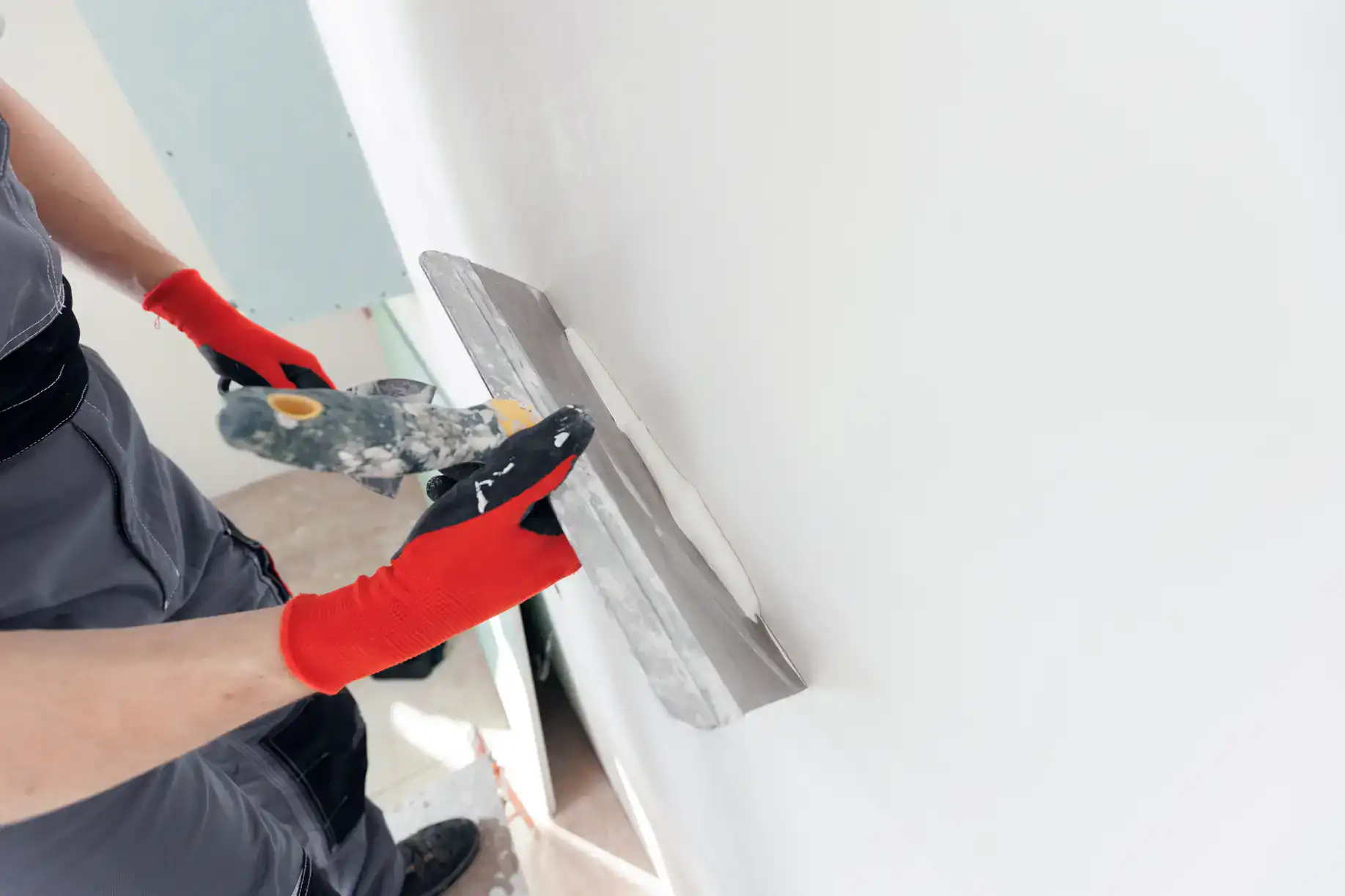
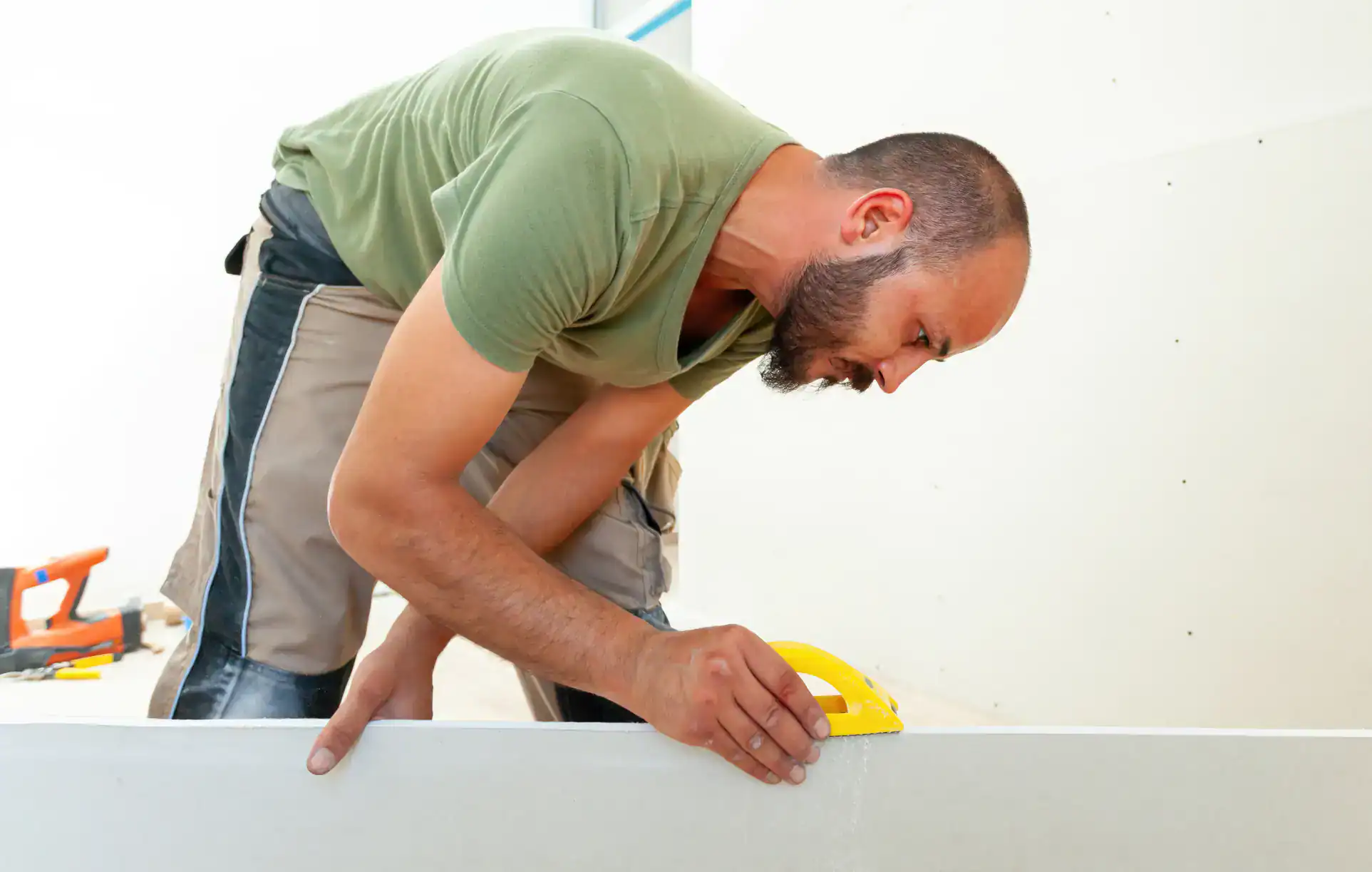
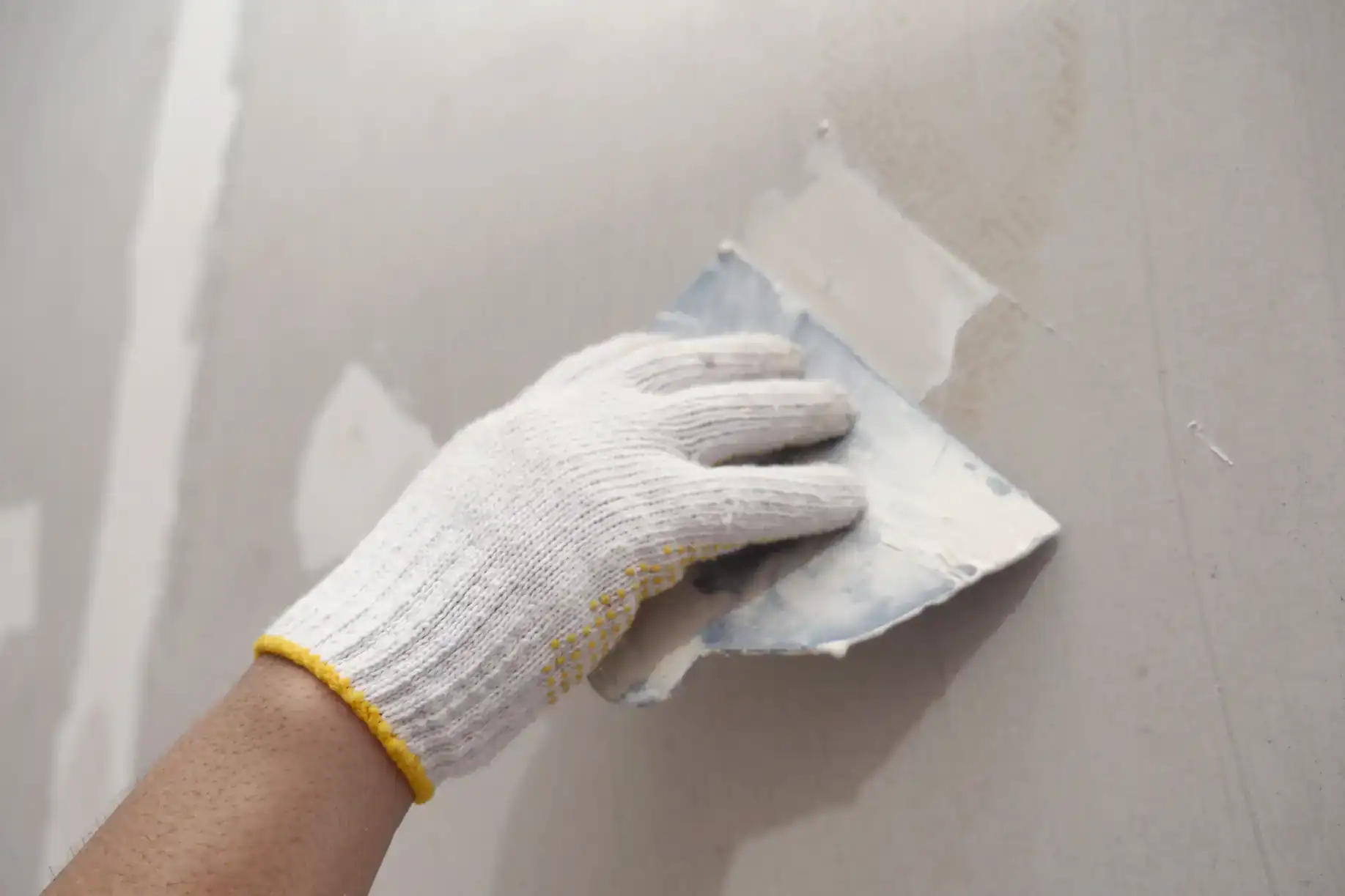
Next comes the mudding process—usually two to three coats depending on the damage, with sanding between each layer. This is where experience shows up. Amateurs leave ridges. We feather edges until they disappear into the existing wall.
Finally, we texture-match and prime the repair. If your walls have knockdown texture or an orange peel finish, we replicate it so the patch blends completely. The space gets cleaned, debris gets hauled, and you’re left with a wall that’s ready for paint. Most jobs wrap in one day unless we’re dealing with extensive water damage that needs extra dry time between coats.
Ready to get started?
You get a full damage assessment that looks beyond the surface. In Haddington’s older homes—many built in the 1940s with brick foundations that wick moisture—what looks like a simple crack might signal a bigger issue. We check for water damage, structural movement, and mold before we start cutting.
Materials matter more than most people realize. We use mold-resistant drywall in basements and bathrooms, premium joint compound that doesn’t shrink or crack, and proper backing for patches that need to support weight. Handyman drywall repair cost might run cheaper, but you’ll pay twice when those repairs fail.
The work includes complete texture matching. Philadelphia rowhouses have everything from smooth plaster to heavy knockdown finishes. We carry the tools to replicate whatever’s on your walls so repairs don’t stick out like a sore thumb.
Cleanup is part of the service, not an extra. Drywall dust gets everywhere if you’re not careful—it’ll coat your floors, settle in your vents, and show up on your furniture for weeks. We contain it, vacuum it, and haul away all debris when we’re done. You shouldn’t have to spend your weekend cleaning up after contractors.
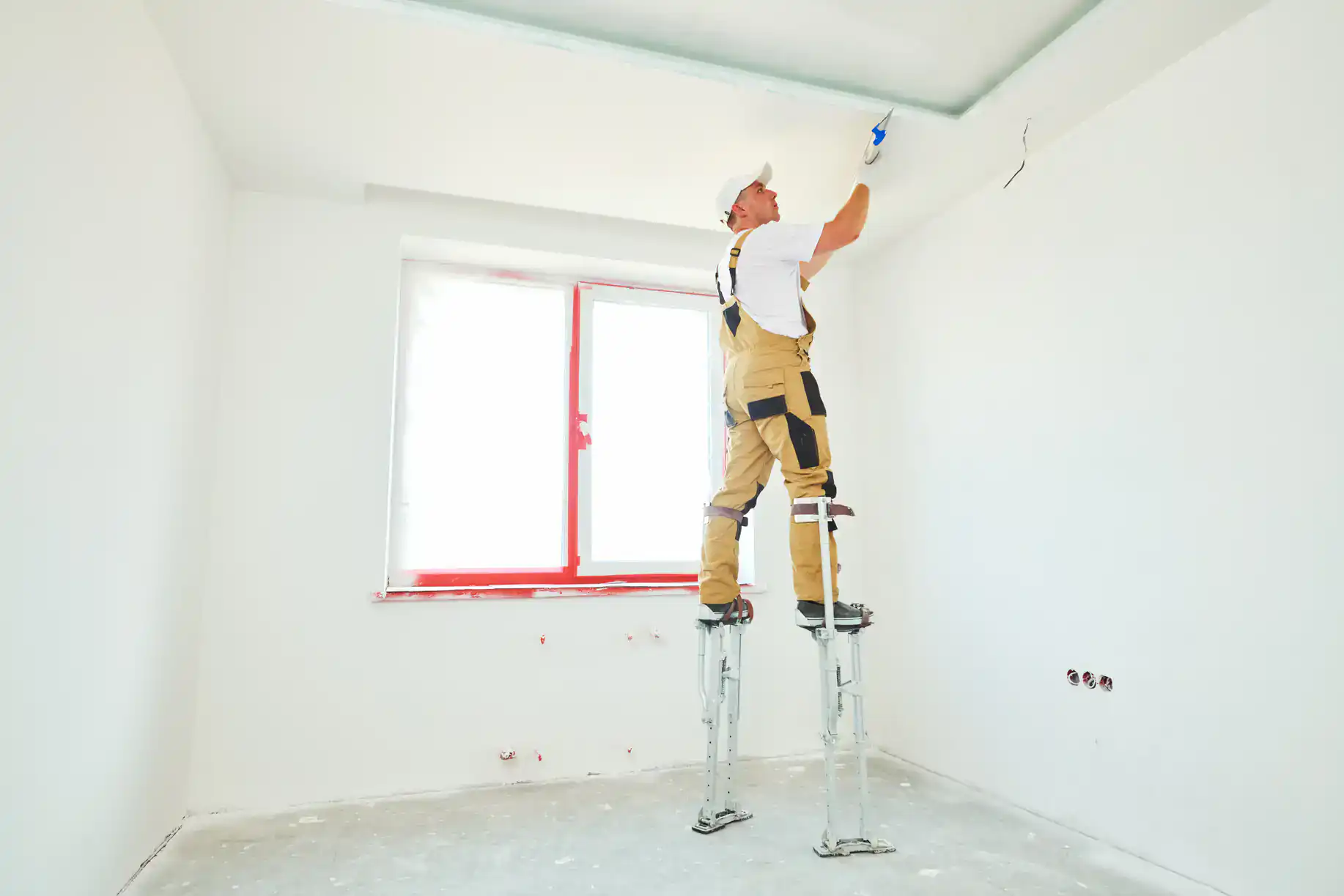
Most homeowners in Haddington spend between $300 and $600 for typical drywall repairs—fixing holes smaller than a foot wide, patching ceiling cracks, or repairing minor water damage. That price covers labor, materials, joint compound, sanding, texture matching, and cleanup.
Smaller jobs might run around $150 to $250, but you’re still paying for a professional to drive out, set up, apply multiple coats with dry time in between, and clean up afterward. Larger repairs—like replacing full sheets after water damage or fixing extensive ceiling damage—can push into the $800 to $1,200 range depending on square footage and complexity.
Water damage changes the equation. If drywall’s been wet for more than 48 hours, you’re likely dealing with mold remediation on top of the repair itself. In Haddington’s older homes with porous brick foundations, basement water damage is common and needs mold-resistant materials to prevent recurring problems. That adds to material costs but saves you from doing the same repair twice.
Yes, but it takes the right tools and experience with historic Philadelphia homes. Many Haddington rowhouses have original plaster over lath with textures you can’t replicate using standard drywall techniques. Some have smooth trowel finishes, others have knockdown or orange peel textures applied decades ago.
We carry texture guns, trowels, and specialty brushes specifically for matching older finishes. The process involves applying joint compound in thin layers, then manipulating it to match the surrounding wall’s pattern. Sometimes that means stippling with a brush, sometimes it’s knocking down peaks with a trowel, and sometimes it’s leaving it smooth and sanding it flush.
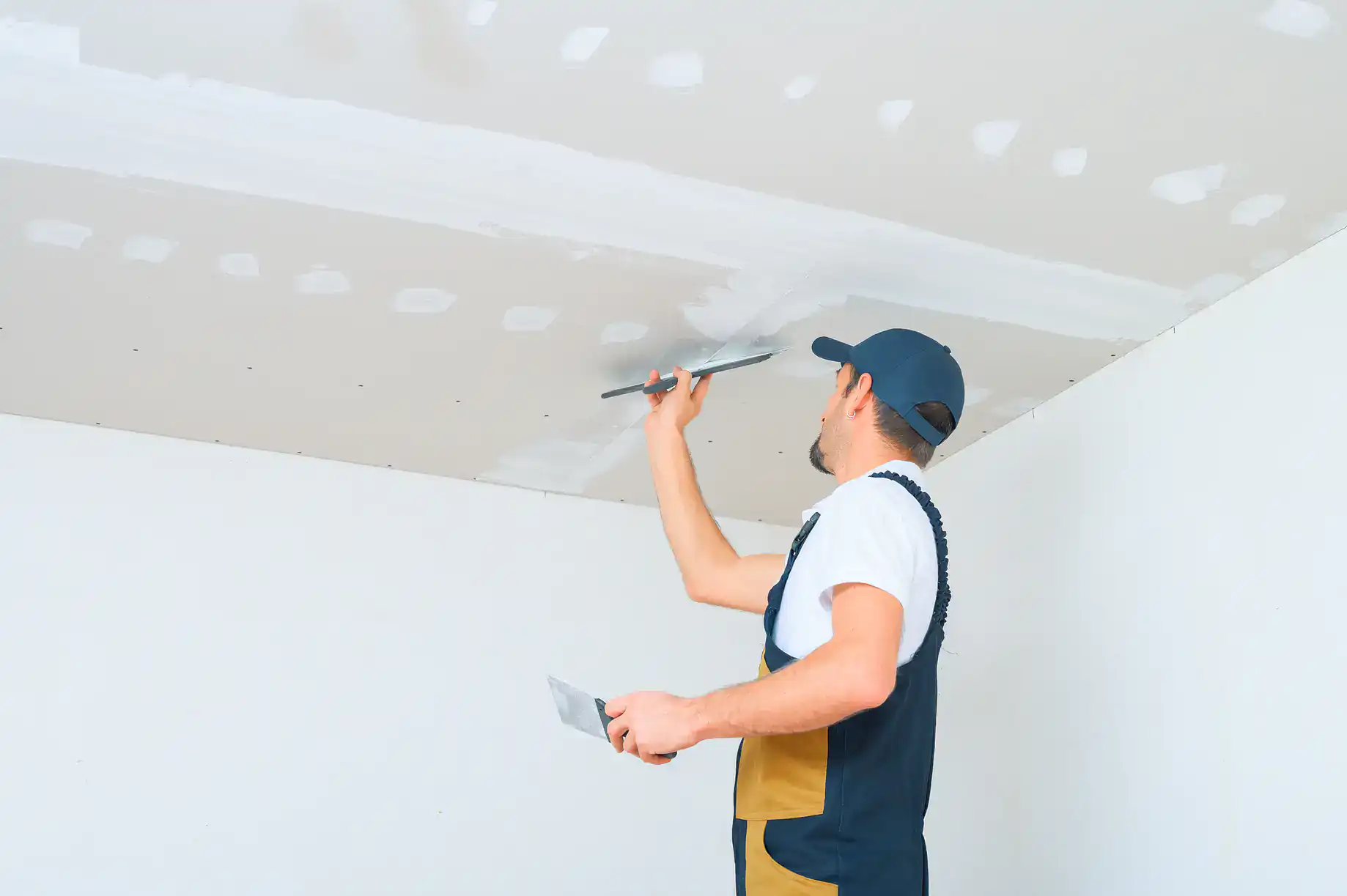
The key is feathering the edges so there’s no visible line where the repair meets the original wall. Poor texture matching is the number one giveaway of amateur work—you’ll see the patch every time light hits the wall at an angle. Done correctly, even you won’t remember where the damage was after we paint and prime the repair.
Most repairs finish in four to six hours, which means we’re in and out the same day. Small holes or cracks might only take two to three hours including dry time between coats. Larger jobs—like replacing full ceiling sections after a roof leak—might stretch into a full day or require a second visit if we need extended drying time.
The timeline depends on how many coats of joint compound the repair needs. Minor patches usually need two coats. Larger repairs or areas where we’re blending into textured walls might need three coats with sanding between each layer. Each coat needs 45 minutes to an hour to dry enough for sanding, which is why we often work on multiple areas simultaneously to stay efficient.
Water damage adds time because we need to verify everything’s dry before we close it up. Sealing moisture inside a wall creates mold problems that cost thousands to remediate later. If we’re replacing drywall after a leak, we’ll check moisture levels with a meter and might run a dehumidifier overnight before finishing the repair. Better to add a day than to trap a problem inside your walls.
Water tops the list. Haddington’s housing stock was largely built in the 1940s, and many rowhouses sit on porous brick foundations that draw groundwater into basement walls. Add in aging plumbing, old roofs, and the occasional burst pipe during Philadelphia winters, and you’ve got constant moisture threats. Drywall that gets wet needs replacement within 48 hours or you’re looking at mold growth.
Settling and structural movement cause cracks, especially around door frames and in corners where walls meet ceilings. Old homes shift as foundations settle and wood framing expands and contracts with humidity changes. These cracks aren’t always structural problems, but they need proper repair or they’ll keep coming back.
Impact damage is straightforward—doorknobs through walls, furniture bumps, kids being kids. These are easy fixes if you catch them before water gets in or the hole grows. Then there’s poor previous repairs. We see a lot of DIY patches that failed because someone didn’t use backing, didn’t feather the edges, or tried to paint over joint compound that wasn’t fully dry. Those need to be cut out and redone properly.
Yes, and we see it constantly in Haddington’s older rowhomes. Basements here are particularly vulnerable because of those porous brick foundations—they act like a sponge during heavy rain. Regular drywall in high-humidity basements is a recipe for failure. The paper backing absorbs moisture, seams swell, and mold starts growing behind the walls where you can’t see it.
We use mold-resistant drywall (purple board or green board) in all basement applications. It costs slightly more than standard drywall but it’s designed to resist moisture and prevent mold growth. We also check for active water intrusion before we close anything up—there’s no point repairing drywall if water’s still coming through the foundation.
If there’s existing mold, that gets remediated before any drywall goes up. Small areas we can handle as part of the repair. Extensive mold growth needs a specialist, and we’ll tell you that upfront rather than covering up a health hazard. Once the space is dry and treated, we install the moisture-resistant drywall, seal all seams properly, and use mold-resistant joint compound. The goal is a repair that lasts years, not months.
Depends on the scope and your expectations. For a single small hole in a low-visibility area, a handyman might charge less—maybe $150 to $200. But handyman drywall repair cost savings disappear quickly if the work needs to be redone, doesn’t match your wall texture, or fails within a year because they used subpar materials.
We bring specialized tools, better materials, and experience with complex repairs that handymen typically don’t handle. We’re talking about texture matching on historic plaster, repairing large ceiling sections without visible seams, addressing water damage with proper moisture barriers, and working in older homes where nothing’s square or level. Those jobs need someone who does drywall full-time, not as one service among twenty others.
You’ll also see the difference in the finish quality. Drywall work is one of those trades where experience shows immediately—amateurs leave visible seams, uneven texture, and patches that telegraph through paint. We feather edges until they disappear and match textures so precisely you can’t find the repair afterward. If the room’s visible to guests or you’re planning to sell soon, the quality difference is worth the cost difference. If it’s a garage wall that nobody sees, a handyman might be fine.
Other Services we provide in Haddington