You’re staring at that hole or crack every single day. It’s not getting better on its own, and the longer you wait, the more you notice it.
Here’s what changes after we patch it: the wall looks whole again. No visible lines. No texture mismatch. No reminder that anything was ever wrong.
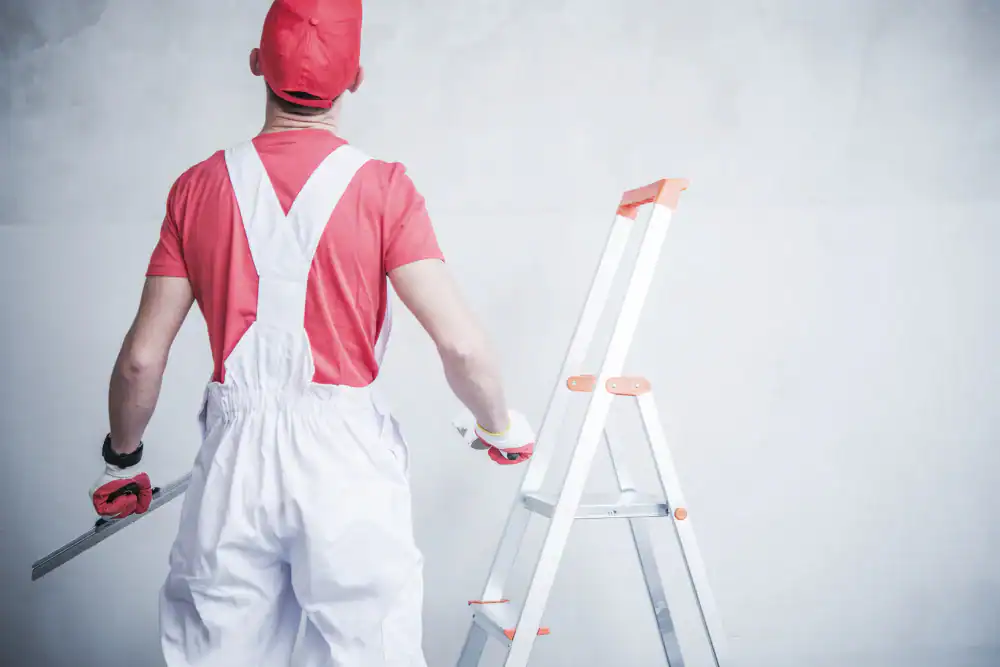
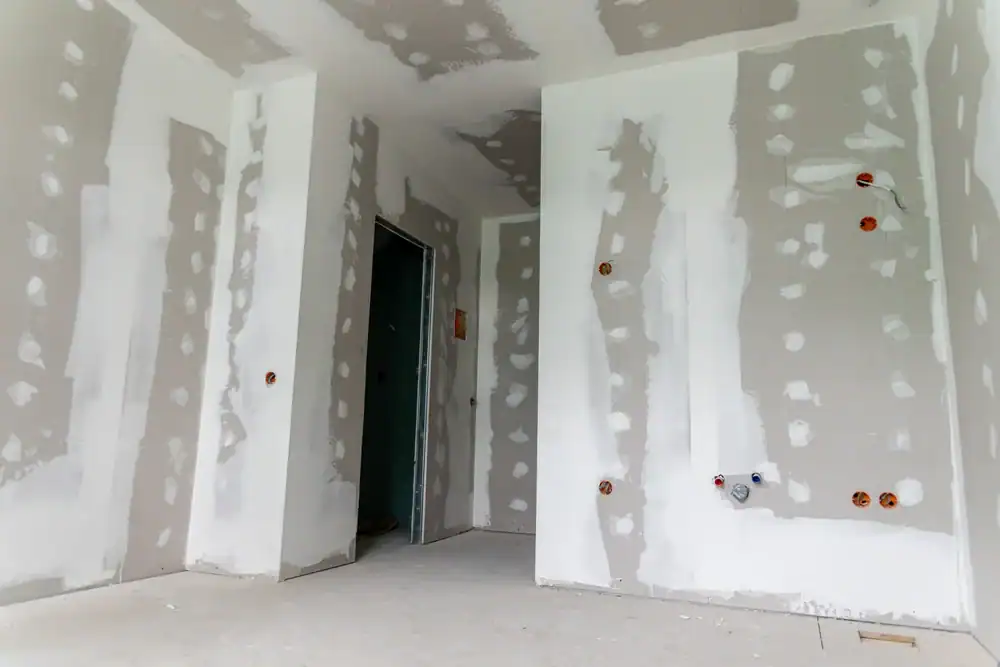
Most drywall patching in Haddington, PA gets finished the same day we start. You’re not living around construction for a week. We show up, assess the damage, apply the joint compound, feather the edges so there’s no ridge, match your texture exactly, and clean up completely before we leave.
The repair blends into the rest of your wall because we’re not rushing through it. We let each coat dry properly, sand it smooth, and make sure the finishing work matches what’s already there. When we prime and paint, the color sits evenly across the entire surface.
You get your space back without the constant visual reminder that something needed fixing.
We handle drywall patching in Haddington, PA for homeowners who’ve dealt with unreliable contractors before. We started this company because too many people were getting burned by guys who left messes, missed deadlines, or delivered work that looked worse than the original damage.
Haddington’s housing stock is old. Most homes here were built in the 1940s and 1950s, which means you’re dealing with plaster mixed with drywall, outdated plumbing that leaks, and foundation shifts that cause cracks. We’ve repaired hundreds of walls in rowhouses just like yours.
We’re licensed and insured, and we treat your home the same way we’d treat our own. That means proper materials, clean work, and respect for your time.
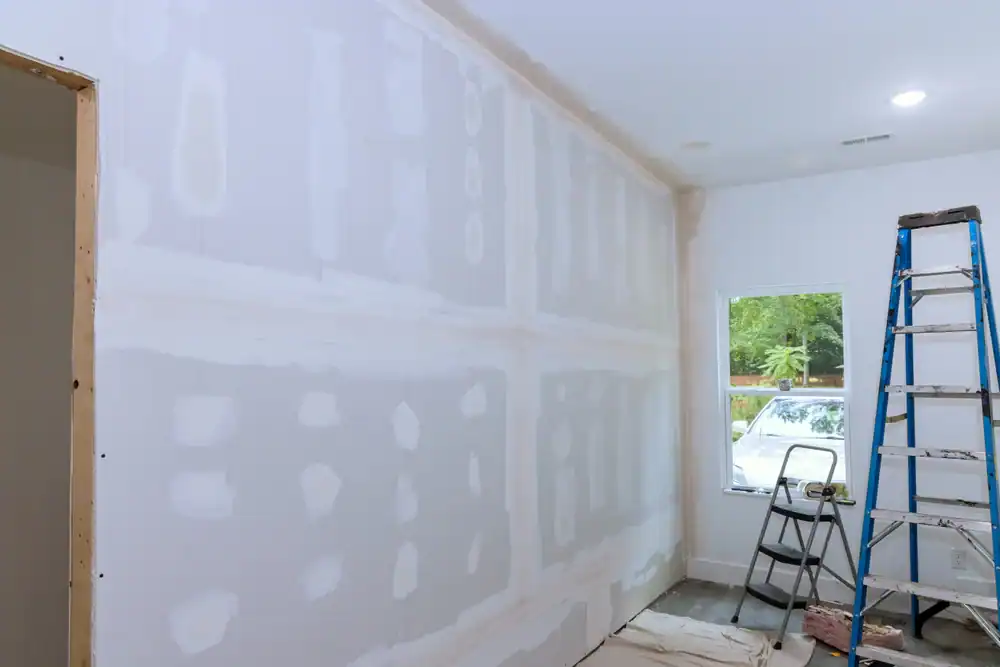
First, we assess the damage. If it’s a small hole, we cut it into a clean square or rectangle so the patch sits flush. For cracks, we open them slightly to make sure the joint compound fills the entire gap.
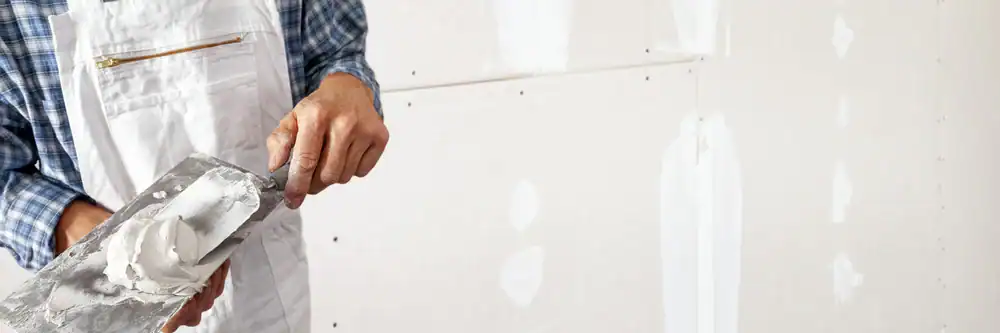
Next comes the first coat. We apply drywall mud directly into the damaged area, slightly overfilling it because the compound shrinks as it dries. Then we feather the edges outward so there’s no hard line where the repair meets the existing wall.
After the first coat dries completely, we sand it smooth and apply a second coat if needed. Dry time matters here—rushing this step is why most DIY repairs look lumpy. We wait until the compound is fully cured before moving forward.
Once the surface is smooth, we match your texture. Whether it’s knockdown, orange peel, or smooth, we recreate the pattern so the repaired section blends invisibly with the rest of the wall.
Finally, we prime and paint. The primer seals the new drywall mud so the paint absorbs evenly. After painting, you shouldn’t be able to tell where the repair happened.
We clean up completely before we leave. No dust, no debris, no mess left behind.
Ready to get started?
Every drywall patching job in Haddington, PA includes damage assessment, proper prep work, joint compound application, texture matching, finishing, and complete cleanup. You’re not paying extra for any of that.
We use mold-resistant drywall and premium joint compound, which matters in older Haddington homes where moisture issues are common. Basements near Cobbs Creek see water damage regularly, and standard drywall won’t hold up in those conditions.
Texture matching is where most contractors fail. We carry the tools to recreate knockdown, skip trowel, orange peel, and smooth finishes. If your walls have a specific pattern, we replicate it exactly so the patch disappears into the surrounding surface.
The finishing work includes sanding between coats, priming the repaired area, and painting with a color-matched finish. We don’t leave you with a white patch on a colored wall.
Cleanup is part of the service, not an afterthought. We contain dust with plastic sheeting, vacuum thoroughly, and remove all debris. Your home looks cleaner after we leave than when we arrived.
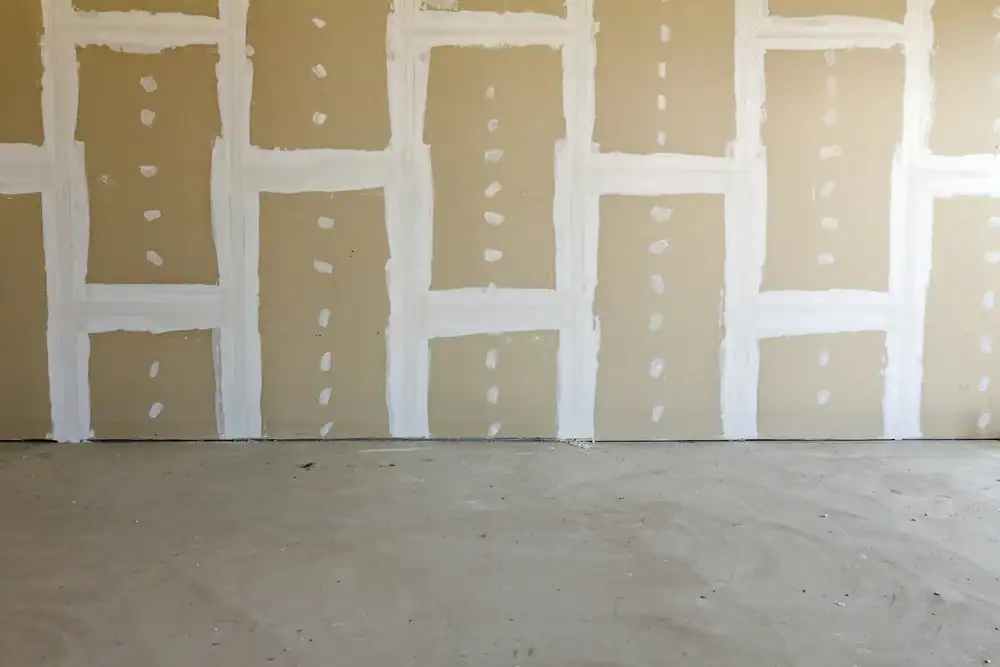
Most drywall patching in Haddington, PA gets completed in one day, but the timeline depends on the size of the damage and how many coats of joint compound the repair needs.
Small holes under six inches usually take four to six hours total, including dry time between coats. Larger repairs or multiple damaged areas might stretch into a second day, but that’s only if we need extra coats to get the surface perfectly smooth.
Dry time is the main factor. Each coat of drywall mud needs to cure completely before we can sand and apply the next layer. Rushing this step causes cracking and uneven surfaces, which is why some repairs fail within months. We don’t skip the waiting period just to finish faster.
If your repair involves water damage, we assess whether the drywall needs replacement or if patching will hold. Water-damaged drywall that’s been wet for more than 48 hours usually needs to be cut out and replaced to prevent mold growth.
Yes. Texture matching is one of the most important parts of drywall patching in Haddington, PA, and it’s where most DIY repairs fall apart.
We replicate knockdown, orange peel, skip trowel, and smooth finishes using the same tools and techniques that created the original texture. After applying the joint compound and letting it dry, we recreate the pattern across the patched area so it blends seamlessly with the rest of the wall.
The key is understanding how much texture to apply and when to apply it. Knockdown texture, for example, needs to be sprayed on and then lightly flattened with a trowel at the right moment. Too early and it smears. Too late and it doesn’t flatten. Orange peel requires a specific spray pressure and distance from the wall.
If your home was built in the 1940s or 1950s, like most houses in Haddington, you might have plaster walls with a hand-troweled finish. We can match that too, though it takes more time because the texture was applied by hand originally.
Drywall cracks in older Haddington homes usually come from foundation settling, temperature changes, or water damage.
Most homes in Haddington were built between 1944 and 1950, which means the foundation has been shifting for 70+ years. As the house settles, stress concentrates at weak points—usually around doorways, windows, and ceiling corners. That stress cracks the drywall along the seams where panels meet.
Temperature swings make it worse. Philadelphia’s freeze-thaw cycles cause the framing lumber to expand and contract, which pulls on the drywall and opens up cracks along the joints. You’ll notice these cracks widen in winter and shrink slightly in summer.
Water damage is the other major cause. Leaking pipes, roof leaks, and basement moisture all weaken drywall over time. Once the paper facing gets wet, the gypsum core loses its strength and starts crumbling. If you see brown staining around a crack, water is involved.
Fixing cracks properly means addressing the underlying cause. If it’s foundation movement, we reinforce the joint with mesh tape and flexible joint compound. If it’s water damage, we find the source of the moisture before patching.
Yes. Water damage is one of the most common reasons homeowners in Haddington, PA need drywall patching, and we handle it regularly.
The first step is figuring out whether the drywall can be patched or needs full replacement. If the drywall has been wet for less than 48 hours and there’s no visible mold, we can usually dry it out and patch the damaged section. Anything longer than that, or any sign of mold growth, means the drywall needs to be cut out completely.
We use mold-resistant drywall for all water damage repairs. Standard drywall will just get damaged again if moisture is still present, which is common in Haddington basements near Cobbs Creek. Mold-resistant panels have a fiberglass facing instead of paper, so they don’t absorb water the same way.
After removing the damaged section, we check the framing behind it. If the studs are wet or show signs of rot, those need to dry out before we install the new drywall. Sealing wet framing behind fresh drywall just traps moisture and creates mold problems later.
Once everything is dry, we install the patch, tape and mud the seams, match your texture, and finish it with primer and paint.
Drywall patching in Haddington, PA typically costs between $150 and $400 for small to medium repairs, depending on the size of the damage, how many areas need patching, and whether texture matching is involved.
Small holes under six inches—like doorknob damage or nail pop repairs—usually run $150 to $200. Medium holes between six inches and two feet cost $200 to $300. Larger repairs or multiple damaged areas push the price higher because they require more material, more coats of joint compound, and longer dry time between steps.
Water damage repairs cost more because we often need to cut out and replace entire sections of drywall rather than just patching the surface. If mold is present, that adds remediation work before we can even start the drywall repair.
Texture matching doesn’t usually add much to the cost, but complex hand-troweled finishes take more time to replicate than standard knockdown or orange peel textures.
We give you a fixed price upfront after assessing the damage. That price doesn’t change unless you ask us to repair additional areas we didn’t originally discuss.
Drywall mud and joint compound are the same thing. The terms get used interchangeably, and both refer to the material we use to fill gaps, cover seams, and smooth out repaired areas during drywall patching in Haddington, PA.
Joint compound comes in different types, though, and using the right one matters. All-purpose compound works for most repairs—it’s easy to sand, bonds well, and dries hard enough for a smooth finish. Topping compound is lighter and easier to sand, but it’s not as strong, so we only use it for the final coat. Setting-type compound dries through a chemical reaction instead of evaporation, which makes it dry faster and shrink less, but it’s harder to sand.
For most drywall patching jobs, we use all-purpose compound for the first coat and topping compound for the final finish. If we’re patching a large hole or repairing water damage, we’ll use setting-type compound for the base layer because it’s stronger and less likely to crack as it dries.
The key to a smooth repair is applying thin coats and feathering the edges outward so there’s no visible ridge where the compound meets the existing wall. Thick coats take forever to dry, shrink unevenly, and crack as they cure.
Other Services we provide in Haddington