You’re not looking at cracks six months later. You’re not repainting because someone rushed the mudding or skipped a coat. Your walls look clean, your trim sits flush, and the whole space feels finished—not “good enough.”
That’s what happens when drywall finishing in Northern Liberties, PA is handled by people who know what they’re doing. The taping is tight. The mudding is smooth. The texture matches. And you don’t have to babysit the process or fix it yourself later.
Most people don’t think about drywall until something’s wrong with it. A seam that’s visible. A corner that’s wavy. Nail pops showing through fresh paint. Those aren’t small issues—they’re signs the finishing work was rushed or done without the right technique. You deserve better than that, especially in a neighborhood where details matter and homes are investments.
We’ve been working in Philadelphia for years, and we’ve seen what happens when corners get cut. We’ve also seen what’s possible when you take the time to do it right—tight seams, clean edges, finishes that hold up through humidity, settling, and everyday wear.
Northern Liberties isn’t your average neighborhood. The housing stock here ranges from renovated rowhomes to new construction lofts, and each one has its own quirks. We’ve worked in enough of them to know what to expect—whether it’s older plaster transitions, exposed brick tie-ins, or modern open layouts that demand flawless sightlines.
You’re busy. You’re probably working from home at least part of the week. The last thing you need is a crew that shows up late, leaves a mess, or drags a two-day job into two weeks. We get in, we get it done, and we clean up after ourselves. That’s the standard.
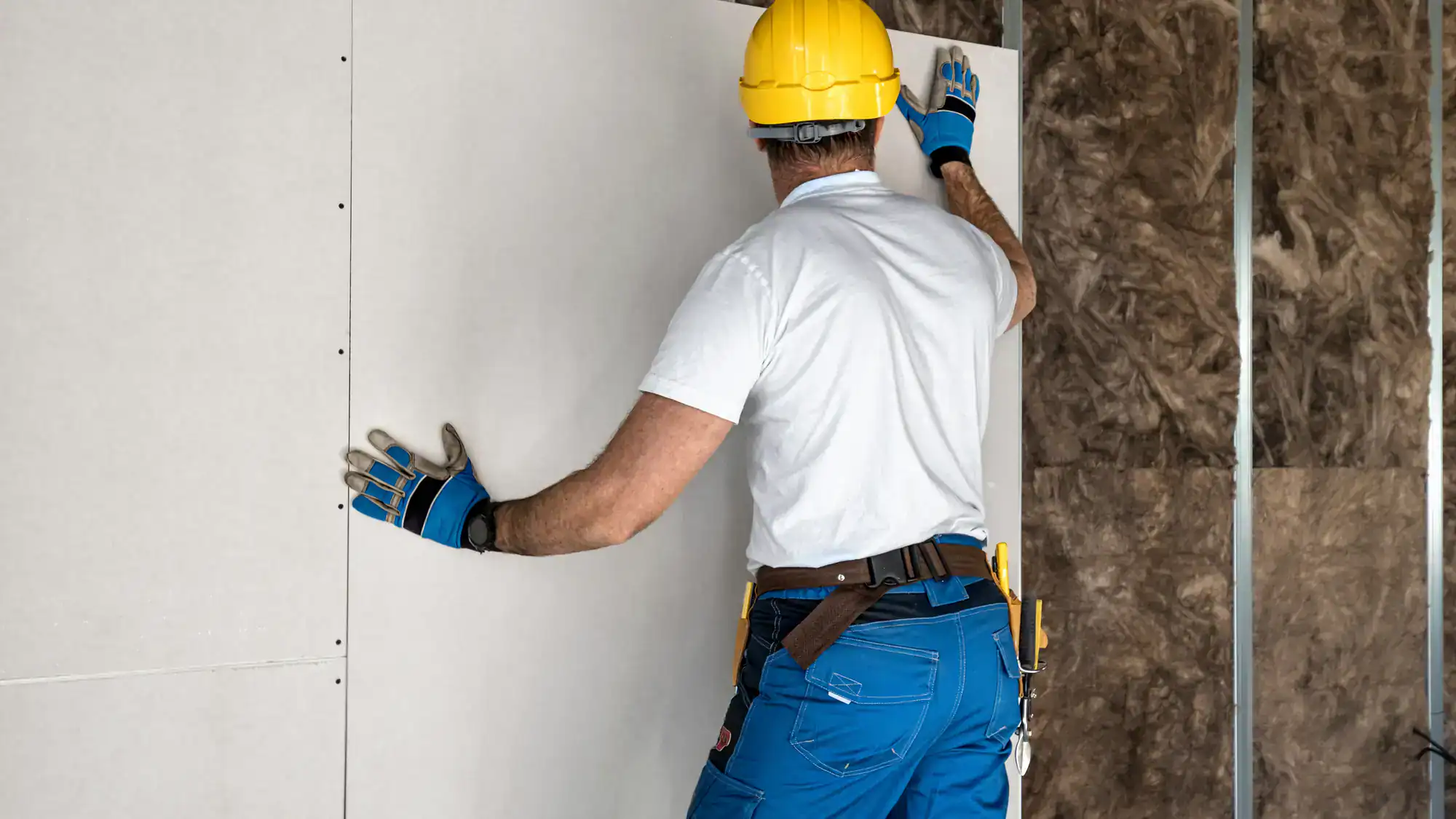
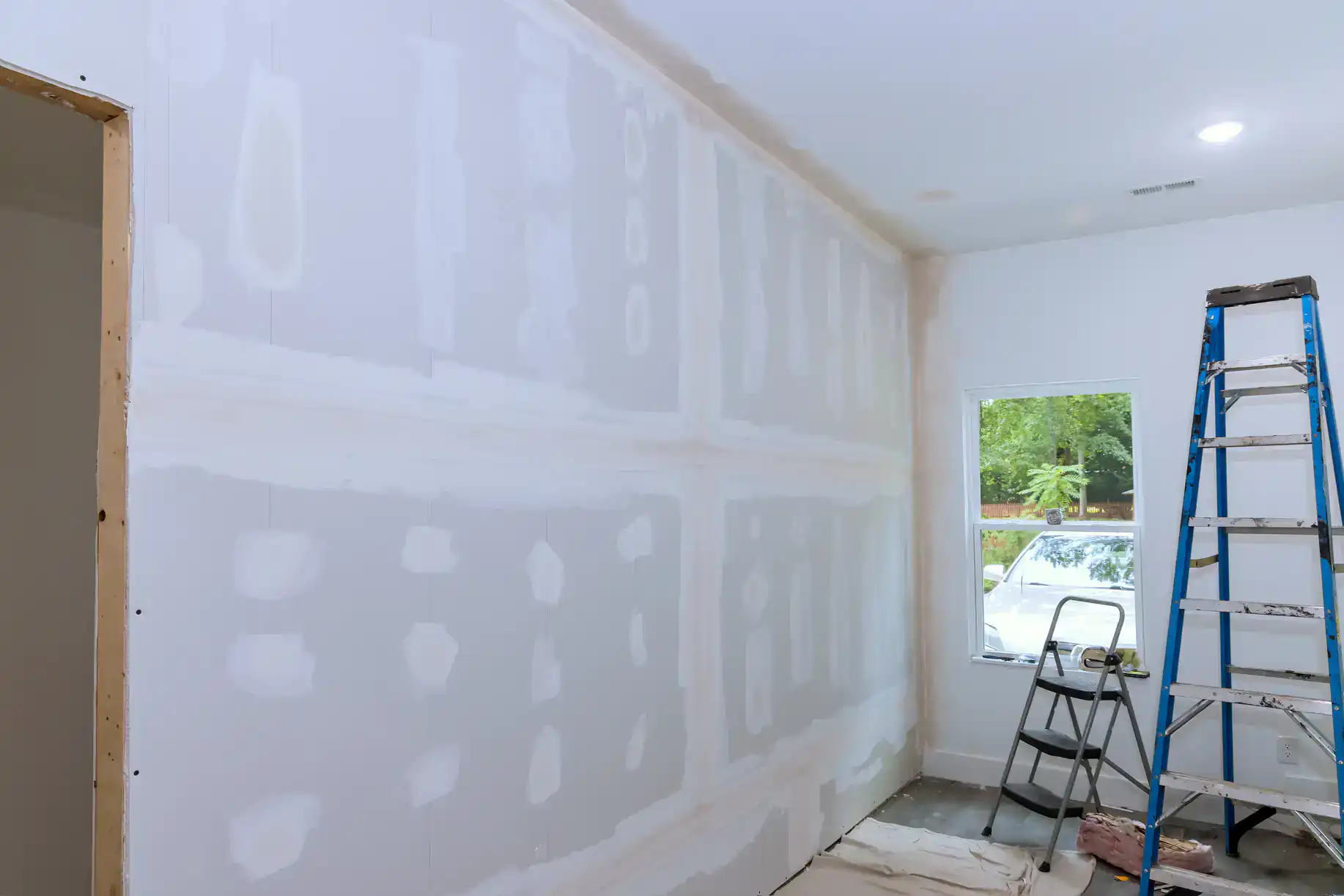
First, we tape the seams. That means embedding paper or mesh tape into a base coat of joint compound along every seam and corner. This is where most problems start if it’s done poorly—bubbles, loose edges, or tape that doesn’t sit flat. We make sure it’s right the first time.
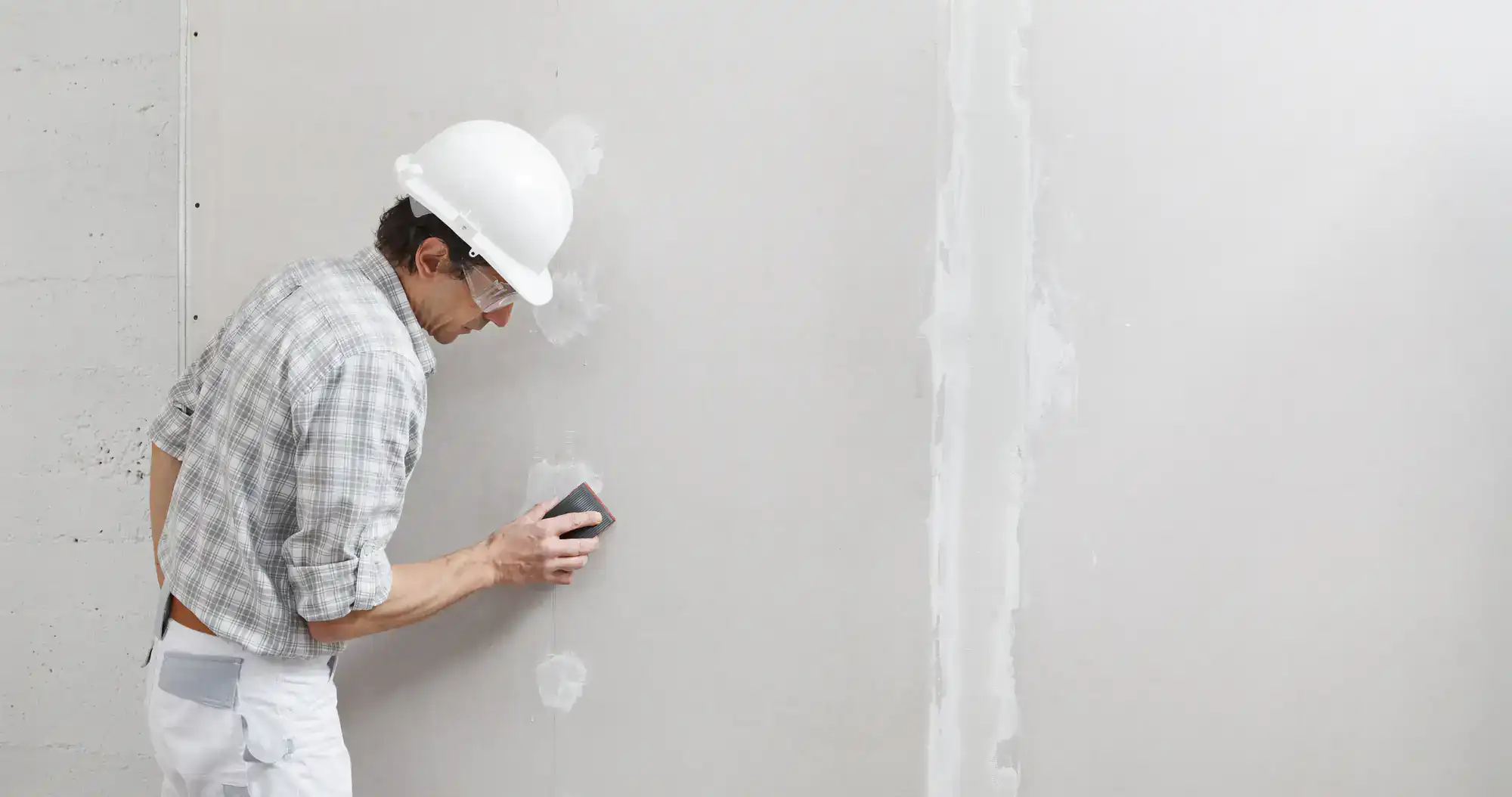
Next comes the mudding. We apply multiple coats of joint compound, feathering each one out further than the last to create a smooth, invisible transition. This isn’t a one-pass process. It takes at least two or three coats, with sanding in between, to get walls that feel flat to the touch and look seamless under light.
After that, we handle texture if you want it—orange peel, knockdown, skip trowel, whatever matches the rest of your space. If you’re going for a smooth finish, we take it all the way there. Then we do a final sand and inspection before handing it off to you or your painter. The goal is walls that are ready for paint or primer with no surprises, no fixes, and no frustration.
Ready to get started?
You get full taping and mudding on all seams, corners, and fasteners. That includes inside corners, outside corners, and butt joints—the spots that show imperfections the fastest if they’re not done carefully. We use quality joint compound and the right tools to feather edges so transitions disappear completely.
We also handle any texture application or smooth-finish prep depending on what your project calls for. Northern Liberties homes often lean toward modern, minimalist aesthetics—clean lines, trimless details, subtle reveals. That means your drywall finishing needs to be flawless because there’s nowhere to hide mistakes. We’re used to that standard.
If you’re renovating a rowhome or updating a loft, we coordinate with the rest of your project timeline. Philadelphia’s building codes are strict, especially around fire-rated drywall in multi-unit buildings, and we make sure everything is up to spec. You don’t have to worry about inspections or callbacks. We know what the city requires, and we build it in from the start.
It depends on the size of the space and how many coats the walls need, but most residential drywall finishing projects take between two and five days. That includes taping, multiple coats of mud, drying time between coats, sanding, and final prep.
Drying time is the biggest factor. Joint compound needs to fully cure before you can apply the next coat or sand it smooth. Rushing that process leads to cracking, shrinking, and uneven surfaces. We don’t cut corners on dry time, even if it adds a day to the schedule.
If you’re working from home or living in the space during the work, we’ll plan around your schedule as much as possible. Most of the work is quiet except for sanding, and we contain dust with proper prep and cleanup. You won’t come home to a disaster.
There are five levels of drywall finishing, ranging from Level 0 (no taping or finishing at all) to Level 5 (a skim coat over the entire surface for a completely uniform appearance). Most residential projects in Northern Liberties fall into Level 4 or Level 5 depending on lighting and paint.
Level 4 is the standard for walls that will be painted with flat or eggshell paint under normal lighting. All seams and fasteners are taped, mudded, and sanded smooth. This works for most rooms—bedrooms, living areas, kitchens with moderate light.
Level 5 is what you need if you’re using glossy paint, if you have harsh lighting like recessed LEDs or large windows, or if you want that ultra-smooth, high-end look. It involves applying a thin skim coat over the entire wall to eliminate any texture variation. It’s more time and material, but it’s worth it in spaces where imperfections would show. We’ll walk you through what makes sense for your project during the estimate.
Yes, but it takes some skill and the right tools. Matching existing texture—whether it’s orange peel, knockdown, or something custom—isn’t as simple as slapping on joint compound and calling it done. The spray pattern, the trowel pressure, and even the drying conditions all affect how it looks.
We bring samples of your existing texture to the job and test our application on scrap board before we touch your walls. That way, you can see the match before it’s permanent. Most of the time, we can get it close enough that you won’t notice the difference once it’s painted.
If your existing texture is old or was done inconsistently in the first place, we’ll talk through your options. Sometimes it makes more sense to re-texture a full wall or room rather than trying to blend into something that’s already uneven. We’ll give you an honest assessment so you can make the call.
We’ll handle most of the prep, but clearing the room makes the job faster and protects your stuff. If you can move furniture out or at least away from the walls, that’s ideal. If not, we’ll cover and move what we need to—but the more open the space, the easier it is for us to work and for you to avoid dust settling on your belongings.
We’ll lay down drop cloths, mask off floors and trim, and seal doorways if we’re sanding in an occupied home. Drywall dust is fine and gets everywhere if you’re not careful, so we take containment seriously. That said, some dust is inevitable. If you have sensitive electronics or artwork in the space, move them or cover them well.
If you’re doing a larger renovation and the space is already gutted, we don’t need much from you. We’ll bring in our tools, materials, and scaffolding if needed, and get to work. Just make sure we have access and a place to dispose of debris.
You can usually paint 24 hours after the final coat of joint compound is applied and sanded, as long as the mud is fully dry. But “dry to the touch” and “fully cured” aren’t the same thing. If the compound is still releasing moisture, your paint won’t adhere properly and you’ll see issues down the line.
We check moisture levels before we call a job done, especially in basements or spaces with poor ventilation where drying takes longer. If it’s humid or cold, we might recommend waiting an extra day. It’s better to wait than to repaint.
If you’re priming, use a drywall primer—not just regular paint. Primer seals the joint compound and the paper face of the drywall so your topcoat goes on evenly. Skipping primer is one of the most common mistakes we see, and it shows up as blotchy color or a flat sheen where the mud is. We’ll let you know exactly when the walls are ready and what your painter should use.
Look for someone who’s done work in the area and understands the housing stock here. Northern Liberties has a mix of old rowhomes, new construction, and renovated lofts—each one comes with different challenges. You want a contractor who’s seen it before and knows how to handle transitions between old plaster and new drywall, or how to finish walls in open-concept spaces where every imperfection shows.
Ask about their process. How many coats do they apply? Do they sand between coats? What products do they use? If someone’s vague or promises a one-day turnaround on a full room, that’s a red flag. Quality drywall finishing takes time, and anyone who says otherwise is either cutting corners or doesn’t know what they’re doing.
Check that they’re licensed and insured. This protects you if something goes wrong and ensures they’re operating legally in Philadelphia. Finally, look at their work if you can—photos, references, or even a site visit. You’ll be able to tell pretty quickly whether their standards match yours.
Other Services we provide in Northern Liberties