You shouldn’t see where the repair ends and the original wall begins. That’s the standard.
When drywall finishing in East Parkside, PA is done right, you don’t notice it. No ridges catching light from the window. No texture that doesn’t match the rest of the room. No lumps that show through two coats of paint.
You get walls that are smooth, uniform, and ready to live with for years. The kind that don’t embarrass you when someone walks into the room. The kind that don’t need touch-ups six months later because the seams started cracking or the mud wasn’t applied in enough coats.
That’s what happens when taping, mudding, and sanding are done with the right tools, the right materials, and enough time between coats. You’re not covering up problems. You’re eliminating them.
We’ve been handling drywall repair and finishing across Montgomery and Bucks County for over a decade. We’re local, licensed, and fully insured.
East Parkside has a lot of row houses and attached homes—many of them older, with plaster walls or irregular surfaces that need more than a quick patch. We’ve worked in enough of them to know what it takes to match existing textures, work around tight spaces, and get the finish right without tearing up more wall than necessary.
You’re not getting a crew that rushes through to get to the next job. You’re getting contractors who live in the area and care about the work we leave behind.
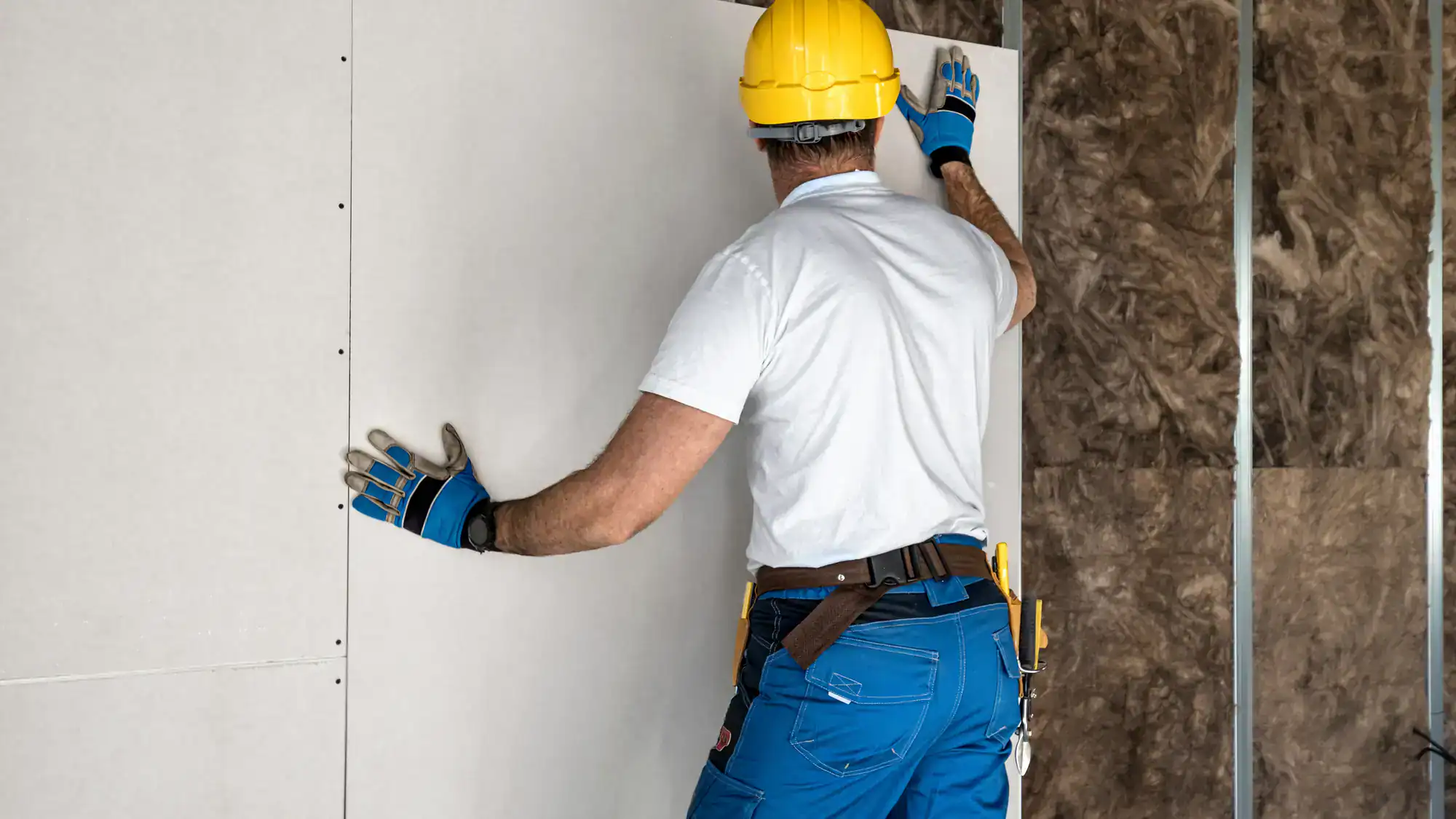
First, we tape the seams and joints using paper or mesh tape depending on the surface. That’s what holds everything together long-term.
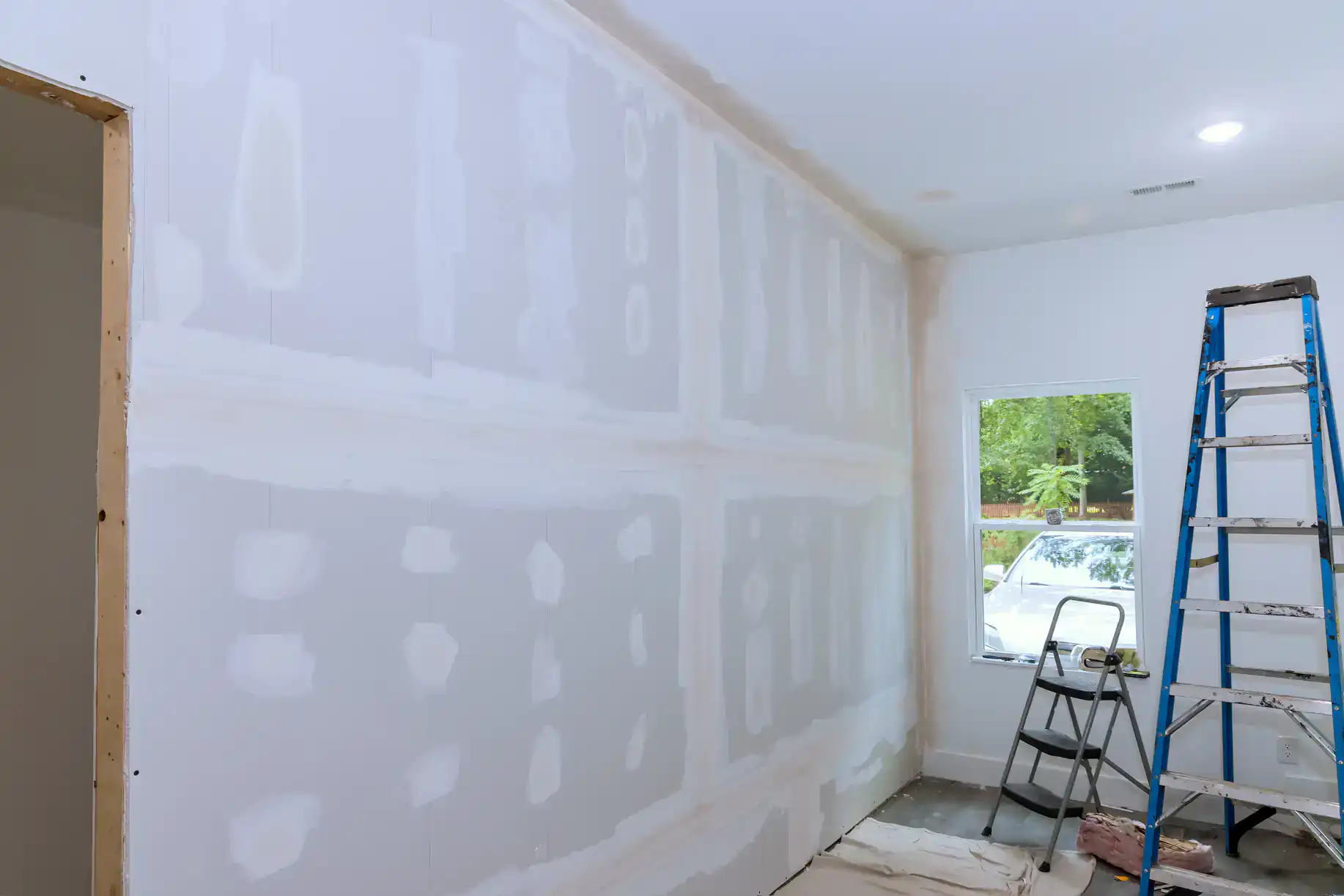
Then comes the mudding. We apply joint compound in multiple coats—each one wider than the last—so the transition from drywall to existing wall disappears completely. Every coat gets time to dry. Rushing this step is where most bad finishes come from.
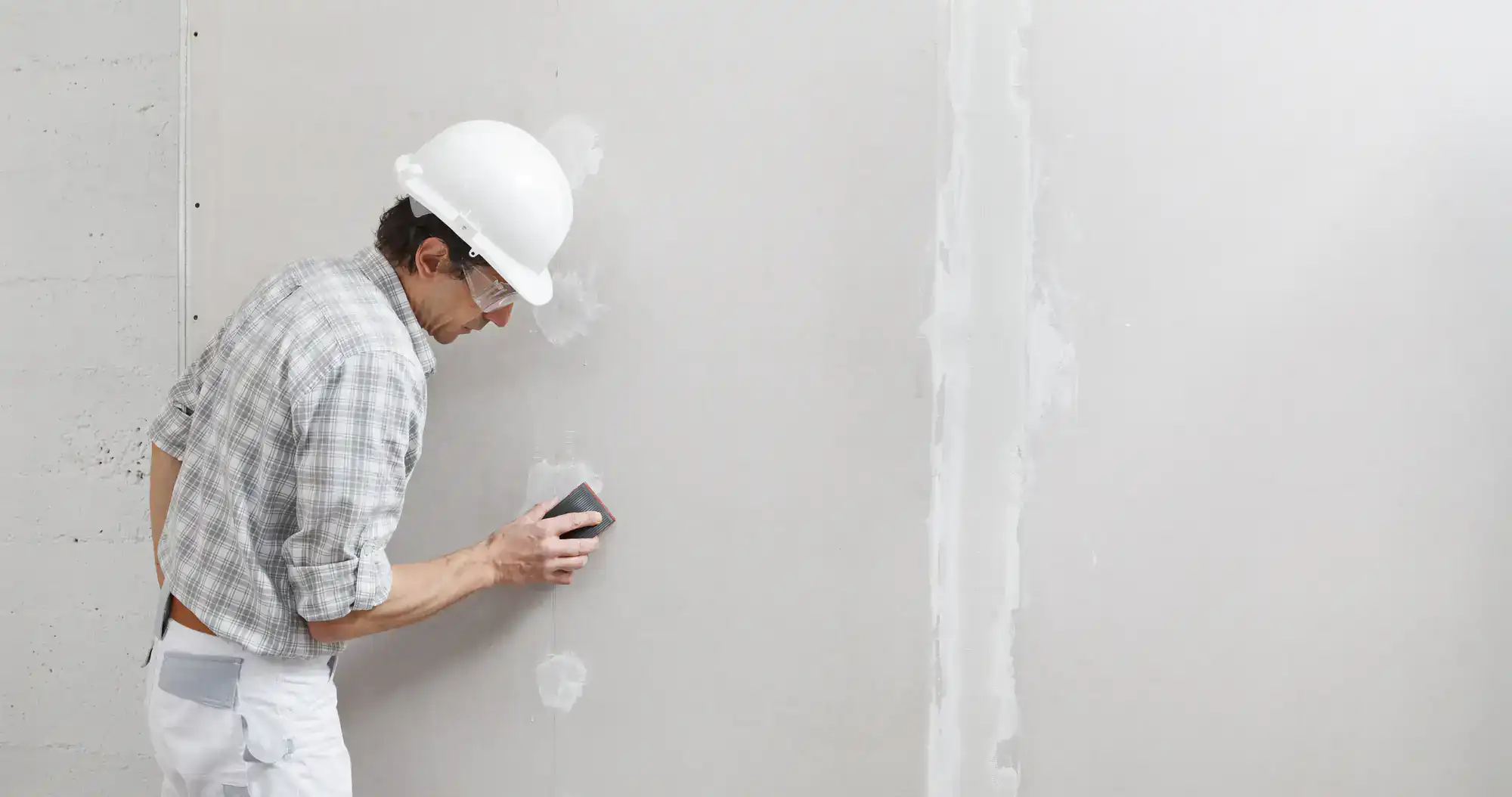
After the final coat dries, we sand it smooth using the right grit and technique to avoid gouges or uneven spots. If you need texture matching—knockdown, orange peel, skip trowel—we replicate it so the repaired area blends in.
Before we leave, we inspect under angled light to catch imperfections you’d only see after painting. Then we clean up completely. No dust, no mud, no leftover materials.
You’re left with walls that are ready for primer and paint, and a space that doesn’t look like construction just happened.
Ready to get started?
You get full taping, mudding, and sanding using professional-grade joint compound and tools. We use mold-resistant drywall in areas prone to moisture—basements, bathrooms, kitchens—because it lasts longer and prevents problems down the road.
Texture matching is included when needed. A lot of homes in East Parkside have textured walls or ceilings, and replicating that by hand takes skill and the right equipment. We don’t leave a smooth patch on a textured wall and call it done.
If the job involves water damage, we assess the full extent before finishing. Drywall can look fine on the surface but be compromised underneath. We don’t finish over problems that will come back in six months.
Most repairs are completed in one visit. Larger projects might take a second trip for final sanding and inspection, but we don’t drag things out. You get a clear timeline upfront, and we stick to it.
Everything is cleaned up when we’re finished. That includes dust from sanding, dried mud, and any debris. You shouldn’t have to vacuum for an hour after we leave.
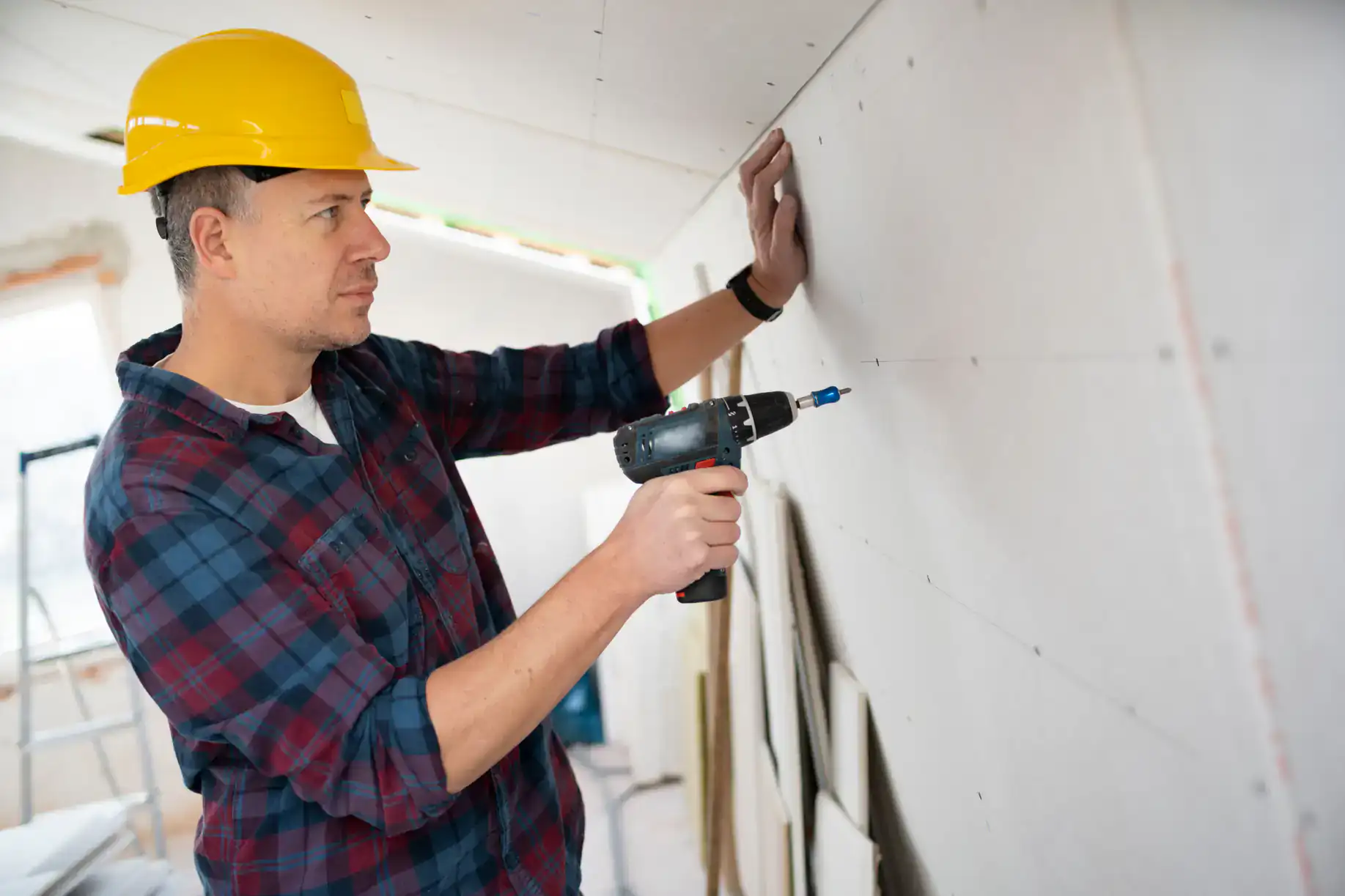
Most small to mid-sized jobs are finished in one day. That includes taping, multiple coats of mud, sanding, and cleanup.
Larger projects or jobs that need extensive texture matching might take two visits—one for the bulk of the work and another for final sanding and inspection. The mud needs time to dry between coats, and we don’t rush that. Wet mud sanded too early causes problems.
If you’re dealing with water damage or structural issues, we’ll assess everything first and give you a realistic timeline. We don’t start finishing until we know the surface is solid and dry.
Yes. We replicate knockdown, orange peel, skip trowel, and other common textures so the repair blends in with the rest of the wall or ceiling.
Matching texture by hand takes practice and the right tools. We don’t use a roller and hope it looks close. We test the pattern on scrap or an inconspicuous area first, then apply it to the repair once we’ve dialed it in.
A lot of older homes in East Parkside have hand-troweled plaster textures that are harder to match than standard drywall patterns. We’ve worked with enough of them to know how to get it right. If the texture is too unique or damaged to replicate, we’ll talk through your options before starting.
Drywall repair is fixing the damaged area—cutting out bad sections, installing new drywall, and securing it. Drywall finishing is everything that happens after: taping the seams, applying joint compound, sanding it smooth, and matching texture.
You can’t skip finishing and expect the wall to look right. Even a perfect patch will be obvious without proper taping, mudding, and blending. That’s where most DIY jobs and cheap contractors fall short.
We handle both. If your wall has a hole or water damage, we repair the structure first, then finish it so you can’t tell where the new drywall ends and the old wall begins. You don’t need to hire two different people.
Yes, especially in areas that see moisture—bathrooms, kitchens, basements, and anywhere we’re repairing water damage. Mold-resistant drywall has a fiberglass facing instead of paper, so it doesn’t absorb water the same way.
It costs a little more than standard drywall, but it lasts longer and prevents future problems. If you’ve already dealt with water damage once, you don’t want to do it again because regular drywall couldn’t handle the humidity.
We also use it in row houses and attached homes where shared walls or poor ventilation create moisture issues. It’s a small upgrade that makes a big difference over time, and we include it as part of the job when it makes sense.
Most drywall finishing in East Parkside, PA runs between $1.50 and $3.50 per square foot, depending on the scope of work, texture matching, and surface prep. Small patch jobs typically cost between $150 and $400 and take a few hours.
Larger projects—full room finishing, ceiling repairs, or extensive water damage—cost more because they require more material, labor, and time. We give you a fixed price upfront based on what we see, and that’s what you pay. No surprise charges.
If you’ve gotten a quote that’s significantly cheaper, ask what’s included. A lot of low bids skip steps—fewer coats of mud, no texture matching, minimal sanding—and you end up with a finish that looks bad under paint. We’d rather quote it right the first time than have you call someone else to fix it later.
Yes. Drywall finishing leaves the surface smooth and ready for paint, but it’s not painted. You’ll see white joint compound and primer (if we apply it), but the repaired area won’t match your wall color.
We can apply primer as part of the job if you want, which seals the surface and makes painting easier. Some customers prefer to handle painting themselves. Others hire us to do both. Either way, the wall is ready for it.
If the repair is small and your paint is in good shape, you might only need to paint the patched area and feather it into the surrounding wall. Larger repairs usually mean repainting the whole wall or room for a consistent finish. We’ll walk you through what makes sense for your situation.
Other Services we provide in East Parkside