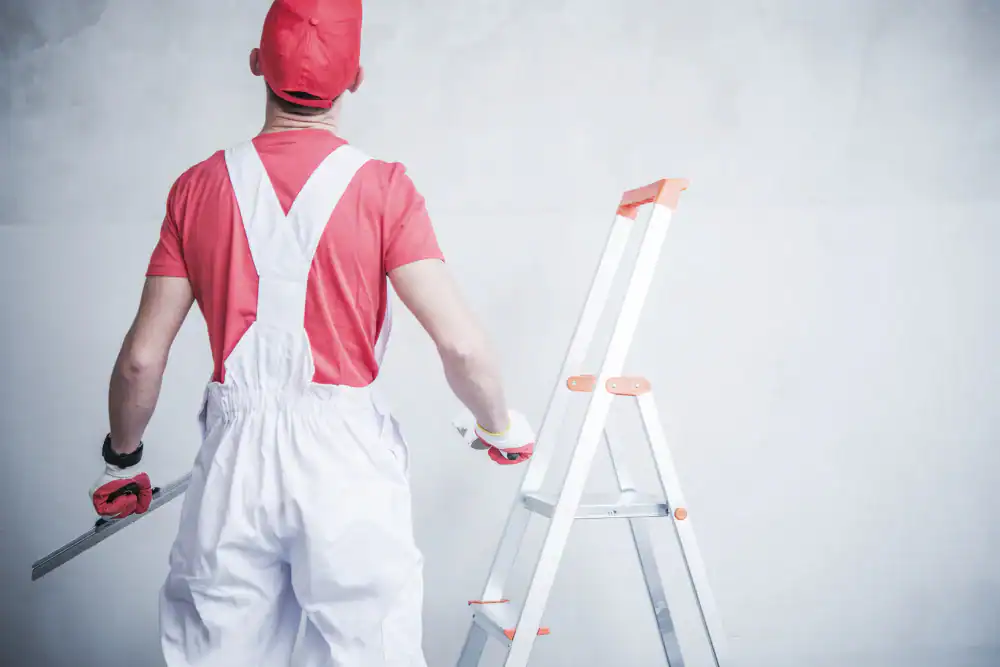
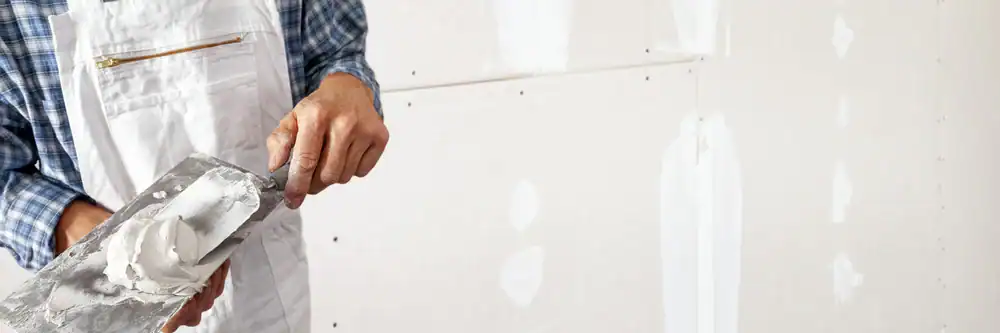
The hole is gone. The texture matches perfectly. You can’t tell where the damage was, even if you know where to look.
That’s what happens when drywall patching in East Parkside, PA is done right. No visible seams. No uneven surfaces. No reminder that anything was ever wrong.
Most jobs wrap up in a few hours. You’re not waiting days for multiple visits or dealing with contractors who disappear mid-project. We show up, assess the damage, match your existing texture, apply the right coats of joint compound, and make sure everything dries properly before we prime and paint.
The difference between a professional repair and a DIY patch job isn’t just how it looks today. It’s whether you’ll still be staring at that same lumpy spot six months from now, wondering why you didn’t just call someone who knows how to feather the edges properly. We use the right drywall mud for your specific wall type, apply each coat correctly, and respect the dry time between layers so the repair actually lasts.
We handle drywall patching in East Parkside, PA for homeowners who’ve already tried the cheap fix and regretted it. We’re fully licensed and insured, and we’ve built our reputation on showing up when we say we will and finishing the job correctly the first time.
East Parkside homes were largely built in the early 1960s, which means we’re often working with older wall construction, unique framing, and materials that require someone who actually understands what they’re dealing with. We’ve seen every type of damage—from small nail holes to major water damage—and we know how to repair it so it holds up.
You’re not getting a handyman who watched a YouTube video. You’re getting licensed contractors who treat your home with the same care we’d give our own.
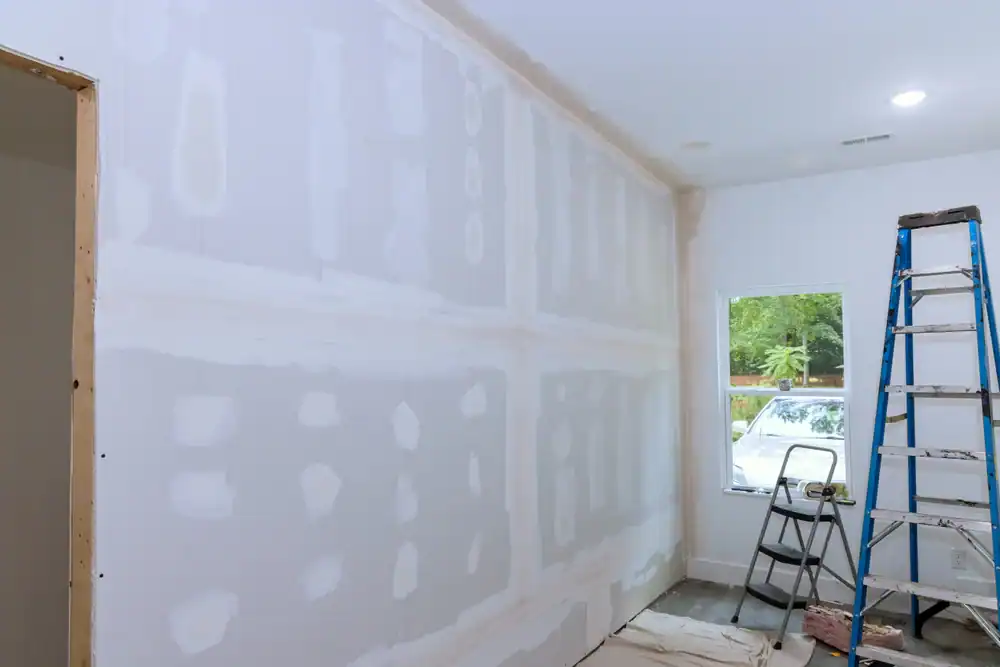
First, we assess the damage and determine what materials we need. Small holes get a different approach than large sections of damaged drywall. We’re looking at the size, the cause, and what’s behind the wall.
Next comes the actual patching. We cut out any damaged material, secure backing if needed, and install a new piece that fits precisely. This isn’t about slapping on spackle and hoping it holds. We’re using premium drywall and making sure it’s anchored correctly.
Then we apply joint compound in layers. The first coat fills the gaps. Each additional coat builds up the surface and blends it into your existing wall. We feather the edges so there’s no visible line where the repair meets the original drywall. Proper dry time between coats matters—rushing this step is why most DIY repairs fail.
Finally, we match your texture, prime the area, and paint so the repair disappears completely. We’re not leaving until you can’t tell where we worked. And we clean up everything—dust, debris, materials—so you’re not dealing with a mess after we’re gone.
Ready to get started?
You get a complete repair from start to finish. That means we’re handling the patching, the finishing, the texture matching, and the painting. You’re not hiring three different people to complete one job.
We bring all materials—drywall, joint compound, primer, paint. You’re not making trips to the hardware store or guessing which products to buy. We use professional-grade materials that are built to last, including mold-resistant drywall in areas where moisture is a concern.
Every job includes full cleanup. We lay down protective sheeting, contain the dust as much as possible, and vacuum everything before we leave. You shouldn’t have to spend your afternoon cleaning up after contractors.
In East Parkside, PA, most drywall patching jobs get completed in one visit. Small repairs often take just a few hours. Larger projects might require a second visit for final paint coats, but we’re clear about timing upfront. You’ll know exactly what to expect before we start, including cost—no surprise fees or upcharges once we’re halfway through.
Most drywall patching in East Parkside, PA gets done in a single visit, usually within a few hours for small to medium repairs. The actual time depends on the size of the damage and how many coats of joint compound we need to apply.
Small holes—like from doorknobs or accidental impacts—typically take two to three hours once we factor in prep, patching, and the dry time between coats. Larger repairs, like sections damaged by water or electrical work, might take four to six hours because we’re cutting out more material and building up more layers.
The key factor is dry time. Each coat of drywall mud needs to dry properly before we can apply the next one or start sanding. We don’t rush this step because that’s how you end up with cracks or repairs that fail a few months later. If we’re priming and painting the same day, we make sure everything’s fully cured first.
Yes. Texture matching is one of the most important parts of professional drywall patching in East Parkside, PA, and it’s where most DIY repairs fall apart.
We carry the tools and materials to replicate common textures—knockdown, orange peel, skip trowel, or smooth finishes. Before we start the final coat, we look at your existing wall texture and test our approach to make sure it blends seamlessly.
The process involves applying joint compound in a specific pattern, then using brushes, rollers, or trowels to recreate what’s already there. It’s not guesswork. We’ve done this enough times to know how different techniques look once they dry and get painted. If your walls have a smooth finish, we sand everything perfectly flat so there’s no ridge or bump where the repair meets the original surface. The goal is for you to forget where the damage was.
Drywall damage in East Parkside, PA usually comes from a few common sources. Water damage is at the top of the list—leaky pipes, roof leaks, or moisture buildup can weaken drywall and cause it to crumble or stain.
Settling is another big one, especially in older homes built in the 1960s. As your house shifts over time, you’ll see cracks form along seams, corners, or around door frames. This is normal, but it doesn’t fix itself.
Then there’s impact damage—furniture being moved, doors swinging open too hard, kids playing inside, or accidents during home projects. Holes and dents happen. Sometimes it’s small, like a nail hole from hanging a picture. Other times it’s a fist-sized hole that needs a real repair, not just spackle.
Finally, poor installation or previous repairs done incorrectly can lead to problems down the road. If the original drywall wasn’t taped properly or the joint compound wasn’t applied in enough coats, you’ll see cracks and separation as the house moves.
Yes. We prime and paint the repaired area so it blends with your existing wall. You’re not left with a bright white patch that stands out or forced to hire a separate painter to finish the job.
After the final coat of joint compound dries and we’ve sanded everything smooth, we apply primer to seal the repair. Primer is critical because raw drywall and joint compound absorb paint differently than your existing wall. Without it, the patched area will look different even if you use the exact same paint color.
Once the primer dries, we paint the area to match your wall. If you have the original paint or know the color, that makes matching easier. If not, we do our best to blend it in, though slight color variations can happen with older paint that’s faded over time.
The goal is for the repair to disappear completely. That means the texture, the finish, and the color all need to match. We don’t consider the job done until you can’t tell where we worked.
Drywall patching in East Parkside, PA typically costs between $200 and $800 for most residential repairs, depending on the size and complexity of the damage. Small holes and simple patches fall on the lower end. Larger repairs involving water damage, multiple areas, or significant wall sections cost more.
We provide upfront pricing after assessing the damage. You’ll know what the job costs before we start, including materials, labor, and cleanup. No surprise fees or upcharges once we’re halfway through.
Pricing factors include the size of the area being repaired, how many coats of joint compound are needed, whether we’re matching a complex texture, and if there’s any underlying damage that needs to be addressed first. Water-damaged drywall often requires more extensive work because we’re cutting out larger sections and sometimes dealing with mold or structural issues behind the wall.
The cheapest option isn’t always the best one. You’re paying for a repair that lasts and looks right, not a quick patch that fails in six months.
Spackle works for tiny holes and minor surface imperfections—like small nail holes or dings. It dries fast, shrinks less, and you can usually paint over it quickly. But it’s not designed for larger repairs or anything structural.
Joint compound, also called drywall mud, is what we use for real drywall patching in East Parkside, PA. It’s designed to fill larger gaps, build up layers, and create a smooth, durable surface that blends with your existing wall. Joint compound takes longer to dry between coats, but it’s stronger and more flexible, which means it holds up better as your house settles and moves over time.
For most repairs beyond a tiny nail hole, joint compound is the right choice. We apply it in multiple thin coats, letting each layer dry completely before adding the next. This builds up the surface gradually and prevents cracking. The final coat gets sanded smooth, then we feather the edges so there’s no visible line where the repair meets the original drywall.
Using the wrong product is one of the main reasons DIY repairs fail. Spackle won’t hold up on a larger hole, and trying to use joint compound without understanding dry time and proper application just creates a lumpy mess.
Other Services we provide in East Parkside