You’re not just paying for panels on studs. You’re paying for walls that don’t crack in six months, seams you can’t see, and texture that matches the rest of your home.
When drywall installation in West Poplar, PA is done right, you don’t think about it again. No callbacks for repairs. No touch-ups three weeks later. Just finished walls that hold paint well and look clean from every angle.
That’s what matters when you’re renovating a rowhome, finishing a basement, or repairing damage from a leak. You want it done once, done correctly, and done without turning your house into a disaster zone. The difference between decent work and sloppy work shows up fast—and it costs more to fix than it would’ve cost to hire the right drywall installer from the start.
We’ve been serving homeowners and contractors throughout the Greater Philadelphia area, including West Poplar, PA, for years. We know the housing stock here—rowhomes with shared walls, older construction that needs careful handling, and newer builds that demand precision.
You’re working with licensed, insured professionals who understand local building codes and how to work around the quirks of older homes. We’re not a crew that disappears halfway through or leaves you guessing when we’ll be back.
We show up when we say we will, we clean up after ourselves, and we communicate clearly if something changes. That’s not special—it’s just how the job should be done.
First, we assess your space and talk through what you need. New construction, repair work, water damage, or a full gut renovation—the approach changes depending on the job. We measure, check for any structural concerns, and give you a clear estimate based on square footage and the type of drywall required.
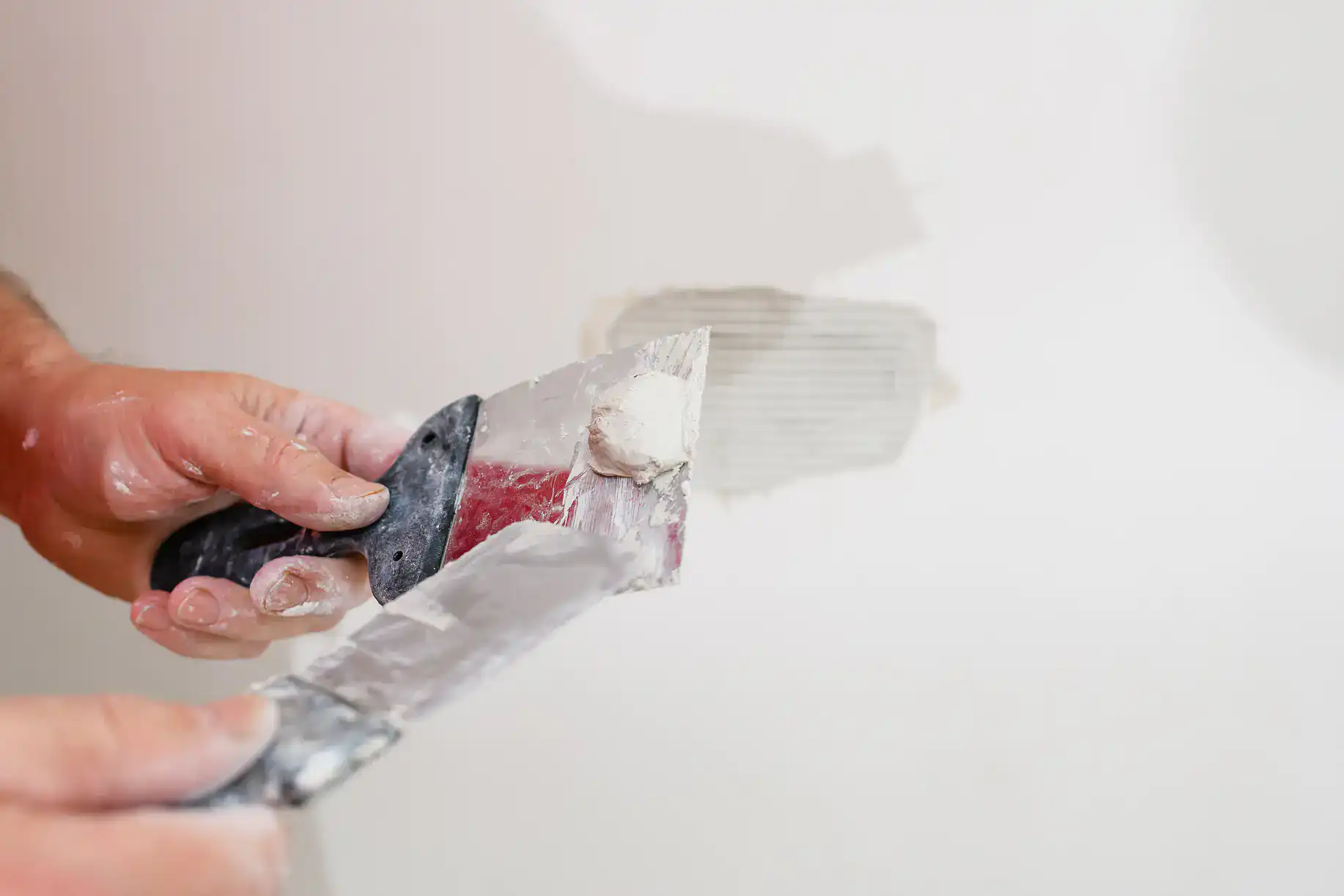
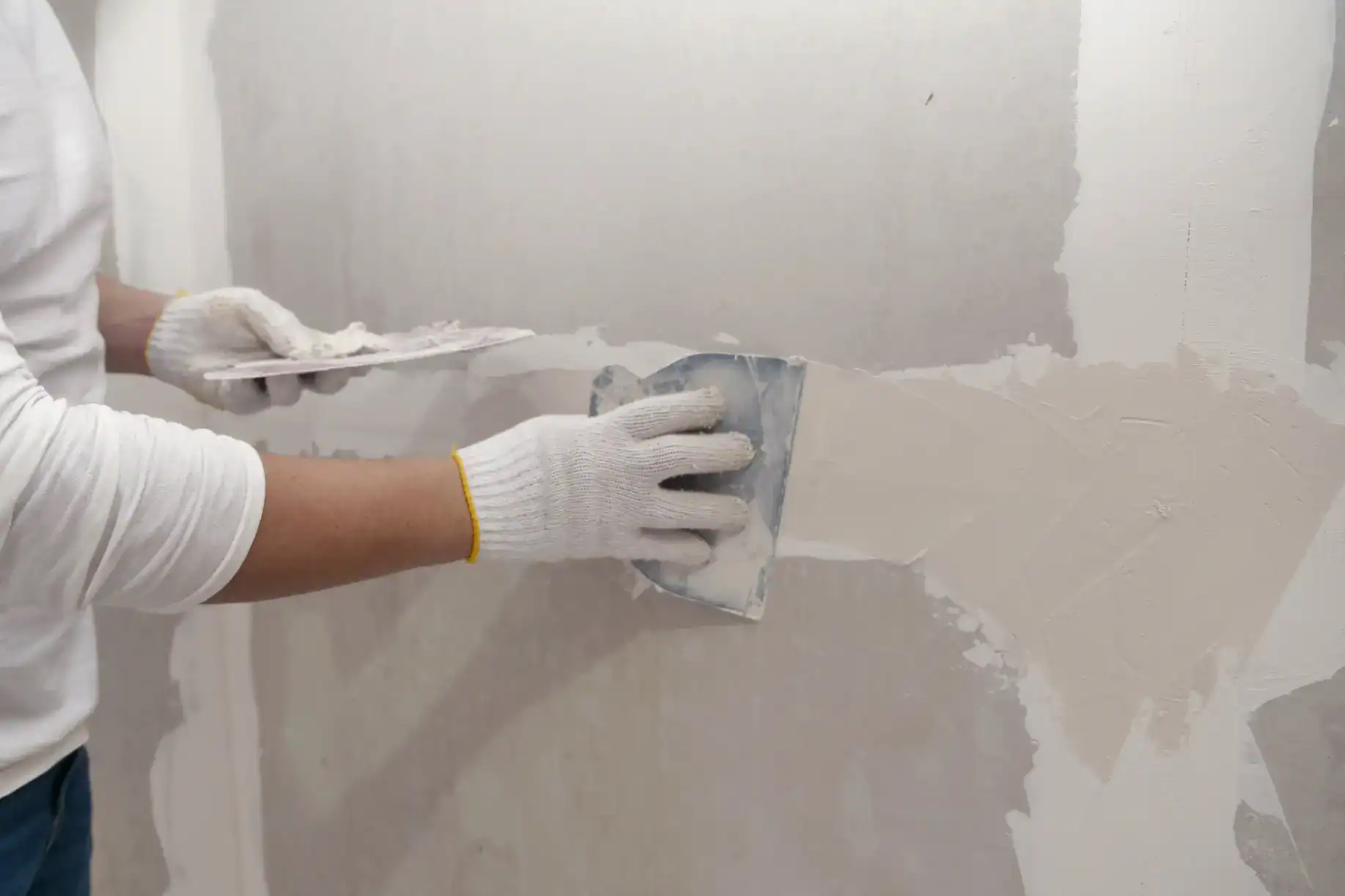
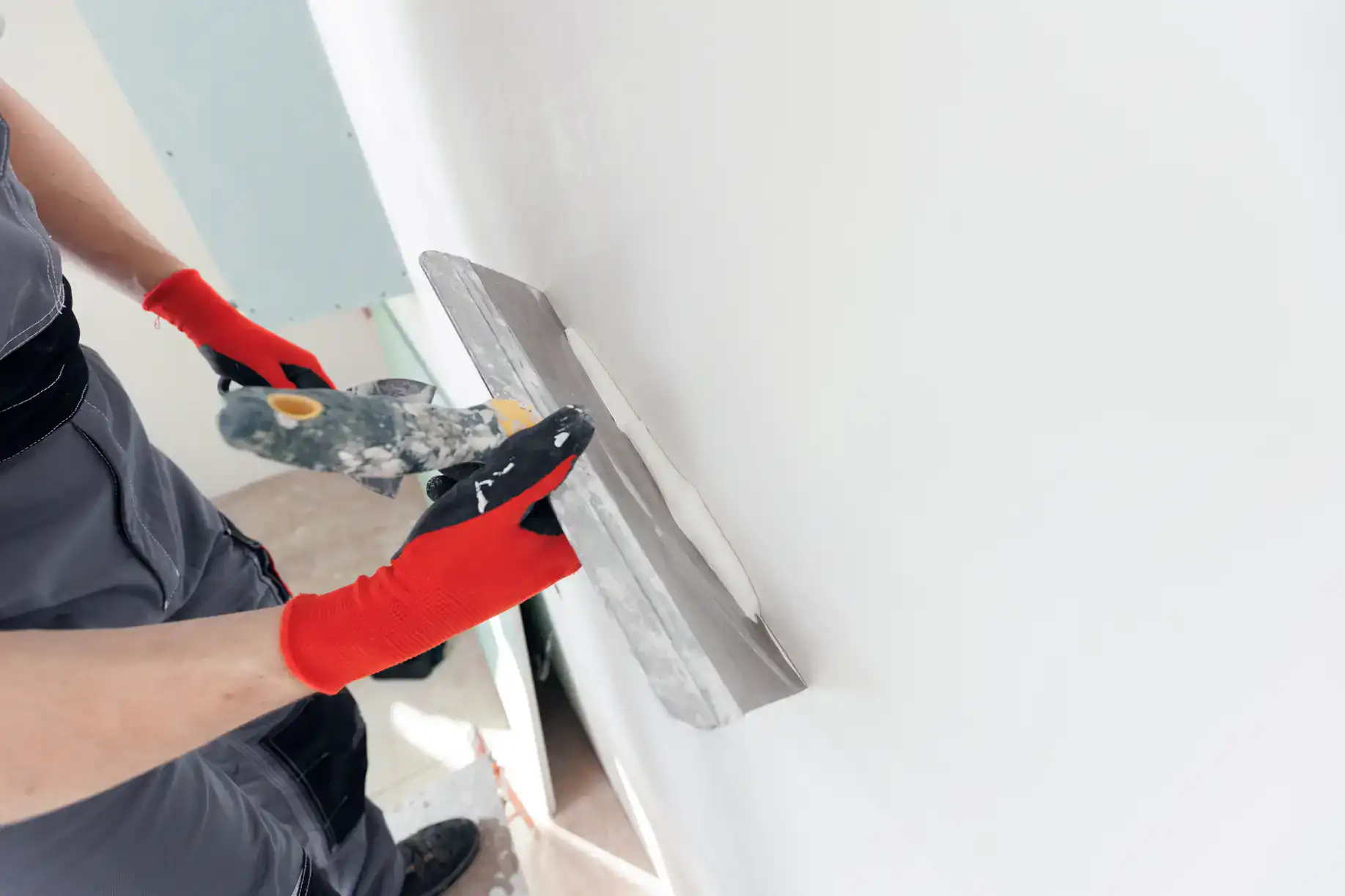
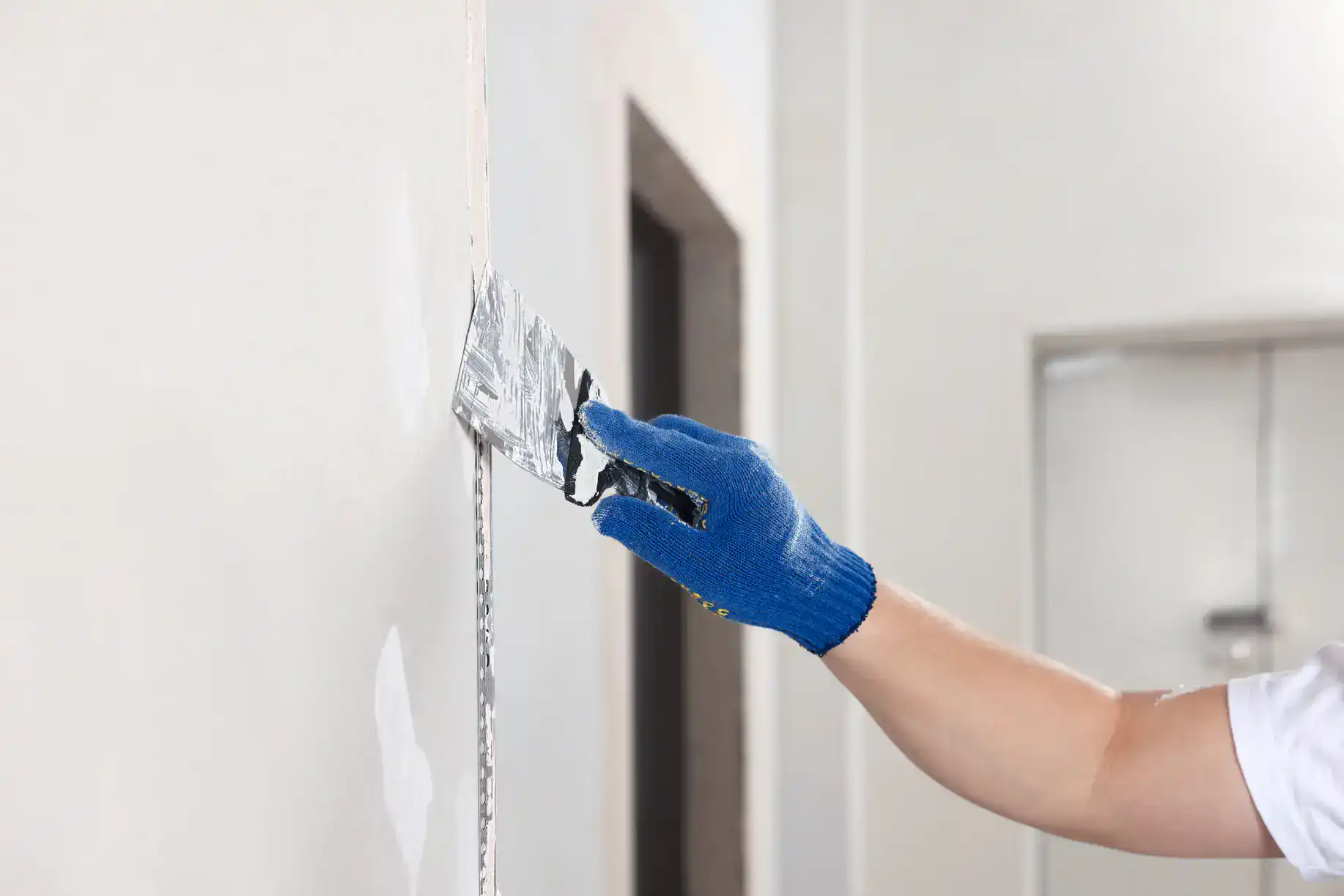
Once we start, we hang the panels, secure them properly, and tape the seams. Then comes mudding—multiple coats, each one sanded smooth. This is where quality shows. Rushed mud work leaves ridges and shadows. Proper mud work disappears under paint.
After the final coat dries and gets sanded, we clean up. That means dust barriers during the work and a thorough sweep when we’re done. You’re left with walls ready for primer and paint, and a home that doesn’t look like a construction site. Most small repairs take a couple of days. Larger projects, like a full home drywall installation in West Poplar, PA, take about 8 to 10 days depending on size and complexity.
Ready to get started?
The average cost to install drywall in the Philadelphia area runs between $1,077 and $3,118 for most residential projects, with the typical job landing around $2,095. That breaks down to roughly $1.50 to $3 per square foot, or $60 to $90 per panel, depending on the type of drywall and the complexity of the space.
In West Poplar, PA, pricing stays competitive because there’s a healthy mix of renovation work and new construction. You’re paying for materials, labor, and the skill to make everything line up correctly. Corners, ceilings, and transitions between rooms—that’s where experience matters.
We use standard ½” drywall for most interior walls, Type X or Type C for fire-rated applications (common in rowhomes with shared walls), and moisture-resistant panels for bathrooms or basements. If you need soundproofing between units or rooms, we can handle that too. Every project gets a clear estimate up front, so you know what to expect before we start. No surprise charges, no vague line items—just straightforward pricing based on what your project actually requires.
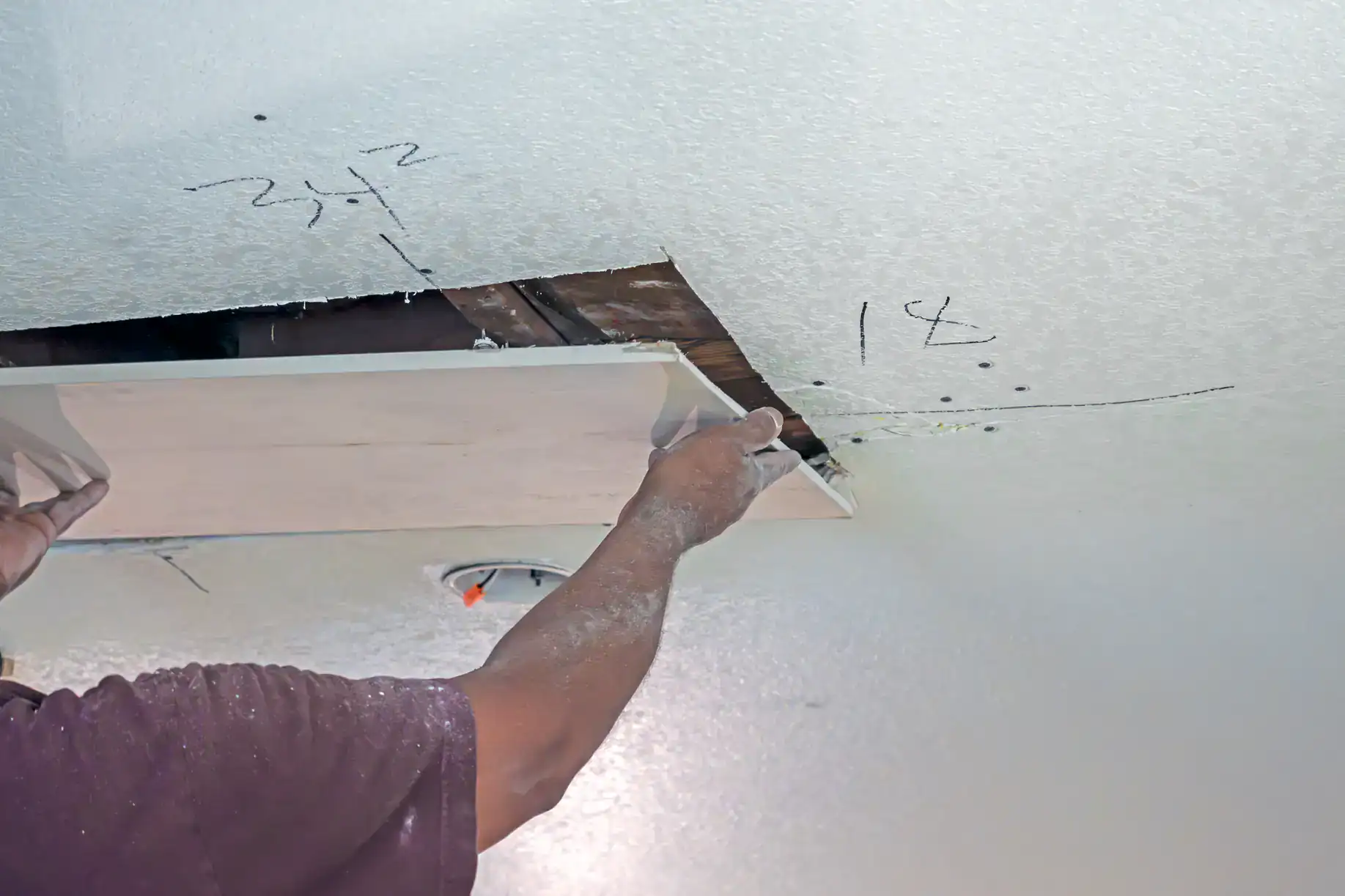
For a small repair—patching a hole, fixing a section of damaged wall—you’re looking at about two days. That includes prep, installation, mudding, drying time, and final sanding.
For a full home drywall installation in West Poplar, PA, plan on 8 to 10 days. That timeline assumes a standard-sized rowhome or townhouse with normal ceiling heights and no major complications. Larger homes or projects with vaulted ceilings, intricate angles, or extensive water damage will take longer.
Drying time between mud coats is the main factor. You can’t rush it. Each layer needs to cure properly, or you’ll end up with cracks and an uneven finish. We schedule projects to keep things moving without cutting corners, so you get walls that actually last.
Standard drywall is ½” thick gypsum board. It’s what goes on most interior walls and ceilings in residential spaces. It’s affordable, easy to work with, and does the job for rooms that don’t need special protection.
Type X drywall is fire-rated. It’s required by code in certain applications—like the shared walls between rowhomes or between a garage and living space. It contains glass fibers that help it resist fire longer, usually rated for at least one hour of fire resistance. In a neighborhood like West Poplar, PA, where homes are close together or attached, Type X is often required to meet local building codes.
Type C is even more fire-resistant and is sometimes used in commercial applications or high-risk areas. Your project might not need it, but if code requires fire-rated drywall, we’ll use the right type and make sure it passes inspection. It’s not optional—it’s about safety and legal compliance.
Most homeowners in the Philadelphia area pay between $1,077 and $3,118 for drywall installation, with the average landing around $2,095. Cost depends on square footage, ceiling height, the type of drywall, and how complex the layout is.
If you’re patching a single wall or repairing damage from a leak, expect to pay on the lower end. A full basement finish or whole-home installation will cost more. The cost to install drywall also includes taping, mudding, sanding, and cleanup—not just hanging panels.
We price projects based on what’s actually involved. A straightforward room with flat walls and standard ceilings costs less per square foot than a space with angles, soffits, or tricky transitions. We’ll walk the space with you, measure everything, and give you a clear number before any work starts. No guessing, no “we’ll figure it out later” pricing.
We handle both. Drywall repair is a big part of what we do, especially in older neighborhoods like West Poplar, PA, where homes have settled over time or dealt with water damage, cracks, or holes from previous work.
Repair work involves cutting out the damaged section, installing a new piece, taping and mudding the seams, then sanding and blending it so you can’t tell where the repair was made. Matching existing texture is part of that process—if your walls have a knockdown or orange peel finish, we replicate it so the repair blends in.
Some repairs are small and take a few hours. Others—like fixing extensive water damage or replacing large sections of a ceiling—take a few days. Either way, the goal is the same: make it look like the damage never happened. If you’re not sure whether your wall needs repair or full replacement, we’ll assess it and give you an honest recommendation.
Drywall work creates dust—there’s no way around that. Sanding joint compound produces fine particles that get everywhere if you don’t control them. That’s why we use plastic dust barriers to block off work areas from the rest of your home.
We also clean as we go. That means sweeping up scraps, wiping down surfaces, and running a vacuum after sanding. At the end of the job, we do a final cleanup so you’re not left dealing with drywall dust for weeks.
You’ll still want to cover or move anything valuable in the work area, and expect some dust to escape despite our best efforts. But it shouldn’t feel like your whole house got hit by a sandstorm. We know how to contain the mess and leave your home in livable condition, even while the project’s underway.
If the damage is localized—a hole, a crack, a small section with water stains—repair usually makes sense. We cut out the damaged area, patch it, and blend it into the surrounding wall. It’s faster and cheaper than replacing entire sheets.
But if you’ve got widespread cracking, sagging ceilings, or large areas of water damage with mold or soft spots, replacement is the better move. Trying to patch extensively damaged drywall just delays the inevitable and costs more in the long run.
We’ll assess the condition of your walls and give you a straight answer. If a repair will hold up and look good, we’ll tell you. If you’re better off replacing a section or a whole wall, we’ll explain why. The goal is to fix the problem correctly, not sell you more work than you need.
Other Services we provide in West Poplar