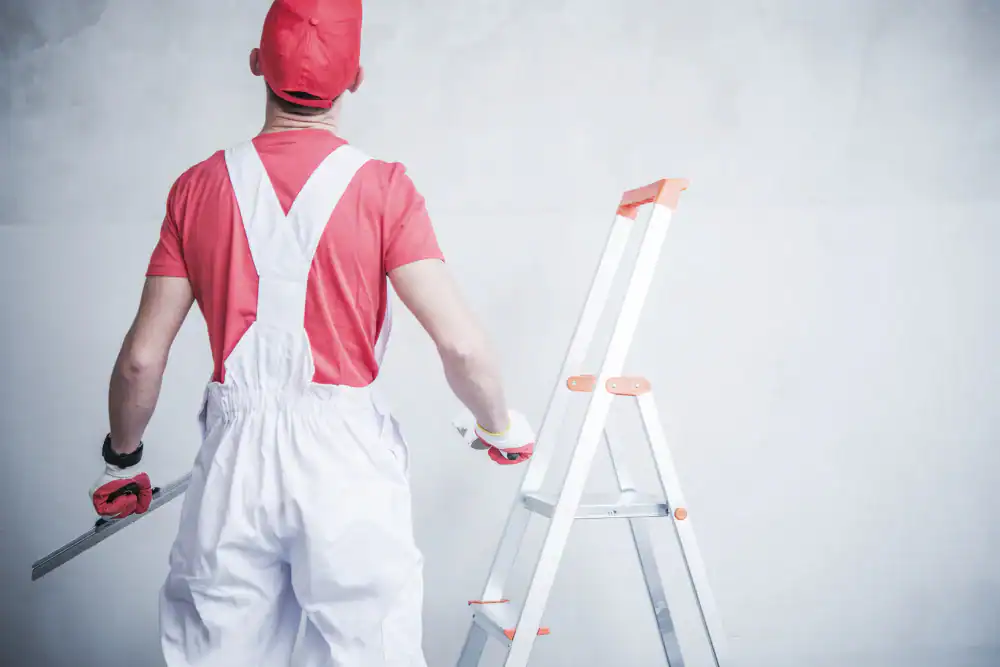
You’re not looking at a wall with a patched hole anymore. You’re looking at a clean surface that matches the rest of the room—texture, finish, everything. That’s what proper drywall patching in West Poplar, PA gets you when it’s done by someone who knows how to feather the edges and match your existing texture.
Most repairs wrap up the same day. Small holes take a couple hours. Larger damage might need a second visit for prime and paint, but the heavy lifting happens fast. You’re not waiting weeks for dry time or dealing with a half-finished project sitting in your living room.
The difference shows up when you can’t tell where the repair was. No bumps from rushed joint compound application. No mismatched texture because someone didn’t take the time to get it right. Just a wall that looks whole again, ready for you to hang that picture back up or move on with your day.
We serve Montgomery, Bucks, and Philadelphia counties, and we know West Poplar homes inside and out. A lot of the housing stock here was built between the ’70s and ’90s—rowhouses, small apartment buildings, homes that have settled and shifted over the decades. We’ve patched walls in most of them.
You’re dealing with a fully licensed and insured contractor who lives in the area and answers the phone when you call. We’re not a national franchise or a crew passing through. We’re the team that comes back if something’s not right, though that rarely happens because we get it right the first time.
West Poplar homeowners deal with tight spaces, older construction, and the occasional water issue from aging plumbing. We’ve seen it all, and we know how to handle the quirks that come with these homes without making excuses or dragging out the timeline.
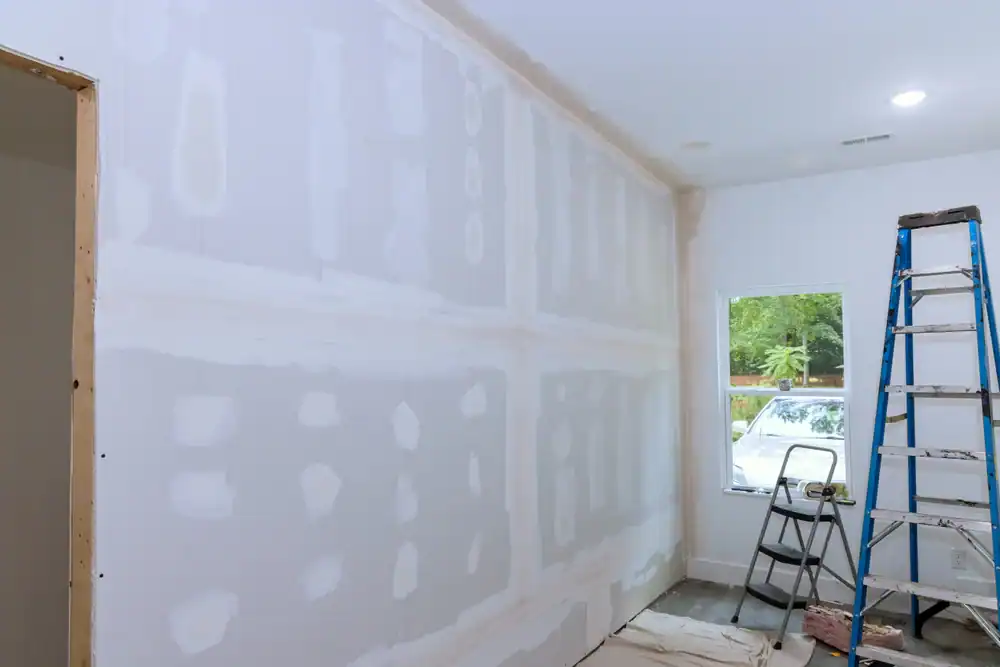
First, we assess the damage. Is it a simple nail pop, a doorknob-sized hole, or something bigger from a plumbing leak? That determines whether we’re doing a quick patch or cutting out a section and installing new drywall. Either way, you’ll know upfront what’s involved and what it costs.
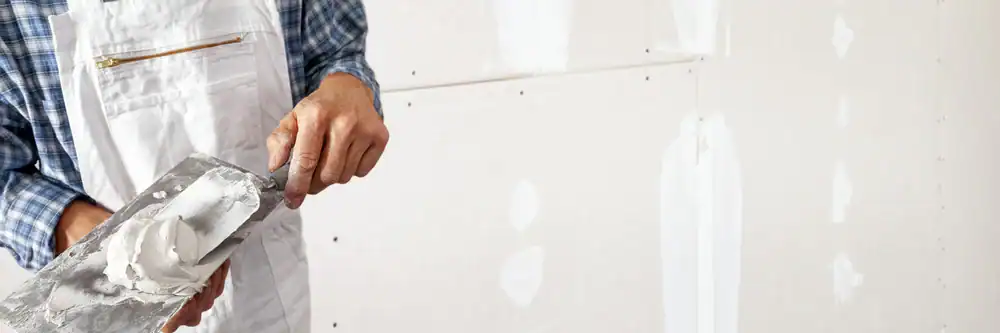
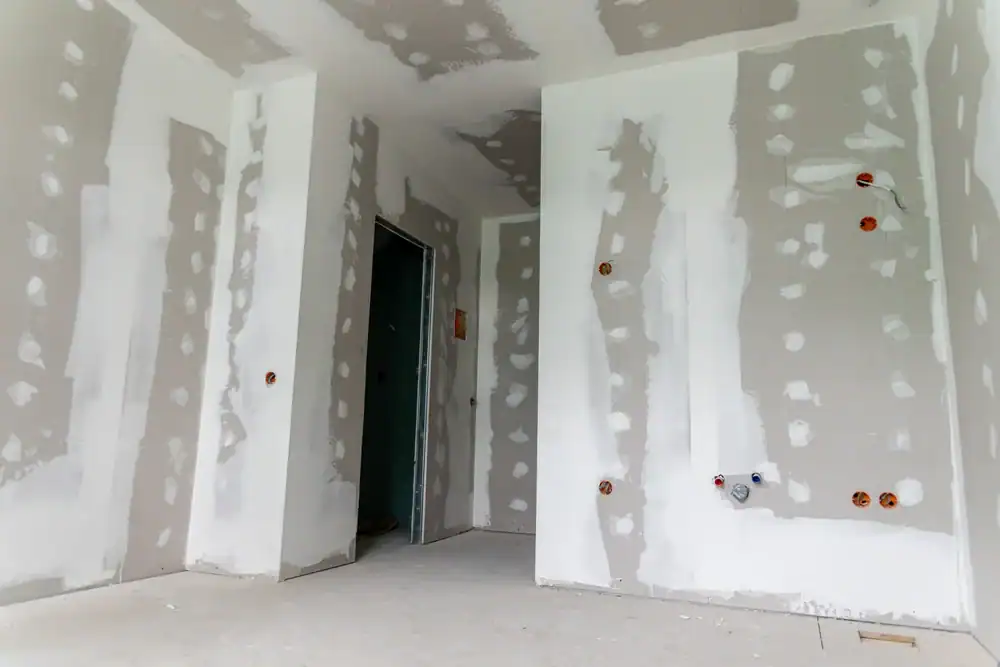
Next comes the actual repair. For small holes, we apply drywall mud in thin layers, letting each coat dry before adding the next. Rushing this step is how you end up with lumps and cracks later. For larger repairs, we cut a clean patch, secure it properly, tape the seams, and apply joint compound using the same layered approach. We feather the edges so the repair blends into the surrounding wall—no visible lines or ridges.
Once the final coat of drywall mud dries, we sand it smooth and match your texture. Knockdown, orange peel, skip trowel—whatever’s on your walls, we replicate it. Then we prime and paint if that’s part of the job, or we leave it ready for you to paint. Before we leave, the area gets cleaned. No dust on your furniture, no dried mud on the floor.
Ready to get started?
Every drywall patching job in West Poplar, PA includes damage assessment, material selection, repair work, texture matching, and complete cleanup. You’re not paying extra for someone to haul away the debris or vacuum up the dust—that’s standard.
We use quality joint compound and drywall mud designed for durability. In West Poplar, where older homes sometimes deal with moisture from aging pipes or poor ventilation, we recommend mold-resistant materials when it makes sense. That’s especially true for kitchens, bathrooms, and basement repairs where humidity sits.
Texture matching matters more than most contractors admit. West Poplar homes have everything from smooth walls to heavy knockdown patterns, and if the repair doesn’t match, it sticks out forever. We take the time to get it right—testing the pattern, adjusting our technique, making sure the first coat and finishing layers blend invisibly with what’s already there.
If your repair needs prime and paint, we handle that too. The goal is simple: you shouldn’t be able to tell where the hole was. That’s the standard for every job, whether it’s a small patch or a full wall section.
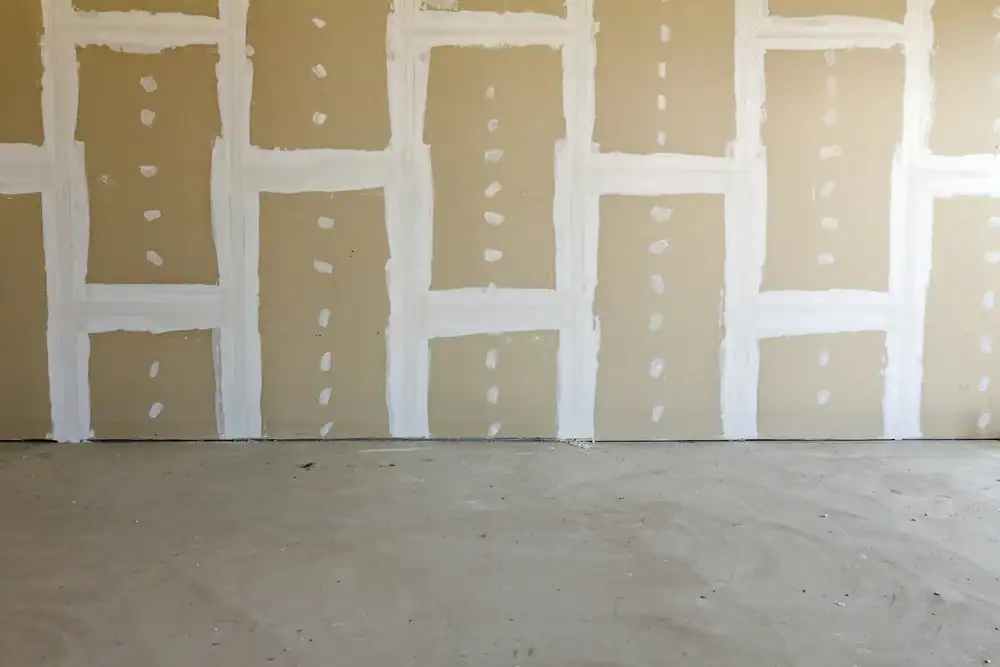
Dry time depends on the size of the repair and how many coats of joint compound it needs. A small hole with one or two thin coats of drywall mud typically dries in 24 hours. Larger repairs that require multiple layers can take two to three days total because each coat needs to dry completely before the next one goes on.
Humidity and temperature affect dry time. If your home is cool or damp, expect things to take a bit longer. Rushing this step causes cracks and shrinkage, which means the repair fails and you’re back where you started.
Once the final coat is dry and sanded smooth, it’s ready for prime and paint. Most drywall patching jobs in West Poplar, PA are fully finished and painted within a day or two after the repair work is done, depending on how quickly the mud cures.
Yes, we match texture. It’s one of the most important parts of drywall patching in West Poplar, PA, because a repair that doesn’t blend in might as well have a spotlight on it.
We replicate whatever texture is already on your walls—knockdown, orange peel, skip trowel, smooth, or something custom. The process involves testing the pattern on a scrap piece first, adjusting our tools and technique, then applying it to the repaired area. It takes experience to get it right, especially with older homes where the original texture was applied by hand decades ago.
If your walls have been painted multiple times or the texture has worn down in spots, we account for that too. The goal is for the patch to disappear completely once it’s primed and painted. When we’re done, you shouldn’t be able to find the repair unless you know exactly where to look.
Lumps usually come from poorly mixed joint compound or applying it too thick in one pass. Bubbles happen when air gets trapped under the tape or when someone presses too hard during application, then not hard enough to smooth it out. Both issues are common with DIY repairs and inexperienced contractors.
We avoid lumps by mixing drywall mud to the right consistency and applying thin, even coats. Each layer gets feathered at the edges so it blends into the surrounding wall without ridges. We don’t rush the process by slapping on thick coats to “save time”—that always backfires.
Bubbles get prevented by proper taping technique. The tape needs to be embedded in a thin layer of joint compound, pressed firmly to remove air pockets, then covered with additional coats once it’s dry. It’s basic technique, but it requires patience and attention. When done right, the surface is smooth and flat with no imperfections showing through the paint.
If the drywall got wet from a leak, you need to address moisture before patching anything. Wet drywall grows mold fast, especially in West Poplar, PA homes where older construction sometimes lacks proper ventilation. If the drywall is damp, soft, or discolored, it needs to be cut out and replaced—not patched over.
Once the source of the water is fixed and the area is completely dry, we install mold-resistant drywall for the patch. It costs a bit more than standard drywall, but it’s worth it in kitchens, bathrooms, and anywhere moisture is a recurring issue. Regular drywall will just grow mold again if conditions are right.
We also check the surrounding area for hidden damage. Water travels, and sometimes the visible damage is just the tip of the problem. If we find additional issues, we’ll let you know before moving forward. Patching over a bigger problem doesn’t fix anything—it just delays the inevitable and costs you more later.
Small repairs—nail holes, minor dings, doorknob damage—typically run $100 to $200 depending on how many spots need attention and whether you want us to prime and paint. Larger holes that require cutting a patch and multiple coats of joint compound usually cost $200 to $400 per repair.
If you’re dealing with water damage or a section of wall that needs replacing, costs go up based on the size of the area and what’s involved. A full wall section with texture matching, finishing, and paint might run $400 to $800. These are ballpark figures—actual pricing depends on the specifics of your job.
We give you a clear estimate before starting any work. The price we quote is the price you pay. No surprise fees for cleanup, no upcharges for “unexpected” issues that should’ve been obvious from the start. You’ll know what the job costs before we touch your walls, and that number doesn’t change unless you ask us to do additional work.
Cracks in old patches usually mean the repair wasn’t done right the first time. Common causes include using too much joint compound in one coat, not letting each layer dry fully before adding the next, or skipping the tape on larger repairs. Settling and movement in older West Poplar, PA homes can also cause cracks if the patch wasn’t flexible enough to handle it.
To fix it permanently, we remove the failed patch, prep the area properly, and start over with the right technique. That means thin coats of drywall mud, proper dry time between layers, and tape on any seams. We also check for underlying issues—if the wall is moving or there’s a structural problem, patching over it again won’t help.
Once the repair is done correctly with proper feathering at the edges and a smooth finish, it won’t crack again under normal conditions. The key is doing it right from the start: quality materials, proper technique, and enough patience to let each step cure before moving to the next. Shortcuts always show up later.
Other Services we provide in West Poplar