
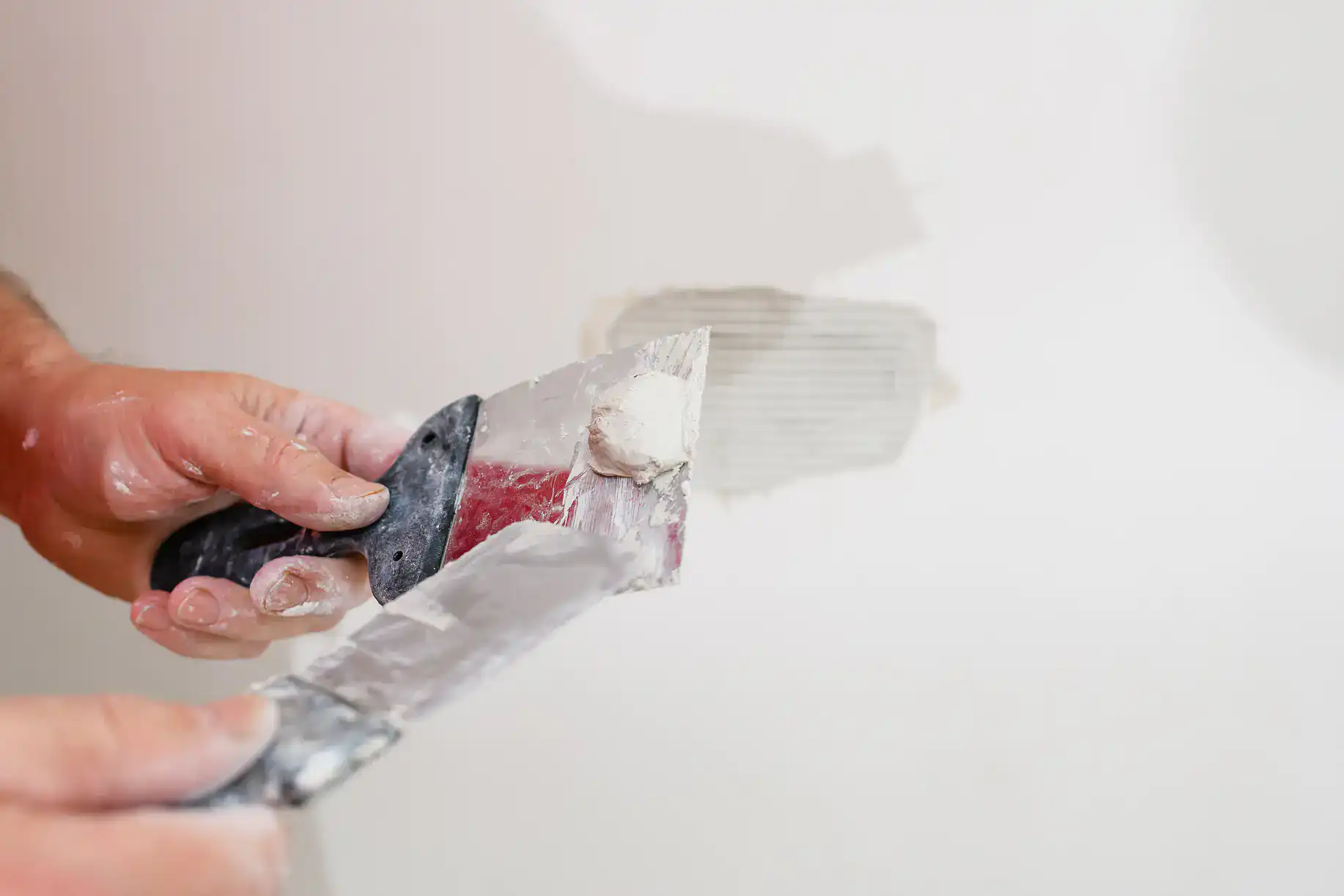
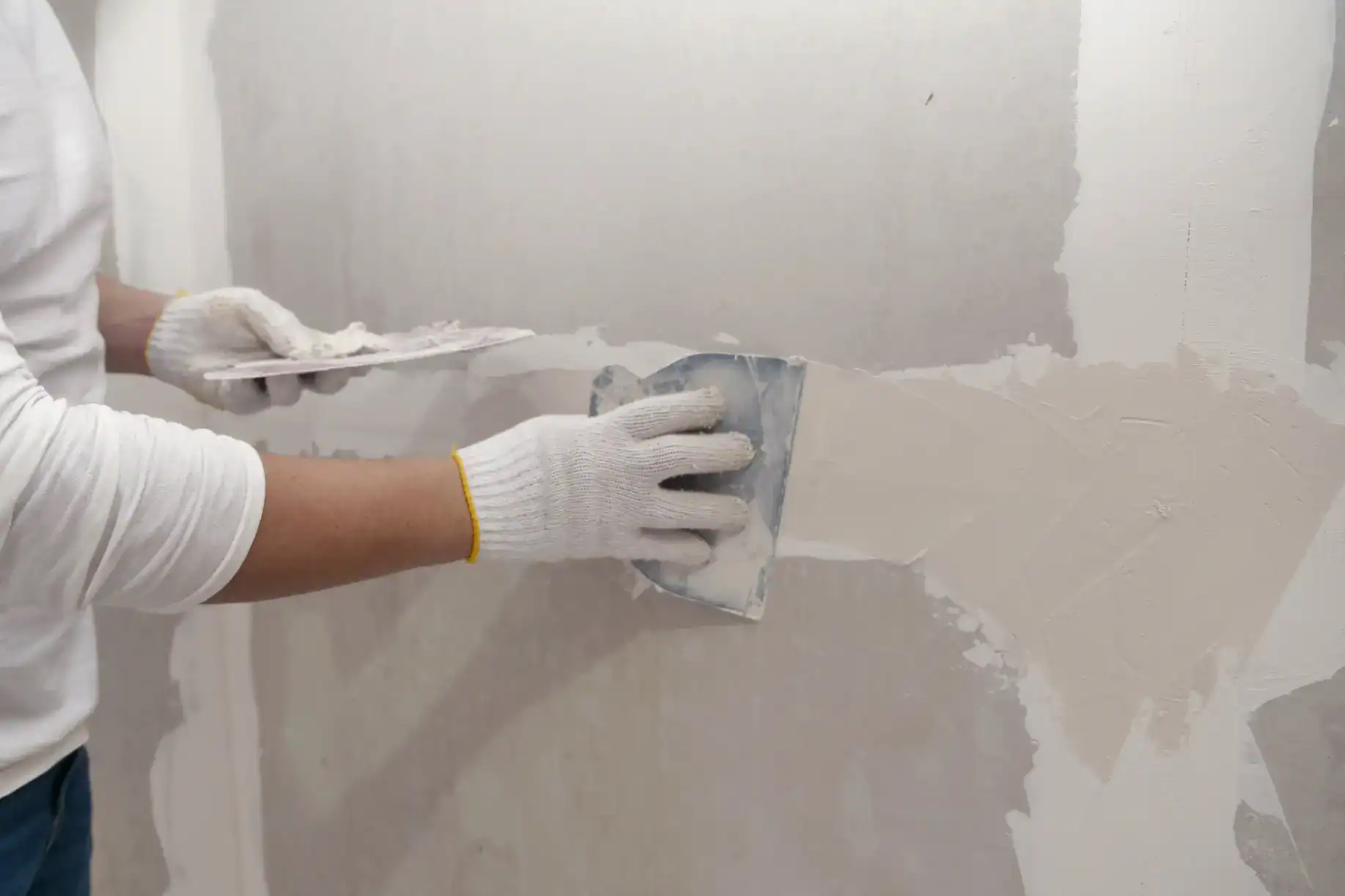
Your walls shouldn’t crack at the corners six months after installation. They shouldn’t show seams when the light hits them a certain way. And you shouldn’t be repainting every year because the finish wasn’t done right the first time.
When we understand how Philadelphia rowhouses move with temperature changes, we account for it. When we know that 14-foot-wide floor plans mean every inch of wall space matters visually, we finish accordingly. Level 4 and Level 5 finishes aren’t just industry terms—they’re the difference between walls that look acceptable and walls that look like they belong in a $579,000 home.
The cost to install drywall in Rittenhouse Square typically runs between $1,077 and $3,118 for most projects. That range exists because labor quality varies dramatically. Rushing through mud coats and skipping proper sanding saves time but costs you more in touch-ups and repaints down the road.
We’ve worked in enough Rittenhouse Square rowhouses to know that your walls probably aren’t plumb. Your corners might not be true 90-degree angles. Your masonry shifts. These aren’t problems—they’re just the reality of historic Philadelphia construction.
We carry the licensing and insurance that Philadelphia’s Department of Licenses and Inspections requires, including the minimum $1 million general liability coverage. More importantly, we’ve handled enough local projects to know when you need additional blocking at inside corners, when moisture barriers matter, and how to work in tight spaces without tearing up your floors.
You’re not hiring drywall installers who learned their trade in suburban new construction. You’re working with people who understand what makes Rittenhouse Square properties different.
First, we assess your space. Not every wall frame in a historic rowhouse provides adequate support for drywall edges, so we identify where additional blocking is needed before hanging anything. This prevents future cracking and ensures every sheet has solid backing.
Next comes the hanging process. Sheets get measured, cut, and secured with proper fastener spacing. In Rittenhouse Square homes, this often means working around existing architectural details, uneven surfaces, and structural elements that don’t follow modern standards. Precision here determines how much work the finishing stage requires.
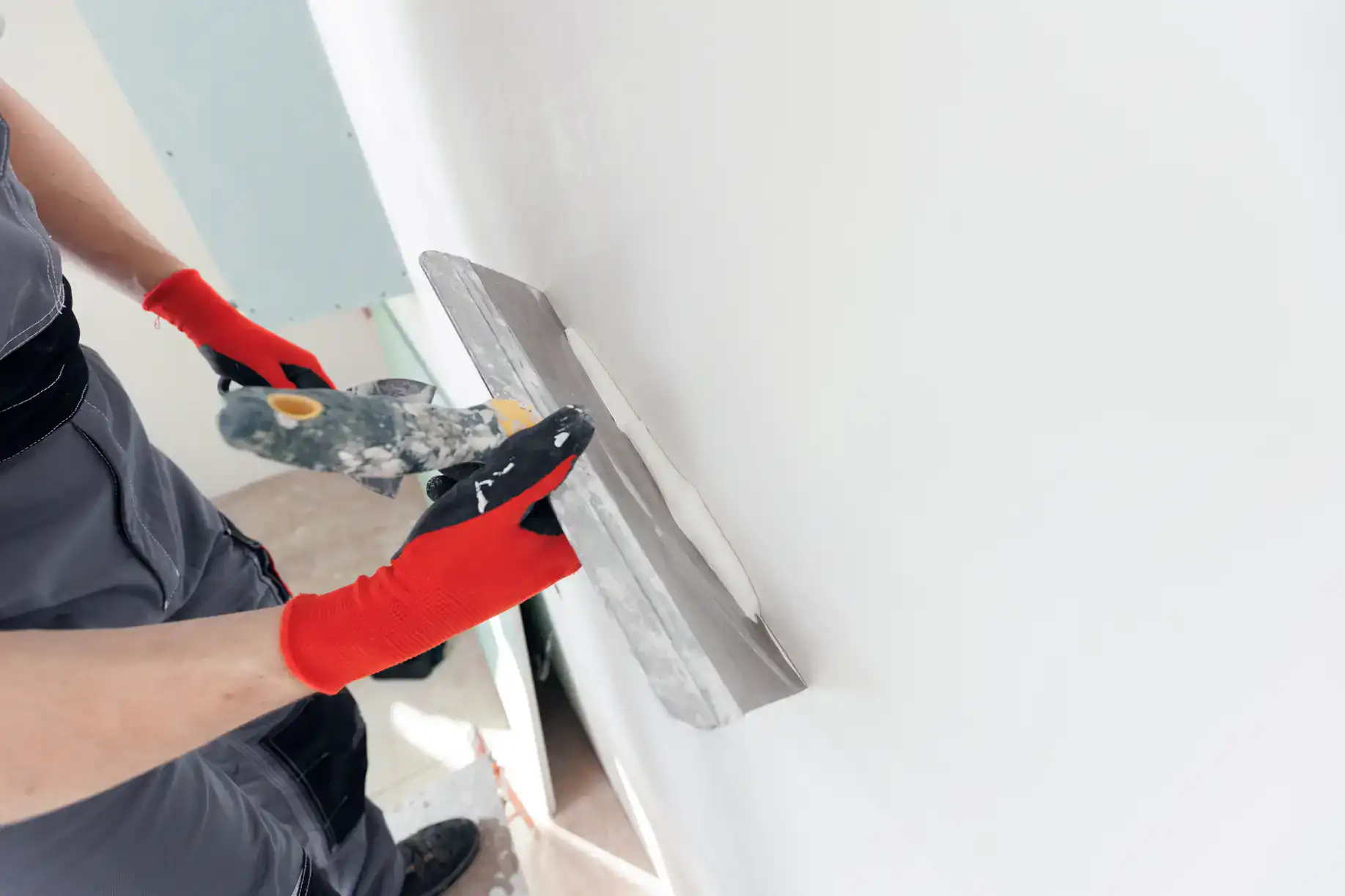
Then we tape, mud, and sand—multiple times. The average cost to install drywall includes this labor-intensive finishing work, which accounts for 65-75% of your total project cost. Each mud coat needs to dry completely before the next application. Rushing this stage is where most installation problems originate.
Finally, we clean up. Drywall dust gets everywhere, so we contain the work area and remove debris completely. You shouldn’t need a second cleaning crew after we leave.
Ready to get started?
Drywall installation in Rittenhouse Square, PA costs more than suburban projects for specific reasons. Philadelphia adds 8% total tax on materials (6% state, 2% city). Licensing requirements are stricter. And working in historic rowhouses takes longer because nothing is standard.
Your project includes the drywall sheets themselves, joint compound, tape, fasteners, and corner bead. But the real cost is labor—measuring around your home’s quirks, cutting precise angles, applying multiple finish coats, and sanding until the surface is actually smooth. That’s where quality separates itself from rushed work.
Most Rittenhouse Square drywall installation projects fall between $0.90 and $2 per square foot installed, depending on ceiling height, room complexity, and finish level. Higher-end homes typically require Level 4 or Level 5 finishes, which add coats and sanding time but eliminate visible imperfections under any lighting condition.
If you’re finishing a basement or adding walls, you’ll need a Philadelphia permit (starting at $24 for the first $1,000 of work). Small repairs don’t require permits, but structural changes do. We handle that process so you don’t have to figure out the Department of Licenses and Inspections requirements yourself.
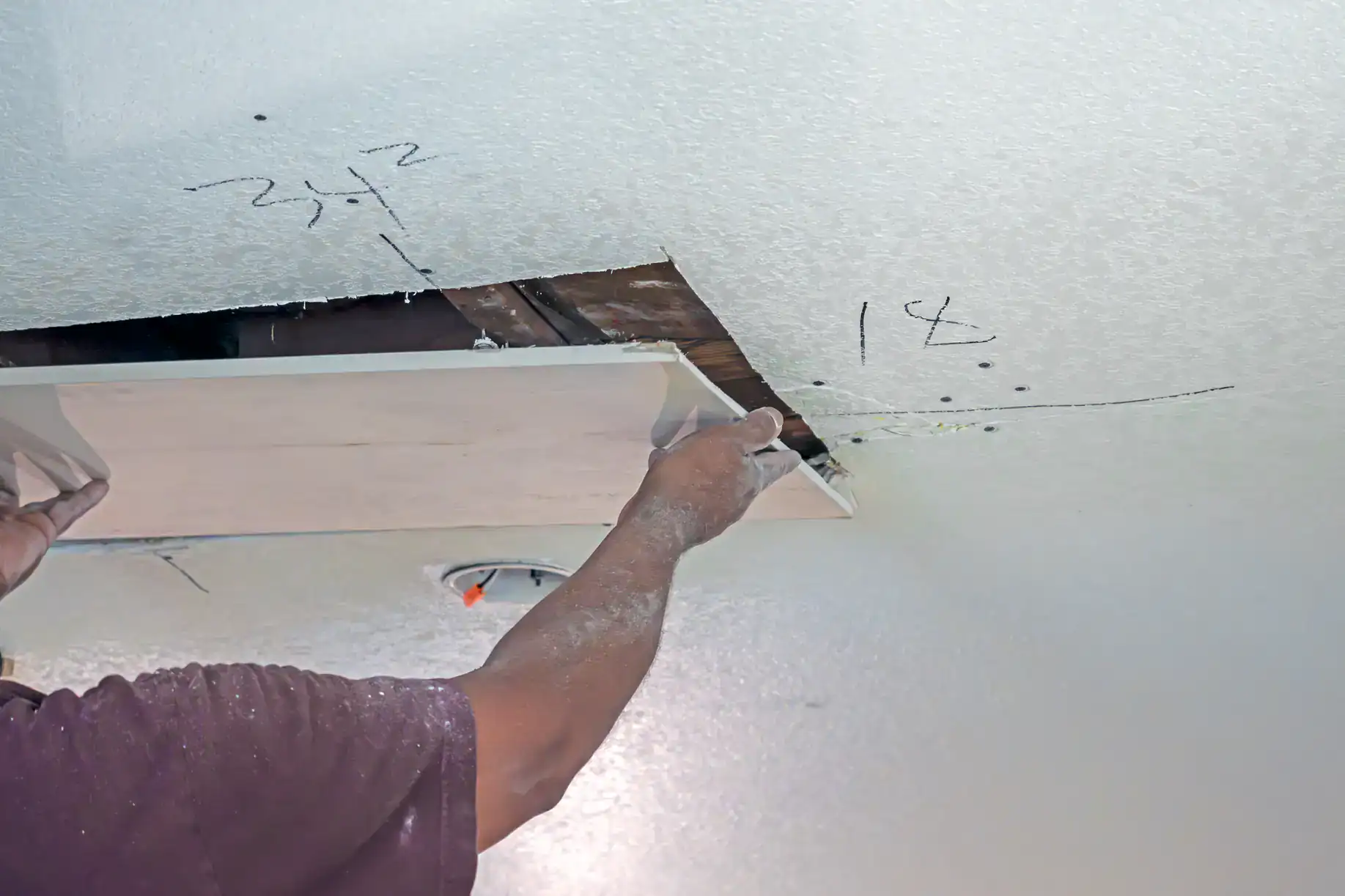
Most residential drywall installation projects in Rittenhouse Square, PA run between $1,077 and $3,118 total, with an average around $2,095. That breaks down to roughly $0.90 to $2 per square foot installed, depending on your specific project requirements.
The wide range exists because labor quality varies significantly. A drywall installer who rushes through finish coats might charge less upfront but leave you with visible seams, uneven surfaces, and walls that crack within months. Quality finishing work—multiple mud coats, thorough sanding, and proper drying time between applications—accounts for 65-75% of your total cost.
Philadelphia’s 8% combined tax rate (6% state, 2% city) and stricter licensing requirements also push costs slightly higher than surrounding areas. But you’re paying for installers who understand how historic rowhouses settle and move, which prevents the cracking and joint separation that happens when someone treats your 100-year-old home like new construction.
Cracks at door and window corners happen because that’s where your home’s movement concentrates stress. Philadelphia rowhouses expand and contract with temperature and humidity changes throughout the year. Door frames create a weak point in the wall where that movement shows up first.
Poor initial installation makes this worse. If we didn’t use proper taping techniques at corners, didn’t allow adequate drying time between mud coats, or didn’t account for your home’s structural movement, those joints fail faster. Inside corners are especially vulnerable when there’s inadequate framing support behind the drywall edge.
The fix isn’t just patching the crack—it’s addressing why the crack formed. Sometimes that means adding blocking behind the drywall for better support. Sometimes it requires using fiberglass mesh tape instead of paper tape at stress points. And sometimes it means accepting that historic homes move and planning for minor maintenance rather than expecting walls to stay perfect indefinitely.
Finish levels range from 0 to 5, but most Rittenhouse Square homes need Level 4 or Level 5. Level 4 means all joints and fasteners get multiple coats of compound, everything is sanded smooth, and the surface is ready for flat paint or light texture. You won’t see seams or fastener dimples under normal lighting.
Level 5 adds a final skim coat of compound over the entire surface—not just joints and fasteners, but every square inch of drywall. This creates the smoothest possible finish and prevents “flashing,” where joint compound shows through paint differently than the paper-faced drywall. Level 5 is standard for high-end homes with glossy paint finishes or critical lighting conditions.
The cost difference between levels comes down to labor time. Level 5 requires significantly more material and an additional day or two for the skim coat to dry and get sanded. But if you’re investing in premium paint or your walls get hit by direct sunlight that highlights every imperfection, Level 5 finishing eliminates those visible flaws completely.
Small drywall repairs don’t require permits in Philadelphia. But if you’re adding new walls, finishing a basement, or doing renovation work that involves structural changes, you need a permit from the Philadelphia Department of Licenses and Inspections.
Permits start at $24 for the first $1,000 of work and scale up from there based on project value. The permit process ensures your work meets building codes and gets inspected at appropriate stages. Skipping permits might seem like it saves money, but it creates problems when you sell your home or file an insurance claim after water damage.
Any drywall installer working on permitted projects in Philadelphia must have current licensing and insurance on file with the Department of Licenses and Inspections. That includes minimum $1 million general liability coverage. If someone tells you they can skip the permit to save money, they’re either unlicensed or willing to put you at risk for their convenience.
A typical room takes 3-5 days from start to finish, but that timeline depends entirely on the finish level you need and how many coats of joint compound your walls require. The actual hanging process—securing drywall sheets to your wall frames—might only take a day. The finishing work takes longer.
Each mud coat needs 24 hours to dry before you can sand it and apply the next coat. Level 4 finishes typically require three coats. Level 5 finishes add a full skim coat over the entire surface, plus drying and sanding time. You can’t rush this process without compromising quality.
Historic Rittenhouse Square homes often take longer because nothing is square or plumb. Cutting drywall to fit around existing architectural details, working in tight 14-foot-wide rowhouse floor plans, and addressing structural quirks all add time. A drywall installer who promises to finish your historic home in two days is either skipping necessary steps or doesn’t understand what they’re walking into.
Drywall absorbs water readily through both its paper facing and gypsum core. When it stays damp for 24-48 hours, mold starts growing. In Philadelphia’s humid summers or after any water intrusion, that timeline moves fast.
Bathrooms, basements, and exterior walls are highest risk because they see more moisture exposure. If you’ve had a roof leak, plumbing issue, or condensation problem, the drywall might look fine on the surface while mold grows behind it. Once mold establishes itself in drywall, you can’t clean it out—you have to remove and replace the affected sections.
Prevention means using moisture-resistant drywall (green board or purple board) in high-humidity areas, ensuring proper ventilation, and addressing water problems immediately. If you’re finishing a basement in a Rittenhouse Square rowhouse, moisture barriers and proper material selection aren’t optional—they’re essential to preventing mold problems that require complete reinstallation within a few years.
Other Services we provide in Rittenhouse Square