
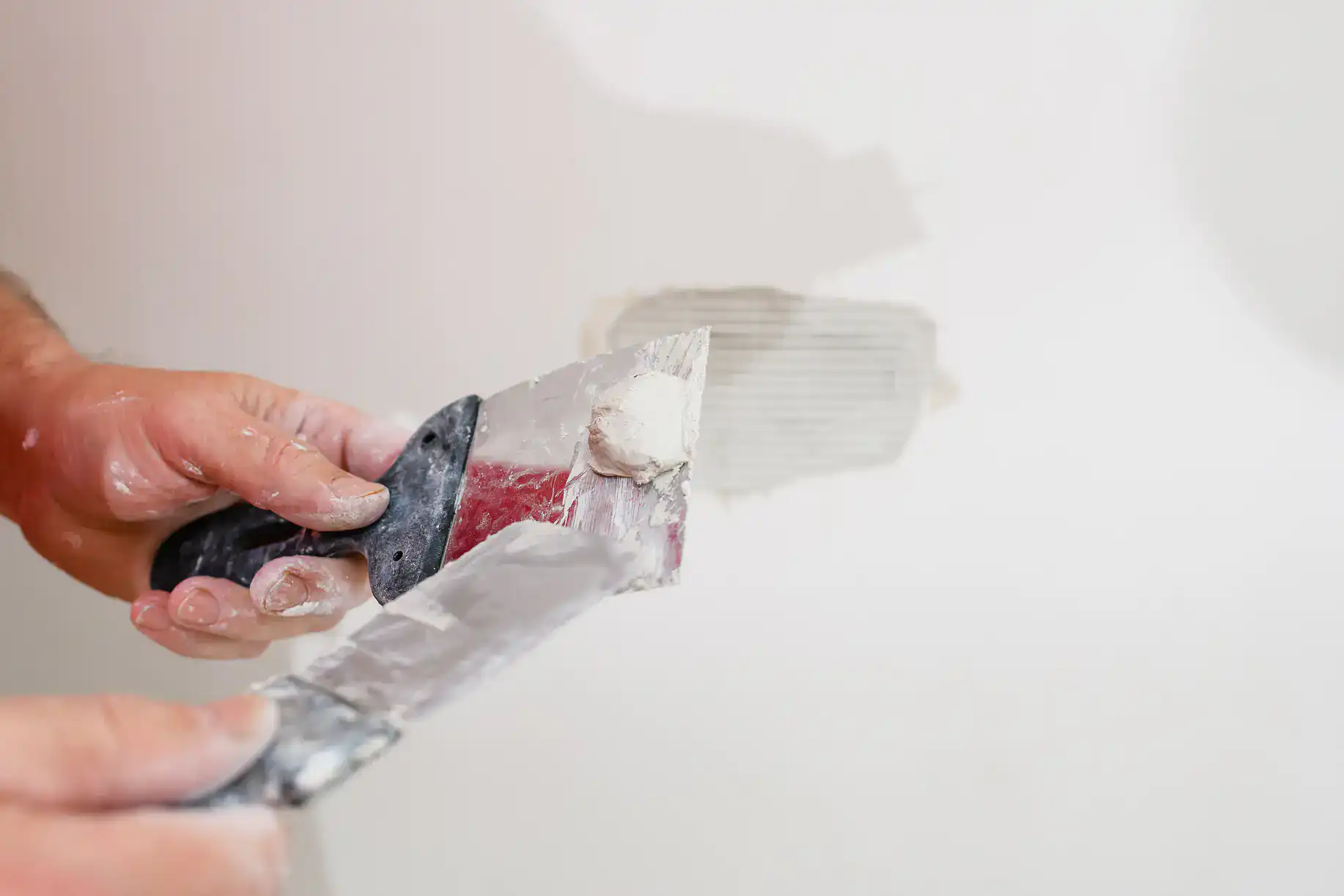
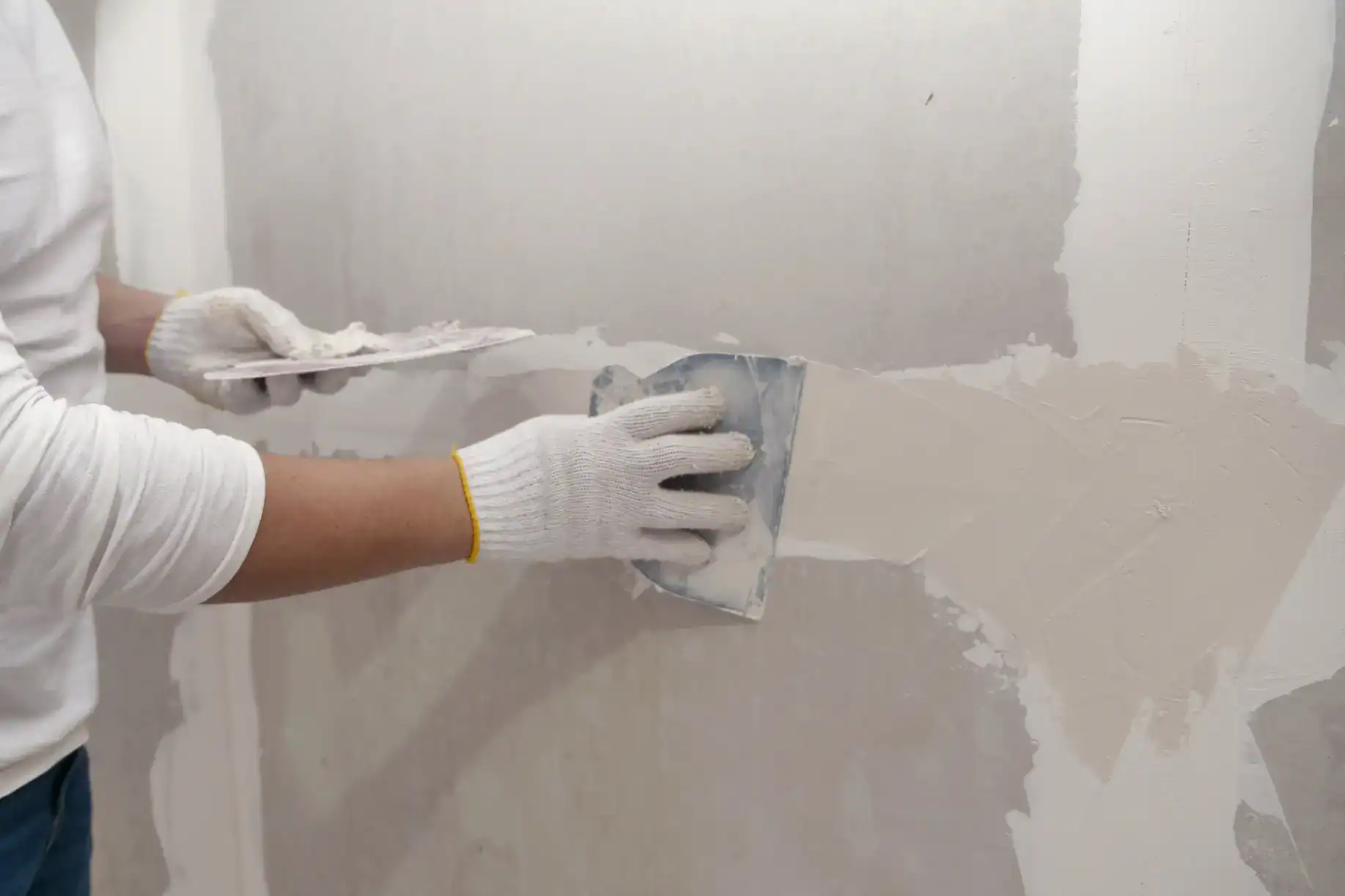
You’re not just getting drywall hung. You’re getting walls that handle moisture in a neighborhood where most homes were built in the 1950s. You’re getting seams that don’t crack when the house settles. You’re getting a finish that looks clean enough to paint over without extra prep work eating into your budget.
Most Norris Square homes have quirks—uneven studs, old plaster underneath, weird angles that don’t match modern measurements. A drywall installer who doesn’t know what they’re doing will patch over problems or blame the house. We’ve worked in these homes before and know how to adjust, compensate, and still deliver a flat wall.
The cost to install drywall in Philadelphia runs between $0.90 and $2 per square foot for professional work. That range exists because not all installation is equal. Cheaper often means faster, which usually means callbacks. You want it done right the first time so you’re not dealing with cracks or tape lines showing through six months later.
Sharpe Drywall has been installing and repairing drywall across Montgomery, Bucks, and Philadelphia counties for years. We’re licensed, insured, and familiar with the building codes that apply to your neighborhood. That matters more than it sounds like it does.
Norris Square has a specific housing stock—mostly attached homes, a lot of them older, many with updates that weren’t done to code the first time. We’ve seen it all. We know when to use moisture-resistant board, when to sister studs, and when to tell you something needs more than drywall to fix properly.
You’re not hiring a crew that’s guessing. You’re hiring drywall installers who’ve worked in homes like yours and know what actually holds up in this area.
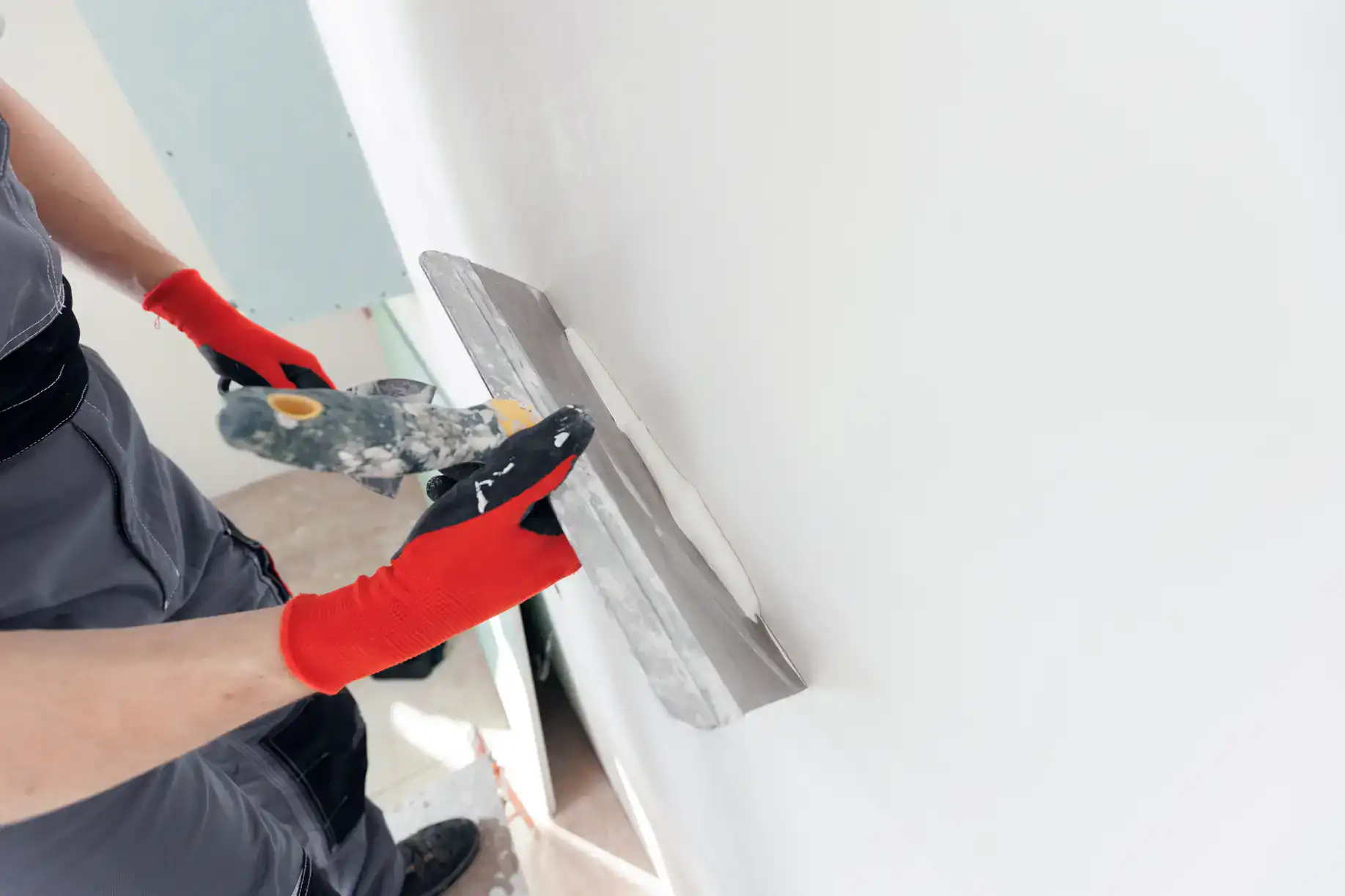
First, we come out and look at the space. We measure, check the framing, and talk through what you’re trying to accomplish. If there’s rot, mold, or structural issues, we’ll tell you before we hang anything. No surprises halfway through.
Once we start, we hang the drywall, tape and mud the seams, then sand everything smooth. Depending on the size of the job, that’s usually a few days of work. We don’t rush the mud—it needs time to dry between coats or you’ll see it later. We also don’t leave a mess. Drywall dust gets everywhere, but we contain it as much as possible and clean up when we’re done.
After the final coat is sanded, you’ve got walls ready for primer and paint. If you need texture or a specific finish, we handle that too. The goal is to hand you a space that’s ready for the next step, whatever that is for you.
Ready to get started?
The average cost to install drywall in Norris Square depends on square footage, ceiling height, and what’s behind the walls. A standard room might run $1,200 to $2,500 depending on size and complexity. That includes materials, labor, taping, mudding, and sanding. It doesn’t include paint, but it gets you to paint-ready.
We use premium drywall and joint compound because it makes a difference in how the finish holds up. In older homes, you’re dealing with movement—temperature swings, settling, humidity from kitchens and bathrooms. Cheap materials crack. Better materials flex a little and stay intact.
We also pull permits when required and make sure everything meets Philadelphia’s building codes. That’s not optional. If you’re doing work that needs inspection, we handle it. If you’re replacing drywall after water damage or during a renovation, we coordinate with other trades so the job flows without delays.
Norris Square has a lot of homeowners balancing budgets with the need to maintain their property. We get that. We’ll give you a clear estimate up front and stick to it unless something changes that we couldn’t see until the walls were open.
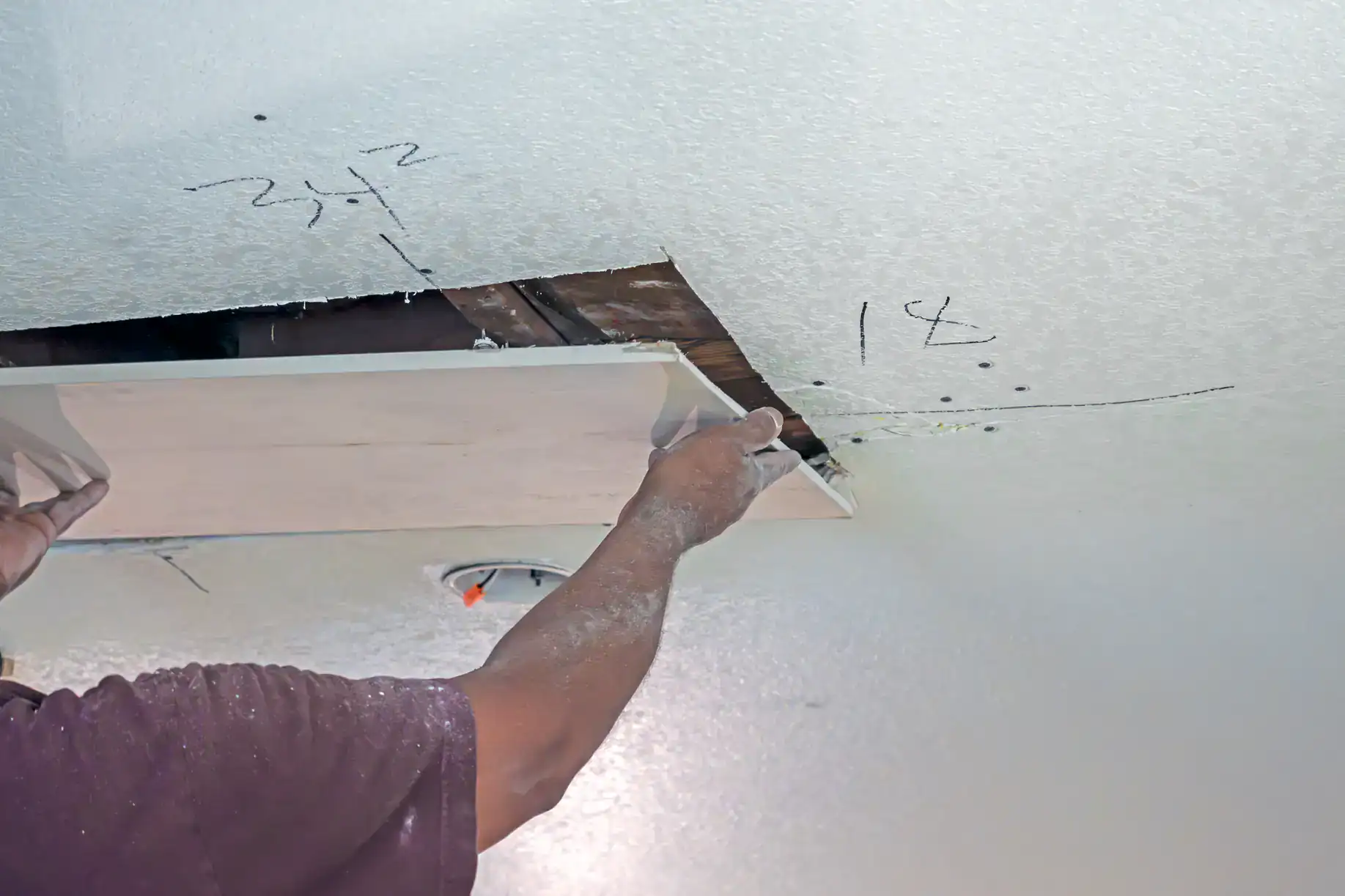
Professional drywall installation in Norris Square typically costs between $0.90 and $2 per square foot, depending on the scope of work. A standard 12×12 room with 8-foot ceilings might run $1,200 to $1,800 including materials, hanging, taping, mudding, and sanding. Larger projects or rooms with higher ceilings, multiple corners, or tricky layouts will cost more.
The average cost to install drywall across Philadelphia is around $2,095 for a typical project, but that number moves based on what you’re actually doing. Patching a few holes is different from drywalling an entire basement or replacing walls after a renovation. If you need moisture-resistant drywall for a bathroom or kitchen, that adds a bit to material costs but it’s worth it in older homes where humidity is an issue.
We give free estimates so you know exactly what you’re paying before we start. No hidden fees, no surprises halfway through.
Most drywall installation projects in Norris Square take three to five days, depending on size and complexity. Hanging the drywall itself is usually a one- or two-day job. The rest of the time is taping, mudding, drying, and sanding.
You can’t rush the mud. It needs to dry completely between coats or you’ll end up with cracks and uneven seams. We typically apply two to three coats depending on the finish you want. Each coat needs at least 24 hours to dry, sometimes longer if it’s humid or cold. Trying to speed that up just creates problems later.
If you’re on a tight timeline, let us know up front. We can sometimes adjust scheduling or bring in extra hands to keep things moving, but we won’t cut corners on dry time. You want walls that last, not walls that look good for a month and then start cracking.
It depends on what you’re doing. If you’re replacing drywall in an existing room without changing the structure, you usually don’t need a permit. If you’re adding new walls, moving walls, or doing work that involves electrical or plumbing, you’ll need permits and inspections.
Philadelphia’s Department of Licenses and Inspections is strict about this stuff, and for good reason. Unpermitted work can cause issues when you sell your home or file an insurance claim. It’s not worth the risk.
We handle permits when they’re required. We know what triggers permit requirements and what doesn’t, and we’ll walk you through it during the estimate. If you’re working with other contractors—electricians, plumbers, HVAC—we coordinate so inspections happen in the right order and nothing holds up the job.
For most rooms, standard half-inch drywall works fine. For bathrooms, kitchens, or basements, you want moisture-resistant drywall (often called green board or purple board). Norris Square homes were mostly built in the 1950s, and a lot of them have moisture issues—old plumbing, poor ventilation, basements that get damp.
Moisture-resistant drywall has a treated core that resists mold and holds up better when humidity is high. It costs a little more than standard drywall, but it’s worth it in spaces where water is present. If you’re finishing a basement, we also recommend mold-resistant drywall even if it’s not a wet area, just because basements in older homes tend to have higher humidity.
For ceilings, we usually use half-inch or five-eighths-inch drywall depending on joist spacing. Thicker drywall sags less over time and provides better soundproofing between floors, which matters in attached homes where noise travels.
Yes, in most cases. If you’re patching a section of wall or adding onto a room, we can match the existing texture so the new work blends in. That includes knockdown, orange peel, skip trowel, or smooth finishes.
Matching texture takes a little more time and skill than standard finishing, but it’s doable. We look at the existing pattern, mix the compound to the right consistency, and apply it using the same technique. It’s not always a perfect match—older textures can be hand-troweled in ways that are tough to replicate exactly—but we get it close enough that you won’t notice the difference once it’s painted.
If your existing walls have a really heavy or unusual texture, we’ll let you know during the estimate if matching it is realistic. Sometimes it makes more sense to skim coat the entire wall smooth and start fresh, especially if the old texture is dated or damaged.
Clear the room as much as possible. Move furniture, take down wall hangings, and cover anything you can’t move with plastic. Drywall dust is fine and gets everywhere, even with containment. The less stuff in the room, the easier cleanup is for everyone.
If we’re working in a kitchen or bathroom, remove anything from cabinets that could get dusty. If there’s flooring you want to protect, we’ll lay down drop cloths, but it helps if the floor is clear first. Make sure we have access to power outlets and that the space is lit well enough to work safely.
If you have pets, plan to keep them out of the work area. Drywall dust isn’t toxic, but it’s not great for animals to breathe, and open walls or tools can be hazardous. Same goes for kids—it’s safer and faster if the space is clear while we’re working.
Other Services we provide in Norris Square