You’re not dealing with cracks that reappear in six months. You’re not repainting because the finish wasn’t smooth enough. And you’re definitely not calling someone else to fix what should’ve been done correctly from the start.
When drywall finishing in Norris Square, PA is handled properly, your walls are ready for paint without extra prep work. Seams disappear. Textures match. And if there’s damage from construction next door or a leak that soaked through, the repair blends in like nothing ever happened.
That’s what matters. Not how we do it, but what your space looks like after we leave. Clean lines. Solid surfaces. Work that holds up.
We’ve been finishing walls in Norris Square and across Philadelphia long enough to know what older rowhomes need. We’ve seen the foundation shifts, the cracks from nearby construction, and the plaster that needs careful matching.
This neighborhood’s been through a lot, and the homes here deserve contractors who actually understand what they’re walking into. We’re not learning on your walls. We’re fixing them the way they need to be fixed—whether that’s a Level 5 smooth finish for a fresh renovation or blending repairs into original plaster so you can’t tell where the damage was.
You’ll work with people who show up on time, clean up after themselves, and don’t leave until it’s done right.
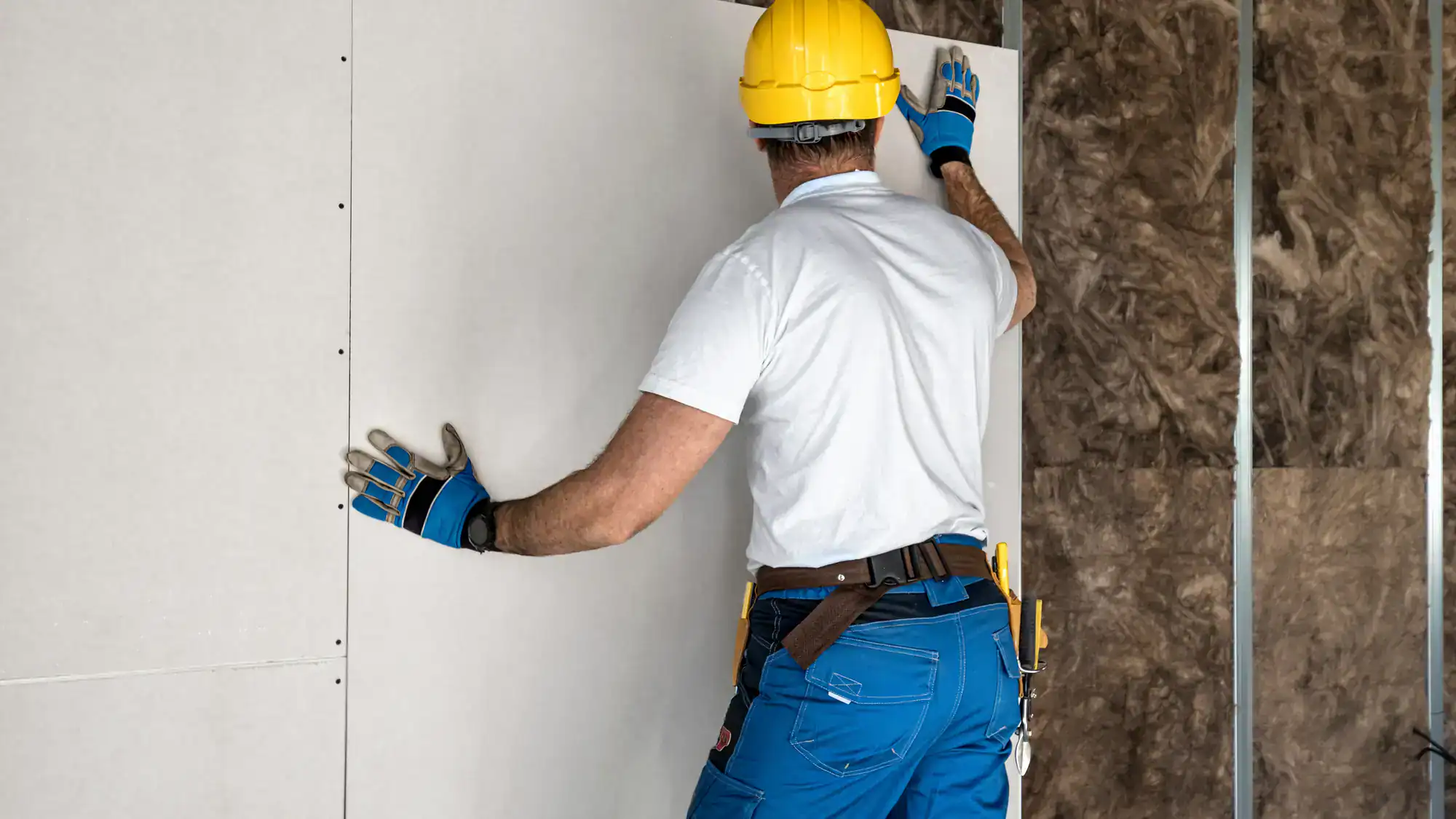
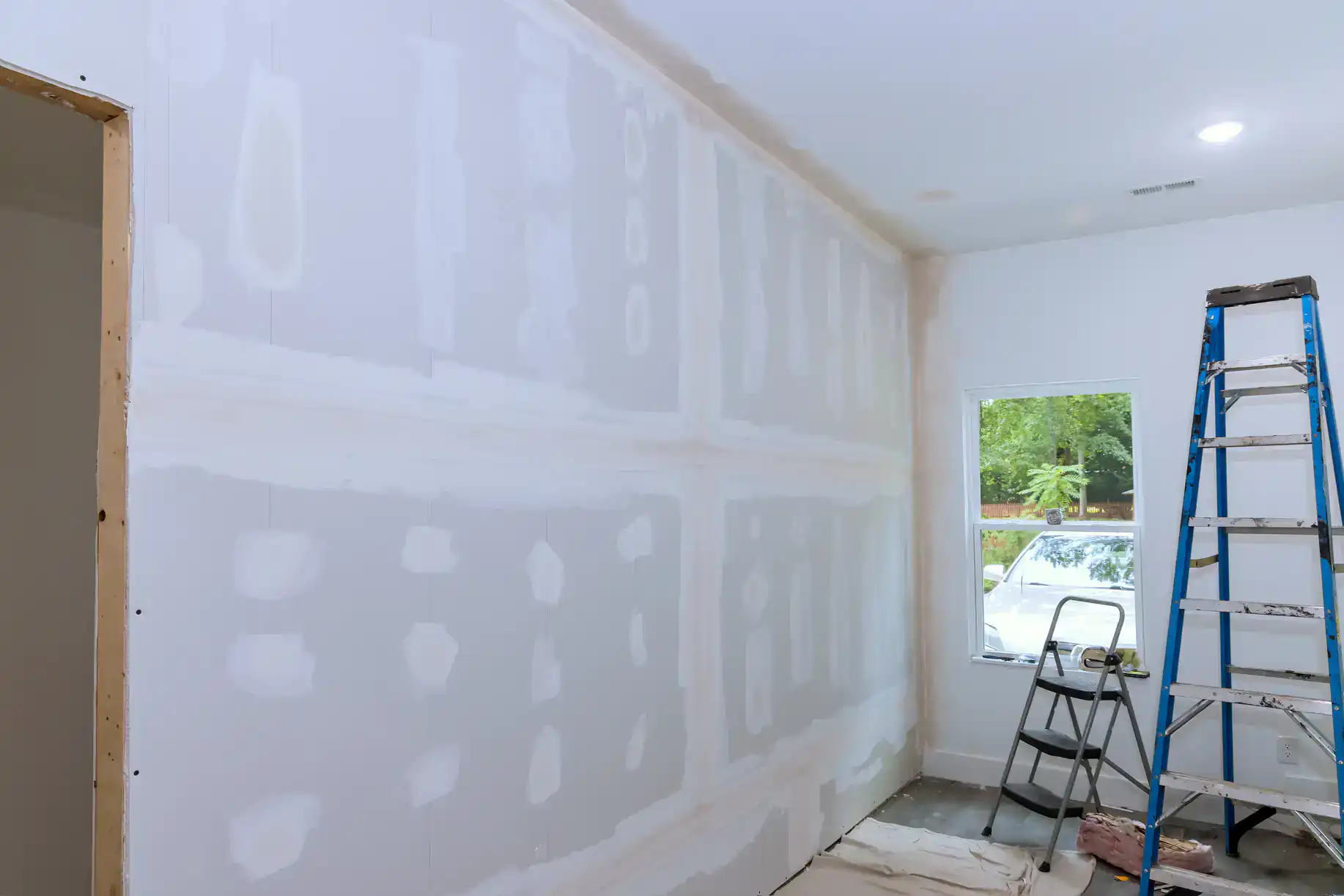
First, we look at what needs fixing or finishing. If it’s new drywall, we’re taping seams, applying joint compound, and building up layers until everything’s flush. If it’s a repair—maybe from water damage or cracks caused by construction—we’re cutting out the damaged section, securing new material, and blending it into the existing wall.
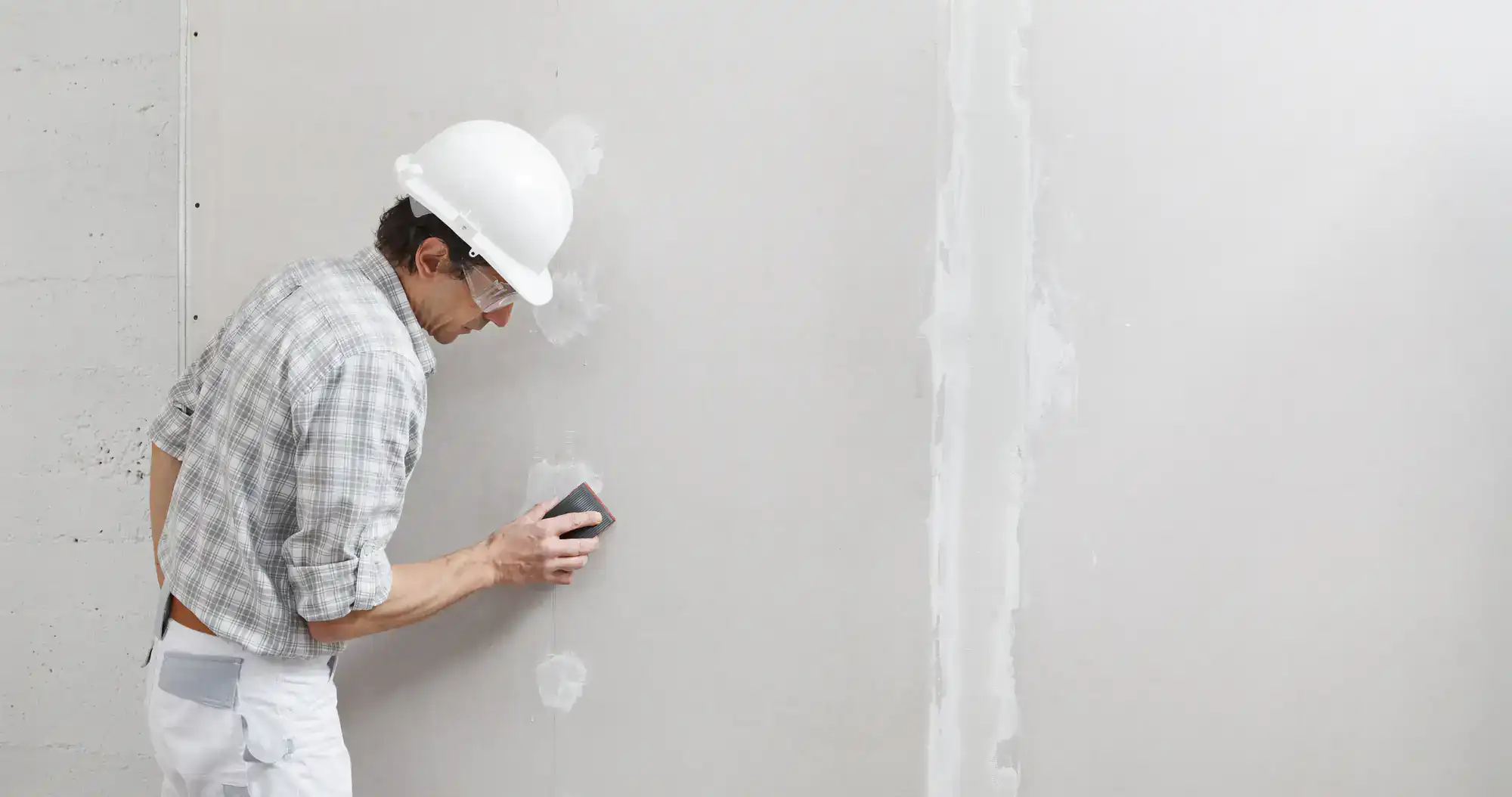
Each coat of mud gets sanded smooth before the next one goes on. That’s how you avoid ridges, bumps, and uneven texture. For higher-end finishes, we apply a skim coat over the entire surface to eliminate any imperfections before paint.
Once the final sanding is done, we clean up the dust and walk you through the finished work. If something doesn’t look right to you, we address it before we pack up. The goal is walls that are ready for whatever comes next—paint, wallpaper, or just leaving them as-is because they already look that good.
Ready to get started?
You’re getting professional drywall taping and mudding in Norris Square, PA, which means every seam is reinforced with paper or mesh tape and covered with multiple coats of joint compound. We sand between coats to keep everything level, and we don’t rush through it just to finish faster.
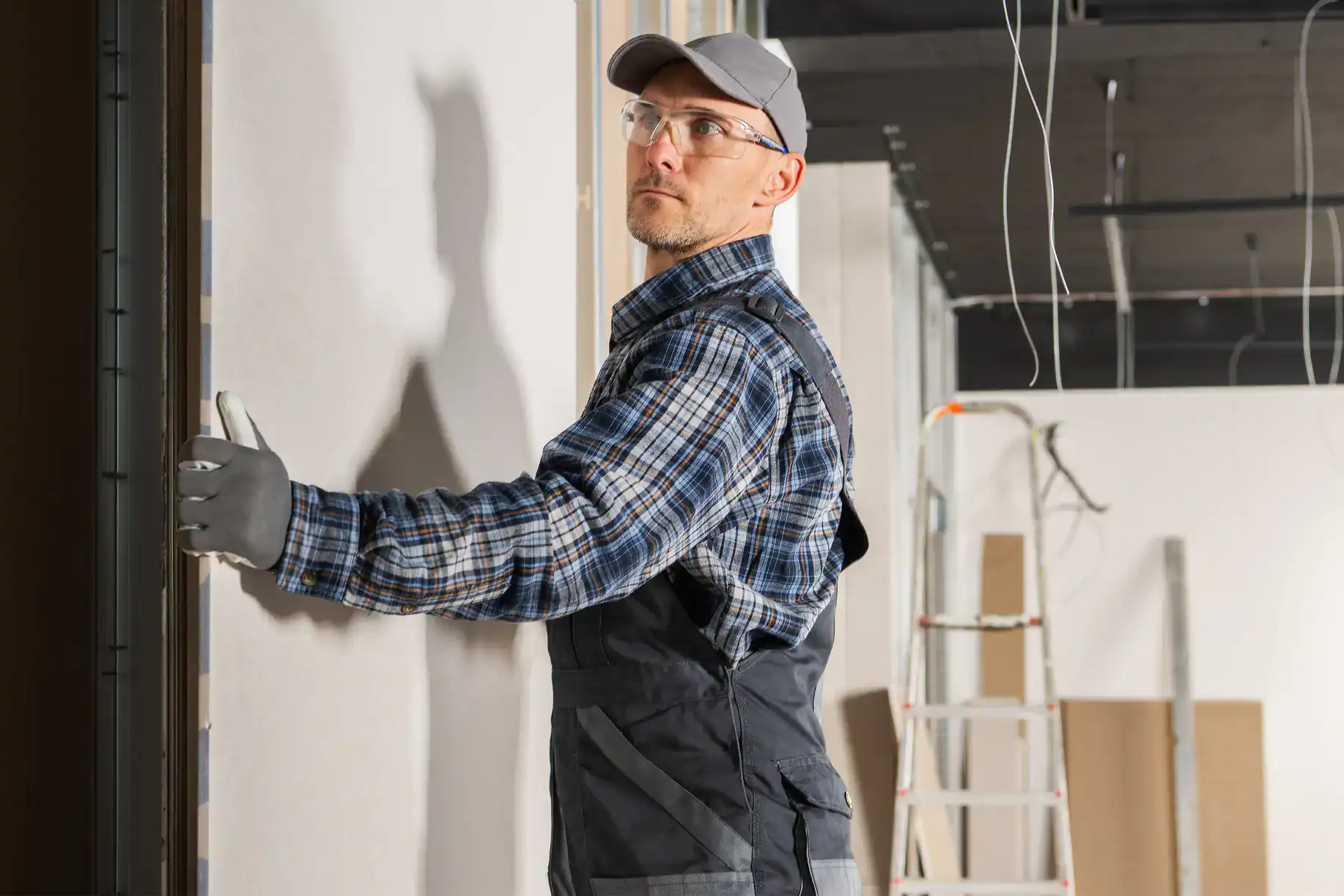
If you’re dealing with water damage, we’re cutting out the wet or moldy drywall, letting the framing dry if needed, and replacing it with mold-resistant material. Water doesn’t wait, and neither should repairs—the longer damaged drywall sits, the worse it gets. For construction-related cracks or foundation shifts, we’re stabilizing the area first, then repairing the surface so it doesn’t crack again in the same spot.
Texture matching is part of the process, too. If your walls have knockdown, orange peel, or skip trowel texture, we replicate it so repairs blend in. And if you’re in an older Norris Square home with original plaster, we use techniques that respect what’s already there instead of just slapping mud over everything and calling it done.
Most drywall finishing in Norris Square runs between $1.50 and $3.50 per square foot, depending on the level of finish you need and whether there’s repair work involved. A standard Level 4 finish—what most homes get before painting—is on the lower end. A Level 5 finish, which includes a full skim coat for a completely smooth surface, costs more because it takes extra material and labor.
If you’re repairing damage from construction, water, or foundation movement, that’s priced separately based on how much drywall needs replacing and whether framing or insulation is affected. Small repairs might be a flat rate. Larger jobs get quoted by the square foot after we see what’s involved.
We don’t give estimates over the phone because every home is different, especially in Norris Square where older construction and recent development create unique challenges. We’d rather look at your walls in person and give you an accurate number than guess and surprise you later.
Yes. Construction-related cracks are common in Norris Square, especially with all the new development putting stress on older foundations. If your walls are cracking because of vibration or settling, we start by figuring out whether the movement has stopped or if it’s still happening.
If the foundation is still shifting, we stabilize the area first—sometimes that means adding blocking behind the drywall or reinforcing the framing. Then we repair the crack using mesh tape and multiple coats of joint compound so it doesn’t reappear. For deeper cracks or separations, we may need to cut out a section and replace it entirely.
Just filling the crack with spackle doesn’t work. It’ll come back. The repair has to address what caused the crack in the first place, and it has to be reinforced properly so the wall can handle minor movement without cracking again. That’s the difference between a repair that lasts and one that fails in six months.
If you call us about water damage, we can usually get there within 24 hours. Speed matters because drywall starts breaking down as soon as it gets wet, and mold can start growing within 48 hours if conditions are right.
The actual repair depends on how much drywall is damaged and whether the framing behind it is wet. If it’s just the drywall, we cut out the damaged section, let everything dry if needed, and install new material. Taping, mudding, and finishing take a few days because each coat of joint compound has to dry before the next one goes on.
If the leak soaked insulation or structural wood, that extends the timeline because those materials need to dry completely before we close up the wall. We’re not sealing moisture inside your walls just to finish faster. That creates bigger problems down the road. We’d rather do it right and have you wait an extra day or two than rush through it and leave you with mold or rot.
A Level 4 finish is the standard for most homes. We tape the seams, apply joint compound, sand it smooth, and leave the surface ready for paint or texture. You’ll see a slight texture from the joint compound and sanding, but it disappears once you paint, especially with flat or eggshell finishes.
A Level 5 finish adds a skim coat—a thin layer of joint compound applied over the entire wall, not just the seams. This creates a completely smooth, uniform surface with no texture variation at all. It’s what you want if you’re using high-gloss paint, if the room gets a lot of natural light that shows imperfections, or if you just want the smoothest possible walls.
Level 5 costs more because it’s more labor-intensive and uses more material. But if you’re renovating a Norris Square home and want a high-end look, it’s worth it. The difference is visible, especially in rooms where light hits the walls at an angle. Most people go with Level 4 for standard rooms and Level 5 for kitchens, bathrooms, or feature walls.
Yes. If your walls have knockdown, orange peel, skip trowel, or any other texture, we replicate it so the repair blends in. Texture matching takes practice because you’re not just spraying or troweling—you’re matching the pattern, depth, and consistency of what’s already there.
We bring samples of different textures to compare against your walls, and we test the application on scrap material before we do it on your actual wall. Once the repair is textured and painted, you shouldn’t be able to tell where the damage was unless you’re looking for it.
This matters more in older Norris Square homes where the original texture might be hand-troweled plaster or an uncommon pattern. We’ve worked with enough historic Philadelphia homes to know how to match those finishes without making it obvious that modern drywall is underneath. If your walls have character, we’re not erasing it just because we had to fix a section.
For new drywall installation and finishing in Norris Square, PA, plan on three to five days depending on the size of the job. Taping happens first, then the first coat of mud. Each coat has to dry—usually overnight—before we can sand and apply the next one. Most jobs need at least three coats, sometimes more if we’re doing a Level 5 finish or if the seams need extra buildup.
Repairs are faster. Small patches might be done in two days. Larger repairs or water damage that requires replacing multiple sheets of drywall can take four or five days, especially if we’re waiting for framing to dry out.
We don’t rush the drying process. Joint compound that isn’t fully dry will crack or shrink, and sanding it too soon creates problems. We’d rather give you an honest timeline and deliver smooth, finished walls than promise a faster turnaround and leave you with subpar work. If you have a hard deadline, let us know upfront and we’ll tell you whether it’s realistic.
Other Services we provide in Norris Square