You get walls ready for prime and paint without visible seams, gaps, or texture mismatches. The kind of finish where you can’t tell where the old wall ends and the patch begins.
That’s what happens when someone knows how to feather the edges properly and doesn’t rush the dry time between coats. Your first coat sets the foundation, but it’s the finishing work that makes or breaks the final look.
Most drywall patching in Middletown, PA gets done in a single visit. You’re not waiting days for someone to come back and sand, or dealing with dust tracked through your house for a week. The job gets completed, the space gets cleaned, and you move on with your day.
No drama. No callbacks to fix what should’ve been right the first time. Just smooth walls that match the rest of your room and stay that way.
Sharpe Drywall exists because homeowners across Montgomery and Bucks County kept running into the same problems. Contractors who left mid-job, seams that showed through paint, crews who didn’t clean up. We decided to do it differently.
We’re locally owned, fully licensed and insured, and we’ve been serving Middletown, PA and the surrounding area for over ten years. Every job gets the same attention we’d give our own homes—proper materials, clean installation, respect for your space and schedule.
You’re not getting a handyman with a trowel. You’re getting contractors who understand joint compound application, know when to apply each coat, and won’t leave until the surface is smooth and clean.
First, we assess the damage—size, location, whether there’s water damage or structural issues underneath. That determines materials and approach. Small holes get a different treatment than large sections that need backing.
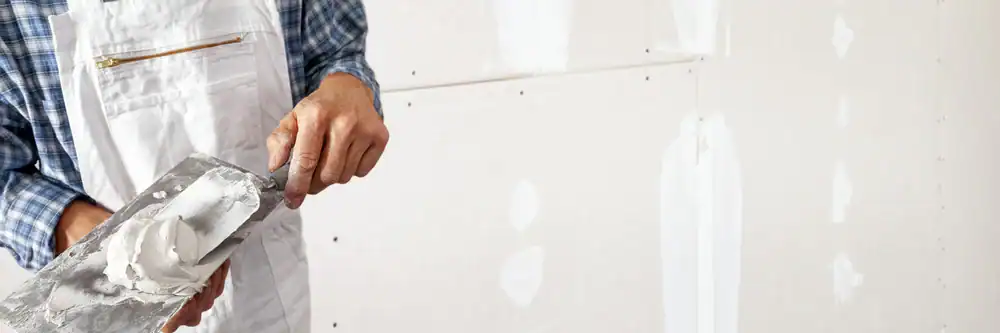
Once we’ve prepped the area and cut away any damaged drywall, we secure the patch and apply the first coat of drywall mud. This fills the gap and creates the base layer. Dry time matters here—rushing it causes cracks later.
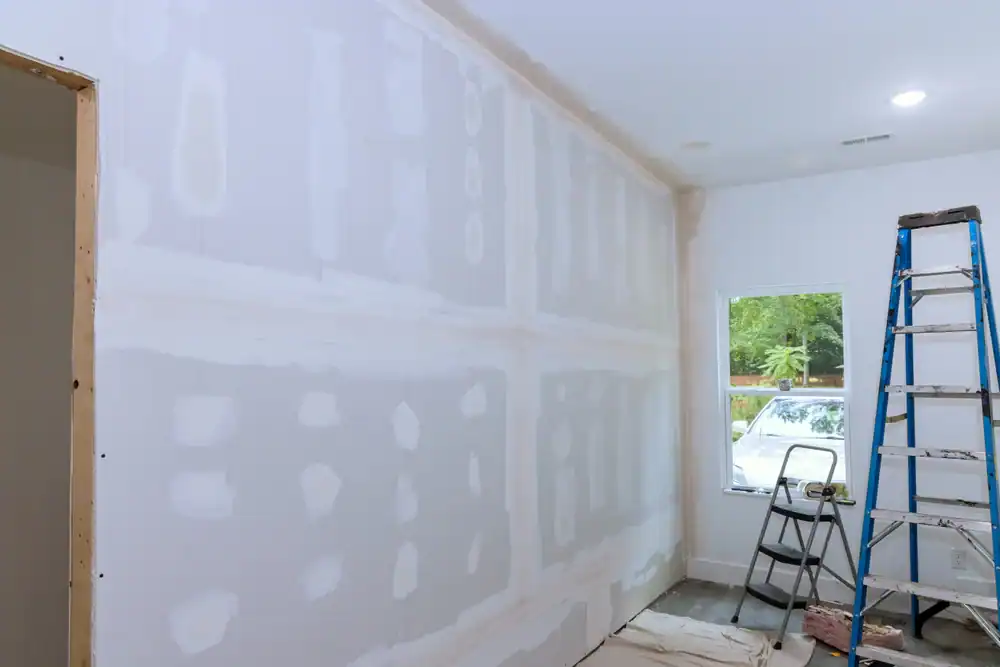
After the first coat dries, we apply additional coats, feathering the edges each time to blend the repair into the surrounding wall. The goal is making the transition invisible. Each layer gets sanded smooth before the next goes on.
Final pass includes detail sanding and a last check for any imperfections. Then we clean everything—dust, debris, drywall mud drips. You’re left with a surface that’s ready for prime and paint, and a space that’s cleaner than when we arrived.
Ready to get started?
You get transparent pricing from the start—your quote is your final price. No upcharges when we’re halfway through because we “found something.” The estimate covers materials, labor, finishing, and complete cleanup.
Middletown, PA homes deal with everything from settling cracks to doorknob damage to water spots from roof leaks. Whatever caused the hole, the repair process stays consistent: proper backing, quality joint compound, multiple coats with adequate dry time between each, and finishing that matches your existing texture.
We use premium materials because they perform better and last longer. Cheap drywall mud shrinks and cracks. Quality compound stays put. We’re not cutting corners to save a few dollars on materials when it means coming back to fix the same spot in six months.
Most jobs wrap up in one visit. Larger repairs or multiple patches might need a second trip for final sanding and inspection, but you’ll know that upfront. We respect your schedule and focus on getting the job done right the first time, not stretching it into a week-long project.
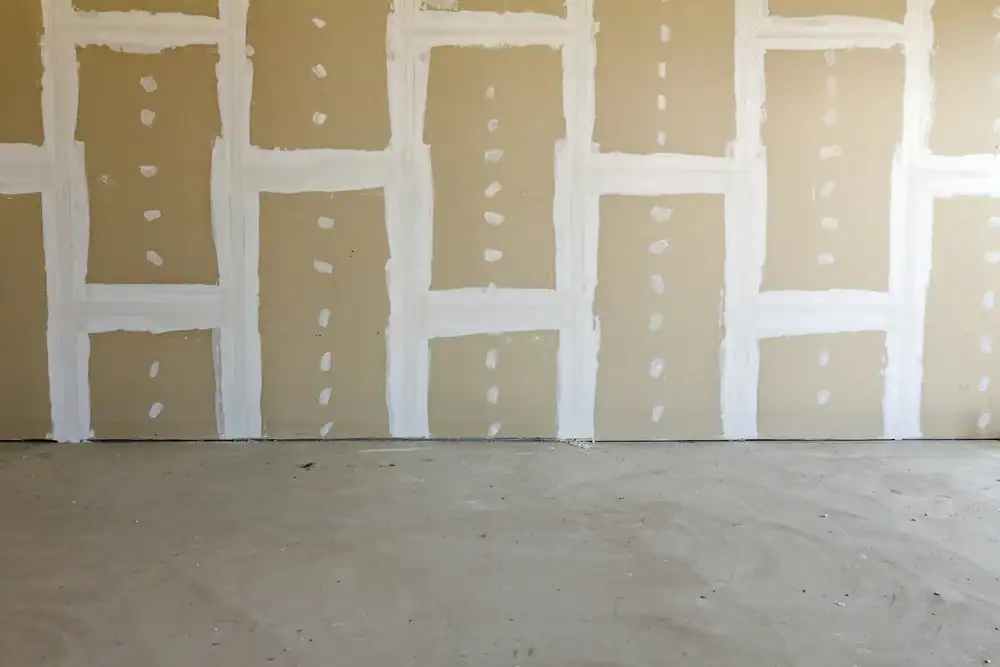
Dry time depends on humidity, temperature, and how thick you applied the coat. In typical Middletown, PA conditions, you’re looking at 12 to 24 hours between coats for standard joint compound.
Rushing this is where most DIY jobs and cheap contractors fail. If you sand or apply the next coat before the previous layer fully dries, you’ll get cracks, shrinkage, or a surface that looks fine until you paint it—then every imperfection shows up.
Thicker applications take longer. A deep hole that needs significant fill might need a full day or more before it’s ready for the next layer. We check the surface, not the clock, before moving to the next step.
Feathering the edges means gradually thinning out the joint compound as you move away from the patch toward the existing wall. You’re creating a smooth transition instead of a visible ridge where the patch stops.
Think of it like blending—the repair should fade into the surrounding surface so seamlessly that you can’t see or feel where one ends and the other begins. This takes multiple coats, each one extending slightly further than the last, with light sanding between applications.
Most visible patches happen because someone didn’t feather properly. They filled the hole, maybe sanded it flat, but left a defined edge. Once you prime and paint, that edge shows up as a circle or square on your wall. Proper feathering eliminates that.
Yes, matching texture is part of the finishing process. Whether your walls have orange peel, knockdown, skip trowel, or smooth finish, the patch needs to blend with what’s already there.
Smooth finishes are actually the most demanding—any imperfection shows up under paint. Textured walls give you a bit more forgiveness, but the texture pattern still needs to match in density and depth, or the patch stands out.
We assess your existing texture before starting and use the right tools and techniques to replicate it. Sometimes that means a specific trowel technique, sometimes it’s a spray texture, sometimes it’s hand-applied. The goal is always the same: when we’re done, you shouldn’t be able to find the patch without looking for it.
Yes, always prime before you paint. Bare joint compound and drywall are porous—they absorb paint differently than the sealed, painted surface around them. If you skip primer, the patch will show up as a dull spot even after multiple coats of paint.
Use a drywall primer or a paint-and-primer product specifically designed for new drywall. Regular wall paint doesn’t seal the surface properly. The primer creates a uniform base so your topcoat goes on evenly and matches the surrounding area.
This applies whether you’re painting the whole wall or just touching up the patch. Primer is cheap compared to the frustration of repainting because the spot keeps showing through. We always recommend it, and most of our clients in Middletown, PA have us handle the priming as part of the job so it’s done right.
Most drywall patching in Middletown, PA runs between $75 and $300 per patch, depending on size and complexity. A small nail hole or doorknob ding sits at the lower end. Large sections that need backer board, multiple coats, and texture matching cost more.
The price covers materials, labor, finishing work, and cleanup. You’re paying for someone who knows how to apply joint compound properly, respects dry time between coats, and delivers a surface that’s actually ready for paint—not someone who smears mud in a hole and calls it done.
We give you a fixed price upfront after assessing the damage. That number doesn’t change unless you add work to the scope. No surprise fees, no “we found something” upcharges halfway through. You know what you’re paying before we start.
They’re the same thing—”drywall mud” is just the common term for joint compound. It’s the material used to fill gaps, cover seams, and create a smooth surface on drywall installations and repairs.
Joint compound comes in different types: all-purpose, topping, and setting compound. All-purpose works for most patching jobs—it’s easy to sand and handles both filling and finishing. Topping compound is thinner and ideal for final coats. Setting compound (hot mud) dries faster through a chemical reaction rather than evaporation, which is useful for deep holes or when you need to speed up the process.
For most drywall patching in Middletown, PA, we use all-purpose compound for the first coat and base layers, then switch to topping compound for the final finishing passes. This combination gives you the fill you need and the smooth surface you want, without unnecessary complexity or dry time.
Other Services we provide in Middletown