
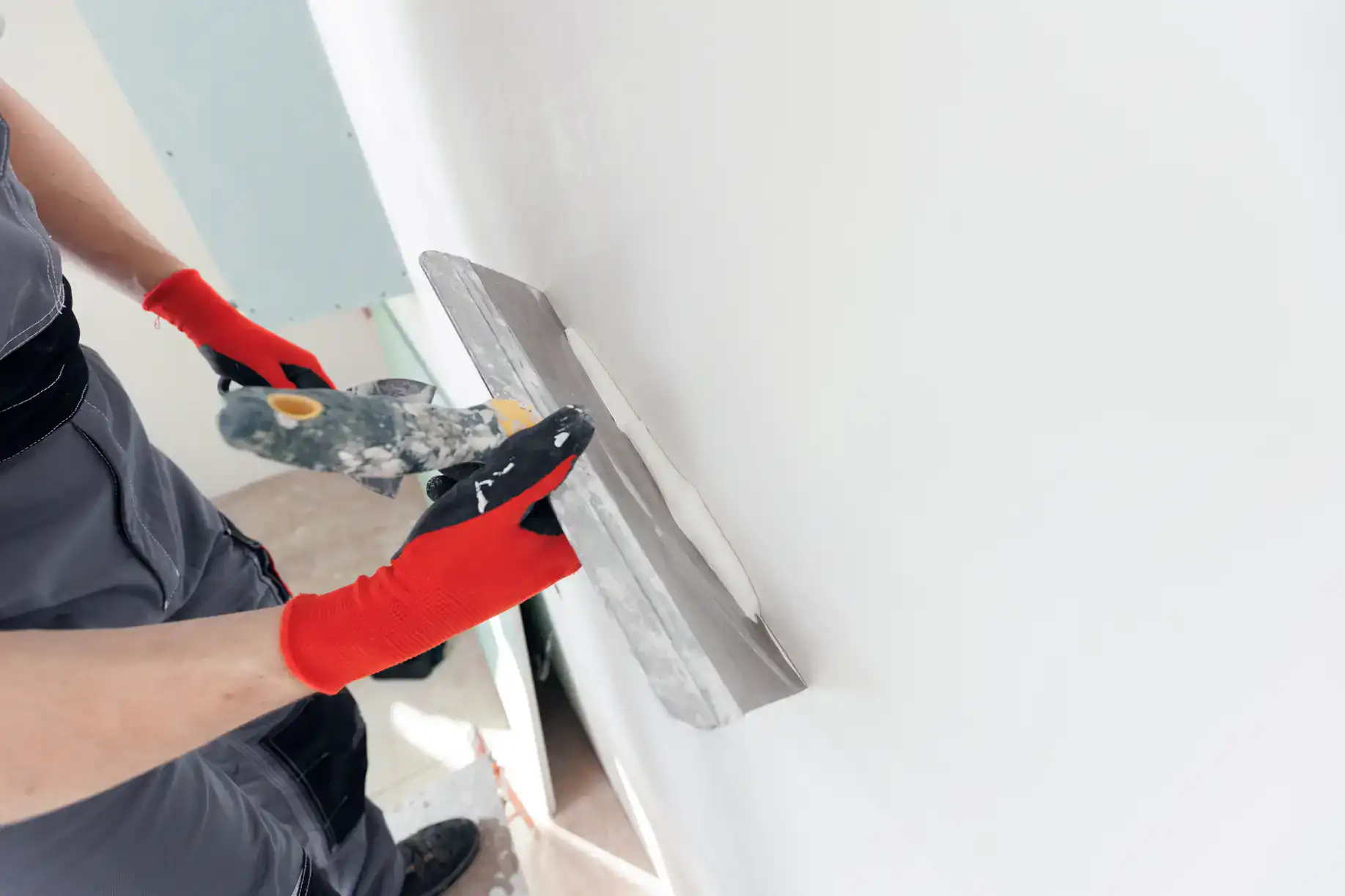
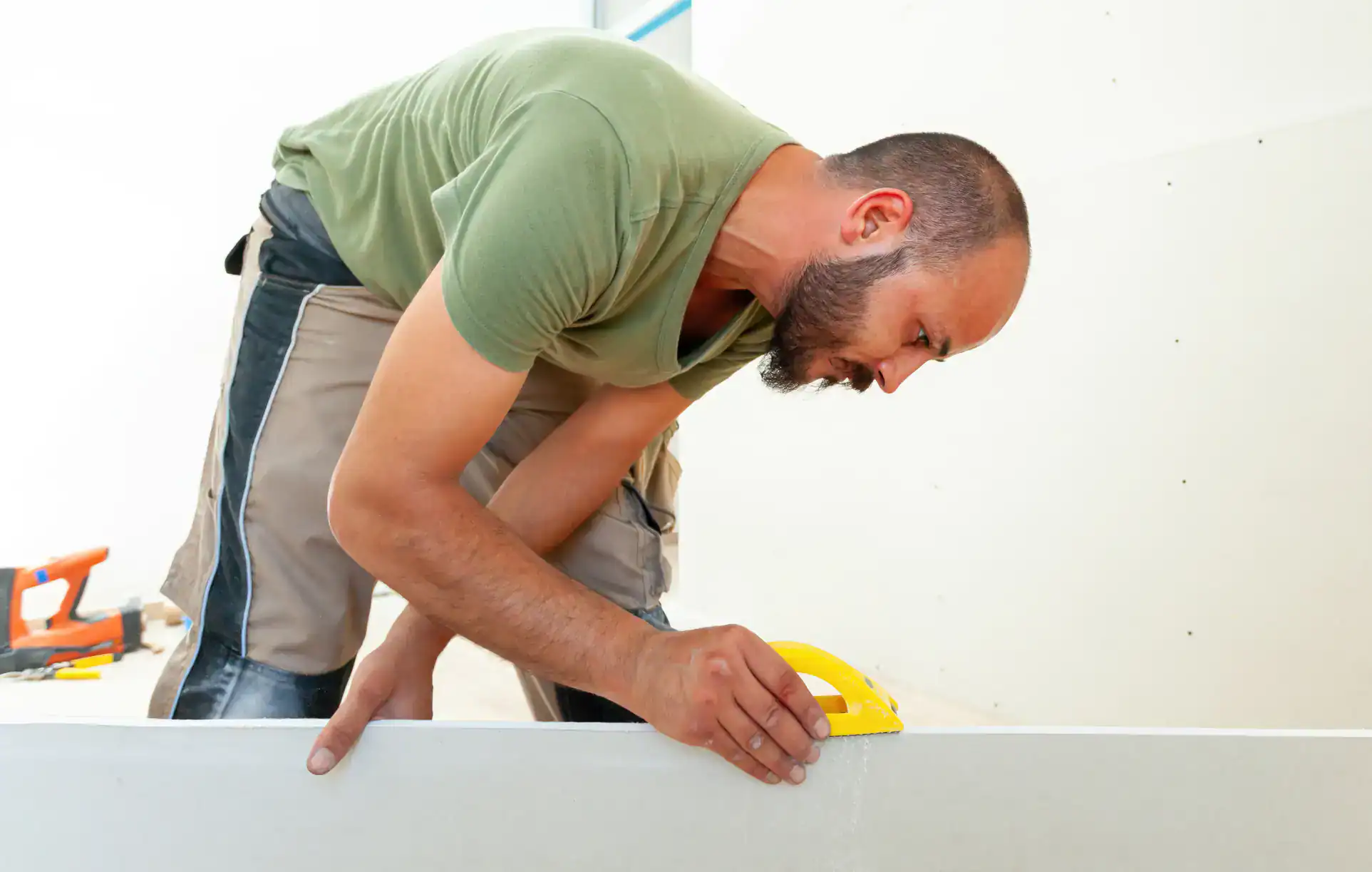
You’re not looking at the hole in your hallway anymore. You’re not explaining to guests what happened or planning which furniture might hide it. The repair blends so well that even you forget where it was.
That’s what happens when someone actually knows how to match texture on homes built between 1950 and 1999—the bulk of Woodbourne’s housing stock. Most of these homes have specific textures that cheap patch jobs can’t replicate. You end up with a smooth circle on a textured wall, or a rough patch that catches light differently.
We’ve spent years working on the exact home styles in your neighborhood. The kind with plaster underneath, multiple paint layers, and textures that don’t come in a spray can. When we’re done, you’re not staring at a repair. You’re looking at a wall.
We’re not handymen who do drywall on Thursdays. This is what we do, and it shows in how the work holds up. No callbacks for cracks six months later. No seams that telegraph through your paint.
Woodbourne homes average over $770,000 in value. You’re not looking for the cheapest option—you’re looking for someone who won’t make you deal with this twice. We’ve worked in this area long enough to know what these homes need, from water damage in older bathrooms to settling cracks in additions built in the 80s.
You’ll get a free estimate that actually means something. No surprises. No upsells. Just a clear number for work that lasts.
We start with the damage itself—what caused it, whether there’s more going on behind the surface, and what it’ll take to fix it right. If it’s water damage, we’re checking for mold and making sure the source is handled before we close anything up.
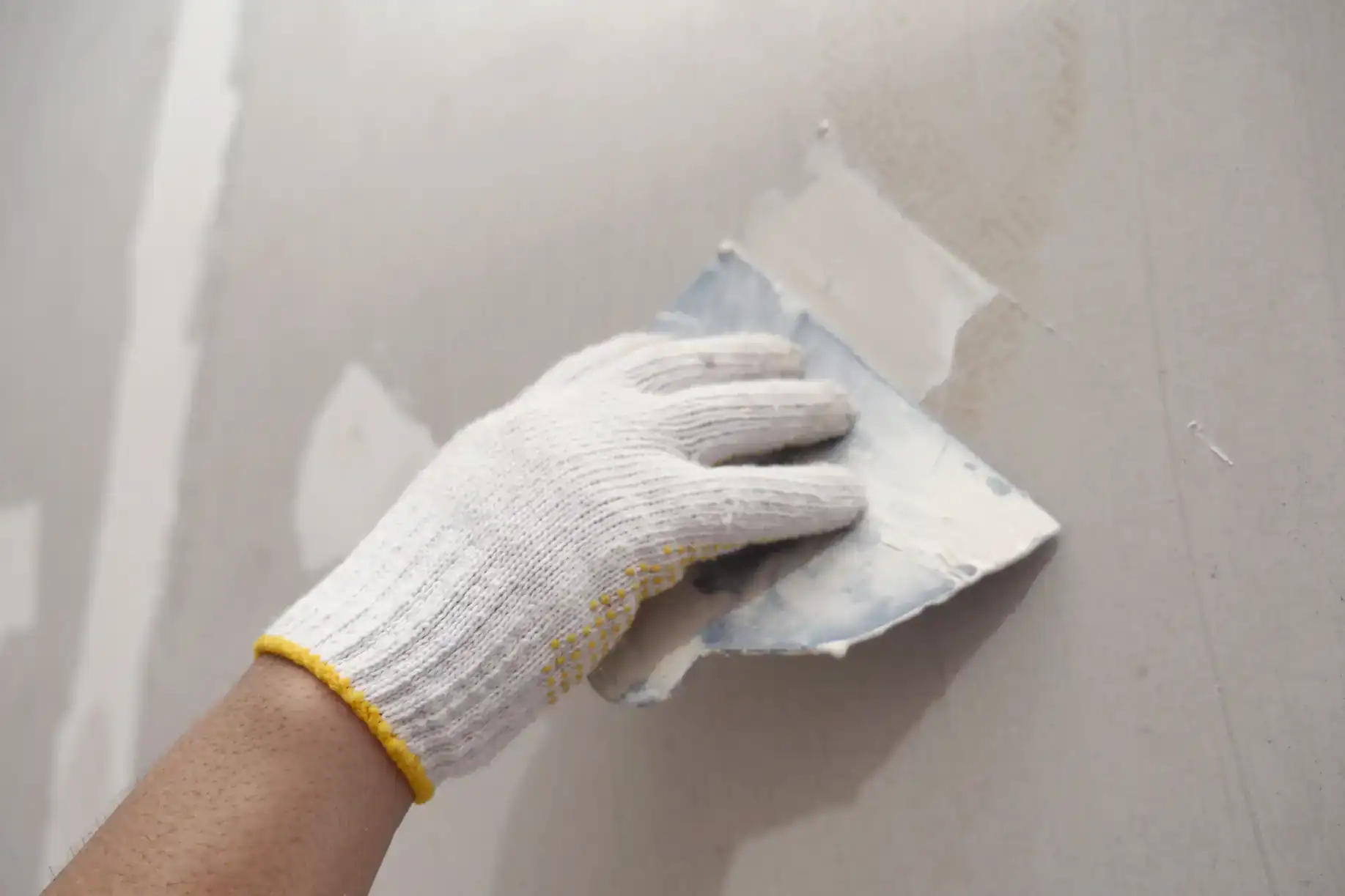
Then comes the actual repair. We’re cutting clean edges, securing backing where it’s needed, and building the surface back up in layers. Not one thick coat that cracks later. The texture match happens while everything’s still workable—not after it’s dried and too late to adjust.
Most small to medium repairs finish the same day. Larger jobs might need a second day for final sanding and paint. We’re cleaning as we go, not leaving dust everywhere for you to deal with. When we’re done, you’re walking into a clean space with walls that look right.
Ready to get started?
The cost to repair drywall in Woodbourne, PA depends on size and complexity, but most homeowners spend between $300 and $800 for typical repairs. Small holes from doorknobs or wall anchors run $300-$500. Larger damage from furniture, kids, or settling cracks costs $500-$800. Ceiling repairs and water damage start around $350 and go up depending on the extent.
You’re not just paying for someone to smear compound in a hole. You’re paying for texture matching on 40-year-old walls, proper prep so cracks don’t come back, and cleanup that doesn’t leave dust in your vents for three months.
Drywall material costs have jumped 15-17% in just the past year. But the bigger issue isn’t materials—it’s finding someone who knows what they’re doing. A bad repair costs $800 now and another $800 later when you have to fix the fix. We’ve seen homeowners spend over $6,000 correcting work that should’ve lasted decades.
In Woodbourne, where most homes are 25-50+ years old, you’re often dealing with plaster, multiple texture layers, and settling that’s still happening. That takes more than a YouTube tutorial and a taping knife.
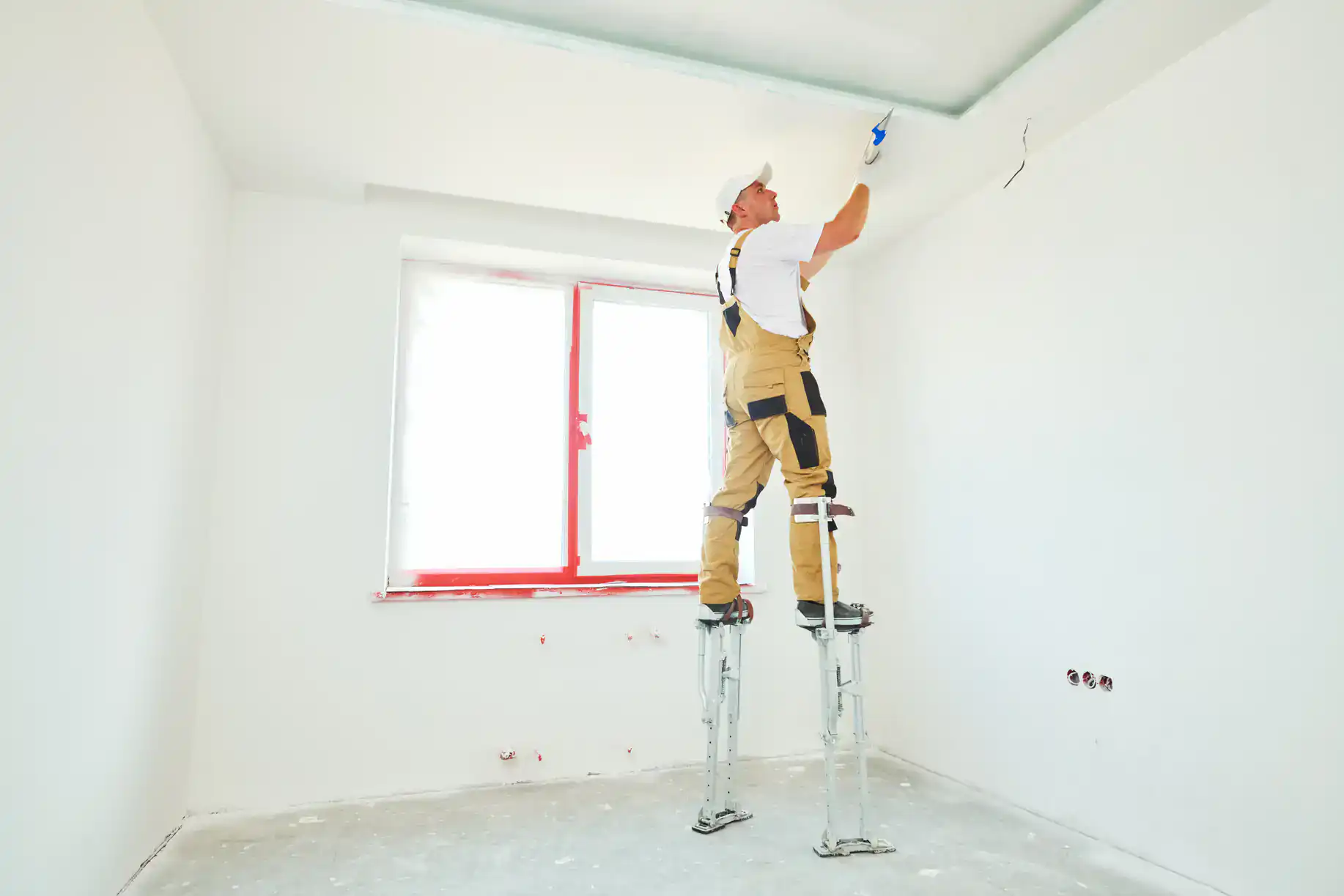
Most drywall repair costs in Woodbourne, PA fall between $300 and $800 depending on what you’re dealing with. A small hole from a doorknob, picture hanger, or wall anchor typically runs $300-$500. Larger damage—think furniture dings, bigger holes, or cracks from settling—lands in the $500-$800 range.
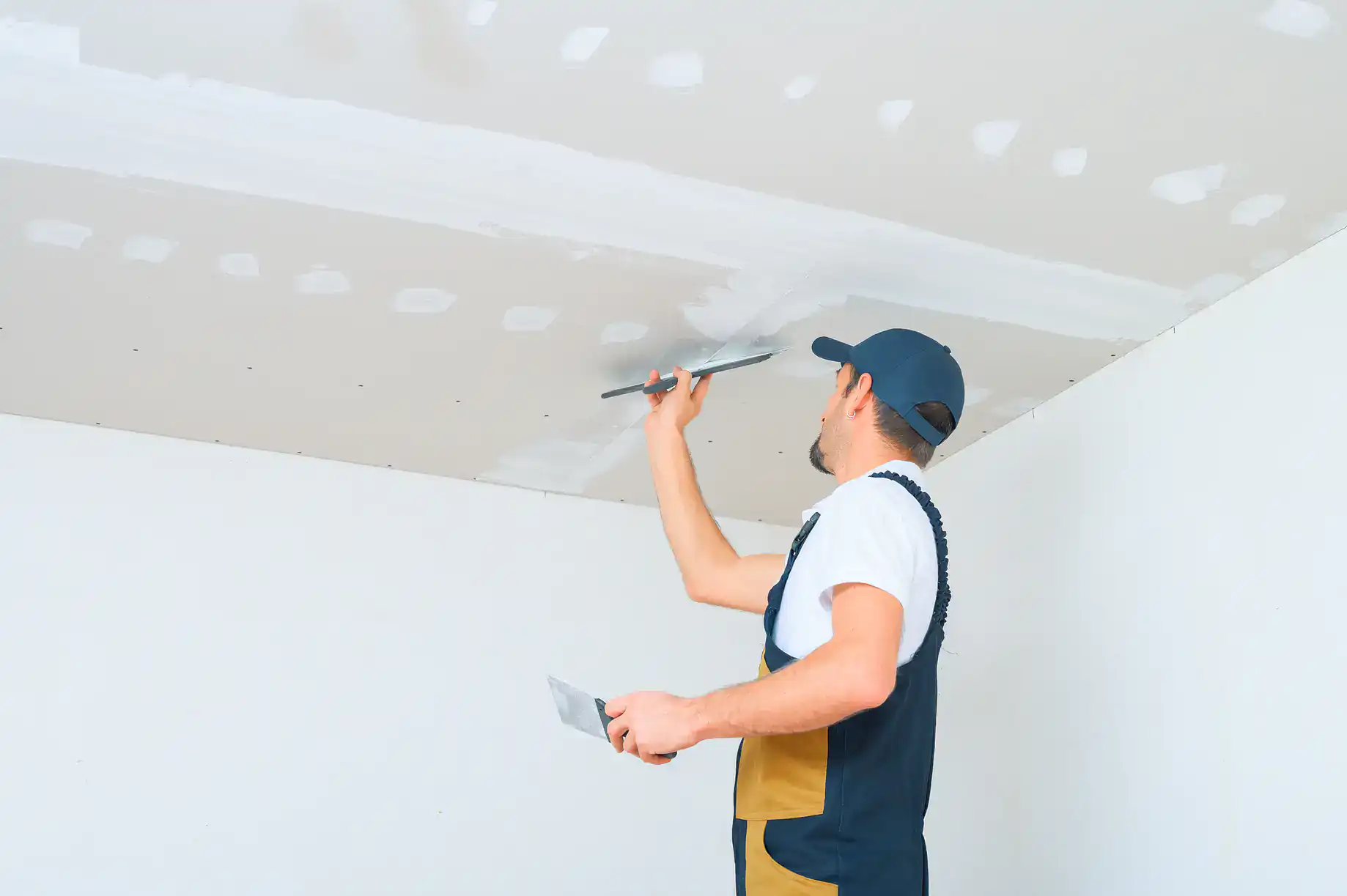
Drywall ceiling repair cost runs higher because it’s harder to work overhead and texture matching on ceilings is trickier. Expect $350-$1,500+ depending on size and whether there’s water damage involved. Water damage adds complexity because we’re checking for mold, addressing the source, and sometimes replacing insulation.
The average cost of drywall repair has climbed lately. Materials are up 15-17% in just the past year, and labor shortages mean experienced crews charge more. But here’s the thing—you’re not shopping for the lowest number. You’re shopping for a repair that doesn’t crack, bubble, or show through your paint six months later.
Most drywall repairs in Woodbourne finish in one day. Small holes and cracks take a few hours—we’re usually in and out the same morning or afternoon. Medium-sized repairs might take a full day when you factor in drying time between coats.
Larger jobs, especially ceiling work or multiple rooms, might need two days. That’s not because the repair itself takes that long—it’s because compound needs to dry properly between layers. Rushing it means cracks later, and you’re back where you started.
Water damage jobs take longer because we’re assessing what’s behind the drywall first. If there’s mold or soaked insulation, that gets handled before any patching happens. We’re not covering up problems—we’re fixing them. That might add a day or two, but it’s the difference between a repair that lasts and one that fails.
Yes, and that’s one of the biggest reasons people call us. Woodbourne has a lot of homes built between 1950 and 1999, and most of them have specific textures that don’t come out of a spray can at the hardware store. Knockdown, orange peel, skip trowel—they all have variations depending on when your home was built and who did the original work.
We’ve worked on enough homes in this area to recognize these textures and replicate them. It’s not just about the pattern—it’s about how it catches light, how thick the texture sits, and how it blends at the edges. A mismatched texture shows up every time the sun hits that wall.
This is where handyman drywall repair cost seems cheaper upfront but ends up costing more. You’ll pay $200-$300 for a patch that looks like a patch, then another $500-$800 when you call someone else to fix it right. We’d rather do it once and have it blend invisibly from the start.
You’re getting the full repair—assessment, prep, patching, texture matching, and cleanup. We’re not handing you a sanded patch and calling it done. The repair gets finished to the point where you can paint it (or we can handle the paint if you want it completely finished).
Assessment means we’re checking what caused the damage in the first place. If it’s a settling crack, we’re making sure the structure isn’t still moving. If it’s water damage, we’re confirming the leak is fixed and there’s no mold. Skipping this step is how repairs fail.
Cleanup is part of the job, not an extra. Drywall dust gets everywhere if you’re not careful—in your vents, on your furniture, ground into your floors. We’re containing the work area, cleaning as we go, and leaving your space the way we found it. You shouldn’t need to spend your weekend vacuuming compound dust out of every corner.
We handle the drywall side of water damage, which includes assessing what needs to be replaced, checking for mold, and making sure everything’s dry before we close it back up. If there’s active mold growth beyond surface level, you’ll need a mold remediation specialist first—but we’ll tell you that upfront, not after we’ve torn into your wall.
Water-damaged drywall doesn’t always need replacement. Sometimes it does, sometimes it doesn’t. It depends on how long it was wet, whether the paper face is compromised, and if there’s any sagging or crumbling. We’re checking moisture levels and looking at the structure behind the drywall, not just the surface.
The bigger issue with water damage is making sure the source is fixed. We’ve seen too many situations where someone patches water-damaged drywall without confirming the leak is actually resolved. Three months later, it’s damaged again. We’re asking questions about your roof, your plumbing, your grading—whatever might be causing water to get where it shouldn’t be.
Because you’re not just paying for compound and a taping knife. You’re paying for someone who knows how to prep the surface so cracks don’t come back, match texture on a 40-year-old wall, and finish it so you can’t tell where the repair is. That takes experience, the right materials, and time to do it in layers instead of one thick coat that looks terrible.
Material costs have jumped significantly—gypsum prices are up 133% over the past decade, and drywall costs have increased 15-17% in just the past year. But the real cost is labor. There’s a shortage of skilled workers who actually know how to do this right, and that’s driven prices up across the board.
The alternative is cheaper, and it shows. You’ll see the repair every time you walk past it. The texture won’t match. The seam will telegraph through the paint. It’ll crack within a year. Then you’re paying someone else to fix the first guy’s work, and now you’re into it for double what it would’ve cost to hire the right person from the start. That’s why the average cost for drywall repair seems high until you factor in what it costs to fix it twice.
Other Services we provide in Woodbourne