
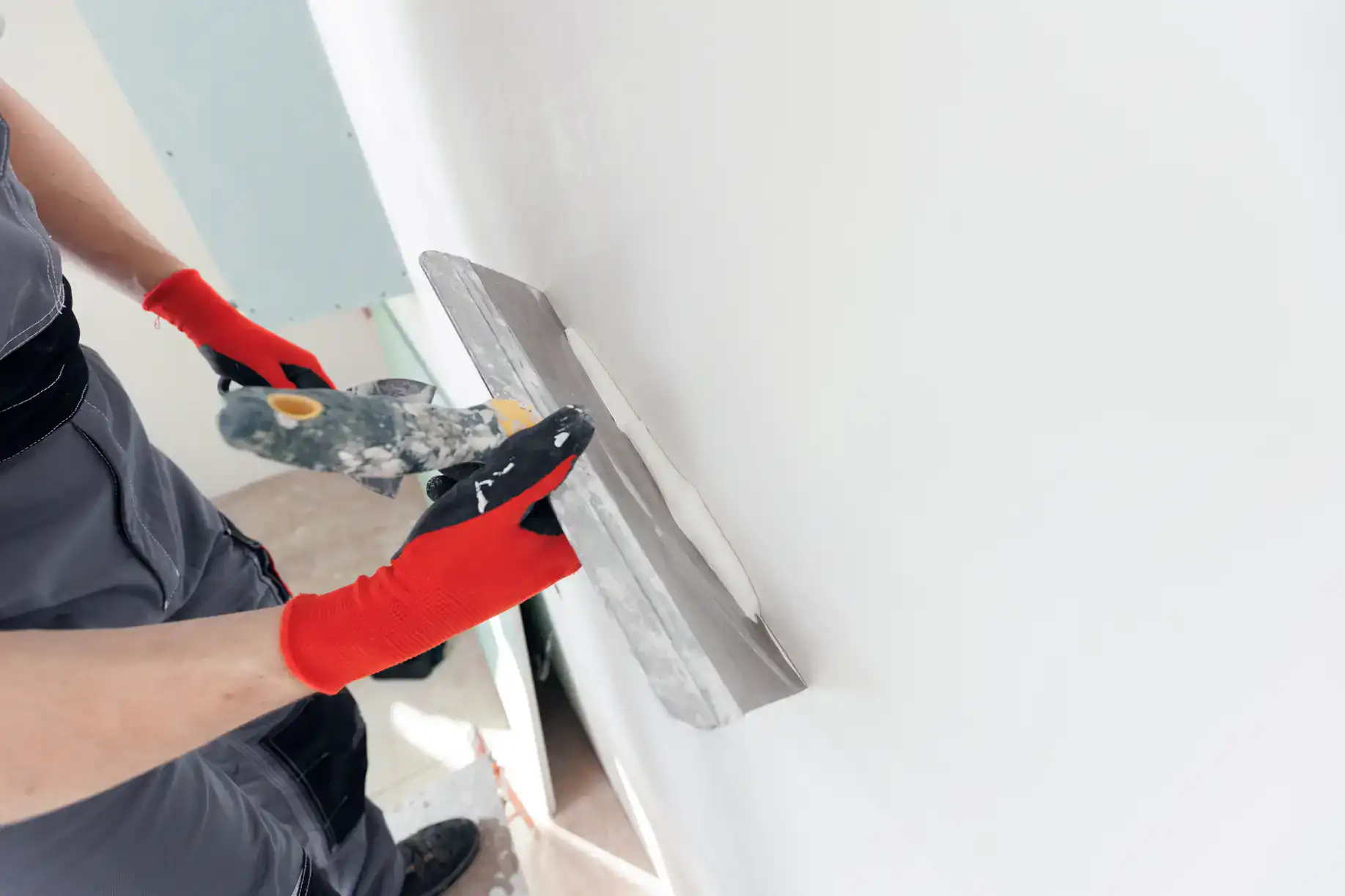
You’re not looking at a patched wall anymore. You’re looking at a wall that matches—texture, color, finish. The kind where guests don’t notice anything was ever wrong.
That’s what happens when someone knows how to handle historic Philadelphia homes. Homes built before 1940 settle differently. Plaster and drywall don’t behave the same way. Water damage shows up in corners and ceilings where old pipes run. Foundation cracks appear around doorways and windows.
Most homeowners in Strawberry Mansion deal with at least one of these. Maybe you tried fixing it yourself and ended up with a lumpy patch that’s more obvious than the original hole. Or you’re tired of looking at cracks that keep coming back every winter. Either way, you want it fixed once—and you want it to look right.
We work throughout Montgomery County, Bucks County, and Philadelphia. We’re licensed, insured, and we’ve spent years learning how older homes behave—especially in neighborhoods like Strawberry Mansion where most houses were built decades ago.
We’re not a franchise. We’re not a handyman service that does drywall on Tuesdays. This is what we do, and we do it in homes like yours every week.
When you call, you’re talking to someone who’s actually done the work. Someone who knows that a house built in 1930 has different challenges than one built in 1990. And someone who’s not going to leave your living room looking like a construction site.
First, we look at what’s actually going on. Not just the hole or crack you see, but what caused it. Is it foundation settlement? Water damage? Just normal wear? That tells us how to fix it so it doesn’t come back.
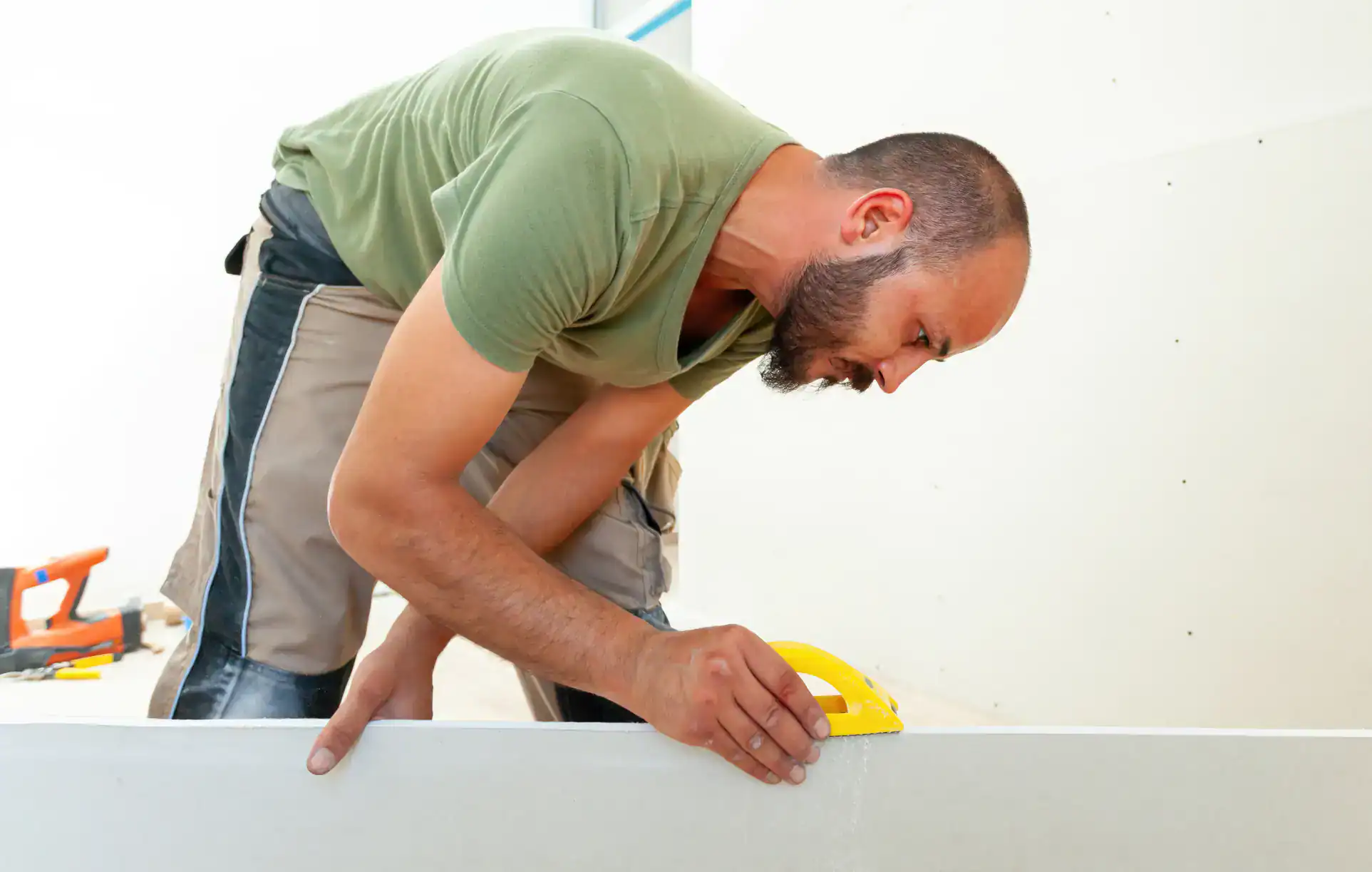
Then we prep the area. We cover your floors and furniture, cut out any damaged material, and make sure the surface is clean and solid. If there’s moisture or mold, we address that before we patch anything.
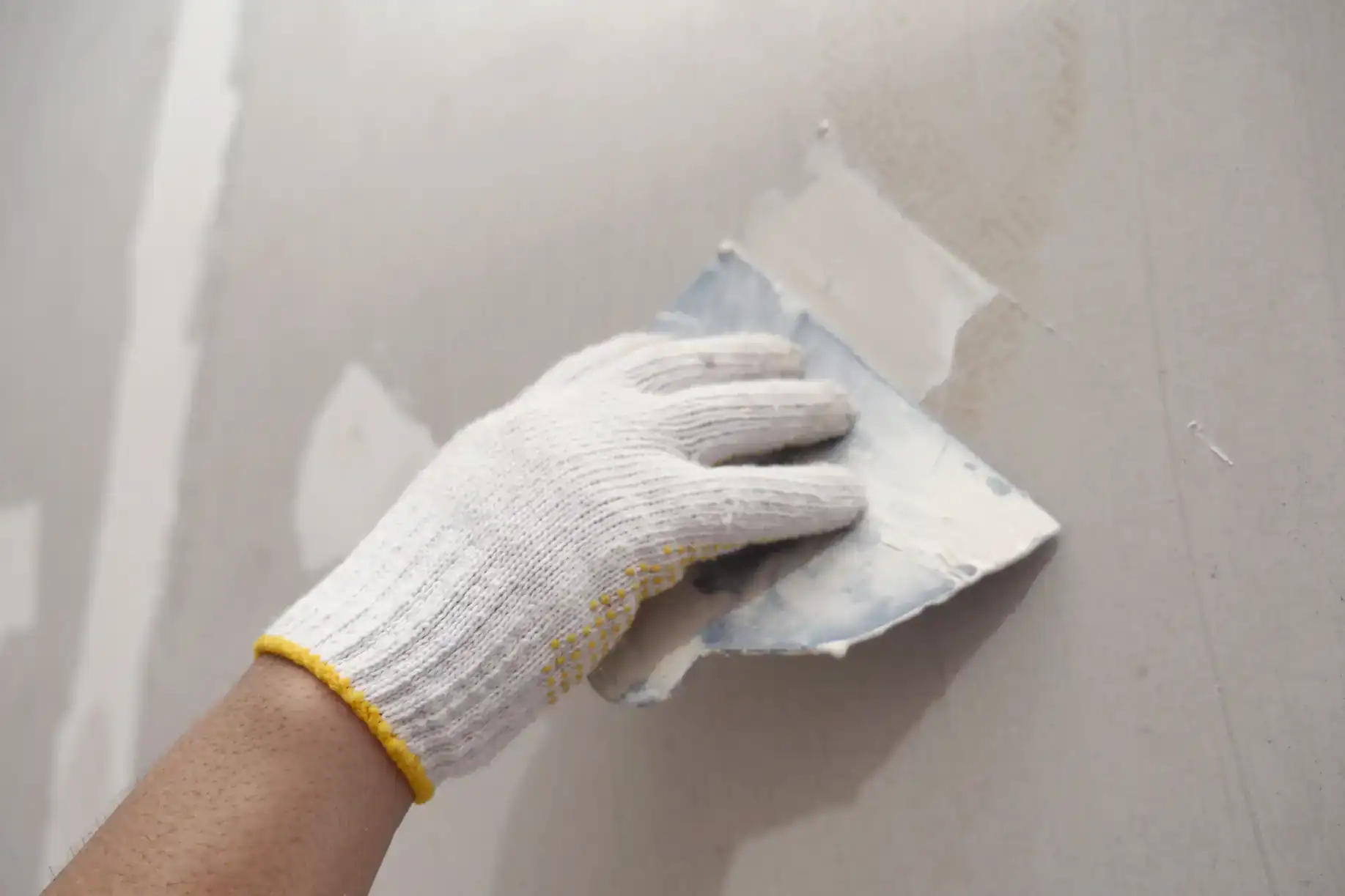
Next comes the repair itself. We use the right materials for your wall type—whether it’s old plaster, standard drywall, or something in between. We match the texture exactly. Knockdown, orange peel, smooth—whatever you’ve got, we recreate it.
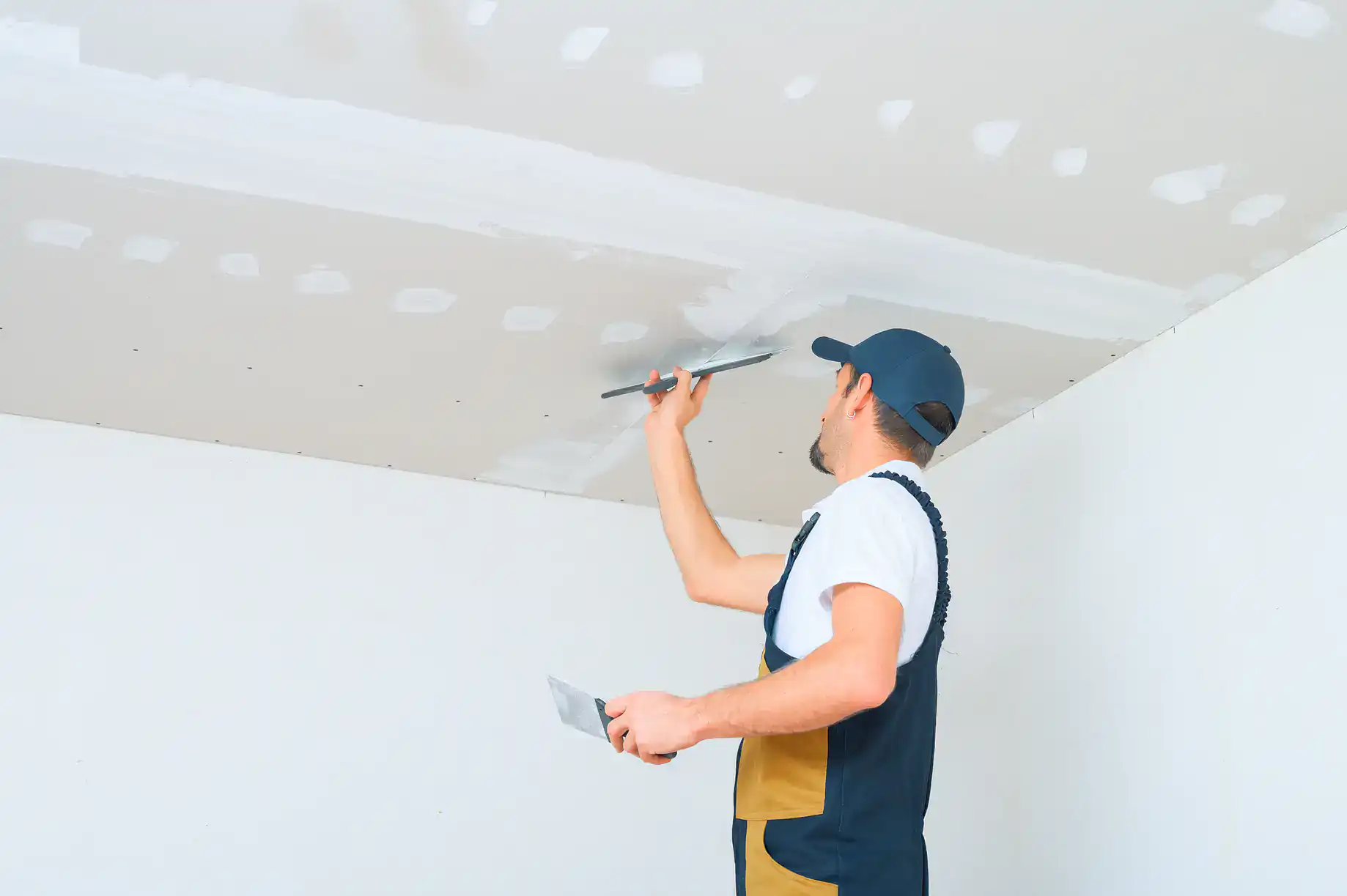
After that, we sand, prime, and paint. Most repairs are done in one visit. When we’re finished, we clean up completely. No dust on your furniture, no debris in your yard. Just a wall that looks like it’s supposed to.
Ready to get started?
You get a clear estimate before we start. No surprises, no hidden fees. The average cost of drywall repair in Strawberry Mansion typically runs between $150 and $800, depending on the size and complexity of the damage. Small holes and cracks cost less. Larger sections affected by water damage or foundation issues cost more.
Here’s what that covers: assessment of the damage, prep work and protection of your space, removal of damaged material, structural repair if needed, texture matching, finishing, priming, and paint. We also handle cleanup—you shouldn’t have to vacuum drywall dust out of your vents for the next month.
In Strawberry Mansion, we see a lot of foundation-related cracks. The neighborhood sits on soil that shifts with freeze-thaw cycles, and most homes are old enough that some settling has happened. That means cracks around door frames, ceiling corners, and windows. We know how to identify whether it’s cosmetic or structural, and we’ll tell you straight.
Water damage is another common issue here. Older plumbing, aging roofs, and basements that weren’t built with modern waterproofing—all of that leads to drywall problems. If we find active moisture, we’ll let you know before we patch anything. There’s no point in covering up a problem that’s going to come back.
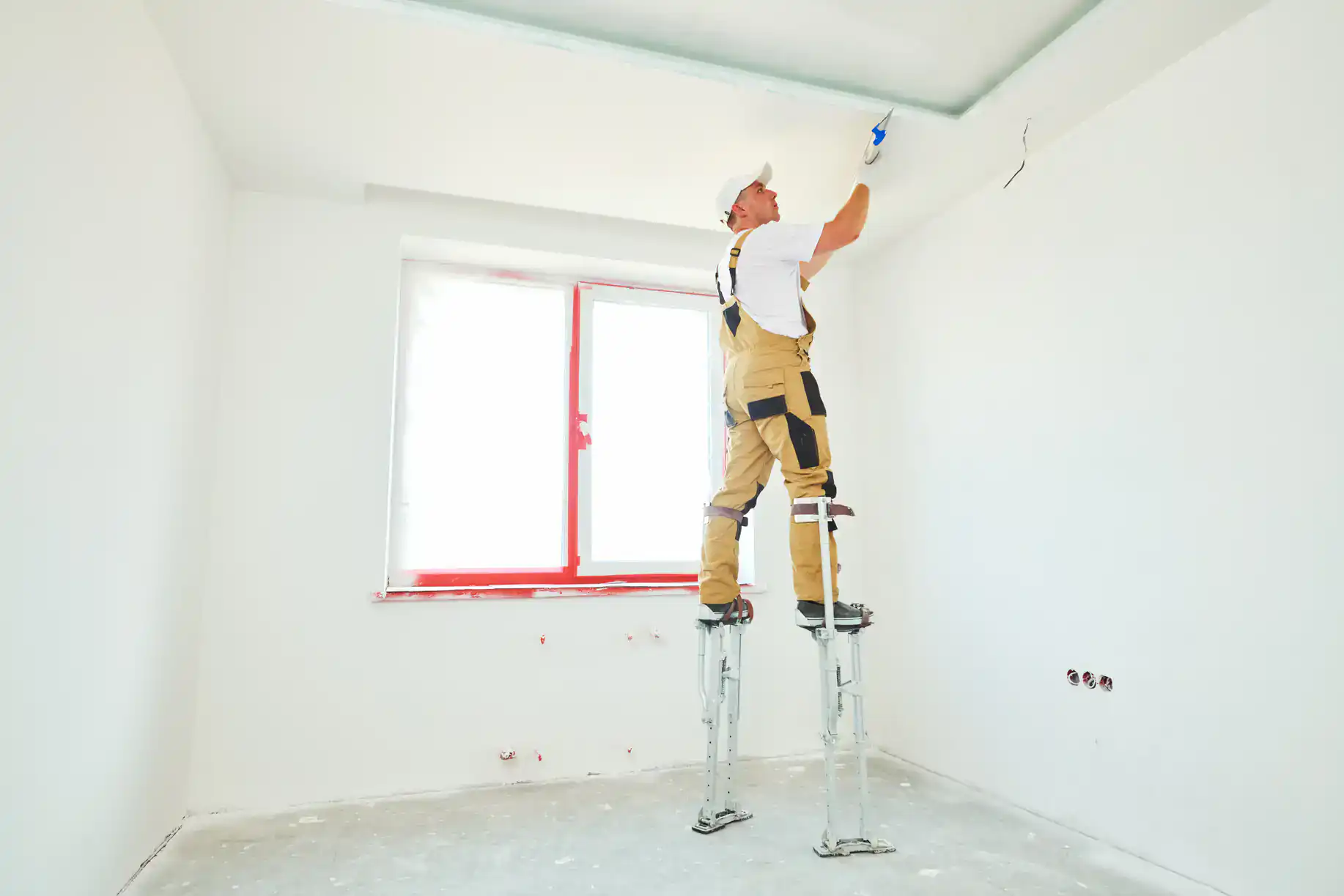
Most homeowners in Strawberry Mansion spend between $150 and $800 on drywall repair, depending on the scope of the damage. A small hole from a doorknob or nail might run $150 to $250. Larger repairs—like a section of ceiling damaged by a roof leak or multiple cracks from foundation settling—can cost $400 to $800 or more.
The cost to repair drywall depends on a few factors: the size of the damaged area, whether there’s water damage or mold that needs to be addressed first, how complex the texture matching is, and whether any structural work is needed. If your walls have a specialty finish or if we’re working with old plaster instead of standard drywall, that can affect pricing too.
We give you a detailed estimate upfront. You’ll know exactly what you’re paying for and why. No line items that don’t make sense, no charges that appear after the work is done.
Most drywall damage in older Philadelphia homes comes from three things: foundation movement, moisture problems, and age. Strawberry Mansion has a lot of homes built before 1940, and those houses have had decades to settle. When the foundation shifts—even slightly—it stresses the walls. You’ll see cracks around doorways, windows, and ceiling corners.
Moisture is the other big culprit. Older homes weren’t built with the same waterproofing standards we use today. Basements leak, roofs age, and plumbing that’s been in place for 50-plus years starts to fail. When water gets into drywall, it weakens the material. You might see bubbling, staining, or sections that feel soft to the touch.
Freeze-thaw cycles make both problems worse. Water gets into small cracks, freezes, expands, and makes the crack bigger. This happens every winter in Philadelphia, and it’s why some cracks keep coming back even after you patch them. Fixing it right means addressing what’s causing the movement or moisture—not just covering it up.
Yes. Texture matching is one of the most important parts of a good drywall repair, and it’s also one of the hardest things to get right. If the texture doesn’t match, the repair stands out—even after you paint it.
We use professional tools and techniques to recreate whatever finish is already on your walls. Knockdown, orange peel, skip trowel, smooth—we’ve done them all. The process involves applying joint compound in a specific way, then using the right tools at the right time to replicate the pattern. It’s not something you can fake with a sponge and a YouTube video.
After the texture is applied and dried, we sand it lightly, prime the area, and paint. The goal is for the repaired section to disappear into the rest of the wall. When we’re done, you shouldn’t be able to tell where the damage was unless you’re really looking for it. That’s the standard we hold ourselves to on every job in Strawberry Mansion.
Most drywall repairs are completed in a single visit. Small to medium repairs—holes, cracks, minor water damage—usually take a few hours from start to finish, including prep, repair, texture, and cleanup. Larger jobs, or repairs that involve structural work or extensive water damage, might take a full day or require a second visit for final painting.
The timeline depends on drying time more than anything else. Joint compound needs to dry between coats. If we’re doing a large patch or multiple layers, we might need to come back the next day to sand and paint. But we work efficiently, and we don’t drag out the process.
One thing we don’t do: leave your home torn apart for days or weeks. We know you’re living there. We schedule the work in a way that minimizes disruption, and we clean up completely before we leave. You’re not stuck with plastic sheeting on your furniture or dust all over your floors while you wait for us to come back.
Yes, and it’s something we deal with regularly in this area. Water-damaged drywall needs to be addressed quickly. The longer it sits, the more likely you are to end up with mold, structural issues, or damage that spreads to other areas of the wall or ceiling.
When we assess water damage, we’re looking at a few things: where the water came from, whether the source is still active, how much of the drywall is affected, and whether there’s mold present. If the drywall is soft, stained, or sagging, it usually needs to be cut out and replaced. Patching over water-damaged material doesn’t work—it just hides the problem temporarily.
We remove the damaged section, make sure the area is completely dry, treat for mold if necessary, and then install new drywall. After that, it’s the same process as any other repair: taping, mudding, texture matching, and paint. If the water damage was caused by a plumbing leak or roof issue, we’ll let you know so you can get that fixed before it happens again. There’s no point in repairing drywall if the same pipe is going to leak next month.
Because drywall repair looks simple, but it’s not. Most DIY repairs fail because the texture doesn’t match, the patch isn’t flush with the surrounding wall, or the paint doesn’t blend. Even small mistakes show up once the light hits the wall at a certain angle.
Texture matching is the hardest part. If your walls have any kind of finish—knockdown, orange peel, or even a light spray texture—you need the right tools and technique to recreate it. A trowel or sponge from the hardware store won’t cut it. You also need to know how thick to apply the compound, when to work it, and when to leave it alone.
The other issue is feathering. When you patch drywall, you’re building up layers of joint compound. If those layers aren’t feathered out smoothly into the surrounding wall, you’ll see a hump or a ridge. It might not be obvious until you paint, but once it’s painted, it’s too late. Sanding technique matters too—sand too much and you’ll create a low spot; sand too little and the texture won’t sit right. This is why most homeowners who try it themselves end up calling someone like us to fix the fix.
Other Services we provide in Strawberry Mansion